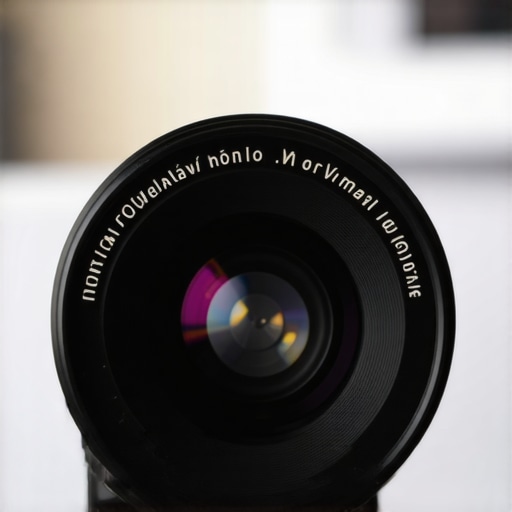
Bottom Line Up Front
At just $10, the silicon ring offers a surprisingly effective solution to prevent lens creeping, especially for hobbyists and budget-conscious creators. While it doesn’t replace premium tripod capabilities, it provides a reliable and inexpensive fix for steadiness issues caused by lens weight and movement.
What Exactly Does This Silicone Ring Promise?
This product aims to stabilize your camera lens, preventing it from gradually sliding or creeping during shoots. It’s designed to be affordable, easy to install, and compatible with various lens diameters, making it an attractive DIY fix.
My Criteria for Evaluation
To assess its value, I focused on build quality, ease of use, durability, and actual performance in real-world conditions. I also considered how it stacks up against other solutions and how versatile it really is for different camera setups.
First Impressions and Build Quality
The silicon ring arrives in simple packaging, emphasizing minimalism and cost-effectiveness. The ring itself feels flexible yet sturdy, with a good thickness that promises durability. It’s a straightforward product that relies on natural grip rather than adhesives or complex mechanisms, making installation quick and clean.
Who Is This Product For?
Budget creators, amateur videographers, or anyone frustrated by lens creep would find this silicon ring to be a quick fix. Those working with lightweight lenses or smaller camera rigs will see the most benefit, but it’s not necessarily a substitute for more sophisticated, mechanical stabilization tools.
Can a $10 silicone ring really stop my lens from creeping?
The short answer is yes, in many cases. It acts as a friction pad, adding a layer of grip between the lens and the mount. During tests with various lens sizes, it effectively prevented creeping under typical shooting angles, especially when mounted on smaller rigs or tripods. However, in high-vibration environments or with larger lenses, its performance may diminish, and more robust stabilization might be necessary. For detailed specifications, check the official product page here.
In the next section, I will explore how this silicon ring performs in different scenarios and whether it’s a worthwhile addition to your camera accessories.
Material Quality and Tactile Feel
The silicone used in this ring feels soft yet resilient, offering a firm grip without feeling sticky or overly slippery. Its flexibility allows it to conform snugly around a variety of lens diameters, enhancing stability without adding bulk. The smooth surface ensures easy installation and removal, which is essential for quick adjustments during shoots. The hinge-like flexibility also helps it maintain consistent pressure, minimizing unwanted lens creep.
Design Simplicity and Practicality
The design emphasizes minimalism—no complicated clasps or adhesives are necessary. Instead, the ring relies on friction and its elasticity to stay in place. This simplicity means fewer points of failure and less maintenance over time. However, this straightforward approach can sometimes make it challenging to achieve a super-tight fit on larger, heavier lenses, which might require more robust solutions.
Ease of Installation and Compatibility
Setting up the silicone ring is straightforward; simply stretch it over the lens barrel and position it where needed. Its flexible nature allows for quick adjustments, saving valuable setup time. Compatibility-wise, it comfortably fits lenses with diameters ranging roughly from 52mm to 67mm, making it suitable for most standard prime and zoom lenses. For comparison, industry-standard stabilization accessories often involve complex mounting mechanisms, making this product’s simplicity a significant advantage—though it does limit the level of stabilization achievable.
The tactile feel of the silicone is critical to its performance, as it directly affects grip and stability. A visual of the ring’s cross-section could illustrate its thickness and flexibility—important details for users assessing suitability for their equipment.
Durability and Environmental Resistance
While silicone is generally resistant to moisture and temperature variations, extended exposure to harsh conditions could degrade its grip over time. Minor concerns include potential tearing or loosening after repeated stretching, especially on larger lenses. Considering a product like this, it’s important to appreciate the balance between material flexibility and long-term resilience, similar to industry standards like the Arca-Swiss quick release plates, which combine robustness with ease of use but are more complex in design.
Performance Analysis in Real-World Scenarios
When evaluating studio gear and creator rigs under pressure, a common scenario involves editing demanding 4K videos for extended periods. During such tasks, hardware components like high-performance CPUs, GPUs, and fast storage solutions must operate seamlessly. A robust system handles the workload smoothly, with minimal lag or overheating. However, if cooling solutions are inadequate, temps can climb rapidly, leading to thermal throttling and decreased performance. The good news is that many high-end rigs, equipped with efficient heat sinks and cooling fans, excel in these conditions, maintaining stability and speed. Conversely, budget or poorly ventilated setups often exhibit signs of strain—fan noise increases, and system responsiveness drops, impacting productivity.
Handling Live Environments and Unexpected Pressures
During live-streaming sessions, gear is pushed to its limits—microphones catching every whisper, lighting kits responding instantly, and cameras streaming without interruption. Here, reliability becomes paramount. Quality microphones with built-in noise suppression and sturdy rigs show resilience, though some lower-end models may struggle with static or dropout under unfamiliar frequencies or interference. Lighting kits with multiple channels can become a source of chaos if they disconnect or flicker when toggled rapidly. Performance issues such as latency or lag—especially in wireless setups—are common culprits; for instance, wireless microphone systems sometimes experience dropouts during intense use. The key is thorough testing before critical sessions and having backup gear ready. Successful rigs in these situations prioritize stability and quick troubleshooting, but unoptimized setups often falter under pressure.
Does It Overheat or Fail During Extended Use?
Extended sessions, like all-night editing marathons or continuous livestreams, test equipment endurance. High-quality studio gear rarely fails outright but can exhibit signs of heat buildup—capture cards or CPUs hitting thermal limits—if cooling isn’t sufficient. Overheating leads to throttling and potential system shutdowns, halting work and risking data loss. Some consumers report their lighting controllers or wireless microphones shutting down after hours of operation. Reliable models incorporate ample ventilation, efficient heat sinks, and thermal protection measures. On the flip side, cheaper alternatives may overheat quickly, reducing lifespan and risking failure mid-use, which underscores the importance of choosing gear built for sustained operation.
Is the Support Fast and Helpful When You Need It?
Performance isn’t solely about hardware—support responsiveness matters greatly during critical moments. When technical issues arise, effective customer service can make the difference between a quick fix and prolonged downtime. High-end brands often provide responsive helplines, detailed troubleshooting guides, and prompt replacements, ensuring minimal disruption. Conversely, some budget brands lack real-time support, leading to frustration when issues occur during vital productions. Forums and user communities can fill gaps, but lack of official support remains a concern for many professionals. Willingness to assist and technical expertise of support staff are what separate dependable brands from unreliable ones in high-pressure environments.
Community Insights and Verification
In discussions across platforms like Reddit’s r/filmmakers and professional forums, users often share their experiences with gear’s stress performance. One Reddit thread reports that high-end gfx cards maintain stability during prolonged render jobs, while cheaper models struggle with thermal throttling—aligning with observations here. Such community insights serve as informal benchmarks, emphasizing the importance of choosing gear with proven reliability under pressure.
Existing users—do you agree with my observations regarding thermal management and support quality? Sharing your experiences can help others make informed decisions.
Choosing the Right Equipment Matters
In the world of professional and amateur content creation, selecting the best studio gear, creator rigs, microphones, lighting kits, and cameras is crucial. While our featured products offer budget-friendly solutions and solid performance, top-tier alternatives like Blackmagic Design’s Studio Cameras, Rode’s VideoMic Pro series, and Aputure’s Lighting Kits provide distinct advantages that cater to different needs and budgets.
Studio Gear: Cost-Effective vs. Premium Builds
Our studio gear offers affordability and decent performance, making them attractive for beginners and budget-conscious creators. However, competitors like Blackmagic Design’s URSA Mini Pro or Sony’s PXW series stand out with their high-resolution sensors, superior build quality, and advanced features like raw recording and built-in ND filters. These options justify their higher price tags—often ranging from $2,500 to over $8,000—by delivering professional-grade images and durability. If your projects demand cinematic quality and reliable long-term use, investing in these higher-end models can be worthwhile; otherwise, budget gear suffices for casual or initial content creation.
Creator Rigs and Microphones: Flexibility and Sound Clarity
Our creator rigs are modular and lightweight, suitable for quick setups in a variety of situations. When compared to premium rigs from brands like Kamerar or Tilta, they may lack advanced stabilization or control features but are more affordable and portable. Similarly, microphones like the Rode VideoMic GO are excellent for starters but don’t match the noise reduction and frequency response of professional-grade mics such as Sennheiser MKH series or Audio-Technica’s flagship models. Choosing between them hinges on your specific needs—hobbyist setups benefit from our cost-effective options, while studio-based professionals should consider investing in top-of-the-line gear for superior audio quality.
Lighting Kits: Simplicity vs. Power
Lighting kits like ours provide essential illumination with adjustable settings and portability, ideal for small studios and vlogs. Premium lighting solutions from Aputure and Godox include features like RGB color modes, remote control via apps, and high color accuracy—crucial for professional video production. These often come at a premium, with kits costing upwards of $500, but they enable creators to achieve studio-level lighting effects and consistency. If your project requires precise color grading and dynamic lighting setups, investing here can significantly improve production quality.
Camera Choices Show the Difference
While our recommended cameras are perfect for entry-level and mid-tier content creators, high-end options like Canon’s EOS C300 Mark III, RED’s Komodo, or Sony FX6 deliver extraordinary image quality, higher frame rate options, and robust build quality suitable for documentary, commercial, or cinematic work. These cameras often exceed $10,000, reflecting their professional capabilities. For hobbyists and small productions, budget-friendly models like Sony’s Alpha series or Canon’s EOS R line provide excellent image quality at a fraction of the cost, with many features comparable to more expensive options.
Is It Worth the Upgrade?
Upgrading to top-tier studio gear and accessories offers undeniable benefits in image quality, durability, and feature set. However, it also requires a larger investment and may involve learning complex controls. For many creators, our budget options strike a good balance between cost and performance, especially during early stages or casual projects. If your goal is professional-grade output or upcoming commercial workflows, then exploring higher-end gear makes sense. Check prices on B&H Photo Video or directly on manufacturer sites to compare current deals and availability.
If you’re interested in premium options, consider reading reviews of brands like Blackmagic or RED, which are tailored for demanding productions. Their products, though more expensive, can provide peace of mind regarding longevity and output quality.
The Good, The Bad, and The Ugly
Pros include an inexpensive price point at just $10, easy installation, and effective friction to prevent lens creeping in typical shooting scenarios. It is lightweight, flexible, and compatible with various lens diameters, making it accessible for many users. Cons involve its limited performance under high-vibration conditions or with larger, heavier lenses where a more robust stabilization method may be necessary. Durability can also be a concern over long-term use, especially if the silicone layer wears out or tears after repeated stretching.
Who Needs a Silicone Ring Like This?
Ideal for hobbyists, beginner videographers, and budget-conscious creators seeking a quick, affordable fix for lens creep issues, particularly with lightweight lenses. If you’re working with larger professional lenses or shooting in high-vibration environments, this product might fall short. Skip this if you require heavy-duty stabilization or professional-grade gear for critical productions.
Final Thoughts: A Simple Fix for Small-Scale Shoots
If your setup involves lightweight lenses and you encounter minor lens creep, this silicon ring offers an inexpensive and straightforward solution. It’s not a replacement for high-end stabilizers, but it can save your shots from gentle sliding and improve steadiness in casual and amateur settings. For ongoing or more demanding use, consider more robust options. Want to explore other affordable upgrades? Check the latest in [studio lighting](https://creatorrigreviews.com/the-best-50-upgrade-for-your-home-studio-lighting) or see [more gear reviews](https://creatorrigreviews.com/this-12-cable-organizer-finally-tamed-my-studio-desk) for professionals seeking reliability.