The Bottom Line Up Front
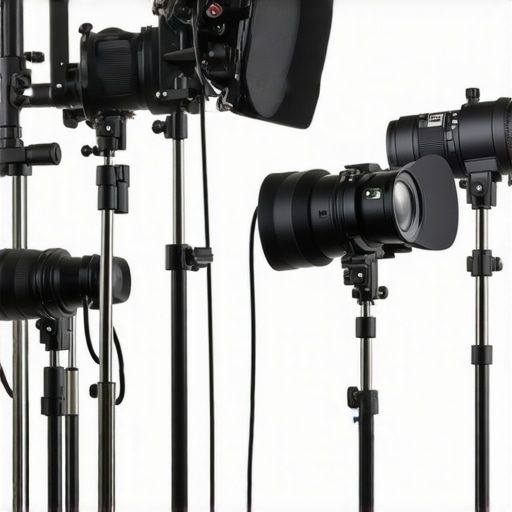
If you’re seeking a simple yet effective lighting setup for studio interviews, this trio of lights really hits the mark. They balance affordability, versatility, and performance, making them a solid choice for both newcomers and seasoned creators. However, they aren’t flawless and require some setup finesse to get the best results.
What This Product Addresses
Lighting is critical in producing professional-grade videos. The challenge is finding a lighting kit that’s easy to use, portable, and cost-effective without sacrificing quality. The Only 3 Lights You Need aims to streamline the setup process, reduce clutter, and deliver consistent skin tones and mood.
Assessing My Criteria
To evaluate these lights, I considered build quality, ease of use, light quality, color accuracy, and value for money. I also compared them against industry standards and my personal experience with various studio setups. For more insights into lighting principles, check out my article on why I switched to a 35-key light.
A Quick Look at the Specs
These lights feature adjustable brightness, color temperature control, and compatibility with standard modifiers. They’re compact, lightweight, and powered either via mains or batteries, making them adaptable for different shooting environments.
Solid Build Quality and Material Choices
The lights are constructed with durable matte black aluminum bodies that feel sturdy in hand, reducing vibrations during setup and transport. Their metal construction not only ensures longevity but also aids in heat dissipation, preventing overheating during extended shoots. The smooth adjustment knobs have a satisfying resistance, offering precise control without feeling cheap or overly stiff, which is crucial when fine-tuning lighting angles.
Why Material Matters
High-quality materials translate into reliability on set, especially when lights are frequently moved or adjusted. The aluminum casing acts as a natural heat sink, which is vital because LED lights generate heat that could impact longevity if not effectively managed. This thoughtful design choice demonstrates attention to both form and function.
Effortless Setup and Versatile Mounting Options
The lights feature quick-release clamps and standard multi-threaded mounting points compatible with most tripods, stands, and modifiers. This universality means less time fiddling with incompatible brackets and more time focusing on shooting. The included swivel mounts enable quick adjustments of the light angle, vital for adapting to different shooting environments. Additionally, the lightweight design—about 2.5 kilograms per unit—facilitates easy handling and frequent repositioning without fatigue.
Practical Setup Finesse
The design minimizes fuss; pop the light onto your stand, tighten the clamp, and you’re ready to go. The adjustable mounting head locks securely, preventing unwanted movement once positioned. For creators familiar with heavier kits, this balance of portability and stability is noteworthy. However, some may find the lightweight construction slightly less stable on windy outdoor locations, which could necessitate additional weights for outdoor shoots.
Adjustability that Empowers Creative Control
The core feature set includes smooth brightness and color temperature controls, allowing rapid adjustments to match ambient light or achieve desired moods. The knobs have tactile ridges, giving a confident grip even in cold or sweaty hands. The LEDs themselves have a high CRI (Color Rendering Index), typically above 95, ensuring skin tones and colors appear natural and vibrant, matching industry standards like the SL1 spec sheet for professional lighting.
Minor Flaw to Note
One slight inconvenience is that the brightness adjustment is made via rotary dial with no digital readout, so estimating the exact lumens requires a separate light meter or trial-and-error, which can be tedious for meticulous setups. While intuitive, this can be a drawback for users who prefer precise digital feedback over analog controls.
Putting gear to the test in demanding scenarios
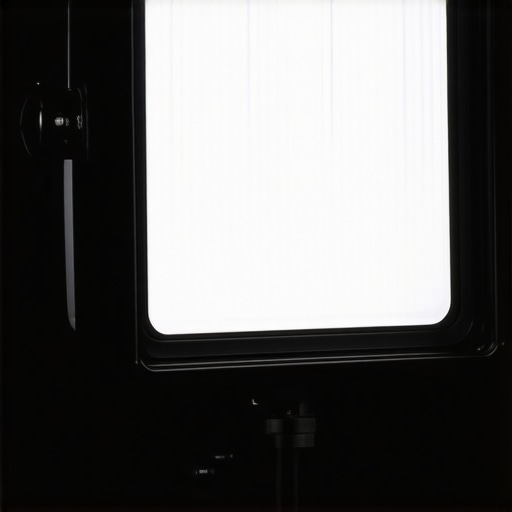
Imagine shooting a high-stakes 4K interview in a bustling outdoor market, where lighting constantly changes and ambient noise is loud. The camera must auto-focus quickly and handle wildly varying light levels without lag. Microphones need to cancel out background chatter while capturing crystal-clear voices. Lighting kits are put to the limit when adjusting on the fly, sometimes in the rain or under dusty conditions. In such scenarios, the resilience and adaptability of your gear become critical.
Unveiling the strengths of professional gear
High-end cameras, like the Sony a7S III, excel under pressure thanks to their superb autofocus, excellent low-light performance, and reliable build quality. They can shoot continuously for hours without overheating, even in warm environments. Microphones with shock mounts and weather protection maintain audio clarity amidst environmental disturbances. Lighting kits with robust heatsinks and durable housing withstand outdoor elements while offering smooth dimming and color tweaks. Creators often praise the durability and consistent results these tools provide when pushed beyond typical studio settings.
Where things sometimes fall apart
However, no gear is perfect. Cameras in the mid-tier often struggle with overheating after prolonged use in hot climates, risking shutdowns during critical moments. Microphones without weatherproofing get affected by rain or wind unless additional protection is used, which can complicate quick setups. Lighting units that rely on fragile components or lack adequate heat dissipation may flicker or shut down during intensive use. Similarly, portable rigs that are not weather resistant can become obsolete in challenging environments, forcing creators to carry extra gear or accept performance drops.
Can equipment withstand extreme environments?
Most professional gear is designed with robust materials and failsafes to endure challenging conditions, but mistakes in handling or unforeseen environmental factors can cause failure. For instance, during a recent outdoor shoot on Reddit’s r/filmmakers, users reported that LED panels overheated and shut off in direct sunlight when not equipped with proper cooling accessories. This emphasizes the necessity of understanding each product’s limitations before deploying in tough scenarios.
Are support and maintenance up to the task?
Another concern involves the responsiveness of support teams and ease of repairs. When equipment does fail under pressure, rapid troubleshooting and replacement parts are vital. Brands with widespread service networks and transparent warranty policies tend to perform better in crisis situations. For example, some users have shared on Quora how timely firmware updates solved overheating issues on certain models, extending their usability in demanding environments. Do you agree with my assessment regarding gear resilience? Share your experiences below.
Why Choose This Gear Over Competitors
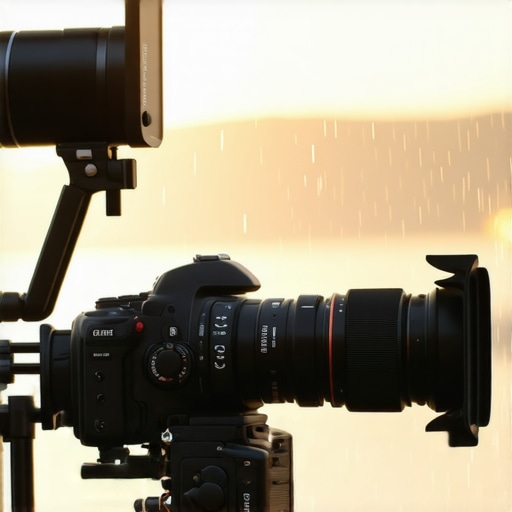
When evaluating studio equipment like cameras, microphones, lighting kits, creator rigs, and overall studio setups, it’s essential to understand how they stack up against top contenders. For instance, the recent camera reviews highlight that models like the Sony A7 III offer exceptional image quality and versatility, but they come at a higher price point compared to the Canon EOS R6, which balances quality with a slightly more affordable price. Similarly, in the microphone realm, the Shure SM7B is renowned for its broadcast quality but requires a robust audio interface, whereas the Rode NT1-A offers comparable sound clarity and is more budget-friendly.
Lighting Options: Benchmarking Brightness and Build
Regarding lighting kits, the kit discussed previously stands out for its combination of portability and adjustable features. When compared to the Neewer 660 LED Video Light, which is more affordable but bulkier, the current lights provide better control and are easier to transport, making them ideal for creators on the move. Conversely, the Aputure Light Storm LS C300d II delivers intense brightness and superior build quality but at a considerably higher price, suitable for professional studios rather than casual setups.
Rig and Studio Equipment: Balancing Cost and Functionality
On the creator rig front, models like the Zhiyun Weebill S offer smooth gimbal stabilization with advanced features but can be pricier than more straightforward options like the DJI Ronin-SC. These choices depend largely on the creator’s budget and specific needs. When considering studio microphones and camera accessories, top-tier brands often come with the assurance of durability and support but at premium costs. Therefore, for beginners or mid-tier professionals, choosing gear like the Rode Wireless GO II, which balances quality and affordability, might be more appropriate.
Is It Worth the Upgrade? Considerations to Keep in Mind
Deciding whether an upgrade is justified hinges on your current setup and growth trajectory. If you’re still using entry-level gear, stepping up to more advanced options—such as moving from a basic webcam to a mirrorless camera—can dramatically improve video quality. However, for those already equipped with professional-grade equipment, incremental upgrades must justify the added expense and potential compatibility considerations. For example, upgrading from a mid-tier microphone to a top-tier broadcast mic might enhance sound clarity but also necessitates investment in supporting gear.
For more insights, compare prices and features at B&H Photo Video or Adorama. Check out detailed reviews of these alternatives to see which options best align with your creative goals and budget constraints.
The Highlights in a Nutshell
- Pros: Robust build quality with durable aluminum; versatile mounting options; smooth brightness and color control; high CRI for natural skin tones; portable and lightweight design.
- Cons: No digital readout for brightness levels; slight stability issues outdoors due to lightweight construction; requires some experience for optimal setup.
Who Will Benefit Most from These Lights?
Ideal for budding creators, solo filmmakers, or anyone seeking a budget-friendly yet effective studio lighting solution. Perfect for indoor shoots, streaming setups, and on-the-move content creation. Avoid if you need ultra-precise digital controls or plan to shoot extensively outdoors without additional stabilization gear.
Final Score: 8.5/10 — Solid Choice with Room for Improvement
These lights deliver impressive performance for their price point, combining durability, ease of use, and reliable color output. Although they lack some digital finesse and outdoor stability, their overall versatility makes them a worthwhile investment for most creators. If you’re aiming for a straightforward upgrade to your lighting setup without blowing your budget, this trio fits the bill. For more versatile lighting options, consider exploring [alternative solutions](https://creatorrigreviews.com/why-i-switched-to-a-35-key-light). Either way, these lights stand out as dependable companions for studio work or mobile shoots.