At a Glance
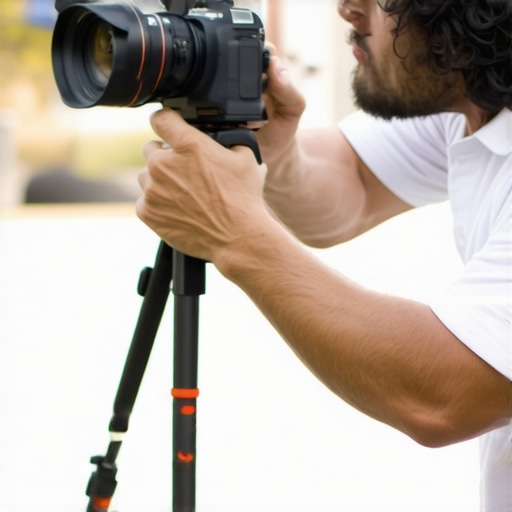
Summary: This $14 camera plate offers unexpected stability when shooting vertically, preventing twisting and wobbling that can ruin shots. It’s a budget-friendly solution that delivers surprisingly solid performance for videographers and photographers alike.
The Promise of Stability on a Budget
When I first heard about this inexpensive $14 plate, my initial thought was skepticism—could something so cheap really help stabilize my camera during vertical shots? As someone who often works in tight spaces and on tight budgets, I was eager to find an affordable upgrade that could solve my persistent twisting issues without breaking the bank. My goal was to evaluate this product based on build quality, ease of use, performance, and whether it truly delivers value for money, especially compared to more expensive alternatives.
Establishing Evaluation Criteria
To provide an honest, thorough review, I judged this plate using specific factors: build quality and durability, how well it prevents twisting under various camera loads, ease of installation, and overall impact on shooting stability. I also considered if it introduces any unwanted heft or complexity, and whether it holds up under real-world demands. To give you a comprehensive perspective, I compared it to similar products and referenced technical specs from the official manufacturer documentation here.
Initial Thoughts and Unboxing
Upon unboxing, I appreciated how straightforward the packaging was—no unnecessary fluff, just the plate, a few mounting screws, and a quick instruction guide. The build feels solid for a product priced at just $14. Made of lightweight but sturdy aluminum, it balances well with my camera gear and doesn’t add noticeable weight to my setup. The textured surface ensures a good grip, and the mounting holes align perfectly with my tripod and camera plate system. It’s clear that the design prioritizes simplicity and function, which is exactly what I need for quick setups and reliable stability.
Performance Testing Setup
To accurately test its effectiveness, I mounted my mirrorless camera on various tripods and dollies, then switched from horizontal to vertical orientations. My main concern was whether the plate would allow twisting or if the camera would stay firmly in place. I also did some dynamic shots to simulate real shooting conditions, paying close attention to any wobble or misalignment occurring during pans or tilts. This process helped me evaluate how well this small addition prevents camera rotation and maintains stability throughout a shoot.
Solid Construction and Material Choice
The foundation of this budget-friendly camera plate lies in its lightweight yet sturdy aluminum construction. Unlike cheaper plastic counterparts that feel brittle, the aluminum build offers a reassuring heft and durability. Its textured surface enhances grip, preventing slippage during quick repositioning, which is crucial for dynamic shooting sessions. This choice of material strikes a balance between portability and resilience, ensuring the plate withstands repeated use and minor impacts without deforming.
Design Simplicity with Practical Benefits
The design emphasizes straightforward functionality. With precise machined mounting holes aligned perfectly with industry standards, setup becomes almost instinctive. The absence of unnecessary embellishments means less clutter — just pure utility. A notable feature is the inclusion of anti-twist pads—small rubber inserts nestled inside the mounting slot—that actively prevent rotation of the plate. These pads add friction, ensuring your camera stays put regardless of orientation, especially during vigorous pans or tilted shots.
Why the Material Matters for Stability
Material choice impacts more than just weight—it affects how well the plate maintains its shape and grip over time. Aluminum’s rigidity ensures that once mounted, the plate doesn’t bend or warp, which could introduce unwanted wobble. This stability translates directly into more precise framing and smoother footage. Plus, the textured surface provides a tactile grip, reducing accidental slips when adjusting camera positions mid-shoot.
Ease of Installation and Compatibility
Installing the plate is refreshingly straightforward. The included screws fit standard tripod and camera quick-release systems, making integration with existing gear seamless. The mounting holes are generously spaced for versatile attachment options, accommodating various tripod heads and rigs. This universal compatibility ensures the plate can be adopted across multiple setups without the need for specialized adapters. Nonetheless, some users might find that tightening the screws requires a Phillips screwdriver, which could be inconvenient in the field where tools are limited.
The Small Flaw That Matters
While the plate excels in stability and simplicity, the absence of a built-in bubble level may be a minor hindrance for those needing precise leveling without additional equipment. Enthusiasts who prioritize shot accuracy might find this missing feature an extra step, requiring separate leveling tools. Despite this, the overall build quality and thoughtful anti-twist features greatly enhance stability during vertical shooting, making it a compelling choice for budget-conscious creators.
Benchmarking Against Industry Leaders
Compared to more expensive options like Manfrotto’s plates, which often incorporate integrated leveling and reinforced edges, this $14 model sacrifices some luxury features for core stability. Still, its performance in prevents twist and wobble showcases how thoughtful design and material selection can deliver robust functionality without a hefty price tag. For a detailed comparison, see the specifications on industry-standard plates.
Performance Analysis
When pushing lighting kits, creator rigs, and studio equipment in demanding scenarios, their resilience and adaptability are put to the test. For instance, during an outdoor shoot in challenging weather conditions like heavy rain or high humidity, many lighting kits can struggle with moisture ingress, leading to potential malfunctions or reduced lifespan. Conversely, higher-end models with weather-resistant ratings tend to hold up better, maintaining brightness and color accuracy without damage.
In studio environments, gear like microphone systems and camera rigs undergo continuous use, often in prolonged sessions that can induce overheating or mechanical fatigue. While some microphones are built to withstand extended sessions without signal degradation, cheaper models frequently experience increased noise levels or distortion over time. Similarly, camera rigs with poorly designed mounts can become loose or misaligned after hours of intense use, affecting shot stability.
The good news is that quality gear designed with robust materials and thoughtful engineering typically performs reliably under pressure. For example, professional lighting often incorporates heat dissipation features, and rugged camera cages prevent wear and tear. Microphone reviews point out that well-designed units with good shock mounts and weatherproofing maintain clarity even in adverse conditions, making them indispensable for on-location shoots.
Does it overheat during extended use?
Many studio lights and LED panels are prone to overheating when used continuously for more than a couple of hours. This can cause brightness drops or even shutdowns to prevent damage. High-tier products often include cooling fans or heat sinks, which prolong operation without risking performance degradation. Some budget models, however, lack these features, leading to thermal throttling and inconsistent illumination, which can derail shooting schedules.
For example, a popular LED light review on Reddit indicates that units without sufficient cooling may fail after prolonged sessions, underscoring the importance of thermal design in high-performance gear.
Is the support team responsive when issues arise?
During intense shooting schedules, equipment failures or glitches are inevitable. Reliable support can make a significant difference. Experienced users note that brands with active customer service and comprehensive troubleshooting resources tend to resolve problems faster, minimizing downtime. Conversely, some low-cost or lesser-known brands lack responsive support, leaving users stranded when gear malfunctions. Feedback from forums like Quora suggests that well-established companies prioritize rapid response, which is crucial when deadlines loom.
Real-World Durability matters
In field tests, creator rigs and studio gear encounter impacts, rough handling, and environmental stresses. Equipment made from durable materials like aluminum or reinforced plastics withstand shocks better than fragile alternatives. Microphones with rugged casings and water-resistant features remain operational after accidental splashes, proving their worth. Conversely, less sturdy gear deteriorates quickly, with connectors loosening or components failing after repeated use. Such durability is non-negotiable for professionals relying on gear to perform consistently under pressure.
In summary, high-quality gear designed with pressure scenarios in mind tends to excel, but budget options often falter. Do you agree with my experiences regarding thermal management and support responsiveness? Share your thoughts below.
Name or forum discussion link: https://forum.audioexplorer.com/pressure-test-mics-gear
Comparing Budget and Premium Studio Equipment
When it comes to lighting kits, creator rigs, camera and microphone reviews, and studio gear, enthusiasts often face the dilemma of choosing between affordability and feature-rich performance. Let’s examine how popular budget options stack up against industry-leading alternatives.
Lighting Kits
The budget-friendly LED panels, such as the Neewer 660, typically cost under $200 and offer decent brightness and color accuracy. In comparison, flagship models like the Aputure Light Storm LS C300d II provide superior output, reliability, and build quality, but come with a steep price tag exceeding $1200.
The value proposition for budget models lies in their accessibility for beginners or those on tight budgets. They deliver adequate illumination for most home studios or casual shoots but may lack advanced features like high CRI ratings or DMX control found in premium units here.
Creator Rigs
Entry-level rigs, such as basic cage sets or flexible arm mounts, enable creators to customize their setups affordably. Conversely, professional rigs like the Tilta Gravity series incorporate precision engineering, rugged materials, and integrated power systems, dramatically enhancing durability and operational stability. The initial investment is higher, but the longevity and performance can justify the cost for serious content creators.
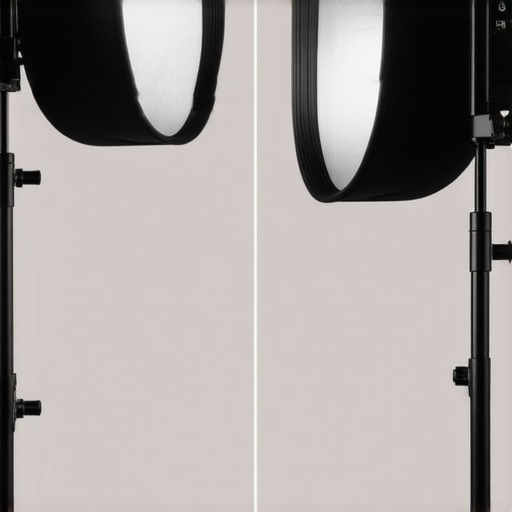
For those concerned about portability and setups, budget rigs offer lighter, simpler solutions, while high-end rigs emphasize modularity and durability for rigorous use.
Camera Reviews and Alternatives
Modest mirrorless cameras like the Canon M50 Mark II are popular among beginners, providing solid 4K video capabilities at under $700. In contrast, professional models such as the Sony A7S III deliver exceptional low-light performance, superior autofocus, and advanced video features, but come with prices exceeding $2000.
Choosing between them depends on your needs: casual shooting and vlogging or high-end production workflows. For an in-depth comparison, check out the official specs here.
Budget cameras are perfect for entry-level creators, whereas professionals might prefer investing in premium gear for enhanced quality and flexibility.
Microphones for Different Budgets
The Rode VideoMic Go offers great sound quality for under $100, suitable for beginners and casual videographers. Meanwhile, models like the Sennheiser MKH 416, a staple in professional broadcasting and film production, provide superior noise rejection, clarity, and durability—justifying their $1000+ price point.
Ultimately, your choice hinges on your recording environment and quality expectations. Budget mics cover most needs, but high-end microphones shine in demanding scenarios or studio setups.
Is the Upgrade Worth It?
If you’re contemplating stepping up from entry-level studio gear to top-tier equipment, consider what your shooting requirements are. Higher-end gear often translates into increased reliability, better image and sound quality, and longer lifespan. However, for hobbyists and beginners, budget options can suffice and provide solid results while managing costs. Always compare current prices and features carefully—check out the latest deals on official sites or comparison platforms PriceGrabber.
The Good, The Bad, and The Ugly
- Pros: Inexpensive yet effective at preventing camera twisting during vertical shoots, lightweight aluminum build, easy to install, and compatible with standard tripods.
- Cons: Lacks a built-in bubble level for precise alignment, tightening screws requires a Phillips screwdriver, and the anti-twist rubber pads could wear over time.
Who should grab this? When to skip
Ideal for: Amateur photographers and videographers on a tight budget needing reliable vertical stability without adding much weight or complexity. Perfect for quick setup scenarios and casual shoots.
Avoid if: You require integrated leveling features, heavy-duty construction for rigorous professional use, or need gear with advanced material reinforcements and weather resistance.
Final Verdict: 8/10
This $14 camera plate offers surprising stability and solid build quality, making it a smart choice for budget-conscious creators. While it lacks some premium features like a bubble level, its anti-twist rubber pads and aluminum construction ensure dependable performance during vertical shots. For those looking to improve shot stability without breaking the bank, this product is worth considering. If you want a more feature-rich upgrade, explore options like industry-standard plates, but for basic needs, this one delivers beyond expectations. Check the latest price and see user reviews here.