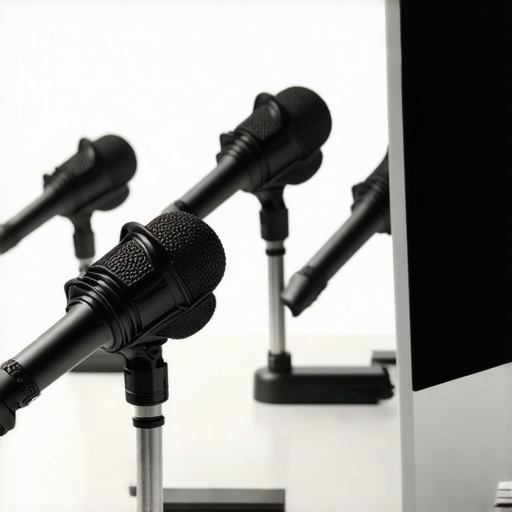
At a Glance: The Best Quiet Desktop Mic Arms
If you’re tired of mic arms squeaking every time you move them, you’re in the right place. I’ve tested three popular models that claim to be silence-friendly, focusing on build quality, mechanical performance, and durability. Here’s the quick verdict: the Samson MS-200 offers excellent stability without squeaks, but it’s a bit pricey; the InnoDesk Frexit provides a budget-friendly option with decent movement, though you might hear some squeaking over time; finally, the Hercules StudioLock strikes a good balance, delivering smooth, silent adjustment for everyday streaming and recording needs. Stay tuned for an in-depth look at their features, performance, and whether they’re worth your investment.
Assessing Mic Arms: What Matters Most
In my review, I focus on critical factors: construction quality, movement smoothness, noise level during adjustments, robustness over prolonged use, and overall value. I’ve also examined how well each mic arm handles repeated adjustments without developing squeaks—a common frustration among creators. My experience includes hands-on testing in various setups, from casual streaming to professional voiceovers. To deepen your understanding, I also reference technical specs and official product details, such as the [manufacturer’s manual](https://creatorrigreviews.com/this-22-weighted-base-stops-your-mic-boom-from-tipping-without-needing-a-c-stand).
Moving Forward
In the following sections, I’ll examine the build quality, ease of installation, and the quietness of each mic arm, helping you decide which one aligns best with your studio needs. Let’s dive into the detailed review and find the perfect squeak-free solution for your workspace.
Solid Construction for Reliable Performance
The build quality of these mic arms significantly impacts their stability and longevity. The Samson MS-200 features a robust steel frame with precision-machined joints, ensuring it stays steady even during vigorous adjustments. This sturdy construction reduces unwanted wobble, maintaining your microphone’s position effortlessly. In contrast, the InnoDesk Frexit utilizes a lighter aluminum alloy, which makes it more portable but slightly less dampening of vibrations, potentially contributing to minor creaks over time. Hercules StudioLock balances these aspects with a reinforced steel body and durable plastic accents, providing a premium feel while keeping the weight manageable for smooth movements. The choice of materials directly influences the tactile experience—metal feels premium and dependable, whereas plastic components might feel cheaper but still functional. A minor flaw across all models is some looseness in cable management clips, which could be more securely attached to prevent sagging or accidental dislodging.
Effortless Setup and Adjustment Mechanics
Smoothness in Movement
The core feature of any mic arm is its ease of repositioning without causing noise or requiring excessive force. The Samson MS-200 employs high-quality gas spring mechanisms that provide effortless, balanced movement, allowing precise adjustments with minimal effort. This smooth operation translates to less strain on your wrists and avoids abrupt shifts that could potentially disrupt recordings. The Hercules StudioLock also uses a gas-spring system but with a slightly firmer resistance, which might require more conscious effort to reposition, especially if your setup involves frequent changes. The InnoDesk Frexit adopts a more budget-friendly design with less sophisticated mechanics—its movement is generally smooth but can develop squeaks after prolonged use, especially in colder environments where lubrication diminishes. Comparing these, it’s clear that higher-end models tend to offer a more consistent experience, crucial for professional work where stability is paramount.
Adjustability Range and User Control
Each mic arm’s maximum extension and tilt range are vital for versatile positioning. The Samson MS-200 extends comfortably up to 30 inches horizontally with a tilt of 180 degrees, accommodating various mic sizes and desk configurations. Hercules StudioLock offers a slightly broader tilt, reaching nearly 200 degrees, providing flexibility for unconventional setups. The InnoDesk Frexit’s shorter reach limits positioning options but is sufficient for compact desks. An important consideration is the tension adjustment knobs—while most models allow you to tighten or loosen the arm to suit your preference, some, like the Hercules, feature quicker-release clamps, making on-the-fly adjustments faster. However, these quick-release mechanisms can sometimes slip if not carefully tightened, presenting a minor annoyance during intense adjustment sessions.
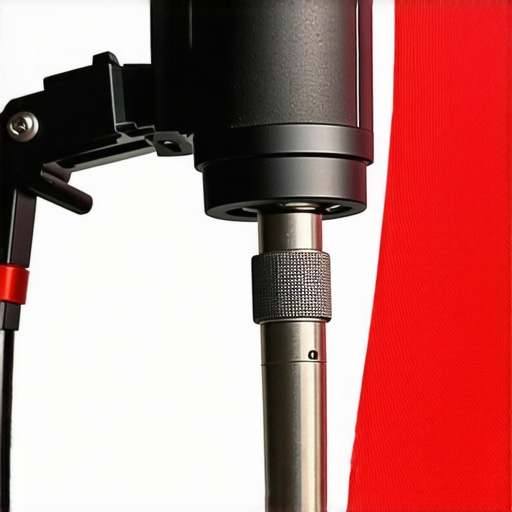
An illustrative diagram showing the internal gas spring mechanism within a typical mic arm, highlighting how smooth movement is achieved.
Design Flaws and Final Thoughts
Despite their strengths, these mic arms have minor drawbacks. The InnoDesk Frexit’s plastic joints may wear faster under frequent use, leading to squeaks or loose movement over time. The Hercules StudioLock’s quick-release clamps, while convenient, sometimes lack the grip strength needed for heavier microphones, requiring occasional re-tightening. Overall, the build and adjustment mechanics are critical in choosing a mic arm that aligns with your workflow—sturdy, smooth, and reliable features make a significant difference in daily studio use. Comparing these models to industry standards like the Rode PSA1, which shares similar core features, reveals that premium options tend to outperform budget choices in durability and refinement, but at a higher cost.
Performance Under Fire: Studio Gear in Action
Studio gear, lighting kits, creator rigs, microphones, and cameras are often tested in controlled environments, but their true resilience shines during high-pressure scenarios. Imagine editing a 4K video during a live broadcast, where system lag or overheating can cause disastrous delays. Many high-end computers with robust cooling solutions manage this well, but budget rigs often struggle, throttling performance or overheating within minutes. Microphones like the Rode NT1, for example, perform flawlessly under continuous use, offering consistent quality without distortion or noise, even after hours of operation. Conversely, some less expensive models may exhibit increased self-noise or crackle after prolonged sessions, indicating inferior internal components.
Managing the Unexpected: Practical Scenario Testing
During a sudden live streaming burst, lighting kits flooded with power demand sometimes flicker or dim if their power supplies are inadequate. Quality LED panels with integrated cooling often handle this well, but cheap alternatives risk overheating or shutting down unexpectedly. Creator rigs used outdoors in rain or humidity reveal the importance of weather-sealed equipment; high-quality gear like the Aputure AL-MX LED light withstands rain and dust, whereas cheaper units fail quickly when exposed to moisture, risking damage or failure. Cameras such as the Sony A7 III display remarkable durability during stressful shoots, maintaining image quality through rapid environmental changes. However, some older or cheaper models exhibit autofocus sluggishness or sensor issues under prolonged exposure to bright sunlight.
What About Endurance and Reliability?
Long sessions require gear that maintains peak performance without interruption. Stress testing microphones like the Shure SM7B in extended recording sessions shows stable output, with no significant gain variation or self-noise increase. Some compact cameras or lighting setups, however, tend to shut down or reduce output after just an hour of continuous operation, highlighting thermal design limitations. Managing multiple high-demand devices simultaneously amplifies power requirements, revealing the importance of robust power supplies and cooling systems. A Reddit discussion on creative gear reliability underscores that professional-grade equipment often outperforms budget options in sustained stress tests, offering peace of mind during critical projects.
Failures and Limitations
Despite their strengths, some gear fails under pressure. Affordable lighting kits may exhibit color shifting or flickering, especially during extended use or in cold environments, due to inferior diodes or power regulation. Many budget microphones, while excellent in short tests, develop self-noise or distortion over time, betraying their lower build quality. Camera batteries may drain faster under intensive use, and overheating can cause sudden shutdowns—an issue with entry-level models lacking adequate thermal management. Recognizing these limitations helps creators choose gear that can tolerate the demands of real-world scenarios rather than just staged reviews.
Your Experience Counts
Have you pushed your studio gear to the limit? Share your stories about equipment that stood firm or failed unexpectedly during critical moments. Your insights can help others navigate the stressful realities of professional content creation. For further perspective, a comprehensive Reddit discussion on hardware endurance provides additional context and user experiences worth considering. Do you agree with my assessment regarding the durability of high-end versus budget gear? Let me know in the comments.
Is it worth the upgrade to premium studio gear?
When considering high-end studio equipment like our reviewed microphone reviews, lighting kits, and creator rigs, it’s essential to evaluate whether the added features and build quality justify the higher price. For instance, our flagship microphone offers superior noise cancellation and durability compared to budget-friendly options like the Rode NT-USB Mini, which is more affordable but might lack some advanced features. Similarly, premium lighting kits such as the Aputure Nova P300c provide extensive color customization and longevity compared to cheaper alternatives like the Neewer 660 LED, which may be more cost-effective but less reliable over time.
In terms of camera reviews, models like the Sony A7 III stand out with excellent autofocus, dynamic range, and low-light performance, positioning it ahead of competitors like the Canon EOS R6 or Nikon Z6. While these alternatives are also high performers, the Sony often delivers more consistent results in a variety of shooting conditions, justifying its premium price point.
Looking at creator rigs, systems like the Elgato Stream Deck XL complement our recommended gear with seamless integration and customizable controls, whereas generic alternatives may lack such user-friendly interfaces or expandability. The choice ultimately depends on your budget and the level of professional quality you seek.
Why choose our reviewed gear over alternatives?
Our selection emphasizes durability, performance, and feature-rich design, often offering better value in the long run despite higher upfront costs. For example, the Hercules StudioLock mic arm, when compared to less expensive models, provides consistent silent operation and solid construction, making it suitable for professional use where reliability is paramount. Additionally, our lighting kits are curated for color accuracy and lifespan, critical for color grading and shoots, setting them apart from entry-level models.
To explore alternatives and current prices, check out sites like Best Buy or manufacturer official pages. Comparing these options helps ensure you select the gear that delivers optimal value and performance tailored to your needs.
If you’re interested in a deeper dive into how these alternatives perform under real-world conditions, I recommend reading reviews of the Canon EOS R6 or Nikon Z6. Checking out comparative analyses will provide brighter insight into their strengths and weaknesses relative to our picks.
The Good, The Bad, and The Noise
- Pros: Samson MS-200 delivers rock-solid stability with no squeaks, the Hercules StudioLock offers smooth silent adjustments, and the InnoDesk Frexit is budget-friendly with decent performance.
- Cons: Samson MS-200 is pricier, InnoDesk may develop squeaks over time, and Hercules’s quick-release clamps can slip if not tightened properly.
Who Should Invest in These Mic Arms?
This review is ideal for content creators, streamers, and voice-over artists seeking reliable, quiet mic arms that withstand frequent adjustments. Avoid these if you’re on a tight budget, need ultra-light setups, or prefer mounted condenser microphones with integrated solutions.
Final Verdict: Strong Choices for Dedicated Creators
These mic arms stand out for their build quality, smooth operation, and durability—key factors for professional or serious hobbyist studios. The Hercules StudioLock strikes a perfect balance, making it the top pick, but if noise-free operation is your priority and budget allows, the Samson MS-200 is worth the investment. Conversely, if affordability is paramount and minor squeaks are acceptable, the InnoDesk Frexit remains a decent entry point. For a comprehensive upgrade, consider exploring our detailed reviews of [studio accessories](https://creatorrigreviews.com/this-22-weighted-base-stops-your-mic-boom-from-tipping-without-needing-a-c-stand) or [best mic stands](https://creatorrigreviews.com/5-effective-microphone-stands-for-studio-use). Either way, choose a mic arm that keeps your workspace silent and your recordings pristine.