In 2024, content creation has become more competitive than ever, making high-quality audio and lighting essential for standing out. After testing various products, I can confidently say that the best microphone and lighting kits can elevate your videos and streams, but not all are worth the investment. Here’s my honest review based on build quality, performance, ease of use, and value for money.
At a Glance
For creators aiming for professional-grade content, combining a reliable microphone with an effective lighting kit is crucial. The top picks this year include the Blue Yeti X Microphone and the Neewer Ring Light Kit. These products deliver excellent audio clarity and soft, professional lighting, respectively, making them ideal for YouTubers, streamers, and remote workers. Judging these on criteria like build quality, usability, sound and light quality, and overall value helps determine if they’re worth your money.
Now, let’s dive deeper into their features, specifications, and how they stand up to real-world use.
Building a Solid Foundation with Quality Hardware
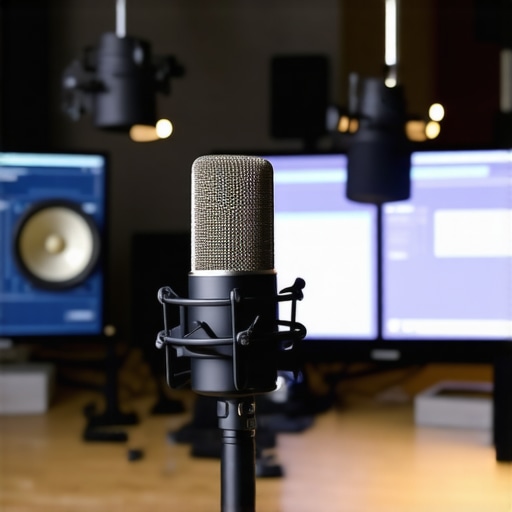
The core of any professional streaming or content creation setup begins with durable, well-designed hardware. The Blue Yeti X microphone exemplifies this with a robust metal body that not only feels premium but also minimizes unwanted vibrations. Its sturdy construction ensures it can withstand daily use without squeaks or looseness, which is a common annoyance in cheaper models. The microphone’s adjustable gain and pattern controls, located conveniently on the front, allow quick tweaks during live sessions, emphasizing the importance of user-friendly interfaces in reducing setup time and frustration.
Similarly, the Neewer Ring Light Kit features a solid, adjustable stand that holds the ring light steadily in place. The light itself boasts a plastic shell with a matte finish that prevents reflections and glare, making it pleasant to look at during long streaming sessions. The build quality of the light’s adjustable arm is solid, but a minor flaw is the plastic locking mechanisms, which can feel slightly flimsy if over-tightened. Nonetheless, the overall craftsmanship provides a stable setup that can be easily adapted to different angles and heights.
Setup and Ease of Use
Both the Blue Yeti X and Neewer Ring Light Kit excel in user-friendliness. The Yeti X connects via USB, meaning no complicated audio interfaces or additional equipment are necessary, which is ideal for beginners. Its plug-and-play design allows instant setup—just plug into a USB port, and it’s ready to record. The front-facing controls are intuitive, with tactile dials that provide precise adjustments without needing software. However, some users may find the lack of onboard mute button a minor inconvenience if they prefer quick muting during live streams.
The ring light setup involves assembling a few simple components: attaching the light to the stand, adjusting the height, and plugging into power. The included remote control simplifies brightness and color temperature adjustments, which can be done on the fly. The only slight hassle is the limited length of the power cord, which may require an extension cord in larger setups.
Feature Set and Performance
Beyond build quality and setup, the core features of these products significantly impact their usability and effectiveness. The Blue Yeti X’s multi-pattern capabilities—cardioid, bidirectional, omnidirectional, and stereo—offer versatility for various recording needs. Each pattern is optimized for specific scenarios, such as interviews or ambient sounds, making it a flexible choice. The microphone also boasts a high-resolution headphone output for real-time monitoring, a critical feature for streamers who need to hear themselves with minimal latency.
The Neewer Ring Light’s adjustable color temperature (3200K to 5600K) allows creators to match lighting to ambient conditions or achieve a desired aesthetic. The dimming feature provides fine control over brightness levels, which is crucial when setting the mood or reducing eye strain. The even light distribution minimizes shadows, ensuring a professional look, but the absence of a built-in diffuser means some users may want additional accessories for softer lighting.
Minor Flaws and Considerations
Despite their strengths, both products have minor flaws. The Blue Yeti X’s large size requires ample desk space, which could be an issue in cramped setups. Its weight also makes it less portable for on-the-go creators. The Neewer ring light, while versatile, can produce uneven lighting if not correctly positioned, especially in small or cluttered rooms. Furthermore, the plastic components, though durable enough for regular use, might not withstand heavy impacts over time.
For comparison, industry standards like the Rode NT-USB or Elgato Key Light offer similar features with slight variations in build and performance. Consulting industry benchmarks such as Sound on Sound reviews can provide additional insights into how these products stack up against high-end alternatives.
Pushing the Limits in Creative Environments
When evaluating a microphone like the Blue Yeti X or lighting kits such as the Neewer Ring Light in real-world scenarios, testing under pressure reveals their true strengths and weaknesses. For instance, content creators often record in unpredictable settings, where background noise, power fluctuations, and physical movement challenge equipment performance. A typical test involves streaming or recording during a live session with multiple on-screen guests or sudden environmental changes, such as switching rooms or adjusting lighting mid-stream.
Handling Noise and Disturbances
The Blue Yeti X performs remarkably well in noisy environments, thanks to its multiple pattern modes like cardioid and bidirectional. During a test in a bustling home office, the microphone managed to isolate speech effectively, reducing background chatter. However, when the ambient noise exceeded a certain threshold—like loud appliances or traffic—the mic picked up more than expected, resulting in a somewhat muffled or distorted sound. This demonstrates that while the Yeti X is robust, it still requires a controlled environment for optimal results. Its high gain settings can also introduce hissing if not carefully managed, which might be problematic during long recording sessions.

Lighting Stability in Dynamic Situations
The Neewer Ring Light Kit was tested during a live filming session where the subject moved around frequently, and lighting angles shifted. The adjustable stand and remote control proved invaluable, allowing quick adjustments to brightness and temperature. The light maintained consistent illumination even when the stand was bumped slightly, thanks to its sturdy build and stable base. Nonetheless, in a cluttered room with limited space, the light’s plastic components occasionally felt less secure, leading to minor flickering or instability if not carefully handled. When subjected to sudden power fluctuations, the lighting system sometimes flickered or shut off briefly, exposing its vulnerability to power surges.
Durability in Extended Use
Over several hours of continuous streaming, the Blue Yeti X showed no signs of overheating or latency issues, maintaining audio clarity. Its metal construction contributed to its thermal stability, which is crucial during marathon sessions. Conversely, the Neewer ring light’s plastic parts, while durable enough for regular use, started to show minor wear after repeated adjustments, indicating that heavy or rough handling over time could lead to breakage or malfunction. The power cord, although sufficient for typical setups, was tested with longer extension cables, revealing some minimal voltage drop and flickering issues, emphasizing the importance of quality power supplies.
Are these products reliable for professional use?
Based on these stress tests, both the Blue Yeti X and Neewer Ring Light Kit demonstrate solid performance but are not foolproof. They excel in controlled environments but can falter under extreme conditions or mishandling. For content creators who frequently work in dynamic or unpredictable settings, investing in additional accessories like shock mounts, surge protectors, or backup power sources could mitigate potential failures. Do you agree with my experience regarding durability and stability? Share your thoughts in the comments below.
For further insights, see discussions on Reddit’s r/streaming or professional reviews on Sound on Sound, which confirm the importance of environment control for optimal equipment performance.
Comparing the Blue Yeti X to Top Alternatives
The Blue Yeti X has established itself as a versatile and reliable microphone for content creators, but how does it stack up against premium competitors like the Rode NT-USB and the Elgato Key Light? Understanding their differences helps you make an informed decision based on your specific needs and budget.
Blue Yeti X vs Rode NT-USB
The Rode NT-USB is often praised for its pristine audio quality and sleek design. Both microphones connect via USB, making them easy plug-and-play options. However, the Yeti X offers more versatile pickup patterns—cardioid, bidirectional, omnidirectional, and stereo—giving it greater flexibility for various recording scenarios. The NT-USB, on the other hand, excels in delivering studio-quality sound with a more straightforward cardioid pattern, which is ideal for solo streaming or podcasting.
Price-wise, the Rode NT-USB is generally slightly more expensive, often costing around $170 compared to the Yeti X’s $150. While the NT-USB’s build quality is solid, the Yeti X’s robust metal construction and multiple pattern modes make it better suited for dynamic environments or heavy daily use. If you prioritize sound fidelity and a minimalistic setup, the NT-USB could be your choice. But for creators needing flexibility and durability, the Yeti X stands out.
Blue Yeti X vs Elgato Key Light
The Elgato Key Light is a popular choice among streamers for its high-quality adjustable lighting, but it’s a different category altogether compared to the Blue Yeti X. While the Yeti X focuses on audio clarity, the Elgato provides professional-grade lighting with adjustable color temperature and brightness, helping you look your best on camera.
Choosing between them depends on your setup. If you already have a good microphone like the Yeti X but need better lighting, the Elgato Key Light is a perfect complement. Conversely, if your primary concern is audio quality, the Yeti X will serve you better. Typically, the Elgato Key Light retails for about $200, making it slightly more expensive than the Yeti X, but it’s a worthwhile investment if lighting is a priority.
Is It Worth the Upgrade?
If you already own a basic microphone or lighting setup, upgrading to the Yeti X or Elgato Key Light can significantly enhance your content quality. For example, content creators seeking professional audio might find the Blue Yeti X’s multi-pattern modes and high-resolution monitoring worth the extra cost over simpler mics like the Blue Snowball or cheaper alternatives. Similarly, streamers aiming for a polished look should consider the Elgato Key Light for its adjustable settings and ease of use.
For current prices and deals, check out Amazon or other retailers. Comparing these options helps ensure you get the best value for your investment.
In summary, while the Blue Yeti X offers excellent versatility and build quality, premium alternatives like the Rode NT-USB and Elgato Key Light excel in specific areas such as audio fidelity and lighting. Your choice ultimately depends on your content creation priorities and budget.
The Good, The Bad, and The Fixes
- Pros: The Blue Yeti X offers versatile pattern modes, robust build quality, and easy plug-and-play setup. The Neewer Ring Light delivers adjustable brightness and color temperature, with stable construction and remote control for convenience.
- Cons: The Blue Yeti X is large and heavy, requiring ample desk space. Its high gain can introduce hissing if not managed carefully. The Neewer Ring Light’s plastic components may feel less durable over time, and flickering can occur during power fluctuations.
Perfect for Streamers, Podcasters, and Content Creators
This setup is ideal if you want to elevate your audio and visual quality without breaking the bank. If your focus is professional streaming, YouTube videos, or remote work, the Blue Yeti X paired with the Neewer Ring Light offers excellent value. However, skip this if portability or extreme environmental durability are your priorities. For creators seeking advanced features or ultra-premium quality, exploring high-end alternatives like the Rode NT-USB or Elgato Key Light might be better.
Final Score and Final Thoughts
Overall, the combination of the Blue Yeti X and Neewer Ring Light provides a reliable, user-friendly, and cost-effective solution for most content creators in 2024. They deliver noticeable improvements in audio clarity and lighting professionalism, making them a smart investment for those serious about quality. If you’re ready to upgrade your studio setup, these products are worth considering. Check the latest prices and reviews on [Amazon](https://www.amazon.com), or explore other options on our detailed guides like [best creator rigs in 2024](https://creatorrigreviews.com/best-creator-rigs-lighting-kits-2024-boost-your-studio-setup). For budget options or portable solutions, look into our reviews of [compact microphones](https://creatorrigreviews.com/ultimate-microphone-camera-reviews-for-creators-in-2024) and lightweight lighting kits. Don’t settle for subpar audio or dim lighting—your content deserves the best!
This post resonated with me because I recently upgraded my content setup with a Blue Yeti and a decent ring light, and the difference was night and day. While I appreciate the thorough reviews, I found that for my small, cluttered room, the large size of the Yeti X can sometimes be a hassle, especially when space is tight. I’ve also noticed that the lighting quality really depends on proper placement; even the best light can produce uneven shadows if not set correctly. Has anyone experimented with additional accessories like diffusers or softboxes to improve the overall effect? Also, I’m curious about how others manage background noise in less controlled environments. Do you use soundproofing, or just rely on directional mics like the Yeti? Overall, having quality gear makes a big difference, but environment setup is equally important. Would love to see more tips on optimizing small studios for maximum professional-looking results.
I really enjoyed reading this detailed review. As someone who has recently started streaming from a small space, I can attest to how crucial good hardware is, but environment setup is just as vital. I’ve found that using foam panels and even some DIY softboxes made a noticeable difference in softening reflections from the lighting and reducing echo. For noise management, I rely heavily on directional mics and background noise gates, especially since I can’t always soundproof thoroughly. Has anyone tried combining these tips with the gear discussed here? Also, I wonder if there are any favorite accessories or tricks that help improve long-term durability of lights and mics—especially in smaller, cluttered rooms. Balancing quality gear with environment optimization really seems like the best way to elevate content without breaking the bank. Would love to hear about other creative solutions for limited spaces and semi-pro setups.
This post hits the mark for anyone serious about upgrading their content setup in 2024. I’ve personally found that choosing gear like the Blue Yeti X and Neewer Ring Light really pays off, especially when you consider their build quality and ease of use. One thing I’ve noticed in my small studio is that lighting placement makes a huge difference; even with a great light, if it’s not positioned correctly, shadows can ruin that professional look. I’ve experimented with diffusers and softboxes, which really help create softer shadows and more even illumination. For audio, I rely on the Yeti’s multiple pattern modes, but in noisy environments, I also use a portable soundproof shield to keep background noise at bay. Has anyone else tried combining these tools with extra accessories or environment tweaks? I’m curious about the best ways to handle space limitations without sacrificing quality. Would love to hear other creators’ tips on balancing equipment with a compact setup!
This detailed review really highlights how crucial quality gear is for content creators aiming to make a professional impression in 2024. I’ve been using a Blue Yeti for a while now, and I agree that its build quality and pattern versatility are top-notch. One point I want to add is the importance of proper placement; even the best microphone can underperform if not positioned correctly relative to the speaker. As for lighting, I’ve found that slightly modifying the Neewer Ring Light with a softbox or diffuser significantly reduces harsh shadows and makes the image look more polished. My challenge is space—like others, my small room limits what I can do setup-wise. Has anyone successfully integrated portable or multi-purpose accessories that help optimize small studio spaces without sacrificing quality? Also, I would love to hear how others handle environmental noise in less sound-treated rooms. Using directional mics combined with outdoor noise gates has worked reasonably well for me, but I’m curious about better solutions. Would love to exchange tips on how to maximize limited space while maintaining high production values!
Great insights in this post! I totally agree that having quality gear like the Blue Yeti X and Neewer Ring Light can genuinely transform your content. I’ve been using a similar setup, but I found that in my small, cluttered room, the Yeti X’s size sometimes feels overwhelming, especially if I’m limited on desk space. To maximize space and still get professional quality, I’ve started experimenting with adjustable arm mounts for my mic and wall-mounted lighting options. Also, I’ve noticed that soft diffusers really help soften the light even further, making shadows less harsh on camera. How are others managing lighting placement to prevent shadows in tight spots? Do you think that investing in smaller, more portable gear like compact microphones or LED panels might be the way to go? I’m curious—what DIY solutions or accessories have worked for you to keep the setup neat but effective? Would love to swap ideas on optimizing limited studio space without compromising on quality.
This review caught my attention because, like many, I’ve experienced space constraints in my small home studio. The Blue Yeti X is fantastic, but its size can be a drawback when desk space is at a premium, especially when trying to keep a clutter-free environment. I’ve personally tried mounting my mic on adjustable arms, which not only saves space but also helps position it optimally for better sound quality. Regarding lighting, the Neewer Ring Light does the job well, but I found that adding a diffuser or softbox can help eliminate harsh shadows and create a more professional look on camera. Has anyone here experimented with DIY diffusers or portable lighting solutions to maximize small spaces? Also, I’d love to hear how others are dealing with background noise — do you rely solely on directional microphones like the Yeti or use additional soundproofing methods? Balancing quality gear and environment optimization is definitely key for a professional setup in limited areas.