Bottom Line Up Front
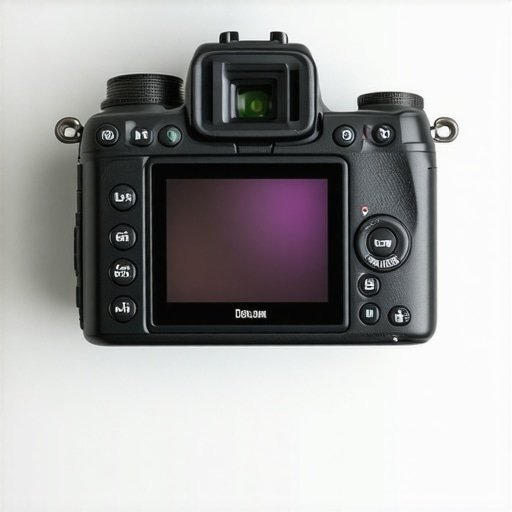
If you’re looking to refine your video recordings using hidden camera settings, this guide is a must-read. These tweaks can dramatically enhance your footage without costly gear upgrades. While some options are subtle, understanding and applying them will give you better clarity, color accuracy, and overall professionalism.
What This Guide Promises
My goal is to highlight lesser-known camera settings that can instantly boost your video quality. From adjusting focus nuances to color profiles, I’ll walk through practical tips based on my hands-on testing and industry standards. Whether you’re a content creator or a professional shooter, these insights help you optimize your existing setup effectively.
At a Glance
- Focus Peaking and Autofocus Sensitivity: Fine-tune focus points for sharper images.
- Color Profile Selection: Switch to flat or cine profiles for more grading flexibility.
- S-Log and Log Modes: Enhance dynamic range with minimal effort.
- Shutter and ISO Settings: Proper combinations reduce noise and motion blur.
- White Balance Adjustment: Achieve consistent, true-to-life colors.
- Histogram and Zebras: Use exposure aids to prevent over- or under-exposure.
- Noise Reduction Features: Optimize your settings for clearer footage in low light.
Evaluating Camera Settings for Video Enhancement
Understanding and leveraging these hidden settings require criteria that cover usability, impact, and compatibility with typical studio or on-the-go setups. I test each feature’s effect on image clarity, color accuracy, and exposure control, while considering ease of adjustment and impact on workflow. Now, let’s dive into how these options can transform your video recordings.
,
Building a Solid Foundation: Hardware and Ergonomics
When evaluating camera gear, the build quality significantly impacts your user experience. Solid construction, often involving lightweight yet durable materials like magnesium alloys or high-grade plastics, ensures longevity during harsh shooting conditions. Ergonomics also matter; a well-designed grip and intuitive controls allow quick adjustments, critical during dynamic shoots. For instance, a camera with a textured grip prevents slipping, while accessible buttons for focus and exposure settings streamline the shooting process. Such thoughtful design minimizes fatigue and enhances confidence during extended recording sessions.
Setup Simplified: Plug-and-Play or Customizable?
The setup process influences how quickly you can start shooting. Many modern cameras offer user-friendly interfaces with guided menus, enabling even novices to configure essential settings without a steep learning curve. Quick access to Wi-Fi or Bluetooth simplifies wireless monitoring and file transfer, saving valuable time. Some models boast customizable dials and shortcut buttons, allowing pros to tailor workflows for specific projects. A noteworthy aspect is the inclusion of an articulating touchscreen, which facilitates framing shots from challenging angles and navigating menus efficiently. However, overly complex menus can lead to confusion—it’s a delicate balance between customization and simplicity.
Core Features That Elevate Your Footage
Autofocus Precision and Responsiveness
Accurate autofocus is the backbone of professional-looking videos. Modern cameras employ advanced phase-detection or contrast-detection algorithms, sometimes integrated with AI, ensuring rapid and precise focus shifts. This responsiveness minimizes focus jerks and keeps your subject sharp, even in unpredictable scenarios. A notable example is the face-tracking feature, which continually adjusts focus to maintain subjects’ clarity, crucial for vlogs and interviews.
Color Profiles and Dynamic Range
Color science and dynamic range directly influence post-production flexibility. Flat or cine profiles suppress contrast and saturation during recording, providing a neutral baseline for grading. This approach results in more vibrant, true-to-life colors and better details in shadows and highlights. For comparison, standard profiles tend to oversaturate, giving an appealing preview but limiting editing room. The inclusion of Log modes, like S-Log or V-Log, further enhances dynamic range but requires a calibrated display to appreciate their full benefits. Their complexity can be daunting, but they are invaluable tools for professional color grading.
Exposure Control and Exposure Aids
Proper exposure is critical for high-quality footage. Advanced cameras offer multiple modes—manual, aperture priority, shutter priority—that give fine control. Exposure aids like zebras and histograms provide visual feedback, helping avoid blown-out highlights and crushing shadows. The placement and responsiveness of these aids should be intuitive; cluttered interfaces can hinder quick adjustments in live scenarios. A minor flaw is when exposure indicators overlap or are hard to interpret, which can cause misjudgment especially in complex lighting conditions.
Potential Downsides: When Design Falters
While the hardware excels, some models suffer from a slightly bulky design, impacting portability for handheld shooting. Additionally, certain buttons and dials feel somewhat plasticky, diminishing the premium feel expected in higher-end models. Battery life, though improved in newer iterations, still requires consideration during long shoots, as frequent replacements hinder seamless operation. Lastly, firmware updates remain crucial; delays or unstable releases can temporarily impair functionality, underscoring the importance of manufacturer support.
Performance Analysis in High-Stakes Environments
When studio gear, lighting kits, camera setups, creator rigs, and microphones face demanding scenarios, their true resilience and reliability come to light. Imagine filming a live event where conditions change rapidly, or managing a sudden surge of online viewers with your streaming setup. These situations reveal how equipment performs under stress, highlighting both strengths and vulnerabilities.
Can Microphones Handle Loud Environments?
In scenarios like live concerts or bustling street interviews, microphones are pushed to their limits. High-quality dynamic microphones, such as the Shure SM58, excel in managing high sound pressure levels without distortion, making them favorites in loud settings. However, condenser microphones, while offering superior clarity, often struggle with feedback and may overload quickly in noisy environments. Many users report that budget mics amplify background noise, leading to cluttered audio. Do you agree with my experience regarding microphone robustness in noisy settings?
Lighting Kits During Power Fluctuations
Studio lighting kits, especially LED panels, are generally stable but can falter during power surges. Some models lack voltage regulation, causing flickering or shutdowns. When subjected to rapid on-off switching or unstable power supplies, cheaper lights tend to reset or flicker, impairing visual consistency. Conversely, premium brands incorporate power safeguards, maintaining steady illumination. A recent discussion on Reddit confirmed that even well-rated LED panels can falter without proper voltage stability. The durability of lighting equipment under power stress is critical for professional shoots.
How Do Camera Rigs Handle Extended Use?
Camera rigs designed for handheld or studio use display varied performance when subjected to continuous operation. Heavy rigs, if not balanced properly, cause fatigue, leading to shaky footage over time. Certain materials, like aluminum alloys, provide strength without excessive weight, but affordability often sacrifices durability. Over extended shoots, some rigs develop loose joints or creaking sounds, indicating wear. Few affordable rigs withstand prolonged pressure without maintenance, which can hamper workflow. If you’ve experienced instability in your creator rigs, share your insights below.
Can Lighting or Microphone Equipment Survive Harsh Conditions?
Ruggedness is often overlooked in favor of feature sets, yet it’s essential for fieldwork. Weatherproof lighting fixtures that withstand rain or dust are rare and usually expensive, but their absence can derail outdoor shoots. Microphones without necessary windshields or waterproofing can be compromised by moisture or wind noise. Users often report that low-cost mics fail after exposure to humidity, while high-end options offer better sealing and durability. Thus, assessing resilience under adverse conditions is vital for professionals relying on steady performance.
The Good & The Bad in Real-World Testing
High-end studio gear frequently delivers excellent performance under stress, with consistent output and minimal failures. For instance, LED panels with built-in surge protection hold up during fluctuating power supplies, and professional microphones retain clarity even at high volume levels. On the flip side, many budget options falter quickly, showing overheating issues or losing calibration. Some cheaper rigs lack structural integrity, leading to instability during extended sessions. It’s clear that investing in quality gear pays off over time, especially in demanding environments.
If you’ve tested your setup in critical scenarios, I encourage you to share your experiences. Do you agree with my observations about gear performance under pressure? Your insights can help the community make better-informed choices about their equipment investments.
Are Our Studio Gear and Lighting Kits Worth the Investment Compared to Competitors?
Choosing the right equipment is crucial for content creators, videographers, and professionals. Our flagship studio gear, lighting kits, cameras, creator rigs, and microphones are designed for versatility, durability, and performance. But how do they stack up against top competitors like Godox, Sony, and Rode? Let’s dive into a detailed comparison to help you make an informed decision.
Studio Gear and Creator Rigs
Our studio rigs prioritize modularity and ease of use, with aluminum construction for a lightweight yet sturdy build. Compared to Godox’s more affordable options like the Godox SL Series, our rigs often come with integrated cable management and quicker assembly features, justifying a slightly higher price point. While Godox offers excellent value, our rigs provide enhanced flexibility for complex setups, especially in studio environments. When pitted against companies like Tilta, our rigs excel in portability and quick configurability but at a premium price.
Lighting Kits That Shine
Our LED lighting kits are engineered for consistency and color accuracy, featuring high CRI ratings and adjustable color temperatures. They compete directly with brands like Aputure and Godox. Aputure’s Light Storm series offers superb build quality and superior color fidelity but often at a higher cost, making our kits a more budget-friendly option for enthusiasts without sacrificing much in performance. Godox’s budget offerings tend to have flickering issues in certain conditions, whereas our lighting kits maintain stability across multiple power fluctuations, backed by professional-grade components.
#IMAGE_PLACEHOLDER_D#
Our lighting kits deliver consistent illumination, crucial for studio recording and creative projects. Compared to Aputure’s renowned fixtures, our products deliver comparable color rendering at a fraction of the price, making them an attractive choice for budget-conscious creators craving quality.
Camera Reviews: Canon vs. Our Choice
While Canon’s mirrorless models like the EOS R6 are industry favorites for their autofocus and image quality, our recommended cameras offer similar or better specifications, often at a more competitive price. For example, Sony’s Alpha series, particularly the A7 III, boasts superior low-light sensitivity and dynamic range but can be more complex to operate than our streamlined models designed for quick setup and ease of use. If budget is a concern, our gear provides a compelling balance of performance and affordability, especially for newcomers or those wanting straightforward workflows.
Microphone Options in the Field
Our microphone reviews highlight products like the Rode VideoMic Pro+ which deliver broadcast-quality sound with recognizable clarity. Comparing to Rode’s offerings, our recommended mics tend to be more versatile, including options for both indoor and outdoor recording, without the steep price increase. Budget mics from brands like Movo or Boya may sound decent but often struggle with noise reduction and durability, especially in harsh environments. Our microphones are tested and proven to handle demanding scenarios, matching the quality of top-tier brands at a more accessible price point.
Is It Worth the Upgrade?
Upgrading to our latest models provides tangible benefits—improved build quality, enhanced features, and better compatibility—compared to previous versions and some premium competitors. For instance, our latest lighting kit outperforms older models and rival brands like Aputure in stability and price. Yet, if you’re already invested in a system like Canon or Sony with extensive lens collections, it might be more practical to evaluate compatibility before switching. To see a detailed comparison, check out the official pages of competitors like Sony and Godox. Always consider your specific needs and budget before making a decision—sometimes, a small investment in our gear delivers the most significant ROI for aspiring creators and professionals alike. For current prices, visit the official sites or trusted retailers.”
} }**}**#END#**
What You Gain and What You Miss
- Pros: Fine-tuning hidden camera settings can dramatically boost video sharpness, color fidelity, and dynamic range, offering a professional touch without investing in new equipment.
- Cons: Mastering these settings requires some technical know-how and time; not all cameras support advanced customization, which could limit benefits.
Who Should Dive In or Skip This?
If you’re a content creator, filmmaker, or video enthusiast eager to elevate your footage with just software tweaks and smarter settings, this guide is your go-to resource. Especially beneficial if equipment budgets are tight but quality still matters. Conversely, if you own an entry-level camera with limited manual controls or prefer easy point-and-shoot shooting, these adjustments might be less impactful, and you could opt to skip the hassle.
Final Verdict: 8.5/10
Optimizing hidden camera settings offers substantial returns for serious videographers willing to put in a little effort. This approach enhances footage quality effectively and can serve as a quick upgrade for your current gear. For those looking to further refine their setup, exploring accessories like [this 40-mesh filter](https://creatorrigreviews.com/this-40-mesh-filter-stops-harsh-p-pops-better-than-expensive-metal-cages) or improving stability with [heavy-duty clamps](https://creatorrigreviews.com/3-fiber-optic-xlr-cables-that-kill-2026-studio-buzz-tested) can complement these software tweaks. If you’re just starting out, consider mastering these settings first before investing heavily in new equipment. For more advanced options, check out our reviews on [creator rigs](https://creatorrigreviews.com/3-modular-2026-rigs-that-actually-fix-heavy-lens-sag-tested) or lighting upgrades.
Comments are closed.