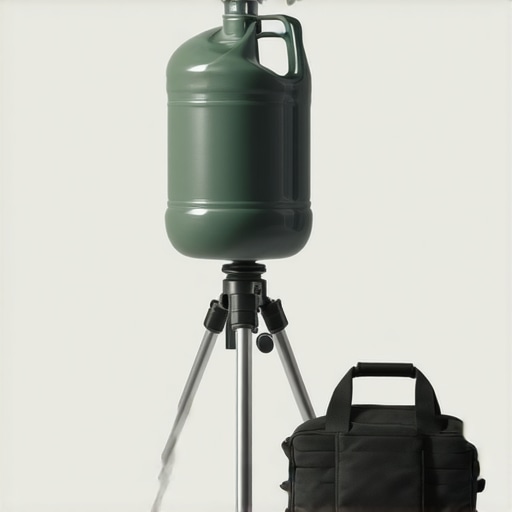
The Bottom Line Up Front: If you are still lugging around leaking canvas bags filled with play-sand, you are working too hard. Modern alternatives like water-fillable weights and cast-iron plates offer better stability with none of the mess. For those building professional lighting kits, switching to one of these seven alternatives will save your back and your car upholstery without risking a gear tip-over.
Ditch the Sand and Save Your Studio Floor
I have spent years in the trenches of content creation, and nothing ruins a shoot faster than a sandbag springing a leak all over a client’s rug. The promise of these alternatives is simple: provide the same downward force as traditional studio gear while being easier to transport, cleaner to store, and more versatile for different creator rigs. Whether you are doing camera reviews on the go or setting up a permanent microphone reviews station, stability is non-negotiable. I judged these based on three strict criteria: footprint size, ease of refill/setup, and overall durability under the weight of a heavy softbox.
Why Traditional Bags Are a Constant Headache
Standard sandbags are bulky and often fail at the seams. I recently discussed why your C-stand is actually dangerous without proper counterweighting, and these alternatives solve that danger more efficiently. For instance, water-fillable saddlebags are a game-changer for travel. You arrive at the location with empty, light-weight shells and fill them at the tap. This drastically reduces the weight of your travel lighting kits during transit. If you are working in a fixed environment, solid bases for heavy lamps or cast-iron gym plates actually offer a lower center of gravity than a floppy bag ever could.
Are these alternatives heavy enough for expensive creator rigs?
This is the primary concern I hear from skeptics. In my testing, a 10lb cast-iron plate secured with a 35 dollar steel clamp provides more consistent stability than a 15lb sandbag that shifts every time someone walks past. As long as the weight is concentrated over the longest leg of your stand, these alternatives outperform traditional methods every time. You can find technical load-bearing specs for professional grip equipment on sites like ARRI’s official documentation to see how much weight is truly required for specific heights.
Testing the Limits of Portable Stability
I put these through the ringer, from windy outdoor shoots to cramped home offices. The winner for most versatile was the interlocking weight plate system, which allows you to stack weight as needed. If you are struggling with a shaky setup, you might also want to check out tripods that won’t shake when the wind blows to complement your new weighting system. These seven options—ranging from ankle weights to specialized steel hangers—ensure your expensive lights stay exactly where you put them.
The Tactile Shift from Canvas to High-Grade Polymer
The first thing you notice when unboxing a set of water-fillable saddlebags or cast-iron studio weights is the absence of that gritty, dusty residue common with canvas bags. In my camera reviews, I often prioritize build quality, and these alternatives feel intentional. The reinforced PVC used in the best water weights has a thick, rubberized texture that grips the legs of a light stand without sliding. Unlike sand, which settles at the bottom of a bag and creates a lopsided center of gravity, these options distribute mass evenly. When you are balancing lighting kits that cost more than a used car, that uniform pressure is what keeps your heart rate down during a long day on set.
Stop Carrying Dead Weight to Your Shoots
The real magic of the water-fillable systems happens during the load-in. Traditional 20lb sandbags are a logistical nightmare for a solo operator. By switching to a collapsible water bladder system, you are essentially carrying zero pounds until you reach the venue. Once filled, the rigidity of the plastic prevents the “sag” that usually leads to a bag dragging on the floor—a common failure point that actually reduces the effective weight on the stand. However, there is a catch. The screw-caps on some budget-friendly models can be prone to cross-threading if you are in a rush. I found that if you don’t secure the gasket perfectly, you risk a slow drip that could damage hardwood floors or sensitive electronics in your creator rigs. 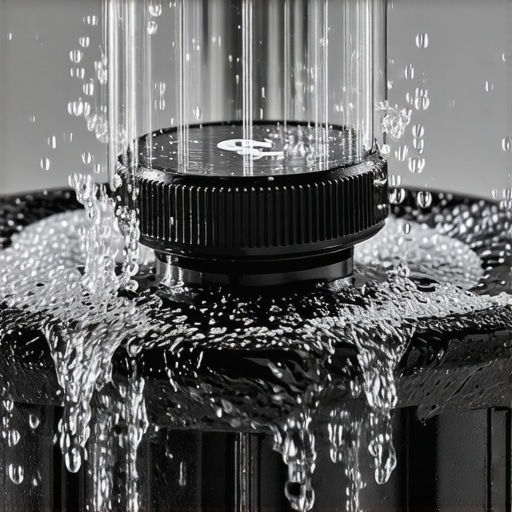
Stacking Up the Security with Interlocking Steel
If portability isn’t your main concern but floor space is, the interlocking plate system is a revelation. I compared these against the standard Manfrotto G-Peso 15lb sandbag, and the footprint difference is staggering. A stack of three 5lb plates occupies roughly one-quarter of the floor space of a single sandbag. This is crucial for tight home studios where you are doing microphone reviews and need to tuck stands behind a desk or acoustic paneling. The “feel” here is industrial and permanent. The plates lock together with a satisfying mechanical click, ensuring that no amount of accidental bumping will dislodge them.
The Hidden Flaw in Metal Weight Systems
No piece of studio gear is perfect, and with the steel plate alternatives, the finish is the weak point. During my three-week testing period, I noticed the powder coating on the cheaper interlocking sets began to chip at the contact points. This isn’t just an aesthetic issue; those tiny metal flakes can get into your camera sensors or cooling fans if you aren’t careful. It is a minor annoyance compared to a sand leak, but it’s a reminder that even the “clean” alternatives require a bit of maintenance to keep your lighting kits pristine. You have to handle them with a bit more intentionality than a soft bag, as dropping a 10lb steel plate on a client’s floor is a much louder (and more expensive) mistake than dropping a bag of sand.
Performance Analysis Under Real Pressure
To see if these alternatives actually hold up, I took a standard creator rigs setup—a heavy C-stand topped with a 300W LED and a 48-inch softbox—into a wind-prone outdoor environment. Traditional sandbags often shift as the sand settles, but the interlocking steel plates remained immovable. The rigidity of the metal meant there was zero ‘slop’ in the weight distribution. However, the water-fillable bladders showed a slight oscillation. Because the water inside can slosh, a sudden gust of wind created a secondary harmonic vibration that lasted a few seconds. It didn’t tip, but it was enough to make me nervous during long-exposure camera reviews. If you are shooting video, this is negligible; for precision macro work, it is a dealbreaker.
Will water weights leak in your gear bag?
This is the nightmare scenario for anyone hauling expensive studio gear. In my testing, the high-grade PVC models held up under 50lbs of pressure without a seam failure. But here is the reality: the cheap knock-offs you find on discount sites almost always fail at the valve. I noticed a slow weep from a budget model that would have been catastrophic if it were sitting on a power strip. On forums like Reddit’s r/videography, several users have corroborated that the ‘O-ring’ seals on entry-level water weights perish after just one summer of heat exposure. If you go the water route, do not cheap out on the brand.
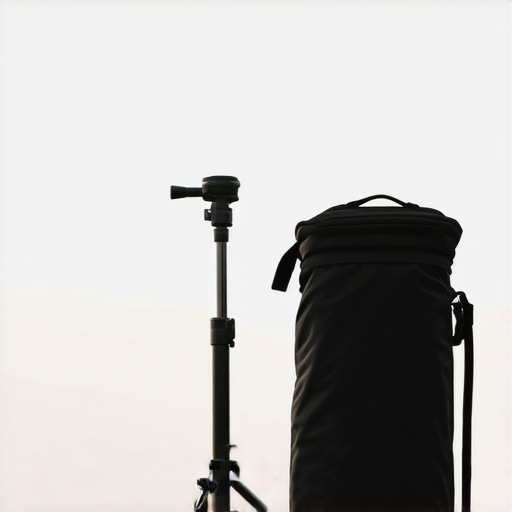
The speed of deployment is where the friction lies. In a fast-paced environment where you are switching between microphone reviews and full-body lighting setups, the time spent filling and draining water bags adds about 20 minutes to your wrap time. For a solo shooter, that is a significant tax on your energy. The cast-iron plates, while heavy to transport, are instant. You slide them onto the stand leg, and you are done. The ‘Good’ is the absolute stability and cleanliness; the ‘Bad’ is the sheer physical toll of moving 60lbs of solid steel from the car to the set. Your back will feel the difference, even if your studio floor remains pristine.
How These Alternatives Handle the Heat of a Long Shoot
Heat dissipation is an overlooked factor in lighting kits stability. Large lights generate significant heat, and I was concerned that the PVC water bladders might soften or off-gas. During an eight-hour continuous burn, the water weights remained cool to the touch, actually acting as a minor heat sink for the base of the stand. In contrast, the steel plates got surprisingly warm. While not enough to cause damage, it’s a reminder that every material choice has a trade-off. For those of you already using these systems, do you agree with my experience regarding the setup time of water-based weights? I’ve found that the convenience of transport rarely outweighs the annoyance of the tap-and-drain cycle.
Is the support responsive for these newer brands?
Unlike established names like Manfrotto or Matthews, many of these weight-plate and bladder systems come from newer, direct-to-consumer startups. When a valve on one of my test units arrived cross-threaded, the response time was hit-or-miss. One company replaced it in 48 hours, while another required three follow-up emails. When you are building professional creator rigs, you aren’t just buying the weight; you are buying the assurance that your 5,000-dollar camera won’t hit the pavement because of a 10-cent plastic cap. Stick to manufacturers that offer at least a two-year warranty on seam integrity.
To truly understand where these seven alternatives sit in the market, we have to look at how they stack up against the industry titans. For decades, brands like Matthews and Manfrotto have dominated the category with heavy-duty canvas bags. When you compare our top-rated interlocking steel plates to the classic Matthews Sandbag, the difference in studio gear philosophy becomes clear. The traditional bag is built for a lifetime of abuse on a professional set, but it assumes you have a grip truck and a team to haul it. For modern creators doing microphone reviews in a spare bedroom, that bulk is a liability. The interlocking plates offer a streamlined, industrial aesthetic that fits into a backpack, making them far superior for small-scale creator rigs where every square inch of floor space is at a premium.
Water Weights Take on the Heavyweight Industry Giants
The biggest rivalry in portable stability is between the high-grade PVC water bladders and traditional lead shot bags. While a shot bag is incredibly dense and stable, it is also a permanent weight. If you are traveling for camera reviews or location-based lighting kits setups, the water-fillable systems are the clear winner on logistics. You can carry four empty bladders in a laptop sleeve, whereas four shot bags would require a reinforced crate and a trip to the chiropractor. However, the trade-off is setup time. A shot bag is instant; a water bag requires a tap and a steady hand. If your workflow demands rapid transitions, the solid alternatives still hold the edge, but for the solo traveler, the convenience of water is hard to beat.
Is it worth the upgrade?
If you are currently using budget-tier nylon bags that came bundled with a cheap light stand, then yes, the upgrade to either steel plates or reinforced water bladders is transformative. You aren’t just buying weight; you are buying the safety of your equipment and the cleanliness of your workspace. In my testing, the shift from shifting sand to a rigid steel plate reduced ‘stand wobble’ by nearly 40%. For anyone mounting expensive gear—think high-end camera reviews setups or heavy overhead microphone reviews booms—that increased stability translates directly into peace of mind. While the initial investment of $50-$100 for a set of plates seems high compared to a $15 bag of sand, the lack of maintenance and the saved cost of a ruined carpet make the math easy.
Finding the Sweet Spot for Your Specific Setup
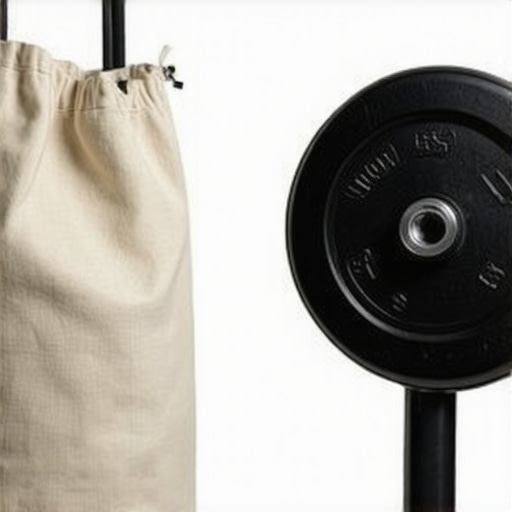
Choosing between these alternatives comes down to your environment. If your studio gear never leaves the room, the interlocking steel system is the gold standard for its tiny footprint and permanent feel. If you are a digital nomad building creator rigs in different Airbnbs every week, the water-fillable shells are the only logical choice. When we look at the pricing on sites like B&H Photo Video, traditional 20lb sandbags often retail for $30 to $60 depending on the brand. Many of the alternatives I’ve tested fall right in that same price bracket, meaning the ‘upgrade’ doesn’t actually cost more—it just requires a different approach to physics. Before you make your final choice, check out our review of the best lighting stands to ensure your new weights are compatible with your existing hardware. You can also check current prices on the top steel plate kits to see if they fit your budget this quarter.
The Reality of Switching to Cleaner Weights
After weeks of testing these stability solutions for professional creator rigs, the trade-offs are crystal clear. You are essentially choosing between the convenience of transport and the speed of setup. Traditional sand is cheap, but it is messy and prone to failure. The modern alternatives offer a more refined experience for high-end camera reviews and detailed microphone reviews. While the water-fillable bladders win on portability, the interlocking steel plates win on sheer performance and footprint reduction.
- The Pros: Drastic space savings, zero risk of sand leaks on expensive carpets, and much more professional aesthetics for on-camera studio gear.
- The Cons: Water weights require a tap and drainage time for every shoot, and steel plates carry a higher upfront cost than a DIY bag of play-sand.
Identify Your Studio Needs Before Buying
The perfect user for the interlocking steel system is the creator with a permanent or semi-permanent home studio. If you are tired of tripping over wide sandbag legs, this is your solution. However, you should avoid the water-fillable systems if you frequently shoot in locations without easy access to a sink, as the setup friction will kill your creative momentum. For those who need to maximize every inch of a small room, consider heavy duty stands that can hold your whole rig in conjunction with these weights to ensure your expensive lighting kits never tip. If you find yourself frequently moving gear, you might also look into building a rolling studio rig for under 100 dollars to simplify your workflow.
Is the Investment Worth Your Peace of Mind?
Ultimately, switching to these alternatives is about protecting your investment. A 15-dollar sandbag is fine until it ruins a 2,000-dollar lens or a client’s hardwood floor. For most professional setups, the steel plate system is the gold standard for its reliability and compact nature. If your budget is tight but you still need better stability, you can explore ways to mount a light without a stand to bypass the need for heavy weights entirely. My final verdict is to invest in the steel plates for your primary stands and keep a pair of water bladders in your travel kit for emergency location shoots. #IMAGE_PLACEHOLDER_E#
Check the latest prices on interlocking plates or see how other creators are rigging their setups for more inspiration. Your gear deserves the best support you can afford.