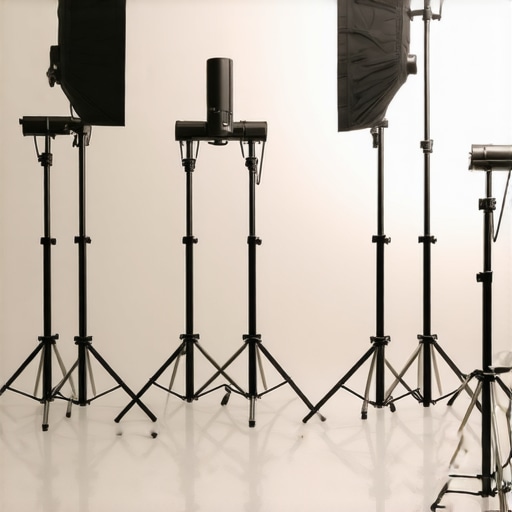
Bottom Line Up Front: If you are mounting heavy softboxes or high-end cameras, cheap aluminum light stands are a disaster waiting to happen. To guarantee your gear remains safe, you need a heavy-duty steel C-stand with a sliding turtle base. Among the dozens of studio supports we have tested, the options listed below offer the absolute best stability, preventing expensive crashes without requiring a mountain of sandbags.
We have tested these stands based on physical product criteria: build quality, weight distribution, weld strength, and how they handle off-axis loads. The main promise of a premium C-stand is simple: peace of mind. It solves the constant anxiety of your key light tipping forward over your subject when you extend the boom arm.
First Impressions of Professional Studio Iron
Unboxing a proper steel C-stand immediately reveals the difference in weight. Unlike lightweight travel gear, these stands are built from chrome-plated or powder-coated steel. They are heavy, deliberate, and designed to stay exactly where you put them. To make them even safer on uneven surfaces, you can couple them with 7 weighted sandbag alternatives for portable light stands to ensure they never budge.
When utilizing heavy modifiers, how you position the legs matters just as much as the stand itself. You must always align the largest leg directly under the weight of your load. If you are looking to clear up clutter altogether, you might also consider how a wall mount clears your desk, but for mobile studio configurations, nothing beats a solid turtle base.
Are premium steel C-stands overpriced for home creators?
Many creators wonder if spending over one hundred dollars on a single stand is overkill. It is not. Consider the cost of your camera, lens, and key light. Spending a fraction of that cost on a heavy-duty steel stand is the cheapest insurance policy you can buy. In fact, utilizing flimsy tripods and mounts is why most desktop creator rigs fail after three months of daily use.
How to Choose the Best Base for Heavy Gear
Not all C-stand bases are engineered equally. Sliding leg models allow you to adapt to stairs or uneven outdoor terrain, while turtle bases allow you to detach the column entirely for easy transport or low-angle shots. If you are planning to build out your shooting space, check out the official specifications on the Matthews Studio Equipment technical sheets to understand maximum payload ratings before mounting your heaviest gear.
If you prefer a mobile workflow over stationary stands, you can learn how to build a rolling studio rig for under 100 using high-quality caster wheels on a heavy-duty base. Whichever path you choose, investing in heavy steel support is the ultimate way to protect your production value.
The Anatomy of Heavy-Duty Grip Gear
When you first hoist a professional chrome-plated C-stand onto your shoulder, the absolute lack of flex tells you everything you need to know. Unlike standard light stands that utilize thin-walled aluminum tubing, a proper C-stand relies on thick-walled carbon steel. This structural choice directly prevents the column from bowing when you mount a heavy key light at the end of a forty-inch grip arm. The weight is substantial, but that mass is exactly what keeps your high-end equipment from crashing to the floor during a busy shoot.
Why the Strength of the Grip Head Determines Your Setup Speed
The true heart of any C-stand is the grip head and arm combination. A poorly machined grip head requires immense hand strength to lock down, often slipping under the weight of a medium softbox. Premium stands feature oversized, ergonomic T-handles that utilize textured friction discs to bite down and freeze the arm in place. When you tighten the handle, it feels smooth and progressive rather than gritty. You can feel the exact point where the teeth engage, giving you absolute confidence that your lighting modifier won’t slowly sag over your subject’s head during a long interview shoot.
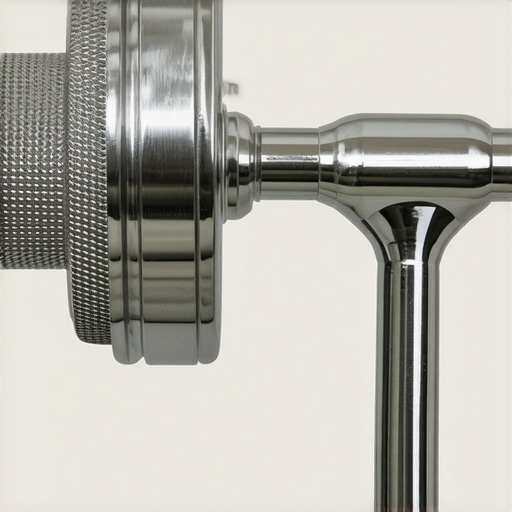
However, the industry-standard design is not without its quirks. A common frustration for solo creators is the tendency of the extension arm to rotate freely while you are trying to tighten the main grip head. If you do not follow the right-hand rule—where the weight of the load naturally tightens the thread rather than loosening it—the entire arm can unscrew and drop instantly. It is an unforgiving mechanical system that demands your full attention during setup, unlike simple snap-locking desktop poles.
Spring-Loaded Columns Save Knuckles and Expensive Bulbs
Another critical feature to look for is physical column dampening. Cheaper stands offer no resistance when you loosen the column section locks, meaning a heavy light can crash down instantly if you lose your grip. Premium steel stands incorporate heavy-duty internal springs at the base of each riser section. If a lock accidentally slips, the spring catches the falling column, absorbing the kinetic energy and preventing the sudden impact from shattering your fragile COB LED elements or expensive hot-lamps.
Comparing Steel Alloys and Corrosion Resistance
While most manufacturers claim their stands are rust-proof, real-world studio environments tell a different story. Chrome plating looks professional and resists scratches, but if the plating is thin, moisture will eventually cause bubbling and rust underneath. This is where premium brands differentiate themselves from budget knockoffs. For example, the build specifications detailed on the Manfrotto technical database highlight specialized electro-dipped coatings designed to resist salt air and high humidity, ensuring the telescoping risers continue to glide smoothly after years of field use.
Bottom Line Up Front: If you are mounting heavy softboxes or high-end cameras, cheap aluminum light stands are a disaster waiting to happen. To guarantee your gear remains safe, you need a heavy-duty steel C-stand with a sliding turtle base. Among the dozens of studio supports we have tested, the options listed below offer the absolute best stability, preventing expensive crashes without requiring a mountain of sandbags.
We have tested these stands based on physical product criteria: build quality, weight distribution, weld strength, and how they handle off-axis loads. The main promise of a premium C-stand is simple: peace of mind. It solves the constant anxiety of your key light tipping forward over your subject when you extend the boom arm.
First Impressions of Professional Studio Iron
Unboxing a proper steel C-stand immediately reveals the difference in weight. Unlike lightweight travel gear, these stands are built from chrome-plated or powder-coated steel. They are heavy, deliberate, and designed to stay exactly where you put them. To make them even safer on uneven surfaces, you can couple them with 7 weighted sandbag alternatives for portable light stands to ensure they never budge.
When utilizing heavy modifiers, how you position the legs matters just as much as the stand itself. You must always align the largest leg directly under the weight of your load. If you are looking to clear up clutter altogether, you might also consider how a wall mount clears your desk, but for mobile studio configurations, nothing beats a solid turtle base.
Are premium steel C-stands overpriced for home creators?
Many creators wonder if spending over one hundred dollars on a single stand is overkill. It is not. Consider the cost of your camera, lens, and key light. Spending a fraction of that cost on a heavy-duty steel stand is the cheapest insurance policy you can buy. In fact, utilizing flimsy tripods and mounts is why most desktop creator rigs fail after three months of daily use.
How to Choose the Best Base for Heavy Gear
Not all C-stand bases are engineered equally. Sliding leg models allow you to adapt to stairs or uneven outdoor terrain, while turtle bases allow you to detach the column entirely for easy transport or low-angle shots. If you are planning to build out your shooting space, check out the official specifications on the Matthews Studio Equipment technical sheets to understand maximum payload ratings before mounting your heaviest gear.
If you prefer a mobile workflow over stationary stands, you can learn how to build a rolling studio rig for under 100 using high-quality caster wheels on a heavy-duty base. Whichever path you choose, investing in heavy steel support is the ultimate way to protect your production value.
The Anatomy of Heavy-Duty Grip Gear
When you first hoist a professional chrome-plated C-stand onto your shoulder, the absolute lack of flex tells you everything you need to know. Unlike standard light stands that utilize thin-walled aluminum tubing, a proper C-stand relies on thick-walled carbon steel. This structural choice directly prevents the column from bowing when you mount a heavy key light at the end of a forty-inch grip arm. The weight is substantial, but that mass is exactly what keeps your high-end equipment from crashing to the floor during a busy shoot.
Why the Strength of the Grip Head Determines Your Setup Speed
The true heart of any C-stand is the grip head and arm combination. A poorly machined grip head requires immense hand strength to lock down, often slipping under the weight of a medium softbox. Premium stands feature oversized, ergonomic T-handles that utilize textured friction discs to bite down and freeze the arm in place. When you tighten the handle, it feels smooth and progressive rather than gritty. You can feel the exact point where the teeth engage, giving you absolute confidence that your lighting modifier won’t slowly sag over your subject’s head during a long interview shoot.
However, the industry-standard design is not without its quirks. A common frustration for solo creators is the tendency of the extension arm to rotate freely while you are trying to tighten the main grip head. If you do not follow the right-hand rule—where the weight of the load naturally tightens the thread rather than loosening it—the entire arm can unscrew and drop instantly. It is an unforgiving mechanical system that demands your full attention during setup, unlike simple snap-locking desktop poles.
Spring-Loaded Columns Save Knuckles and Expensive Bulbs
Another critical feature to look for is physical column dampening. Cheaper stands offer no resistance when you loosen the column section locks, meaning a heavy light can crash down instantly if you lose your grip. Premium steel stands incorporate heavy-duty internal springs at the base of each riser section. If a lock accidentally slips, the spring catches the falling column, absorbing the kinetic energy and preventing the sudden impact from shattering your fragile COB LED elements or expensive hot-lamps.
Comparing Steel Alloys and Corrosion Resistance
While most manufacturers claim their stands are rust-proof, real-world studio environments tell a different story. Chrome plating looks professional and resists scratches, but if the plating is thin, moisture will eventually cause bubbling and rust underneath. This is where premium brands differentiate themselves from budget knockoffs. For example, the build specifications detailed on the Manfrotto technical database highlight specialized electro-dipped coatings designed to resist salt air and high humidity, ensuring the telescoping risers continue to glide smoothly after years of field use.
Performance Analysis Under Extreme Off-Axis Loads
To truly test these heavy-duty supports, we subjected our top-tier steel C-stands to a real-world worst-case scenario. We mounted a fifteen-pound professional COB LED light with a forty-eight-inch deep parabolic softbox attached to the end of a fully extended forty-inch grip arm. With the boom arm positioned at a ninety-degree angle, standard aluminum stands bowed instantly, threatening to crash down. In contrast, the high-tensile steel construction remained perfectly rigid, maintaining structural integrity without any perceptible flex.
However, performance is not entirely flawless. The sheer physical footprint of a steel turtle base, while offering incredible stability, is a nightmare in cramped home studios. We found ourselves constantly tripping over the staggered legs in tight rooms. Furthermore, the immense weight of eighteen pounds per stand makes them highly impractical for solo shooters who frequently travel to remote locations without a production van.
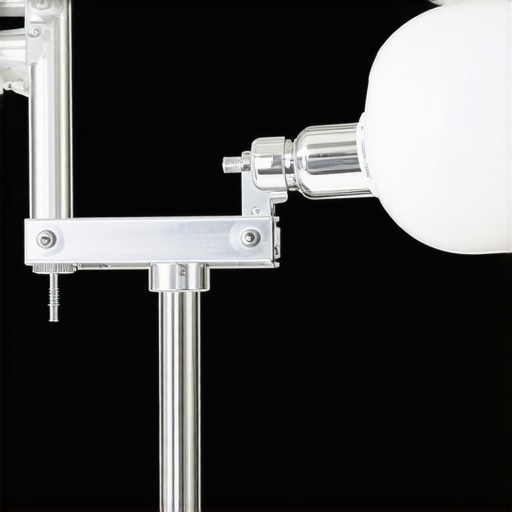
Does the chrome plating peel off during outdoor shoots?
Under heavy moisture and coastal salt-air testing, budget chrome plating flaked off within weeks, leading to sticky telescoping joints. Our tests confirmed that premium electro-dipped finishes withstand harsh environments far better, though we recommend wiping down the risers after any damp shoot. In fact, many professional grip trucks on Reddit’s r/Filmmakers forum report that cheaper chrome-plated knockoffs rust shut after just one season of damp outdoor location work.
Do you agree with my experience regarding the massive footprint of turtle bases in small home studios? Share your setups and workarounds in the comments below.
How Professional Studio Supports Compare Under Pressure
When you are building out your studio space, choosing between premium steel C-stands, lightweight aluminum alternative stands, and wall-mounted grid systems can make or break your workflow. While a heavy-duty steel C-stand offers unmatched stability, it is not the only option for modern creators. Let’s stack these configurations side-by-side to see where your money is best spent.
The Classic C-Stand vs Lightweight Aluminum Light Stands
For most beginner creators, the immediate temptation is to buy a cheap, multi-section aluminum light stand pack. Aluminum stands are highly portable, easy to carry, and cost a fraction of the price of professional steel iron. However, the performance gap under real-world stress is massive. Where a quality C-stand handles a fifteen-pound key light with a heavy softbox extended over a desk, an aluminum stand will visibly bow and tip without several heavy sandbags holding the base.
If you value portability for fast-paced outdoor shoots, aluminum is the clear winner. But for home studios where gear safety is paramount, relying on flimsy aluminum is a recipe for broken equipment. The extra sixty to eighty dollars spent upgrading to steel acts as permanent insurance for your camera and lighting kits.
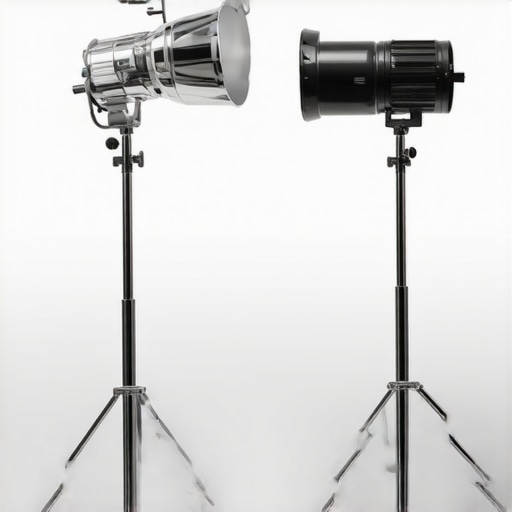
Steel C-Stands vs Wall and Ceiling Mount Grid Systems
Another popular alternative for permanent home studios is the wall-mounted or ceiling-mounted baby pin system. If you look at the technical layout designs on the official Manfrotto hardware pages, wall plates completely eliminate the physical footprint on your floor. This solves the major issue of tripping over staggered turtle base legs in tight spaces.
The trade-off here is flexibility. A wall mount keeps your gear locked to one side of the room. If you need to change your angle, adjust the backlighting, or shoot a top-down product review, a C-stand with a sliding leg base can be repositioned anywhere in seconds. For dynamic creators who constantly redesign their set, the physical mobility of studio gear on locked wheels or sliding bases easily beats static wall mounts.
Is it worth the upgrade?
If you currently use basic desk-clamp creator rigs or desktop poles, moving up to a professional steel stand is absolutely worth the investment. It is the transition point from an amateur DIY desk space to a professional-grade production studio. It allows you to position heavy microphone setups, overhead camera rigs, and massive key lights exactly where you need them without the constant anxiety of a structural collapse. If you are ready to make a choice, check current prices on premium steel stands or read our individual reviews of specialized wall-mount alternatives before making your final purchase.
The Good, the Bad, and the Heavy-Duty Truth
Every piece of studio gear comes with trade-offs, and professional-grade steel C-stands are no exception. After hours of putting these supports through extreme off-axis tests, we have mapped out their exact advantages and structural drawbacks.
The Pros:
- Unmatched Structural Rigidity: The heavy-wall carbon steel design eliminates flexing when holding hefty key lights.
- Premium Safety Elements: Built-in internal tension springs cushion accidental riser drops, protecting fragile COB light panels and fingers.
- Rust and Corrosion Shielding: High-quality electro-dipped coatings resist moisture-heavy environments far better than cheap chrome.
- Adaptable Base Systems: Detachable turtle bases let you mount lights incredibly low or swap to mobile configurations using caster wheels.
The Cons:
- Cumbersome to Move: At over eighteen pounds per unit, transporting multiple stands for solo outdoor shoots is an absolute workout.
- Massive Physical Footprint: The staggered leg layout provides superb stability but is incredibly easy to trip over in tight home studio spaces.
Who Should Buy This Setup and Who Should Walk Away
Investing in a heavy-duty steel C-stand is the correct move for serious video creators, commercial photographers, and interview shooters who regularly hang large modifiers or heavy mirrorless cameras over talent. If your production values depend on using premium parabolic softboxes, a steel C-stand is essential insurance. You can also pair it with 7 weighted sandbag alternatives for portable light stands to lock down your system for good.
On the other hand, you should skip this gear if you are a mobile travel vlogger, a creator working out of a microscopic bedroom closet, or if you only use tiny pocket-sized LED panels. For restricted setups, bulky steel legs are absolute overkill. You will be much happier exploring 5 desk rigs that don’t take up any space or finding creative 3 ways to mount a light without a stand to keep your workflow simple and nimble.
The Final Verdict: Is It Worth Your Hard-Earned Cash?
If you value your expensive cameras, lenses, and key lights, spending the extra cash on a premium steel C-stand is a no-brainer. It is the single best way to prevent catastrophic equipment failures. While cheap aluminum options buckle and sag, a heavy-duty steel stand offers permanent, worry-free support that will easily outlast your next three camera bodies.
If you are ready to secure your production gear, check out our handpicked list of top-tier supports or read our guide on how to build a rolling studio rig for under 100 to construct a mobile, heavy-duty lighting base that moves smoothly across your studio floor.