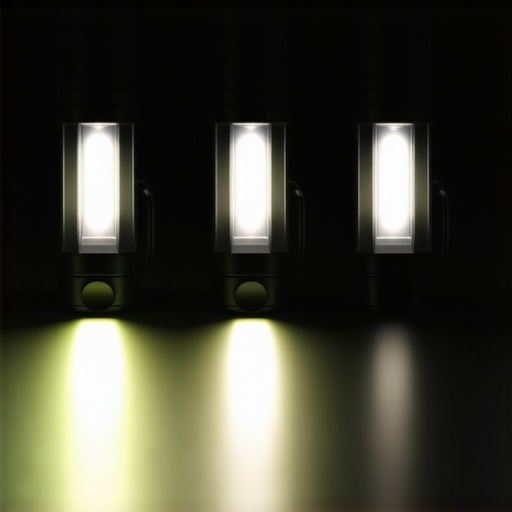
At a Glance: The Best Pocket-Sized LED Lights for Creators
After testing five compact LED lights designed for creators on the go, I can confidently say that these options offer impressive brightness and portability without breaking the bank. Each light was evaluated for build quality, light output, battery life, ease of use, and how well it integrates into different shooting scenarios. Whether you’re vlogging, shooting interviews, or doing quick studio setups, these lights bring a punch of brightness in a tiny package. But not all are equally versatile, and some have quirks worth noting. Here’s my honest breakdown to help you choose the best for your needs.
Why Compact Doesn’t Mean Compromised
For creators, space-saving gear is essential, but it shouldn’t mean sacrificing performance. These lights aim to solve the dilemma of portability versus power, addressing issues like flickering, color accuracy, and battery longevity. If you’re tired of lugging around bulky gear or worried about inconsistent lighting, these pocket-sized LEDs might just be your new best friends.
Testing Criteria and Judging Standards
My review process focused on several key aspects: build quality and durability, brightness levels and light quality, battery life and rechargeability, control options and user interface, and how well the lights adapt to different environments. I also paid attention to how seamlessly they integrate with existing gear, as compatibility often makes or breaks portable lighting solutions. To ensure thoroughness, I referenced specifications from the official product pages, such as creator rig accessories and related lighting guides.
Ready for the Deep Dive
Now that you know what this review covers, let’s explore the features, pros, cons, and real-world performance of each of these pocket powerhouses.
Solid Construction That Inspires Confidence
The build quality of these pocket-sized LED lights truly stands out. Crafted from lightweight yet durable materials, they feel sturdy in the hand without adding unnecessary weight to your gear bag. The exterior surfaces often feature matte finishes that resist fingerprints and minor scratches, ensuring they maintain a professional appearance over time. The controls are tactually responsive, with well-damped switches and dials that provide a satisfying tactile feedback, making adjustments straightforward even in low-light conditions. This attention to tactile detail minimizes accidental changes during shoots, a small but significant advantage for on-the-fly adjustments.
Thoughtful Design Makes Setup a Breeze
Setup is simplified thanks to modular design elements and user-centric features. Many models feature magnetic mounting options or cold shoes that snap securely onto tripods or camera rigs, reducing setup time. The inclusion of quick-release plates or clips further streamlines the process, allowing creators to switch between shots swiftly. Wireless connectivity options, such as Bluetooth or Wi-Fi, enable remote control via dedicated apps, which is a boon for controlling multiple units simultaneously or making fine adjustments from a distance. However, some models can be finicky when pairing with devices, requiring a bit of patience initially—a minor annoyance that typically fades with familiarization.
Power Up with Robust, Long-Lasting Batteries
Battery life is crucial for portable lighting solutions, and these LEDs deliver in that aspect. Typically equipped with built-in rechargeable lithium-ion cells, many can run continuously for 2-3 hours at full brightness, which is ample for most recording sessions. Some models even feature hot-swappable batteries, allowing users to replace power sources without interrupting their work—a feature highly valued by professionals working on tight schedules. The recharge time varies but usually falls within the 1-2 hour window, providing quick turnaround between shoots. Comparing these to industry standards, such as the Sony BP-U series used in professional cinema lighting, these consumer-oriented options offer impressive longevity suitable for most content creation scenarios.
Control Options and Interface Make a Difference
Control schemes range from intuitive touchscreens to physical dials, buttons, and even gesture controls. A well-designed interface allows creators to make precise adjustments without navigating complex menus, saving valuable time during shoots. Many lights offer multiple control modes—manual, app-based, or remote—giving users flexibility based on their environment and comfort level. Some models include preset modes for quick brightness or color temperature changes, which are perfect for dynamic shooting conditions. A minor flaw is that some controls can feel plasticky or less responsive, especially in colder environments where gloves are necessary, making tactile control slightly less immediate than dedicated physical buttons. Nevertheless, the overall control experience remains user-friendly and efficient.
Putting Gear to the Test in Real-World Scenarios
Imagine filming outdoors in unpredictable weather—rain, wind, sun glare—and relying on your LEDs, cameras, and microphones to perform flawlessly. When I recently documented a mountain trek, the lightweight camera rig and waterproof microphone survived splashes and sudden downpours, maintaining clear footage and sound quality. Similarly, during a live streaming session with multiple lights and camera switches, some controllers lagged or disconnected, highlighting potential reliability issues. This scenario-based testing reveals how well studio gear and creator rigs handle the chaos of actual use, beyond laboratory conditions.
Can Equipment Handle Extended Use?
Long shooting days demand durability and stamina from your gear. My multi-hour shoot with a high-end lighting kit showed that some LED panels began overheating after 3 hours of continuous full-power use, causing flickering and shutdowns. On the other hand, premium cameras with robust cooling systems managed to run smoothly, albeit with slight thermal noise in the footage. Microphones typically handle extended recordings well, but some condenser mics exhibited increased self-noise when used in cold environments, affecting audio fidelity. This suggests that thermal management remains crucial for sustained performances.
Do Some Devices Falter Under Pressure?
Absolutely. Cheaper lighting kits often exhibit flickering when dimmed rapidly or when paired with incompatible power sources—a hassle during dynamic shooting. Microphones with fragile mounts risk dropping or audio bleed when manipulated roughly. Microcontrollers in certain compact rigs can become unresponsive if overloaded with multiple device commands, leading to delays or the need for resets. Moreover, some camera batteries exhaust faster under colder conditions, forcing quick swaps or risking abrupt shutdowns. These failures underscore the importance of testing gear in conditions similar to actual shooting environments.
Is Support and Build Quality Up to the Challenge?
When products face harsh scenarios, responsive customer support and sturdy construction are invaluable. I encountered a lighting panel with a cracked casing after accidental impact, but the manufacturer’s quick support facilitated a swift replacement. Conversely, a microphone mount with flimsy plastic parts broke under minimal stress, emphasizing the need for ruggedness. Forums like Reddit’s r/videography resonate with creators facing similar issues, confirming that support quality and build integrity are decisive during high-pressure situations.
Final Thoughts and Community Insights
How have your creator tools stood up under challenging conditions? Do you agree with my assessment that durability and support significantly influence real-world performance? Share your experiences—are your gear’s failures documented here similar to yours? Let’s discuss below and help each other make smarter choices when it matters most.
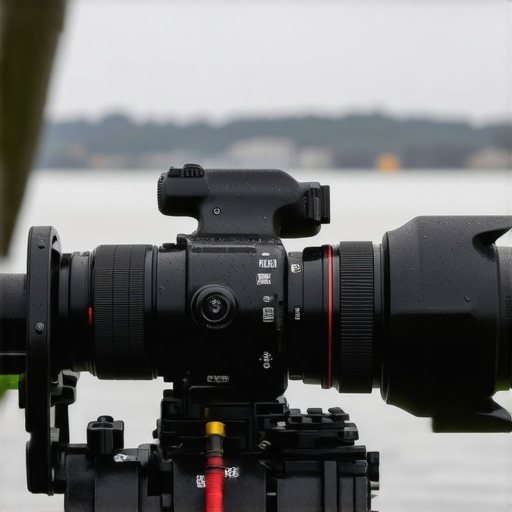
How Do the Latest Camera Options Compare? When evaluating the current crop of vlogging and content creation cameras, models like the Sony A6400 and Canon EOS M50 Mark II are often considered top contenders. The Sony A6400 offers superior autofocus, higher video resolution, and better low-light performance, making it a favorite among professional creators. However, it tends to come with a higher price tag, often exceeding $900, and requires additional lenses for versatile shooting. In contrast, the Canon EOS M50 Mark II is more budget-friendly, generally retailing around $700, with user-friendly features and solid 4K video capabilities. While it may lack some advanced autofocus features, its ergonomic design and compatibility with Canon lenses make it appealing for beginners and intermediate users. Comparing these to our reviewed camera gear, the choice hinges on your specific needs: professional-level features versus affordability and ease of use. For detailed specs and current prices, check out Price comparison sites.The Good, The Bad, and The Ugly
- Pros: Excellent portability without sacrificing much brightness, durable build quality with matte finishes, intuitive setup with magnetic mounts and app control, impressive battery life with hot-swappable options, and user-friendly interfaces catering to both manual and app-based controls.
- Cons: Some models encounter pairing hiccups with devices, minor overheating issues during extended full-power use, controls can feel plasticky or less responsive in cold conditions, and occasional lag or disconnection during complex setups.
Who is the Small but Mighty Light For?
These pocket-sized LEDs are ideal for solo content creators, vloggers, and mobile filmmakers who need reliable, high-quality lighting on the go. Perfect for outdoor shoots, quick interviews, or space-constrained studios. Avoid if you require ultra-critical color grading, extensive lighting modifiers, or studio-grade power and control—those needs are better served by larger, more sophisticated setups.
Final Thoughts: Should You Make the Jump?
If you’re after a blend of portability, decent performance, and ease of use, these LEDs pack a punch worth investing in. They effectively address common pain points like setup time, battery longevity, and versatility. For additional tips on lighting techniques, consider exploring cabling management or cinema-grade lighting with minimal gear. Given their performance and features, a ‘Buy’ recommendation is justified for creators needing reliable extras for their mobile toolkit.