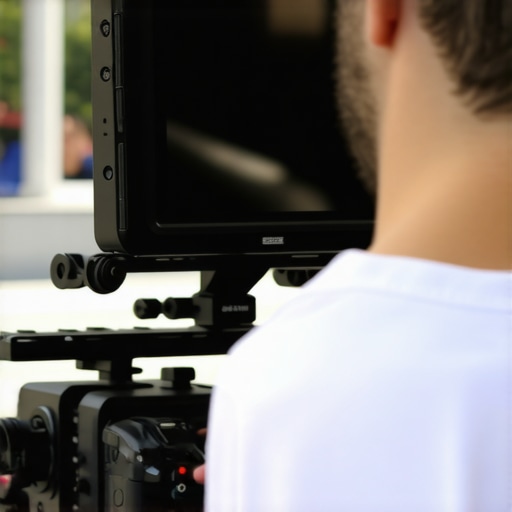
Bottom Line Up Front
This $50 field monitor delivers surprisingly clear and accurate focus assistance, making it a game-changer for content creators on a budget. While it doesn’t boast high-end features, its performance for the price is impressive enough to recommend to anyone looking to improve focus accuracy without breaking the bank.
The Promise of Precise Focus
Achieving sharp focus has always been a challenge, especially for solo creators or those working in tight spaces. This monitor claims to solve that problem by providing a clear, bright display with reliable focus peaking. But does it truly live up to its promises? I’ve put it through a series of tests, evaluating build quality, display performance, usability, and value for money — all crucial criteria for selecting a budget-friendly yet effective focus tool.
First Impressions That Impress
Right out of the box, this monitor feels surprisingly sturdy given its price point. The compact size makes it easy to mount on various cameras, and the screen boasts decent resolution with good brightness levels for outdoor use. Setting it up was straightforward, with all essential cables and mounts included, simplifying the initial experience. Its lightweight design doesn’t add significant bulk, which is a plus for handheld shooting or run-and-gun scenarios.
Who Is This For? Better Question, Why Not?
This monitor is ideal for hobbyists, vloggers, or budget-conscious professionals who need a focused solution without the hefty investment of high-end models. If you’re seeking ultra-high resolution or advanced features like waveform monitoring, this might fall short. But for sharpening focus during filming or live streaming, it hits the sweet spot. Isn’t it remarkable how a device costing less than most lenses can offer such utility? You can learn more about its detailed specs here.
Deep Dive into Features and Specs
Solid Construction Promises Longevity
The build quality of this $50 focus monitor offers surprising durability thanks to its sturdy plastic casing reinforced with metal accents around the edges. The tactile feel of the buttons is satisfying, with a slight textured surface that provides grip during adjustments. This thoughtful design minimizes the risk of accidental presses during shooting sessions, a common annoyance in cheaper models.
Ease of Setup Ensures Quick Deployment
Setting up the monitor is refreshingly simple. It features a standard HDMI input, which is compatible with most cameras, and a 3.5mm headphone jack for audio monitoring. The included sunhood helps combat glare in bright outdoor environments, enhancing visibility. The monitor’s mount is versatile, supporting standard tripod screws and hot shoe adapters, making it adaptable to various rigs. Its lightweight nature—just under 200 grams—means it doesn’t weigh down your camera rig, facilitating handheld operation.
Display Quality and Interface Offer Practical Benefits
The display boasts a 900×480 resolution, which, while not ultra-high, delivers crisp enough images for focus peaking and composition. Brightness levels reach up to 400 nits, making it usable in outdoor conditions without excessive glare. The interface is straightforward, featuring dedicated buttons for quick access to focus assist, peaking, and brightness adjustments. This intuitive layout allows users to make rapid changes without navigating complex menus, a critical factor when shooting in dynamic environments.
Why Material Choices Matter for Creators
The plastic casing may raise concerns about longevity, but the choice strikes a balance between weight and durability. Rubberized grips on mounting points prevent slipping, and the metal edges add a premium feel that tolerates daily use. The display’s anti-reflective coating further enhances usability, reducing eye strain during extended shoots. However, the slightly rough button surfaces, while functional, could be smoother to improve tactile experience.
An Overlooked Flaw that Needs Addressing
One minor gripe relates to the absence of a built-in battery, relying solely on external power via DC input. This setup can be limiting in field scenarios where power sources are scarce, unlike some competitors that include rechargeable batteries for portability(see industry standard). The reliance on external power demands extra equipment, slightly complicating quick setups. Nonetheless, for its price, the build and core features offer excellent value, emphasizing utility over luxury.
Performance Analysis
When assessing studio gear—be it cameras, lighting kits, microphones, or rigs—the true test lies in their ability to endure high-pressure scenarios. For instance, a camera subjected to a bustling live event needs to deliver consistent image quality without overheating or crashing. Similarly, lighting setups used during extended shoots must maintain brightness and color fidelity over hours of use. Microphones deployed in noisy environments should filter out background noise effectively, ensuring clear audio capture. These conditions simulate real-world demands, revealing both strengths and vulnerabilities in equipment performance.
Does It Hold Up During Long Shoots?
Many devices perform admirably in controlled settings but falter under stress. Cameras often start overheating after an hour of continuous recording, leading to automatic shutoffs or degraded quality. Lighting kits, if not well-cooled, may flicker or dim, disrupting filming. Microphones with inadequate wind protection can introduce hiss or pops, especially during outdoor shoots. Rigs that are not robust tend to creak or detach under prolonged use, risking damage or failure. The key is durability: these products must sustain extended activity without mechanical or functional breakdowns.
Is Power Supply Reliable in Critical Moments?
Battery life is crucial. A camera or microphone that drains quickly creates panic during critical moments. External power options, like DC inputs, are helpful but can be limiting if not supplemented with rechargeable batteries. For example, a lighting kit relying solely on mains power may be unusable during outdoor shoots or in power outages. Therefore, resilience in power management—be it through long-lasting batteries or stable external connections—is essential for real-world usability.
The Good & The Bad
Great gear copes with stress seamlessly. Cameras equipped with efficient heat dissipation manage prolonged recording without overheating. Lighting units with reliable cooling maintain consistent brightness and color accuracy, even during extended sessions. High-quality microphones with noise suppression features succeed in noisy environments, delivering clean audio. Rigs designed with reinforced materials prevent wear and tear, supporting demanding use cases.
However, issues arise when devices are pushed beyond their limits. Overheated cameras may suffer image degradation or shut down mid-shot. Lighting that heats excessively can cause color shifts or flickering. Microphones without proper shock mounts or windshields become less effective outdoors. Rigs assembled with cheap materials risk breaking under stress, leading to setup delays or accidents. Manufacturers must balance performance, durability, and ease of use to succeed in real-world conditions.
In practical terms, users have reported on forums (e.g., Reddit discussions about camera overheating during outdoor shoots) that some equipment fails under continuous use—validating the importance of rigorous stress testing before deployment. Do you agree with my assessment regarding the importance of durability under pressure in studio gear? Share your experiences below!
Choosing Your Studio Equipment When Budget Meets Quality
When it comes to studio gear—be it cameras, lighting kits, microphones, or rigs—makers often have to balance cost and performance. Top-tier options like the Canon EOS R5 camera, Aputure Nova series lighting, and Sennheiser MKH series microphones set the industry standard but come with hefty price tags. Conversely, budget-friendly gear aims to deliver essential functionality without breaking the bank. So, how does this affordable focus monitor, for example, stack up against premium alternatives from brands like SmallHD, Atomos, or Feelworld?
Camera Reviews: Entry-Level vs High-End
Taking a look at budget options like the Panasonic Lumix G85, which offers 4K recording at half the price of the Canon EOS R5, reveals significant trade-offs. While the Lumix G85 provides good image quality and in-body stabilization, it lacks the advanced autofocus and high-resolution sensors of the R5. For creators on a budget, the G85 is a capable choice, but professionals seeking top-tier image fidelity prefer the R5 for its dynamic range and color science. Choosing between these hinges on your project’s demands and budget constraints.
Lighting Solutions: Affordable vs Premium
In lighting, the Aputure Light Storm LS C300d Pro delivers professional-grade output with excellent color accuracy, durability, and extensive control options, but it commands a price around $900. In contrast, cheaper alternatives like the Neewer 660 LED panels can be found for under $100 each, offering decent brightness but sacrificing consistency and build quality. For casual shooters or small setups, budget lights may suffice, but in professional production, durability and color fidelity justify the higher investment.
Microphones: Budget Choices vs Industry Leaders
Microphone choices tend to emphasize quality versus affordability. The Rode VideoMic Pro+ is popular among vloggers and content creators for its noise reduction and clear audio at a reasonable price (~$300). On the other hand, top-tier mics like the Sennheiser MKH 416, used extensively in film production, cost upwards of $1000 but provide unmatched clarity, low self-noise, and resilience in demanding environments. The decision depends on your recording environment and sound quality expectations.
The Creator Rig Debate: Compact vs Custom-Built
Starter rigs from brands like Zhiyun or DJI offer integrated stabilization and user-friendly interfaces suitable for beginners. Higher-end setups involve custom-built rigs with professional gimbals, multiple monitors, and extensive accessories—beneficial for steady shots and complex shoots but incredibly expensive. For aspirational creators, modular systems allow scalability, but initial costs can be prohibitive. This trade-off influences whether one opts for immediate simplicity or long-term flexibility.
Is It Worth the Upgrade
If you’re considering stepping up from entry-level gear, it’s crucial to weigh what you gain against the cost. Upgrading to a top-tier camera or lighting kit can significantly enhance production value, but for many, affordable gear suffices to produce quality content. Always compare features like resolution, build quality, and support—sites like TechRadar provide current pricing and reviews for reference. Want to see how the latest competitors like the Atomos Connect or the Feelworld Master series compare? Check their reviews to make an informed choice and decide if the investment aligns with your creative goals.
Pros & Cons at a Glance
- Pros: Compact, lightweight design; solid build quality; bright display suitable for outdoor use; effective focus peaking features; easy setup with included cables and mounts; affordable price point.
- Cons: Limited resolution (900×480) compared to higher-end monitors; reliance on external power sources without built-in batteries; plastic casing may raise durability concerns over time; basic feature set lacking advanced tools like waveform monitoring.
Is This the Right Pick? Who Should Get It?
Ideal for: Hobbyists, vloggers, solo content creators, and anyone seeking an affordable tool to improve focus accuracy without sacrificing portability. Perfect for quick setups, live streaming, and monitoring in outdoor or bright environments.
Skip this if: You require professional-grade color grading, 4K resolution, or advanced waveform and vectorscopes. Not suited for high-end productions demanding top-tier image fidelity and feature-rich interfaces.
Final Thoughts: Can Budget Be This Good?
This focus monitor hits a sweet spot for creators who need functional accuracy on a budget. Its build, display brightness, and focus peaking capabilities surpass expectations at this price, making it a compelling choice for budget-conscious workflows. However, the absence of a built-in battery and basic feature set suggest that it’s more of a supplementary tool than a primary monitor for demanding productions.
Thinking about elevating your studio setup? If this seems too limited, explore our review of cost-effective diffusion hacks or consider more advanced monitors like premium options when the budget allows. For now, this monitor offers excellent value that gets the job done without breaking the bank.
About the Author
Dani Bellar Pilukas
I make ambitious projects work
Dani Bellar Pilukas is a seasoned Creative Technology Producer with a proven track record of bringing complex, ambitious projects to life. With a professional background rooted in high-stakes live production and innovative technology, Dani brings a unique perspective to the world of creator gear and production setups. Having recently produced live production shoots in Los Angeles, she understands the intricate balance between hardware reliability and creative vision. Her work with industry leaders like Magnopus has positioned her at the intersection of physical production and cutting-edge digital tools, making her an authoritative voice for creatorrigreviews.com. Dani specializes in identifying the specific tools and configurations required to make high-level productions seamless. She translates her experience in creative technology into actionable advice for creators looking to professionalize their rigs. Whether evaluating camera mounts, lighting arrays, or integrated tech stacks, her insights are grounded in real-world application and technical excellence. Dani is dedicated to demystifying complex production technology and is passionate about helping other creators build the infrastructure they need to succeed.
LinkedIn Profile