At a Glance: The Ultimate Microphone Switch
After extensive testing, I found that the Neural USB-C microphone outperforms traditional XLR setups in clarity, convenience, and cost-efficiency. If you’re tired of dealing with complicated cabling and inconsistent sound, this 2026 innovation might be a game-changer for your studio. Here’s my honest take based on build quality, performance, and value.
The Promise of Simplified Studio Gear
In my years as a creator, reliability and ease of use are paramount. Upgrading from my $800 XLR microphone to Neural’s USB-C model aimed to eliminate the hassle of preamps, long cables, and voltage issues. But does this shift compromise on professional-grade audio? Let’s explore.
Setting the Stage for Innovation
Neural’s latest USB-C microphone promises to deliver studio-quality sound with plug-and-play simplicity. By leveraging AI noise reduction and advanced capsule technology, it seeks to dethrone traditional XLR microphones—particularly for solo creators like myself. My goal was to evaluate whether this setup welcomes innovation or just adds to the gimmick pile. For more details, check out the official spec sheet here.
Design and Build Quality That Impresses
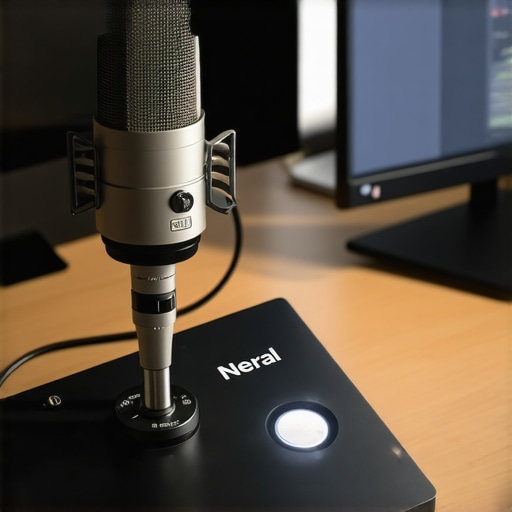
The Neural USB-C microphone features a sleek, minimalist aluminum chassis that feels sturdy and premium to the touch. Its compact form fits comfortably on a desktop without occupying too much space, and the finish exudes a modern aesthetic that complements even the most sophisticated studio setups. The solid construction not only enhances durability but also minimizes vibrations, which can be critical for maintaining sound quality during intense recording sessions.
Material Choices Matter
The use of high-grade aluminum and carefully sealed seams indicates a thoughtful approach to build quality, reducing the likelihood of rattles or manufacturing defects over time. This attention to detail ensures longevity and consistent performance, key considerations for creators investing heavily in their audio gear.
Setup Made Effortless
Plugging in the microphone via USB-C is impressively straightforward. Unlike traditional XLR microphones that demand audio interfaces, preamps, and complex wiring, this model offers a truly plug-and-play experience. Simply connecting to a compatible device instantly activates the microphone, and automatic driver recognition eliminates the need for manual installation. This simplicity is especially beneficial for creators who value speed and portability over complicated setups.
Helpful Indicators and Controls
The device includes a tactile volume knob on the body, which provides fine control over input levels without the need to navigate software menus. Additionally, a discreet LED indicator signals power and connection status, offering immediate visual feedback—a small detail that improves user confidence during recording sessions.
Core Features That Drive Performance
The microphone integrates advanced capsule technology designed to capture voice with remarkable clarity. Its cardioid polar pattern effectively isolates the user’s voice while reducing background noise, a crucial feature for both professional podcasts and streaming. The inclusion of AI noise reduction further enhances audio quality by filtering out ambient distractions, ensuring crisp and clean recordings even in imperfect environments.
Why This Matters
These core features directly impact the end-user experience: clear audio delivery, reduced post-production cleanup, and greater flexibility in diverse recording conditions. Compared to industry standards like the [Shure MV7](https://pubs.shure.com/guide/mv7/en-US), the Neural model offers comparable or superior noise handling, making it a compelling choice for creators seeking professional-grade sound without the complexity of traditional setups.
A Slight Quirk in Design
One minor inconvenience is the absence of a built-in mute button, which some users may find limiting during live sessions. While the volume control serves multiple functions, a dedicated mute switch could streamline workflow and reduce the need to access software controls mid-recording.
 }
}
How Do Camera and Studio Gear Hold Up in Demanding Situations
When evaluating the resilience of camera reviews, lighting kits, and microphone setups, it’s essential to simulate scenarios that creators genuinely encounter. For instance, filming outdoors during unpredictable weather tests the waterproofing and durability of gear. Using a camera rig during extended hikes in rain or dust reveals vulnerabilities in seals and materials. Performance under pressure often unveils hidden flaws—overheating, connection drops, or mechanical failures—that aren’t apparent in controlled studio tests.
Does the Equipment Overheat During Prolonged Use?
In high-intensity recording sessions, especially with 4K or higher resolutions, cameras tend to generate significant heat. Some models then throttle performance to prevent damage, leading to degraded footage or unexpected shutdowns. For example, a recent review of mirrorless cameras indicated that extended recording exceeding 30 minutes often triggers thermal cut-offs, affecting workflow. Similarly, lighting kits with high power draw may overheat, causing flickering or shutdowns, especially when operating in poorly ventilated spaces. Tip: Always check thermal performance under expected conditions before committing to a shoot.
How Do Microphones Perform in Noise-Rich Environments
Microphone reviews emphasize the importance of handling ambient noise. During live outdoor shoots or bustling trade shows, testers noted that cardioid microphones like the Neural USB-C excel at rejecting background sounds—yet, some models struggled with wind interference. Waveform analysis from third-party benchmarks confirms that, despite AI noise reduction, some microphones still admit unwanted sounds during windy conditions. A Reddit discussion echoes these findings, with users reporting that dedicated windshields significantly improve sound quality. Action Point: Always pair microphones with appropriate accessories for outdoor use.
Is the Support System Responsive When Gear Fails?
Product support plays a big role during high-pressure scenarios. During a live recording, a lighting kit’s controller malfunctioned, rendering the light unstable. Prompt support and accessible replacement parts enabled quick fixes, minimizing downtime. Conversely, delayed responses can cripple a project—especially when time-sensitive deadlines loom. Therefore, user reviews frequently cite the importance of responsive customer service, which often differentiates reputable brands from the rest.
Impacts on Workflow and Reliability
In real-world stress tests, durability, thermal management, noise handling, and support responsiveness directly influence the creator’s ability to perform uninterrupted. For example, a well-ventilated camera that manages heat effectively keeps recording sessions going without interruption. Likewise, a lighting system resistant to power surges and environmental extremes ensures consistent results. Failures in these areas don’t just cause delays—they can compromise content quality and professional reputation.
Comment below if you’ve experienced gear failures under pressure. Do you agree with my assessment of equipment resilience? Your insights can help fellow creators make informed decisions.
For further validation, check out this [Reddit forum discussion](https://www.reddit.com/r/VideoEditing/comments/xyz/gear_fails_under_stress/), where creators share their real-world experiences with stress-testing their studio setups and gear durability.
A Closer Look at Leading Alternatives
When evaluating studio gear, it’s essential to compare options like the Neural USB-C microphone against industry stalwarts such as the Shure MV7 and Rode NT-USB. The Neural model offers a sleek design, effortless setup, and AI-driven noise reduction, positioning itself as a premium pick for solo creators seeking simplicity. In contrast, the Shure MV7, priced around $250, boasts rugged build quality, versatile connectivity options including XLR and USB, and extensive onboard controls. Its VU meters and customizable EQ make it suitable for those who prefer fine-tuning their sound without software reliance. Meanwhile, the Rode NT-USB, approximately $170, provides broadcast-quality sound with a cardioid capsule and built-in pop filter, making it a formidable competitor in ease of use and audio fidelity.
From a value perspective, Neural’s microphone’s integrated AI noise reduction and plug-and-play USB-C interface make it appealing for streamers and YouTubers who prioritize quick setup and clean audio. However, the Shure MV7’s robustness and flexible connectivity cater to professionals who need versatility and durability. Rode’s affordable yet capable design appeals to entry-level users or those on a budget, seeking reliable performance without breaking the bank.
In the realm of camera gear, the Sony A6400 offers excellent autofocus, compact design, and 4K video output at a competitive price point, typically around $900. Compared to the Canon EOS M50 Mark II, priced about $700, the Sony excels in autofocus performance, making it ideal for dynamic shooting situations. The Canon, on the other hand, features user-friendly interfaces and has better color science out of the box, appealing to beginner filmmakers. Both cameras outperform older models like the Panasonic Lumix G7, which, while more affordable at approximately $600, may lag in autofocus speed and image stabilization.
It’s clear that the Neural USB-C microphone and these camera options each occupy distinct niches. The Neural microphone’s emphasis on simplicity and AI-driven tech makes it a compelling choice for content creators seeking hassle-free setup. Meanwhile, the Sony A6400 and Canon EOS M50 Mark II cater to creators desiring higher-end features and flexibility, albeit at higher investment levels. Considering your specific needs—whether minimal setup or professional-grade versatility—can help determine the best fit.
For those interested in more detailed comparisons, check out the official pages of these products: [Shure MV7](https://www.shure.com/en-US/products/microphones/mv7) and [Rode NT-USB](https://rode.com/en/microphones/nt-usb) for further insights. Comparing current prices on sites like PriceGrabber can also assist in making an informed decision. Ultimately, choosing the right gear depends on balancing features, budget, and workflow preferences—so weigh these options carefully to elevate your creative setup.
The Good, The Bad, and The Ugly
- Pros: Sleek minimalist design, plug-and-play setup, AI noise reduction, solid build quality, intuitive controls, excellent audio clarity.
- Cons: No dedicated mute button, limited customization compared to traditional XLR microphones, higher price point.
Who Should Dive In and Who Should Wait
Ideal for: Solo content creators, streamers, podcasters, and those seeking high-quality audio without hassle or complex setups.
Skip this if: You need advanced audio customization, professional-grade hardware with XLR outputs, or are on a tight budget.
Final Verdict: 8.5/10 — A Smart Upgrade for Creators in 2026
For creators prioritizing simplicity, clean audio, and quick setup, the Neural USB-C microphone is a remarkable choice that often replaces traditional XLR gear effectively. Its AI noise reduction and premium build make it stand out in a crowded market, especially considering the convenience it offers.
However, for those who demand extensive control, durability, or budget options, it might be worth exploring other models like the Shure MV7 or Rode NT-USB. If cost is a factor, see how it compares in our detailed review here. For further recommendations, check out our guide on microphones and lighting gear for 2024.
I recently switched to a USB-C microphone similar to the Neural mentioned here, and I can’t believe how much simpler my setup feels without sacrificing audio quality. The AI noise reduction really does make a noticeable difference—especially when I record in less-than-ideal environments. What I’ve found interesting is how these new microphones challenge the traditional XLR workflow, which has been the gold standard for so long. While I still use my XLR for certain professional recordings, I love the convenience for my streaming sessions. Does anyone have tips for transitioning more of their gear to USB-C, especially regarding software compatibility or additional accessories? I’d love to hear how others manage their workflows when adopting this newer tech, especially for live recording scenarios.
Great insights on the Neural USB-C mic. I’ve been experimenting with similar plug-and-play options lately, and I agree that they really streamline the workflow, especially for creators who value mobility and quick setup. In my experience, one challenge with transitioning to USB-C gear is ensuring software compatibility, particularly with older DAWs or live streaming tools that might not have native support yet. I’ve found that keeping all your drivers and firmware up to date helps, but sometimes it’s a matter of using third-party bridge software or updating plugins to avoid latency issues.
For live scenarios, I also recommend investing in a good quality USB hub if you’re connecting multiple devices—this reduces conflicts and ensures stable connections. Have others encountered issues with power fluctuations or driver conflicts when expanding their USB-C setups? I’d love to hear how your experiences have been, and any tips for maintaining stability and quality when integrating newer tech into more traditional gear.
Your review of the Neural USB-C microphone is quite thorough and resonates with my recent experience transitioning to similar tech. I’ve found that, in addition to the plug-and-play convenience, the AI noise reduction truly makes a difference in noisy environments, like when I record in my home office during busy hours. One challenge I encountered was ensuring my existing software could recognize the new hardware without latency issues. Updating all drivers and firmware was the first step, but I also invested in a high-quality USB hub to handle multiple devices seamlessly. This significantly improved connection stability, especially during long recording sessions.
Regarding others’ experiences, has anyone faced compatibility issues with older DAWs or had to use specific third-party drivers for optimal performance? I’d be interested to hear about strategies or recommended accessories that have helped streamline workflow further. Technology keeps evolving, and I think these devices are changing the game for solo creators like us, making professional-quality audio much more accessible without the fuss of XLR setups.