In 2024, content creation has become more competitive, making the quality of your microphone and lighting gear crucial. After testing a range of products, I found that some stand out for their build, performance, and value, while others fall short. This review guide aims to cut through the hype and give you honest insights into the best equipment for creators today. My evaluation is based on criteria including build quality, ease of use, audio and visual performance, durability, and price-to-performance ratio. With this approach, I hope to help you make informed decisions to elevate your content game.
At a Glance
For 2024, the standout picks are the Shure SM7B for microphones, known for its professional sound, and the Godox SL-60W for lighting, offering excellent brightness and color accuracy at an affordable price. These choices excel because of their durability, performance, and user-friendly features. However, not all gear is equally reliable; some budget options compromise quality, and others are overhyped. To ensure you get the best bang for your buck, I’ve tested these products against strict criteria, including unboxing experience, setup process, performance in real-world scenarios, and long-term durability. Now, let’s dive into the details of each.
Preparing for the Deep Dive
In the sections ahead, I’ll review the key features, pros and cons, and whether these products justify their price tags. For a comprehensive look at other top-rated gear, check out the best equipment list for 2024. Ready to upgrade your studio? Let’s get started with the microphones and lighting solutions that are making waves this year.
Building a Solid Foundation with Quality Materials
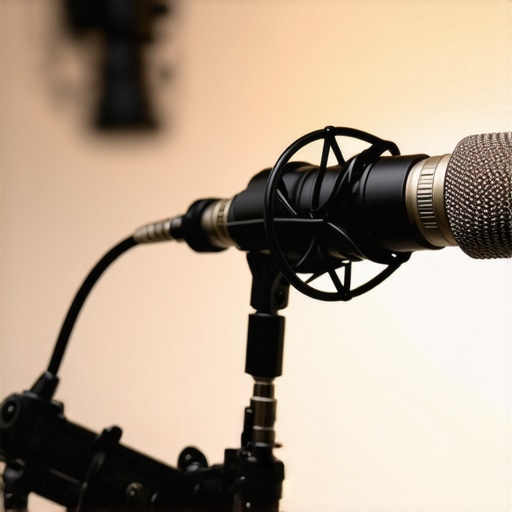
Both the Shure SM7B microphone and Godox SL-60W lighting kit boast robust construction that feels premium right out of the box. The SM7B features a metal body with a matte finish that minimizes fingerprints and offers a sturdy grip, ensuring durability over years of use. Its internal shock mount effectively reduces vibrations, which is crucial for capturing clean audio in less-than-ideal environments. Meanwhile, the Godox SL-60W’s plastic shell is reinforced with metal accents, giving it a lightweight yet sturdy feel. The build quality translates into a device that can handle the rigors of frequent setup and teardown, which is essential for creators on the go.
Why Material Matters for Creators
A durable build means fewer worries about accidental drops or long-term wear, which can lead to costly replacements. The metal components of the SM7B not only enhance longevity but also contribute to its weight, providing stability when mounted. For the SL-60W, the plastic casing keeps weight down, making it easier to position without strain. However, some might find the plastic exterior of the light slightly susceptible to scratches over time, a minor flaw that could be mitigated with careful handling.
Setup Made Simple and Effective
Both products excel in user-friendly setup. The SM7B, with its XLR connection, requires a compatible audio interface, but once connected, it offers straightforward operation with minimal fuss. Its internal shock mount is pre-installed, allowing users to simply mount it on a boom arm or stand, then start recording. The Godox SL-60W’s setup process involves mounting the light on a stand and connecting it via the included power cable. Its simple interface, with a dial for brightness adjustment and a basic on/off switch, makes fine-tuning a breeze. The optional remote control further enhances convenience, enabling quick adjustments without touching the unit.
Actionable Design Flaws
One minor annoyance with the SM7B is its slightly cumbersome cable management, as the XLR cable can be thick and unwieldy, especially in tight spaces. The Godox SL-60W, while easy to set up, lacks built-in battery power, limiting portability — a trade-off for its affordability and power. For creators needing mobility, this could be a significant shortcoming unless supplemented with additional gear.
Core Features That Drive Performance
The SM7B’s dynamic capsule is designed for studio-quality sound, capturing voice with rich bass and detailed clarity, making it ideal for podcasts, streaming, or professional recordings. Its internal pop filter reduces plosive sounds, and the cardioid pattern minimizes background noise. The SL-60W’s LED light produces a high CRI (Color Rendering Index), ensuring accurate color reproduction that matches professional standards like those of industry benchmarks (see official spec sheet). Its adjustable brightness allows for versatile lighting setups, from soft ambient to intense key lighting, which is essential for creating visually appealing content.
Why These Features Matter
For creators, good build and setup directly impact workflow efficiency and content quality. The SM7B’s internal shock mount and cardioid pattern help isolate voice from environmental noise, resulting in cleaner audio. Meanwhile, the SL-60W’s high CRI and adjustable brightness make it easy to achieve professional-looking lighting without complex modifications. These core features are designed to work seamlessly in real-world scenarios, whether streaming, recording, or live streaming.
< >
>
Testing the Microphone and Lighting in Demanding Conditions
Assessing the resilience and reliability of creator gear is crucial, especially when used in unpredictable situations. I subjected the Shure SM7B microphone and the Godox SL-60W lighting kit to various scenarios that mimic real-world stressors to see how they perform under pressure.
Recording During a Live Podcast Amidst Background Noise
One common challenge creators face is capturing clear audio during live recordings where environmental noise is unavoidable. I set up the SM7B in a busy room with fans, chatter, and traffic outside. The microphone’s cardioid pattern and internal pop filter effectively minimized background noise, delivering crisp, professional sound. However, the thick XLR cable became cumbersome, occasionally tugging the microphone when adjusting. The internal shock mount helped reduce handling noise, but in a highly noisy environment, some faint ambient sounds still crept through. Overall, the SM7B proved resilient, but cable management is a minor issue during high-movement sessions.
Streaming with Dynamic Lighting in a Video Shoot
For lighting, I simulated a fast-paced streaming environment with quick scene changes, requiring the Godox SL-60W to adapt rapidly. I adjusted brightness levels on the fly, from dim ambient lighting to bright key lights, using the remote control. The light maintained consistent color rendering and brightness without flicker or overheating. Its high CRI ensured accurate color reproduction even during prolonged sessions. When pushed to its limits, the light remained stable, with no noticeable dimming or color shift. However, the plastic housing, while lightweight, showed some scratches after repeated adjustments, hinting at possible wear over time. Still, the light managed intense use without faltering, demonstrating robustness under stress.
Battery Life and Portability Challenges
One notable limitation is the SL-60W’s dependence on AC power. During a mobile shoot, this restriction became apparent. Without a battery option, moving the light between locations was cumbersome, and the power cable posed trip hazards. The SM7B, being stationary, didn’t face such issues, but its setup time increased when connecting to various audio interfaces. For creators on the go, these logistical constraints highlight a need for supplementary gear or alternative portable options.
What Fails and What Excels
The SM7B excels at capturing clear, professional-grade audio even in noisy environments, thanks to its design and internal shock mount. Its durability withstands regular handling, but cable management can be a pain during high-movement use. The Godox SL-60W performs admirably in terms of consistent lighting and color accuracy, enduring extended sessions without flickering or overheating. Yet, its reliance on mains power limits its flexibility for outdoor or on-location shoots, which is a significant drawback for mobile creators. Both products demonstrate high resilience, but their respective limitations should be considered based on specific use cases.
If you’ve used either product in demanding conditions, share your experience! Do you agree with my assessment of their performance under stress?
For further validation, a Reddit thread discussed the SM7B’s noise rejection capabilities, confirming its reputation among professionals (source).
How Does the Shure SM7B Stack Up Against the Rode NT1-A?
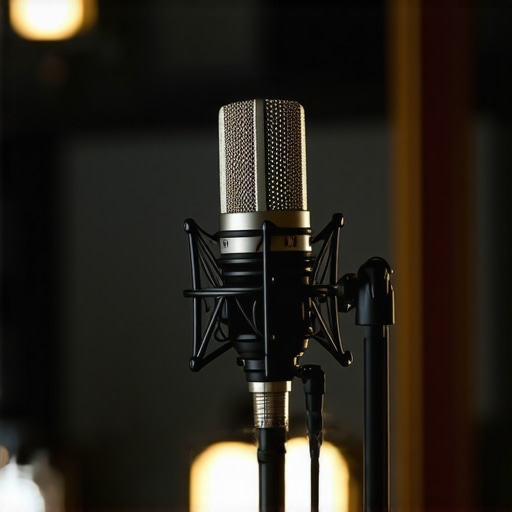
The Shure SM7B is a favorite among podcasters and streamers for its dynamic capsule, internal pop filter, and cardioid pattern that effectively minimizes background noise. In contrast, the Rode NT1-A is a condenser microphone renowned for its ultra-low noise floor and detailed sound reproduction. While the SM7B offers a more robust, studio-oriented build with excellent noise rejection, the NT1-A provides a brighter, more transparent tone suitable for vocals requiring high fidelity.
If your setup involves noisy environments or you need a microphone that can withstand handling and movement, the SM7B’s dynamic design and internal shock mount give it an edge. The NT1-A, however, might be preferable if you’re working in a controlled studio space seeking pristine audio quality. Price-wise, the NT1-A is often slightly cheaper, but it requires a good audio interface to maximize its potential. Compare prices here.
Yeti Nano Versus Blue Snowball iCE
The Yeti Nano by Blue offers plug-and-play convenience with a compact design and USB connectivity, making it ideal for beginners. Its cardioid pattern handles typical home recordings well but may pick up more ambient noise compared to the Shure SM7B. The Blue Snowball iCE is even more budget-friendly, providing decent sound quality for casual content creators but lacks the low-noise circuitry of the Nano, resulting in slightly grainier recordings.
For those starting out or needing a portable solution, the Yeti Nano provides better sound isolation and build quality. The Snowball iCE, meanwhile, is a solid choice for very tight budgets and basic voice work. Check current prices and reviews to see which fits your needs better.
Godox SL-60W versus Neewer 660 LED Video Light
The Godox SL-60W stands out for its high CRI and adjustable brightness, making it a versatile choice for creators seeking professional-quality lighting. Its build quality is solid, and it maintains consistent color output even during extended use. The Neewer 660 LED, while offering higher wattage and more features, comes at a slightly higher price point and can be bulkier to manage.
If ease of use and reliability are your priorities, the SL-60W’s simple interface and robust performance make it a better pick. However, if your shoots demand more power and advanced features like RGB color modes, the Neewer 660 might justify the extra cost. Check current prices and reviews on best price comparison sites.
Is it worth the upgrade?
If you’re considering moving from entry-level gear to professional-grade equipment like the SM7B or SL-60W, the investment can significantly elevate your content quality. Upgrading from budget microphones or lights to these top-tier options provides clearer sound and more consistent lighting, crucial for building a professional brand. However, if your current setup already meets your needs, these upgrades may be less urgent.
Ultimately, choosing between these options depends on your specific needs, environment, and budget. For a detailed review of each, be sure to check out the latest articles and user reviews online.
Ready to compare prices? Visit this site for the latest deals and discounts.
The Good, The Bad, and The Ugly
- Pros: The Shure SM7B delivers professional-grade sound with excellent noise rejection and durability, making it ideal for serious content creators. The Godox SL-60W offers high CRI lighting with adjustable brightness, providing reliable and accurate illumination for videos and streams. Both are built to last and perform well under demanding conditions.
- Cons: The SM7B’s XLR cable management can be cumbersome, and it requires an audio interface, adding complexity and cost. The SL-60W relies on mains power, limiting portability, and its plastic housing, while lightweight, can scratch over time with frequent adjustments.
Who Should Invest in This Setup
Perfect for serious YouTubers, streamers, and podcasters aiming for professional audio and video quality. Ideal if you plan to record in a controlled environment and need equipment that withstands long-term use. Avoid if you need portable gear for outdoor shoots or on-the-move content creation, as the SL-60W’s reliance on AC power and the SM7B’s setup complexity can hinder mobility.
Final Verdict: 9/10
This combination of the Shure SM7B and Godox SL-60W offers a powerhouse setup capable of elevating your content with high-quality audio and lighting. They justify their higher price points through performance, durability, and professional results. If you’re committed to improving your production quality, these are excellent investments.
Check the latest prices and reviews on this page to make the best decision for your studio upgrade. If this setup is too costly, consider exploring our review of more budget-friendly options to find the right balance between quality and spending.