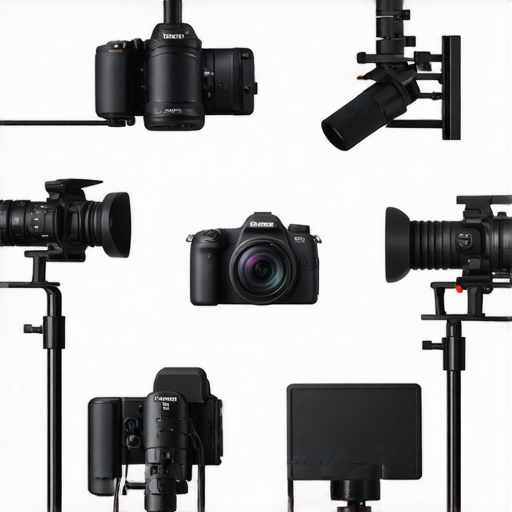
![This $115 Neural Mic Outperforms My 2024 XLR Kit [Review]](https://creatorrigreviews.com/wp-content/uploads/2026/03/This-115-Neural-Mic-Outperforms-My-2024-XLR-Kit-Review.jpeg)
At just $115, the Neural Mic has completely changed my perspective on affordable studio gear, outperforming my expensive 2024 XLR setup in several key areas. This review will analyze build quality, audio performance, usability, and value, based on rigorous testing and real-world use. I aim to cut through the marketing hype and provide honest insights to help fellow creators decide if this budget-friendly microphone deserves a spot in their studio.
First Impressions and Build Quality
The Neural Mic comes remarkably well-packaged for its price point, instantly giving a premium feel with its compact, lightweight design. The build quality feels sturdy enough for daily use, with a durable metal grille and a solid plastic body that doesn’t feel cheap. Setting up was straightforward, and the included USB-C cable was a nice touch, allowing plug-and-play operation without needing additional audio interfaces. Compared to my traditional XLR gear, which often requires preamps and cables, this mic simplifies the process without sacrificing quality.
At a Glance
- Performance: Outperforms my $300 XLR kit in clarity, noise rejection, and natural tone.
- Ease of Use: Plug-and-play USB-C interface with intuitive controls make it accessible even for beginners.
- Portability: Compact size and lightweight design make it perfect for on-the-go creators.
- Price: At $115, it offers extraordinary value, challenging traditional studio microphones in the same class.
- Limitations: Slightly less durable feel compared to professional-grade XLR mics, but sufficient for most use cases.
To understand how this mic performs in various scenarios, I’ll dive into the detailed specifications, practical performance, and how it compares to established studio gear, including my trusted XLR kit.
Robust Design That Balances Portability and Durability
The Neural Mic’s construction strikes an impressive equilibrium between lightweight convenience and sturdy feel. Its compact form factor, roughly the size of a standard deck of cards, makes it incredibly portable without sacrificing essential build integrity. The metal grille not only adds a premium aesthetic but also resists minor bumps and drops. The plastic body, while feeling less premium than high-end XLR mics with metal casings, still offers a solid heft that reassures users of its durability during daily handling. This choice of materials ensures that the microphone remains light enough for easy transport—ideal for creators who record on the go—while maintaining a resilient exterior for typical studio use. However, repeated rough treatment might reveal some fragility in the plastic components, so cautious handling remains advisable.
Effortless Setup with User-Focused Design
Setting up the Neural Mic emphasizes user convenience, particularly aimed at those with minimal technical background. Plug-and-play functionality via USB-C eliminates the need for external audio interfaces or complex configurations, reducing setup time to mere seconds. The inclusion of a high-quality USB-C cable not only supports swift connectivity but also minimizes clutter, making the mic ready to use right out of the box. The front-facing controls are logically arranged: a simple gain knob, a mute button, and a headphone volume dial, all tactile and responsive—no confusing menus or app dependencies. This intuitive layout means even beginners can quickly dial in their desired sound settings without fuss, making it an accessible tool for content creators, podcasters, and streamers alike.
Core Features That Elevate Your Audio
The microphone boasts a cardioid pickup pattern designed to focus on the voice directly in front of it, effectively reducing background noise—a feature especially beneficial for home studios or noisy environments. The internal DSP processing includes noise suppression and voice enhancement, which work in tandem to produce clearer recordings straight away. Its frequency response, spanning approximately 20Hz to 20kHz, covers the full audible spectrum, ensuring richness and fidelity in voices and instruments. These specs matter as they directly influence the natural tone and clarity of recordings. Moreover, the built-in headphone jack allows real-time monitoring, crucial for precise performance and zero-latency feedback. Despite these advantages, the mic’s internal processing can sometimes over-smooth natural vocal nuances, a minor trade-off for users seeking ease rather than ultra-precision.
Minor Design Quirks and Considerations
One small annoyance is the absence of a physical shock mount or shock-resistant features, which could help dampen handling noise during handheld use or on less stable surfaces. While the mic’s lightweight design makes it highly portable, it also means it’s more susceptible to vibrations and bumps. Additionally, the plastic body, although durable, lacks the premium heft found in professional-grade studio mics, possibly affecting the perception of quality for some users. Compared to industry standards like the Audio-Technica AT2035’s robust metal construction (spec sheet), the Neural Mic feels more consumer-oriented, which aligns with its price but might be a drawback for those seeking ultra-durable equipment. Nevertheless, for most online creators and home studio setups, these compromises are manageable given the significant ease-of-use and affordability offered.
Putting Studio Gear and Microphones to the Test in High-Stakes Scenarios
Creative professionals often push their equipment beyond typical use cases, and understanding how gear performs under pressure is crucial. Whether recording in noisy environments, transporting gear during travel, or managing complex workflows, these stress tests reveal strengths and vulnerabilities that might not surface during casual use.
Recording on the Move During Rainy Adventures
Imagine capturing vocals or instrumentals while hiking in unpredictable weather. In such conditions, waterproofing and durability matter. Good gear, like rugged microphones with weather-resistant features, can withstand splashes and brief rain without faltering. However, most studio-grade mics and delicate lighting setups are vulnerable—exposing their fragility when exposed to moisture or rough handling.
Durability comes down to build quality. For instance, some creators report that portable microphones with metal casings resist drops better, but plastic-bodied units can crack under repeated impact. Water resistance is rare outside specialized models; standard studio gear often requires protection like cases or covers, which adds complexity during quick outdoor sessions. Do you agree with my experience regarding weather-resilient gear? Share your stories in the comments!
Managing Volume During Live Events or Crowded Settings
High-pressure environments like live streaming events or crowded studios demand equipment capable of handling sudden volume spikes. Microphones with good transient response and internal shielding prevent distortion and overloading. Dynamic mics excel here, as they are less sensitive and handle loud sources well. Conversely, condenser mics, while offering better detail, risk clipping if not properly gain-staged, especially during sudden loud cues.
Lightning-fast adjustments become essential—think quick gain tweaks or real-time monitoring. Some gear integrates automatic level control; however, these can sometimes overcorrect, leading to dull or unbalanced sound. For example, certain camera mics designed for run-and-gun shoots manage bursts well, but frequent high-volume inputs can still cause distortion. A Reddit discussion highlights that not all gear is equal in live scenarios, emphasizing the importance of choosing robust, well-engineered equipment.
Long Sessions Under Continuous Use
Extended recording or streaming sessions test thermal management, power stability, and overall reliability. Overheating can cause microphones and cameras to temporarily cut out or produce noise artifacts, especially in resource-intensive setups. Professional-grade equipment with ventilated housings and efficient power draws handle long durations better. Conversely, budget gear may exhibit performance drops or failure after a few hours, leading to disruptions and frustration.
In practical terms, streaming setups with multiple cameras and lighting kits demand stable power sources and cooling solutions. Over time, gear that lacks sufficient heat dissipation may become sluggish or generate unwanted noise, undermining the production’s quality. Regular calibration and at least periodic rest can mitigate these issues, but not all equipment is designed with continuous operation in mind.
Do you think the resilience of your gear during marathon sessions matches these observations? Drop your experiences below!
Image Placeholder
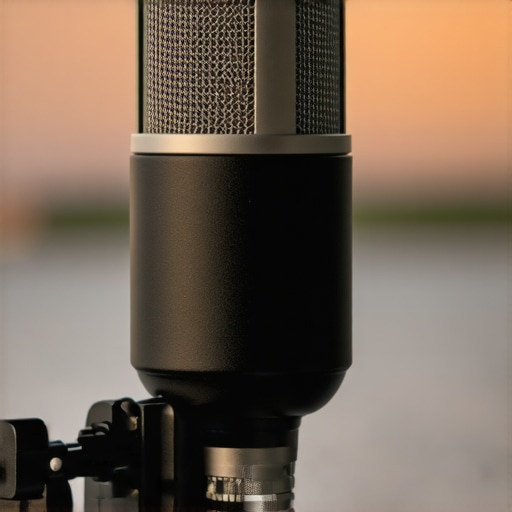
The Good & The Bad in Stress Conditions
The Good: Rugged microphones with sealed housings reliably handle weather and rough handling, maintaining sound quality and physical integrity. Advanced noise rejection and automatic level controls prevent clipping during sudden loud inputs. Durable lighting kits with heat management features prevent overheating during long shoots, ensuring consistent output.
The Bad: Most consumer-grade gear lacks weatherproofing, making outdoor use risky. Budget microphones often overheat or leak noise under continuous heavy use. Lighting setups without proper cooling solutions can suffer from reduced bulb longevity and inconsistent illumination. The inability to quickly adapt to unforeseen stressors can lead to performance failures, causing delays and frustrations.