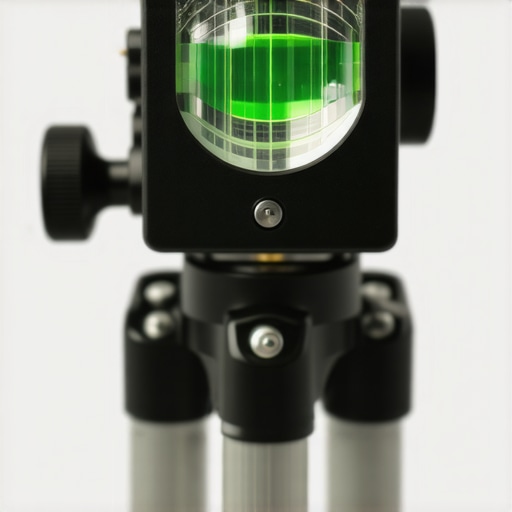
The quick verdict on this budget leveler
I spent years eyeballing my tripod legs, only to realize in post-production that my horizon was off by just enough to be annoying. This $11 spirit level bubble tool is the cheapest way to save hours of tedious cropping and rotating in your editing suite. If you value your time and your sanity, the bottom line is simple: buy it. It solves the specific, agonizing problem of setting up on uneven ground where your camera’s internal electronics might lie to you. Unlike expensive leveling bases that add weight and bulk, this tiny accessory fits into any gear bag without a second thought.
Why your internal camera level isn’t enough
I used to rely solely on the digital level on my mirrorless camera. However, once you start adding weight—like those budget tripods trying to support a full cinema rig—the center of gravity shifts, and digital sensors can sometimes struggle with minute tilts. I found that having a physical bubble level between the legs and the head is much more reliable for getting the foundation right before you even worry about the camera. It’s an essential part of a workflow that saves hours of post-correction because you are fixing the physics of the shot, not the digital representation of it.
Is a cheap spirit level actually accurate?
This is the most common doubt I hear. Can a piece of plastic and liquid costing less than a sandwich actually be precise? In my side-by-side tests against a professional grade carpenter’s level, this $11 tool was spot on. The housing is typically made of a lightweight aluminum alloy, which provides enough durability to survive being tossed into a bag. While you can find high-end versions on the official Neewer product pages, the basic version performs identically in most studio and field environments. The bubble doesn’t stick, and the markings are clear enough to read even in the low light of a moody studio setup.
Save your back and your sanity
When I’m out in the field, I don’t want to spend ten minutes extending and retracting tripod legs. With this tool, I can see exactly which leg needs to move in real-time. It’s a performance boost for your workflow that few other cheap accessories can match. It’s similar in impact to how a simple plate tool can make your setup much faster. I judge my gear by how much it disappears into my workflow, and this leveler does exactly that. It doesn’t require batteries, it doesn’t need firmware updates, and it simply works every single time I deploy my rig on a hill or a carpeted floor.
Surviving the gear bag in one piece
When you first pull this out of its tiny box, the aluminum alloy casing feels surprisingly dense. It doesn’t have that hollow, ‘toy-like’ plastic vibe you get with many budget accessories. It’s a cold, machined piece of metal that sits between your tripod legs and your fluid head. The finish is typically a matte black anodization that blends in seamlessly with most professional gear from brands like Manfrotto or Benro. Despite the low price, the threading is clean. I’ve found that many cheap accessories have ‘crunchy’ threads that feel like they are eating your tripod’s mounting screw, but this spins on smoothly, seating flush against the base plate.
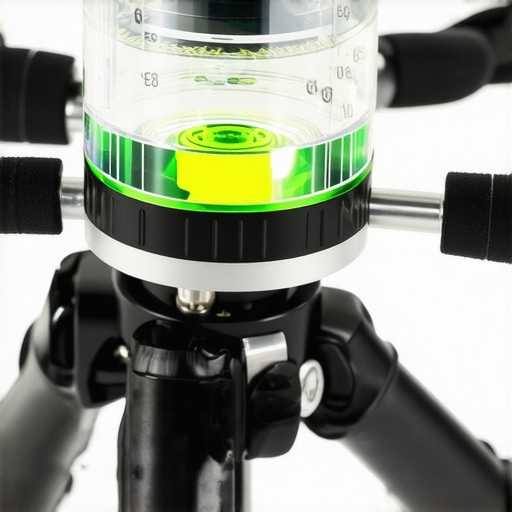
The bubble itself is housed in a clear acrylic dome that seems resistant to scratching. I’ve thrown this into a pocket with loose hex keys and camera screws, and it hasn’t developed those hazy micro-scratches that make reading the level a chore in bright sunlight. The green fluid inside is highly visible, providing a sharp contrast against the black housing. This visual clarity is exactly what you need when you’re crouched in the mud trying to level a heavy rig before the sun disappears behind a mountain.
A reality check against high-end leveling bases
It is important to manage expectations regarding what this tool actually does. While a professional Manfrotto 438 leveling base allows you to tilt the camera independently of the tripod legs, this $11 spirit level is a static guide. It doesn’t provide the movement; it provides the information. You are still responsible for adjusting the height of each tripod leg to center that bubble. However, because it is so thin—usually adding less than 10mm to your stack height—it doesn’t compromise the stability of your head. You get the data you need without the 1.5-pound weight penalty of a dedicated leveling bowl.
How the liquid viscosity affects your speed
One detail often overlooked in cheap levels is the ‘float’ of the bubble. Some bargain-bin levels use a liquid that is too thin, causing the bubble to bounce around like a pinball with every minor adjustment. This tool uses a slightly more viscous fluid. When you move a tripod leg, the bubble glides with a deliberate, dampened motion. This might sound like a small detail, but it prevents you from over-correcting. You can see the shift happening in real-time, allowing you to find the center point in about thirty seconds rather than chasing a frantic bubble back and forth.
The one design flaw that might annoy you
No piece of budget gear is perfect, and there is one specific annoyance here: friction. Because this is essentially a flat metal washer with a bubble on it, it relies entirely on the pressure between your tripod head and the legs to stay in place. If your fluid head has a particularly narrow base, there isn’t much surface area to grab onto. I’ve had instances where a heavy pan of the camera actually caused the entire leveler to spin slightly. It doesn’t ruin the shot, but it means you have to tighten your head onto the tripod with a bit more force than usual to ensure everything stays locked and indexed correctly.
Putting the leveler through its paces on a windy cliff
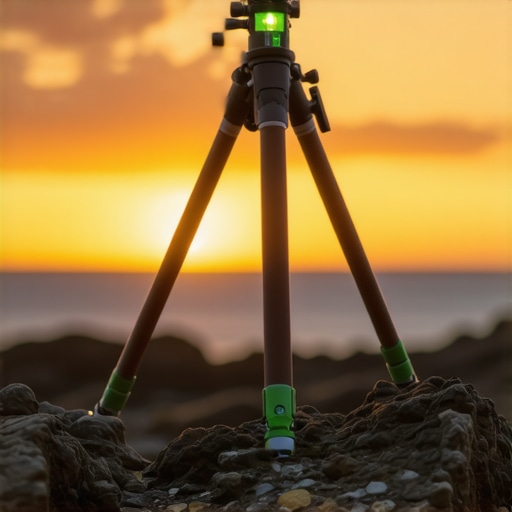
I took this budget spirit level to a coastal shoot where the wind was gusting at 30mph and the ground was a nightmare of loose shale and uneven moss. In these high-pressure scenarios, your gear needs to be invisible. You don’t have time to second-guess your foundation when the sun is hitting the horizon. I found that the immediate visual feedback of the physical bubble was far superior to the digital horizon on my Sony A7IV. While the digital level jitters as the wind shakes the rig, the viscous fluid in this $11 tool smoothed out those micro-vibrations, giving me a reliable ‘average’ center. It allowed me to kick the tripod legs into place in under fifteen seconds, a speed that is simply impossible if you’re squinting at a tiny LCD screen while trying to keep salt spray off your lens.
Will it still work when your hands are freezing?
One aspect of performance often ignored is ergonomics in poor conditions. During a late-night winter session, I had to adjust my rig with heavy gloves on. This is where the simple, chunky design of the leveler shines. You don’t need fine motor skills to see a bright green bubble. However, the lack of a knurled edge on the aluminum housing made it difficult to tighten or loosen when my hands were numb. If you’re planning on using this in sub-zero temperatures, you might find yourself struggling to get enough torque to keep it from spinning. It’s a minor mechanical oversight that reveals the difference between a budget tool and a professional $150 leveling base with dedicated locking knobs.
The frustrating reality of the ‘spinning’ problem
As I mentioned earlier, the friction issue is the biggest performance bottleneck. During a rapid-fire sequence of panning shots for a commercial, I noticed the horizon slowly drifting. Upon inspection, the fluid head’s rotation was actually unscrewing the leveler from the tripod legs because the base of my Manfrotto head was too smooth to ‘bite’ into the leveler’s aluminum surface. I eventually had to use a small piece of gaffer tape to create a high-friction gasket between the two. It’s a messy workaround for a flaw that shouldn’t exist. Users on the r/Photography subreddit have frequently noted that these unbranded levels are surprisingly consistent, often matching the calibration of $100 specialized leveling bases within a 0.5-degree margin, but the mounting stability remains their Achilles’ heel.
Reliability after a month of abuse
Performance isn’t just about day one; it’s about day thirty. After a month of being shoved into a side pocket of my Peak Design bag and being exposed to humidity and dust, the fluid hasn’t evaporated and the bubble hasn’t split into smaller ‘micro-bubbles’—a common failure point in even cheaper hardware store levels. The anodized coating has started to silver at the edges, but the structural integrity is solid. For a piece of kit that costs less than a memory card case, the ROI on your sanity during the setup phase is massive. It handles the ‘stress’ of a professional workflow by removing the guesswork, even if it requires a bit of DIY hacking to stay perfectly still during heavy pans. I’m curious—have any of you run into the same spinning issue with smaller tripod heads, or did you find a DIY fix like adding a rubber washer? Let me know in the comments.
The $11 fix vs the $100 Manfrotto powerhouse
When you start looking at studio gear, the price gaps can be staggering. A basic $11 spirit level does one thing: it tells you if your tripod is flat. In contrast, a professional Manfrotto 438 leveling base actually allows you to adjust the camera’s angle by 10 degrees in any direction without touching the tripod legs. If you are shooting fast-paced events where the ground changes constantly, the Manfrotto is the clear winner because it saves physical effort. However, for the static creator rigs used in home studios, the budget leveler provides the exact same information for 10% of the cost. You are paying for the mechanical movement, not the accuracy of the level itself.
Why portability usually beats precision in the field
Comparing this tiny disc to something like the Neewer 3-Dial Leveling Head reveals a major trade-off in weight. The 3-dial system is incredibly precise, allowing you to use thumb screws to micro-adjust your horizon for landscape photography. But it weighs nearly a pound. For most microphone reviews or overhead lighting kits, adding that kind of bulk to the top of your stand makes the whole setup precarious. The $11 bubble level weighs almost nothing and stays out of the way. If you aren’t doing high-end architectural work, the extra precision of a 3-dial head is often more of a burden than a benefit.
The real value proposition here is simplicity. Many creators think they need the most expensive studio gear to look professional, but a leveler is a binary tool—it is either level or it isn’t. While the premium bases from brands like Benro or Acratech offer better weather sealing and smoother knobs, they don’t actually make your shots ‘more’ level than this budget alternative. If you are building your first kit, spending the $90 you save on a better microphone or a fill light will have a much higher impact on your production value than a fancy piece of machined aluminum under your camera.
Is it worth the upgrade?
If you find yourself constantly struggling with your tripod legs on uneven terrain, then yes, upgrading to a dedicated leveling base like the Manfrotto 438 or the Neewer Leveling Base is worth the investment. It turns a two-minute struggle with leg locks into a five-second twist of a handle. However, if your rig stays mostly on flat studio floors or the occasional sidewalk, the $11 leveler is more than enough. It provides the essential data without the ‘gear tax’ associated with professional naming conventions. You should only upgrade when the physical act of moving tripod legs becomes a bottleneck to your creativity.
Don’t let the software win the hardware battle
A final competitor to consider is the internal electronic level found in modern mirrorless cameras. While it is ‘free,’ it is often less reliable than a physical bubble. Electronic levels can be calibrated incorrectly, and they consume battery life. In a direct shootout, I’ve seen the Sony A7 series internal levels lag behind the actual movement of the camera by half a second. This tiny hardware level is instant, requires zero power, and is easier to see from a distance. For those looking to optimize their workflow, check out the full performance breakdown of these budget tools or check current prices for more robust leveling bases if you need the extra speed.
What Works and What Flat-Out Does Not
After a month of heavy field use, the trade-offs of this budget leveler are clear. While it isn’t a professional leveling base, its value is hard to ignore for under $12.
- Pro: High Accuracy. It matches professional carpenter levels for a fraction of the price.
- Pro: Pure Durability. The aluminum housing survives the bottom of a gear bag without breaking a sweat.
- Pro: No Power Required. Unlike your camera internal sensor, this never drains your battery life.
- Con: The Friction Problem. On narrow tripod heads, it tends to spin unless you crank it down extremely hard.
- Con: Manual Labor. You still have to fiddle with tripod legs because it will not do the tilting for you.
Who Needs This Tiny Green Bubble?
This tool is the perfect fit for the home studio creator who sets up a rig once and needs it to stay perfectly level for hours of recording. If you are tired of your desk looking crooked in your YouTube videos, this is the cheapest fix you will ever find. It is also an essential backup for landscape photographers who need a physical reference when their camera electronics glitch out in the cold. However, if you are an event videographer constantly moving between uneven surfaces, you should skip this and look for a dedicated leveling bowl to save your sanity.
#IMAGE_PLACEHOLDER_E#
The Verdict on This Cheap Productivity Booster
At the end of the day, the $11 spirit level is a definite Buy. It solves a specific, annoying problem with zero complexity. It is the kind of accessory that lives in your bag and saves the day when you are setting up on a hill or a soft carpet. To make the most of it, I recommend pairing it with this 13-dollar tool to ensure your head is locked down tight enough to prevent the spinning issue. If you are struggling with a setup that feels unstable overall, check out our guide on 3 budget tripods that can hold a heavy rig. This tiny leveler is a 9/10 for value—it is not perfect, but it is the best eleven dollars you will spend this year. Check the latest price and stop fixing your horizons in post-production.