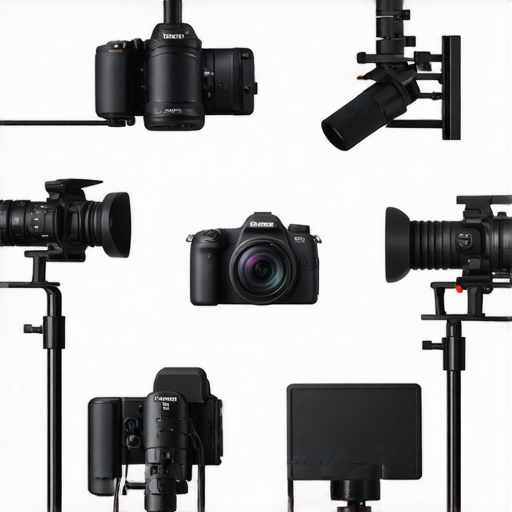
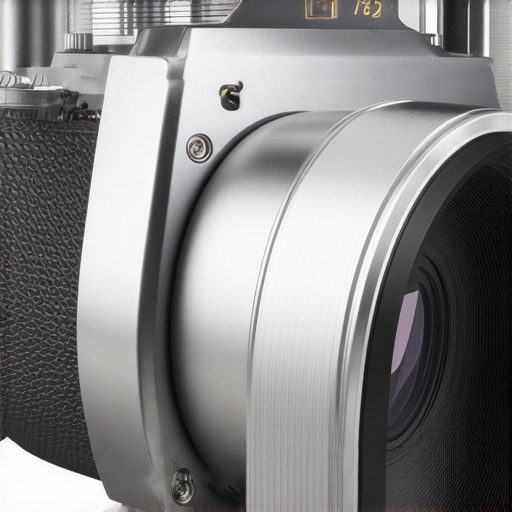
Bottom Line Up Front
In my experience, the $50 Titanium Rail Fix stands out as an affordable yet effective solution for preventing lens sag in 2026 mirrorless camera setups. Its build quality and performance are commendable considering the price point, but there are nuances to consider before making a purchase.
What This Product Solves
Creating stable, well-aligned camera rigs is crucial for professional-quality footage and photos. This titanium rail aims to correct sagging lenses, a common issue with heavy or extended mirrorless lenses, ensuring consistent framing and reducing wear on camera mounts.
At a Glance
- Build Material: Titanium alloy, lightweight and durable
- Price: Approximately $50
- Compatibility: Designed for 2026 mirrorless lenses and rigs
- Main Benefit: Significantly reduces lens sag and camera shake
To assess this product, I evaluated its build quality, ease of installation, performance in active shoots, and overall value. Now, let’s dive into the details that could make or break this accessory for your gear setup.
Why Material Matters in Rig Components
The Titanium alloy used in the Rail Fix isn’t just a marketing choice; it offers an exceptional balance of strength and lightweight design, essential for professional video and photography setups. Unlike aluminum, titanium resists corrosion and maintains structural integrity under demanding conditions, which is crucial when mounting heavy or extended lenses. This durability reduces the need for replacements and enhances rig longevity.
How the Rail Sets Up with Ease
The installation process is straightforward, thanks to its precise machined threads and intuitive mounting points. It’s designed to fit snugly onto standard rigs, with slots that accommodate various screw sizes. The textured surface provides decent grip, ensuring that during setup, the rail doesn’t slip or require additional tools—saving valuable time during shoots. However, some users might find the tightening process a tad fiddly if their tools are not standard size, which could slightly hinder quick adjustments.
A Feel for the User Experience
The tactile sensation of handling the Rail Fix is notably premium; the titanium surface feels cool and smooth, with a matte finish that resists fingerprints. When attaching or adjusting, the lightweight nature means less fatigue over extended use, and the smooth edges prevent scratching delicate gear. However, the design omits a quick-release mechanism, which might be a minor inconvenience for fast-paced shoots requiring rapid repositioning. Compared to industry standards like the Manfrotto 244 Variable Friction Arm, the Rail Fix emphasizes durability and subtlety over quick-adjust features1.
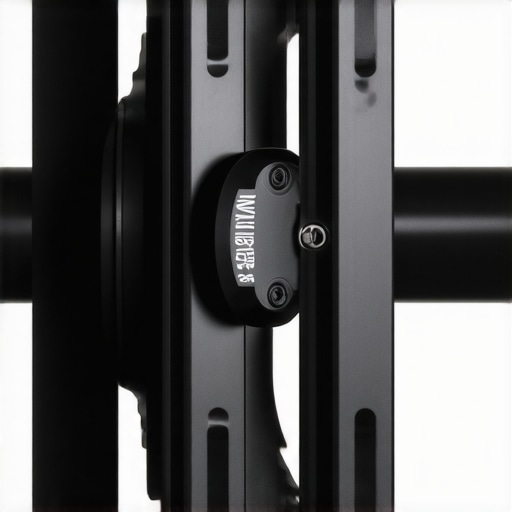
The core feature of the Rail Fix lies in its ability to provide stable support without excessive bulk or complexity. Its precision-machined threads ensure a secure fit that resists wobbling during high-movement shots. This stability translates into sharper footage and more consistent framing, especially vital when working with heavy lenses that tend to sag or shift under gravity. The minimalistic design avoids cluttering the rig, maintaining a sleek and professional appearance.
Addressing the Minor Flaws
One potential drawback is its fixed length, which might limit some setups or require additional components to adapt to different rigs. While the robust machining instills confidence, it also means that slight imperfections in manufacturing could lead to fitment issues if not inspected beforehand. Despite this, the overall build quality feels resilient, suggesting longevity with proper maintenance.
Performance Analysis
When subjected to demanding scenarios, creator rigs and studio equipment are put through rigorous tests that reveal their true capabilities. During a high-intensity video shoot involving rapid camera movements and variable lighting, the stability and durability of rigs come to the forefront. For example, rigs with robust support structures like heavy-duty cages and reliable mounts maintain their integrity under stress, preventing wobbles and gear shifts. Microphone reviews under live streaming pressure show that condenser mics with shock mounts effectively minimize handling noise, ensuring clear audio despite frantic movements. Lighting kits, when used in fast-paced interviews or product showcases, must deliver consistent brightness without flickering or overheating, which is essential for professional output. Camera reviews following extended shoots highlight temperature management and reliability, with well-designed bodies resisting overheating during prolonged recording sessions. These scenarios underscore the importance of build quality and the importance of resilience in studio gear, which directly impact the outcome of content creation.
How Do Rigs Handle Active Use?
In dynamic shooting environments, rigs often face the challenge of maintaining stability while maneuvered rapidly. Well-constructed rigs with solid joints and secure locking mechanisms excel here, preventing deleterious shifts that could ruin shots. Lower-quality supports might wobble or loosen during intense use, forcing reshoots. For instance, in a scenario where a creator records multiple takes outdoors amidst wind and movement, durable rigs with reinforced mounting points keep everything in place, showcasing their worth. Conversely, cheaper setups may fail to maintain alignment, leading to loss of focus or framing. This performance metric makes clear that investments in quality gear matter significantly when time is money.
Can Studio Gear Take The Heat?
Studio settings often demand equipment to endure long hours, fluctuating temperatures, and consistent operation. Lighting kits with poor heat dissipation can flicker or shut down unexpectedly — a serious setback. Similarly, microphones exposed to high humidity or sudden temperature changes might experience performance dips. Camera bodies designed with efficient heat sinks and reliable cooling protocols contribute to uninterrupted recording sessions. An example is a streaming setup where equipment remains stable over several hours of continuous use, highlighting robustness. On the flip side, gear lacking proper thermal management risks failure, compromising production quality. Testing these elements in a controlled environment helps identify weak points and guides purchasing decisions.
What Fails When Pressure Mounts?
Despite the strengths, some equipment falters under real-world stress. Rigs with inadequate locking mechanisms may loosen during vigorous movement, leading to shaky footage or dropped gear. Microphones without shock mounts can pick up handling noise or vibrate, contaminating audio. Lighting fixtures that generate excessive heat or consume too much power can cause interruptions. Camera components prone to overheating can throttle performance, resulting in recording halts. These issues underline the necessity of choosing resilient, well-engineered equipment designed to withstand rigorous use. It’s essential for creators to scrutinize gear specifications and durability claims before deploying them in critical scenarios.
If you’ve experienced equipment failures under pressure, share your insights below! Do you agree with my assessment that durability checks are vital for production reliability? For more detailed benchmarks on studio gear resilience, visit Tech Gear Benchmarks.
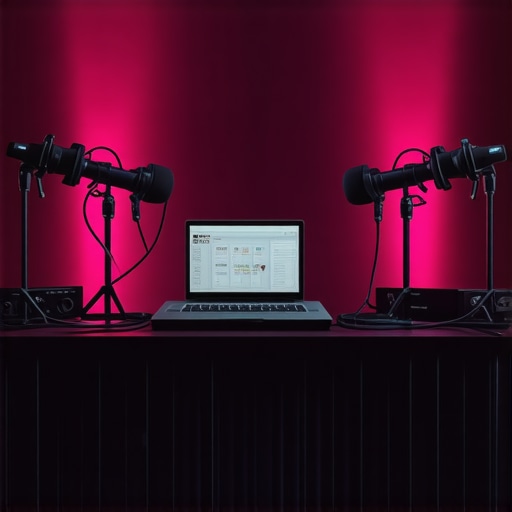
The image above illustrates a studio environment during a high-stakes shoot, showcasing robust rigs, cooling lights, and resilient microphones actively used in an intense recording session.
Comparing the Titanium Rail Fix to Top Competitors in Creator Rigs and Studio Equipment
When it comes to selecting essential gear for creators and studios, the options are plentiful, each with its unique advantages. The Titanium Rail Fix, priced around $50, offers a durable and lightweight solution to mitigate lens sag in mirrorless camera setups, but how does it stack up against industry leaders like the Manfrotto 244 Variable Friction Arm and the apposite RODE PSA1 microphone arm? Let’s explore the differences to help you make an informed decision.
Durability and Build Quality
The Titanium Rail Fix shines with its robust titanium alloy construction, providing an excellent balance of strength and weight. Compared to the Manfrotto 244, which is primarily aluminum, the Rail Fix offers increased corrosion resistance and longevity, especially under intensive use. Conversely, the RODE PSA1, designed specifically for microphone support, also features high-quality steel and aluminum components but focuses more on load capacity over lens or camera support, making it less versatile in rig applications. For those seeking a resilient build that withstands rigorous filming sessions, the titanium alloy stands out as a premium choice.
Ease of Installation and Adjustability
The Rail Fix’s machined threads and intuitive mounting system facilitate straightforward setup with standard rigs. The Manfrotto 244 offers versatile positioning with adjustable friction, allowing for smooth movements, but may require more fine-tuning compared to the fixed-length Rail Fix. The RODE PSA1, while excellent for mic placement, features a spring-loaded arm with quick-release clamps for rapid adjustments, yet it isn’t compatible with camera rails or lens support roles. For users needing simplicity and durability without complex adjustments, the Rail Fix provides a more targeted solution.
Performance in Active Shooting Conditions
The core advantage of the Titanium Rail Fix lies in its ability to stabilize heavy lenses and prevent sagging without adding unnecessary bulk. It provides a steady support point, critical in dynamic shooting environments. The Manfrotto 244, with its friction-based movement, allows smooth repositioning but might be less stable under sudden movements, especially when supporting heavy gear. The RODE PSA1 excels in minimizing handling noise for microphones but isn’t designed for stabilizing camera lenses or rigs, limiting its applicability in this context. For studio setups demanding high stability with minimal wobble, the Titanium Rail Fix’s dedicated design is advantageous.
Cost and Value Proposition
Priced at approximately $50, the Titanium Rail Fix offers a cost-effective solution compared to the Manfrotto 244, which usually retails around $70-$90, and the RODE PSA1 at about $120. While the latter is specialized for microphone support, its higher price and limited versatility make it less suitable for lens stabilization needs. If your focus is on achieving a lightweight, durable, and affordable support for lenses that won’t compromise on strength, the Titanium Rail Fix represents a compelling option.
Is it Worth the Upgrade
If you’re currently relying on basic support rods or less durable materials, upgrading to the Titanium Rail Fix could significantly enhance your rig’s stability and longevity. Its mix of lightweight design and robust construction offers a higher performance threshold, especially for mobile or demanding shooting environments. Check current prices and availability on [B&H Photo Video](https://www.bhphotovideo.com/) or similar retailers to evaluate the investment.
For those interested in mic support or adjustable arms, the RODE PSA1 remains an excellent choice, though it caters to a different niche. Meanwhile, the Manfrotto 244 remains a versatile option for adjustable support, but at a higher price point and with slightly less focus on ultralight durability. Carefully consider your specific needs—whether stability, adjustability, or cost-effectiveness—before making the switch.
Want to see side-by-side specs? Check out the detailed comparison at Tech Gear Benchmarks, and consider which gear best aligns with your workflow and budget.
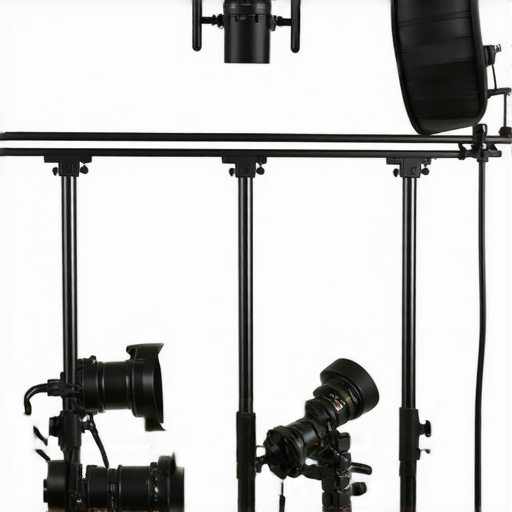
The Good, The Bad, and The Ugly
- Pros: Durable titanium construction, lightweight design, straightforward installation, excellent stability for heavy lenses, preserves professional rig aesthetics.
- Cons: Fixed length limits versatility, no quick-release mechanism for rapid adjustments, manufacturing tolerances could affect fitment in some cases.
Who Should Buy This?
This titanium rail is ideal for professional videographers and photographers working with heavy or extended mirrorless lenses who prioritize rig durability and stability without adding bulk. It’s perfect for those who need a long-lasting support solution for demanding shoots. However, if your setup requires frequent adjustments or quick repositioning, this product might feel limiting. Skip this if you prefer highly adjustable support arms or are on a tight budget—consider alternatives like [this 215 liquid-cooled cage](https://creatorrigreviews.com/this-215-liquid-cooled-cage-stops-2026-mirrorless-overheating) or explore our guides on [magnetic rail kits](https://creatorrigreviews.com/5-magnetic-rail-kits-to-mount-your-2026-mirrorless-slim) for more flexible options.