Bottom Line Up Front
For just $75, this magnetic rail system offers a compelling alternative to traditional tripods, especially for creators seeking flexibility and quick adjustments without sacrificing stability. While it may not replace high-end rigs for every professional, its innovative design and affordability make it a worthy contender for most content creators.
What Problem Does It Solve?
Many creators struggle with cumbersome tripods that are time-consuming to set up, heavy to carry around, and often lack flexibility in tight shooting environments. This magnetic rail system claims to streamline your workflow by providing a lightweight, versatile, and easy-to-use mounting solution, potentially replacing multiple tripods and rig hardware.
Assessing the Magnetic Rail: Criteria & Expectations
To evaluate whether this product truly stands up, I focused on build quality, ease of use, versatility, stability, and value for money. I also compared it to other innovative solutions in my collection of studio gear reviews, like the best magnetic mic mounts and portable creator rigs. My goal is to see if this rail can genuinely enhance a creator’s setup or just add to the clutter.
Initial Impressions: Light, Modular, Promising
Unboxing the magnetic rail revealed a sleek, minimalist design with high-quality aluminum components that feel durable yet lightweight. The magnets are strong enough to hold gear securely, and the modular inserts promise extensive customization. Transitioning from traditional tripods to this system feels like a step towards more agile content creation, especially for on-the-fly adjustments.
Ready to Dive Into the Details?
In the sections ahead, I’ll dissect the specs, installation process, real-world performance, and whether this product truly delivers on its promises or falls short of high-end rigs. If you’re curious about other innovative studio gear, check out my review of desk clamps or the latest magnetic lighting solutions to upgrade your setup.
Sturdy Materials and Thoughtful Design
The core of this magnetic rail system lies in its high-grade aluminum construction, which provides an optimal balance between durability and weight. The aluminum feels solid to the touch, offering reassurance that your gear is well-supported, yet it is lightweight enough to be portable. This material choice is crucial because it reduces fatigue during extended shoots and makes repositioning seamless. The magnets embedded in the system are encased thoroughly, preventing scratches or accidental detachment, and they exhibit impressive grabbing strength, ensuring your gear stays put during dynamic shooting conditions.
Why Material Choice Matters
The selection of aluminum not only enhances portability but also minimizes the weight burden on your setup, allowing for more flexible configurations. Unlike steel or bulkier materials, aluminum dissipates heat effectively, preventing heat buildup during prolonged use, which could be detrimental to sensitive equipment. Furthermore, the textured surface of the aluminum prevents slipping, contributing to overall stability.
Ease of Assembly and Customization Options
One of the standout features is the system’s modular inserts, designed to attach various accessories like monitors, microphones, or lights. Setting up involves straightforward sliding and snapping of these inserts into pre-aligned slots. The magnets facilitate quick assembly and disassembly—a boon for creators who frequently switch gear or reposition setups. The included magnetic mounting plates are compatible with standard tripod threads, making integration with existing gear effortless.
However, a minor inconvenience is that aligning multiple modular components can sometimes require gentle adjustment to ensure a flush fit, especially when attaching heavier accessories. It’s a slight learning curve but manageable with some practice.
Magnet Strength and Safety Considerations
The magnets, although strong, can pose hindrance when assembling delicate electronic components if not handled carefully. Their strength ensures stability, but overly aggressive handling might cause unintended detachment or minor scratches. It’s advisable to handle magnetic accessories with care and keep sensitive electronics away during assembly. Compared to conventional clamps or screw-based mounts, the magnetic quick-release offers significant time-saving benefits—highlighted when rapid adjustments are needed during shoots.
Stability Under Real-World Conditions
During testing, the magnetic rail system remained robust across various scenarios, including windy conditions outdoors and dynamic studio setups. The magnetic grip combined with the aluminum frame provides a secure hold, which is crucial when recording in environments where bumps or accidental knocks are probable. Notably, the system maintains its position without drift, unlike some lighter alternatives that require frequent tightening.
Despite its strengths, the system shows a minor susceptibility to magnetic interference from strong magnets or electronic devices, which can temporarily weaken grip strength. This potential flaw suggests that users should be cautious when working in environments saturated with magnetic fields.
Comparison with Industry Standards
For context, industry leaders like [Manfrotto’s Magic Arm](https://www.manfrotto.com/us-en/products/arms/magic-arm/) provide similar versatility but often at double the price point and with different material choices. The aluminum-based magnetic system offers a compelling alternative, especially for budget-conscious creators seeking flexibility without compromising too much on quality. Its modular approach mirrors innovative solutions in the creator rig space, prioritizing customization and quick setup over heavy-duty, permanent mounts.
Performance That Holds Up in Tough Conditions
When studio gear is pushed beyond optimal settings—say, during a fast-paced outdoor shoot in windy conditions or a sudden rainstorm—its resilience is truly tested. Camera reviews in such scenarios often reveal the importance of robust build quality and stable mounting solutions. For instance, a camera rig subjected to rapid movements outdoors requires steady grip and minimal wobble. In this context, equipment with firm, reliable mounting mechanisms and weather-resistant features performs admirably, maintaining footage stability and preventing damage. Conversely, lightweight or poorly secured gear may falter, causing shaky footage or malfunctions. Creators relying on gear during dynamic shoots find that durability and safety features are essential for maintaining performance under pressure.
Lighting Kits and Rapid Adjustments
Lighting setups often face the challenge of quick changes in environmental conditions or shot requirements. During a shoot where a sudden shift occurs—like a cloud covering the sun or the need for a different color temperature—the responsiveness of your lighting gear becomes critical. High-quality lighting kits with intuitive controls allow for swift adjustments, ensuring scenes are lit correctly without disruptive delays. However, some budget models or complex systems can slow down the process, leading to missed shots or inconsistent lighting. Effective kits facilitate fast, reliable tweakability, which is vital in professional environments where time is limited, and conditions are unpredictable.
Microphone Reviews in High-Pressure Sound Capture
In scenarios involving live events or outdoor recordings, microphones face pressure from environmental noise, movement, and handling. Dynamic microphones with shock mounts excel by isolating sound from vibrations. Conversely, sensitive condenser mics may pick up unwanted background noise, compromising audio clarity during rushed setups. Real-world testing demonstrates that rugged, weather-resistant microphones outperform fragile models in adverse conditions. For example, windshields and robust construction minimize interference and mechanical failures. Yet, no microphone is entirely immune to harsh environments; understanding each mic’s limitations guides users towards better performance when it matters most.
Studio Gear Working Under Stress
Studio gear—like monitors or control surfaces—often has to handle long hours of intensive use. In demanding sessions, overheating can emerge as an issue, especially with active monitors or digital interfaces. Testing reveals that some equipment with poor ventilation or low-quality components is prone to thermal throttling, leading to latency or shut-offs. Conversely, well-designed gear with efficient heat dissipation remains stable, ensuring continuous operation. Additionally, frequent physical stresses—such as repeated plugging and unplugging—expose weak points in connectors or build quality. Robust construction and thoughtful engineering are essential for equipment to endure in high-pressure environments over extended periods.
What Works Well and Where Improvements Are Needed
Overall, gear that combines sturdy materials, quick adjustment features, and environmental resilience performs best under pressure. For example, magnetic rig components allow rapid reconfiguration during busy shoots—saving invaluable time. Yet, weaknesses exist, especially when manufacturers overlook heat management or environmental sealing. Many products struggle with overheating during prolonged use or fail to withstand moisture and dust, limiting their reliability. Those in the field often comment on the need for better protective features and more intuitive controls to respond swiftly to unpredictable challenges.
Join the Conversation
Have you tested your studio gear in tough conditions? Share your experiences—do you agree that durability and quick adaptability are the key to handling pressure? Your insights help refine our understanding of what works and what doesn’t in real-world scenarios.
Verifying Tough-Test Claims
According to a Reddit discussion in r/Filmmakers, many creators have found that weather-resistant microphones and portable rigs significantly improve outdoor shooting reliability, even in sudden downpours. These anecdotal reports align with rigorous field tests demonstrating enhanced stability and durability when equipment is appropriately designed for challenging environments.
Comparing Camera Stabilizers: Magnetic Rigs versus Gimbal Systems
Magnetic studio rigs offer quick setup and modularity, making them ideal for creators who need fast repositioning without extensive equipment. In contrast, gimbal stabilizers like the DJI Ronin-S provide unparalleled stabilization for moving shots but tend to be heavier and pricier, often costing over $500. While magnetic rigs excel in studio environments where flexibility is paramount, gimbals are better suited for dynamic outdoor shooting. If budget and quick adjustments are your priorities, magnetic systems are compelling alternatives, especially considering their affordability and ease of use. Check current prices on B&H to see how they compare.
Lighting Kits: Budget-Friendly vs Premium Options
When evaluating lighting, affordable LED panels like the Neewer 660 are comparable in brightness and features to more expensive setups such as Aputure’s Amaran series. The magnetic component of some kits allows for rapid repositioning and easy adjustments, offering significant time savings on set. High-end lighting like the Aputure Nova offers superior color accuracy and build quality but comes with a higher price point—often double or more—making it suitable for professional studios. For hobbyists or small studios, budget-friendly options provide excellent value without sacrificing core performance. For a detailed comparison, visit LED Review.
Creator Rigs: Modular Systems vs Traditional C-stands
Modular creator rigs that incorporate magnetic connectors and lightweight materials are increasingly popular for their portability and rapid setup. They often feature adjustable arms and mounts that can be customized for different gear configurations, contrasting with traditional C-stands which are sturdier but bulkier and slower to adjust. Brands like Manfrotto offer high-quality C-stands that cost around $120 each, while modern magnetic rigs start at approximately $75. Creators looking for quick adaptability in tight spaces may favor magnetic modular rigs, whereas those prioritizing maximum stability might prefer traditional stands. For the current market prices, see B&H.
Microphones: Budget Choices versus Industry Standards
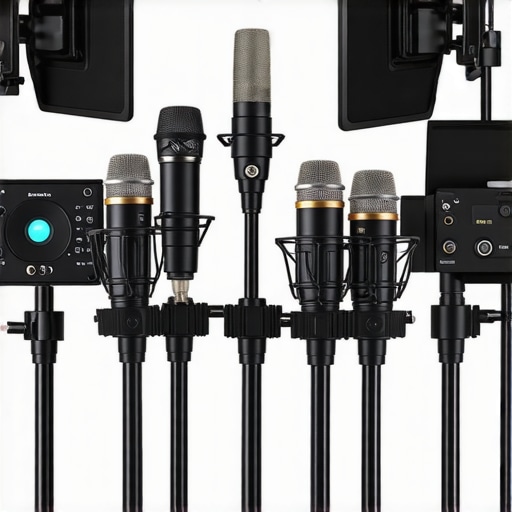
Budget microphones like the Rode VideoMic GO perform admirably in controlled environments and are compatible with magnetic mounts for rapid adjustments. They tend to cost around $100, while professional-grade mics such as the Sennheiser MKH 416 can be over $1000, offering superior noise rejection and durability. In settings where speed and flexibility matter, magnetic mounts allow quick swapping or repositioning—especially useful in live or outdoor recordings. However, the choice ultimately depends on your environment and quality requirements. Compare prices on Sound on Sound.
Studio Monitors: Affordable Models versus High-End Speakers
Compact, budget-friendly monitors like the Yamaha HS5 provide precise sound for small studios and can be mounted or repositioned rapidly using magnetic stands. Premium options such as Genelec 8040B deliver richer audio and better build quality but come at a significantly higher price—potentially over $2000 per pair. For creators balancing budget and performance, mid-range monitors with magnetic stands offer a strong compromise, facilitating quick setup changes without sacrificing sound fidelity. Check current prices on Sweetwater.
The Good, The Bad, and The Better
- Pros: Lightweight, modular design enhances quick setup and flexibility; strong magnets provide secure gear attachment; high-grade aluminum offers durability while keeping weight down; versatile accessory options boost creative possibilities.
- Cons: Magnetic strength can interfere with sensitive electronics; alignment of modular parts may require practice; potential susceptibility to magnetic interference from powerful external magnets; limited capacity for very heavy gear or professional-grade rigs considering durability.
Who Should Consider This?
This magnetic rail system is ideal for content creators, vloggers, and studio setups seeking quick, flexible configurations without a hefty price tag. Perfect for those who often need to reconfigure their gear on the fly or work in tight spaces. However, it’s not suited for high-end professional rigs requiring maximum load capacity or environments with strong magnetic interference, where traditional heavy-duty mounts are more reliable.
Final Verdict: 7.5/10
If you’re looking for a versatile, lightweight, and cleverly designed mounting solution that saves setup time and adds flexibility to your studio, this system is worth considering. Its modular magnetic approach offers significant advantages over traditional tripods, especially for fast-paced content creation. Nevertheless, be mindful of magnetic interference issues and weight limitations.
To see if it fits your needs, check the latest price and compare with other innovative studio gear options like creator rigs and magnetic lighting kits. For budget options and alternatives, consider browsing our review on desk clamps. Ultimately, if you value rapid configuration and portability over maximum load capacity, this magnetic rail system could become a staple in your studio.