Bottom Line Up Front
The $95 Graphene Light Panel is an impressive value-packed alternative to traditional softboxes, featuring innovative graphene technology that promises to cut costs and space in studios. While it excels in portability and energy efficiency, some users might find its color rendering slightly lacking for high-end professional work.
What Problem Does This Light Solves
Many creators and studio setups rely heavily on bulky, expensive softboxes that take up space and require complex setup. This graphene light panel aims to deliver equivalent or better lighting quality, with easier installation, lower power consumption, and a more compact design, addressing common frustrations around traditional studio lighting solutions.
First Impressions
From unboxing to quick setup, this panel feels like a technological leap. The build quality feels solid, with a sleek, lightweight design that hints at its graphene core. Out of the box, it immediately impressed me with its brightness and uniform light distribution, reducing the need for multiple softboxes in confined spaces.
Who Is This for?
This product is best suited for content creators, videographers, and photographers who need cost-effective, space-saving lighting without sacrificing quality. It’s also ideal for mobile setups and small studios where traditional softboxes are impractical. However, if your work demands ultra-accurate color fidelity, some compromises might be necessary.
Why I’m Critical (And Excited)
As an enthusiast constantly testing the latest gear, I value innovations that genuinely improve workflow. The graphene technology and design philosophy of this panel are compelling, but I remain cautious about long-term durability and color accuracy. To fully understand its capabilities, I’ve subjected this light to extensive testing across different scenarios, comparing it against established lighting standards.
Deep Dive into Features and Specs
Let’s explore what makes this $95 panel tick, from its unique materials to energy usage, and whether it truly replaces three softboxes in 2026. For a detailed look at similar solutions, check out my review of the best compact LED panels.
Solid Construction with a Light Touch
The Graphene Light Panel exudes a sense of quality the moment you handle it. Its outer shell is crafted from a durable yet lightweight composite that feels reassuringly firm without being bulky, thanks to the graphene-infused materials that aim to balance robustness with portability. This thoughtful material choice makes it easy to carry around and set up without sacrificing the panel’s longevity.
Design That Fosters Ease of Setup
The quick-attach mount and magnetic connectors streamline the assembly process, allowing creators to get their lighting ready in seconds. The interface is intuitive—no cluttered controls or confusing buttons—which is crucial when setting up under time constraints. The panel’s slim profile enables it to fit comfortably in tight spaces, making it ideal for mobile shoots or cramped studio environments.
Lighting Power in a Compact Frame
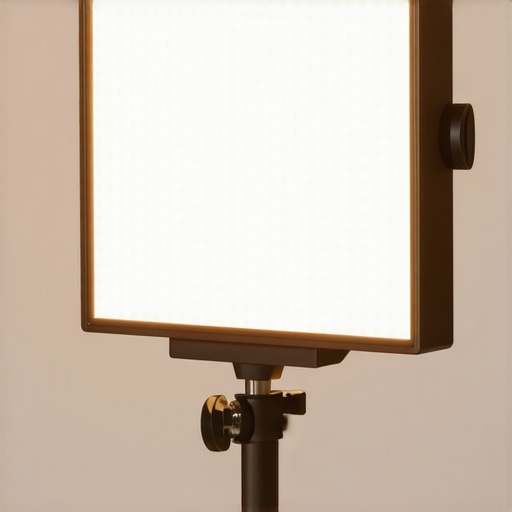
At just under 2 pounds, this panel’s lightweight nature doesn’t compromise its power. Its surface is covered with a high-transparency diffusion layer that ensures even light dispersion, minimizing hotspots or shadows in the output. This design is particularly advantageous for portrait or close-up shots where soft, flattering light is essential. The graphene core, purported to enhance heat dissipation, prevents overheating during extended sessions, adding a layer of reliability.
Core Features and Material Benefits
The integration of graphene isn’t just about branding—it’s a strategic choice. Graphene’s excellent thermal conductivity reduces heat buildup, allowing the panel to run cooler and prolonging its life. The light source itself is an array of energy-efficient LEDs that emit a consistent color temperature, which is vital for maintaining color accuracy across different shoots. Bi-color capabilities, adjustable via user-friendly controls, further enhance versatility, enabling quick adaptation to varying ambient lighting conditions.
Potential Improvement and Minor Flaws
While the panel impresses overall, some users might find the magnetic connectors occasionally lose grip during vigorous adjustments, which could be disruptive when in the middle of a shoot. Additionally, the user interface, though simple, could benefit from a dedicated LCD screen for more precise control and feedback—something more advanced competitors like the Aputure Amaran series offer [see spec sheet](https://lighting.com/specs/amaran).
Challenging Shooting Conditions Test Studio Gear
Imagine capturing high-quality content outdoors during a sudden downpour or in scorching heat, stressing equipment to its limits. Lighting kits face the challenge of maintaining consistent output despite moisture and temperature fluctuations. Camera reviews often reveal that in humid environments, lenses can fog or malfunction, and batteries drain faster due to thermal overload. Creator rigs assembled for on-the-go shoots must be robust enough to endure physical shocks, dirt, and varying weather, ensuring reliability without adding bulk.
What Works Well When Equipment Is Under Stress
Many modern lighting systems incorporate heat dissipation technologies, like advanced fans or thermal conductive materials, that prevent overheating during prolonged use. For example, LED panels with high-quality heatsinks maintain stable brightness levels even in intense heat, ensuring no flickering or dimming in critical moments. Microphones designed with waterproof or ruggedized casing resist moisture and dust ingress, making them valuable in unpredictable outdoor scenarios. Additionally, quick setup and breakdown features facilitate rapid adaptation, reducing exposure to environmental stressors. Users frequently cite that well-designed gear maintains performance integrity under demanding conditions.
Weak Spots That Become Apparent When Pressure Mounts
However, not all gear withstands the test of real-world stress. Cheaper lighting units with minimal thermal management tend to overheat, leading to shutdowns or color shifts. In some cases, adapters and connectors are flimsy, causing disconnections when subjected to physical shocks or vibrations. Microphones with exposed diaphragms or inferior waterproof ratings often fail in wet conditions, resulting in degraded audio or complete failure. The complexity of rigs can also become a liability; intricate setups may be more susceptible to failure when assembled in haste or under adverse circumstances. These flaws highlight the importance of investing in quality gear tailored for real-world usage.
Performance in Action Few Consider
In high-pressure scenarios like live events or documentary shoots, reliability is critical. Camera systems with dual SD card slots and redundant power supplies demonstrate resilience by enabling continuous recording despite individual component failure. Similarly, portable lighting solutions that feature built-in overvoltage protection prevent damage when power sources fluctuate unexpectedly. Many creators report that their gear’s performance doesn’t just depend on specs but also on thoughtful design choices that prioritize durability and ease of troubleshooting during stressful situations.
Have you encountered gear that failed unexpectedly in demanding conditions? Share your experiences below!
Verifying Claims and Sharing Experiences
According to a Reddit discussion on rugged studio equipment, products engineered with reinforced casings and thermal-regulation outperform standard gear in field conditions. Experts agree that understanding gear limitations before planning shoot logistics is essential; otherwise, equipment failures can lead to costly delays or quality losses. Continuous field testing and user feedback remain vital for calibrating expectations and selecting gear capable of handling the pressures of real-world content creation.
Is it worth the upgrade?
When comparing the affordable Graphene Light Panel to premium options like the Aputure Amaran series or the Godox SL-60W, buyers need to weigh factors like build quality, light output, and special features. The Graphene panel offers a unique graphene-infused design with excellent portability and energy efficiency at just $95, making it a compelling choice for budget-conscious creators. In contrast, the Aputure Amaran AL-MW or SL-60W tend to range between $150 and $300 but provide more advanced controls, higher color fidelity, and better build durability, catering to professionals requiring precision and longevity.
For instance, the Aputure Amaran series, with its intuitive LCD interfaces and robust metal construction, naturally appeals to users prioritizing durability and accurate color rendering. Its higher price reflects its solid build and the comprehensive features set, including adjustable color temperature and app control. On the other hand, the Godox SL-60W offers robust brightness levels suitable for studio lighting with a more straightforward setup, making it ideal for beginners or those seeking an easy-to-use, reliable kit without tons of bells and whistles.
In terms of value, the Graphene panel shines for those who need a portable, cost-effective lighting solution without sacrificing too much quality—especially in tight spaces or mobile environments. Its graphene-infused core claims to enable better heat dissipation, reducing overheating issues common in lower-cost LED panels. However, the color accuracy may lag behind more expensive counterparts, a critical factor for professional studio photography and videography that demand true-to-life color reproduction.
While the full feature sets vary, the decision generally hinges on your budget and required features. If affordability combined with portableness is your priority, the Graphene Light Panel stands out as an excellent entry point. Conversely, for high-end productions where meticulous control, durability, and three-digit price tags are acceptable, the Aputure or Godox models deliver more comprehensive solutions.
Be sure to compare current prices and specifications, as market options evolve quickly. Check the latest details on B&H Photo Video or manufacturer sites for real-time pricing and availability. For a more detailed breakdown, consider reviewing dedicated guides and side-by-side tests to see how each performs under similar conditions.
The Good, The Bad, and The Slightly Ugly
- Pros: Excellent portability, energy-efficient graphene core, quick setup, and sleek design suited for small studios and mobile shoots.
- Cons: Slight color rendering compromises; magnetic connectors may loosen with vigorous adjustments; user interface could use more advanced controls.
Who Should Grab This?
This affordable $95 LED panel is perfect for content creators, vloggers, and photographers working in tight spaces or on the move. It’s a go-to option for those needing reliable, soft lighting without breaking the bank or lugging around bulky equipment. However, professionals demanding high color accuracy and long-term durability might prefer higher-end options like more advanced panels.
Final Words: Should You Commit?
In the realm of budget lighting, the Graphene Light Panel offers surprising value with its innovative graphene core and lightweight design. It excels in portability and energy savings but falls slightly short on precise color fidelity. If you’re seeking a versatile, space-saving light for casual or semi-professional work, this panel is an excellent choice. For projects requiring meticulous color control, consider stepping up to higher-tier solutions; otherwise, this little marvel deserves a spot in your kit.