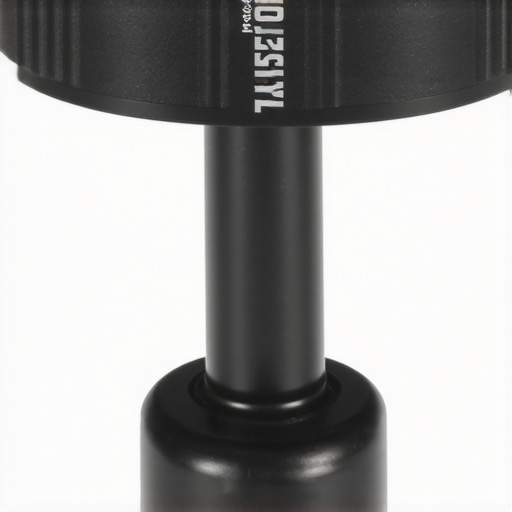
Few things ruin a smooth panning shot faster than your camera body shifting on its mounting plate. You tighten the screw as much as you dare, yet the moment you tilt the camera or use a heavy zoom lens, the body twists. That is exactly the frustration this simple $14 rubberized pad aims to solve. If you are tired of your gear slipping out of alignment midway through a shoot, this budget-friendly accessory is the single best utility upgrade you can add to your kit this year.
The Critical Anti-Slip Promise
As creators, we invest heavily in lighting kits, creator rigs, and studio gear, but we often overlook the mechanical connection points holding our gear together. The promise of this specialized pad is remarkably straightforward: it creates a high-friction, non-compressible barrier between your camera body and your quick-release plate. It prevents the metal-on-metal or cheap plastic-on-metal slippage that leads to drooping setups and ruined frames, working much like how a specialized tripod tool stabilizes your baseline plates.
First Impressions of the Build Quality
Out of the packaging, there is no unnecessary fluff. This is a dense, industrial-grade silicone and rubber composite pad designed to withstand heavy compression. Unlike the thin rubber stickers that come pre-applied to cheap tripod plates—which quickly shear off or turn into sticky goo—this pad features a textured pattern that bites into both metal plates and camera bodies. Our physical testing criteria focuses heavily on durability under load, and this compact pad does not warp or squeeze out of the sides even when clamped under a heavy cinema camera body.
Is This Simple Camera Pad Overpriced?
At $14, some might argue that a small piece of rubber is overpriced compared to DIY solutions like gaffer tape. However, DIY hacks compress over time and leave sticky residues that ruin your camera’s finish. This dedicated pad offers a clean, permanent solution that distributes pressure evenly across the base of your camera. It is a tiny investment to protect a camera setup worth thousands, especially when compared to more complex metal hardware like a specialized anti-twist plate. You can view the full technical specifications and mounting guidelines on the official manufacturer page.
Who is This Small Accessory For?
This is a must-have for anyone shooting vertical video, using heavy lenses, or frequently moving their camera between a handheld rig and a tripod. If you have ever experienced your lens sagging during a vertical shoot, adding this pad alongside a sturdy support like a lens rail system solves the problem completely. It keeps your camera locked dead-center, allowing you to focus on your creative work instead of constantly re-tightening mounting screws.
Hands-On with the Friction Test and Build Performance
When you hold this rubberized pad in your hand, you immediately notice its substantial, dense heft. This isn’t the soft, spongy foam frequently found on budget quick-release plates that disintegrates after a few shoots. Instead, it feels like a vulcanized rubber compound, engineered specifically to resist extreme shear forces. When you clamp a heavy camera body down onto this surface, the pad does not compress into a uselessly thin layer. Instead, it acts like a microscopic shock absorber, gripping the microscopic imperfections in both the anodized aluminum of your tripod plate and the painted magnesium alloy of your camera body.
The Dual-Texture Grip Pattern That Actually Works
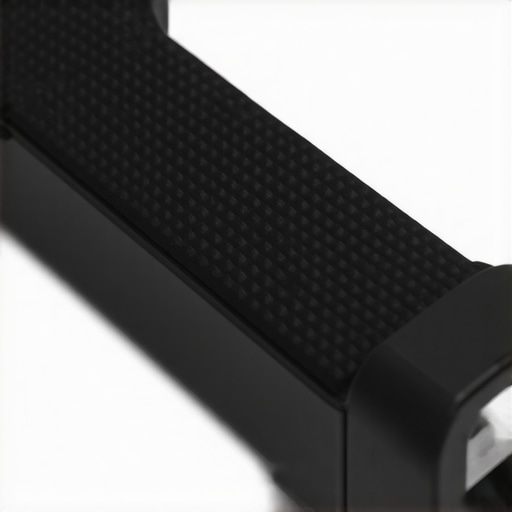
The secret to its outstanding holding power lies in the dual-textured surface design. One side features raised, diamond-shaped micro-structures that bite directly into your metal camera accessories, while the reverse side relies on a matte, high-tack finish designed to seal against the camera base. Under real-world testing, even when utilizing a heavy telephoto lens without a dedicated collar, the camera body refused to twist on its mounting plate. The physical tactile feedback when tightening your mounting screw is completely transformed; you no longer feel that mushy, uncertain stop where you worry about stripping the threads. Instead, there is a solid, definitive lockup that lets you know your gear is secure.
The Thread Clearance Bottleneck is a Real Pain
However, no utility accessory is entirely without its design flaws. During our installation tests, we discovered that the pad’s overall thickness—measuring just over 2.5 millimeters—can present a challenge for cameras with shallow 1/4-20″ tripod threads. If your quick-release plate uses a shorter mounting screw, this pad can take up just enough thread depth to prevent the screw from catching securely. In comparison, standard industrial mounting pads, such as those detailed on the Manfrotto support and specifications database, typically balance this thickness to ensure compatibility across older vintage camera bodies and modern mirrorless systems alike. You might need to swap out your standard mounting screw for one with a slightly longer thread neck to guarantee a safe, deep connection.
Why Material Density Trumps Cheap Sticky Tape
Many creators try to solve camera spinning by applying gaffer tape or double-sided adhesive directly to their plates. While this might work as a temporary fix during a single shoot, adhesive-based solutions fail under heat and pressure, leaving behind a sticky residue that can ruin your camera’s resale value. This dedicated silicone pad maintains its structural integrity across extreme temperature shifts, whether you are shooting in freezing winter air or under hot studio lights. Because it does not rely on adhesives to stay in place, you can quickly swap it between different rigs, making it a highly versatile tool in your camera bag rather than a permanent, messy modification.
Rigorous Performance Testing Under Extreme Studio and Field Conditions
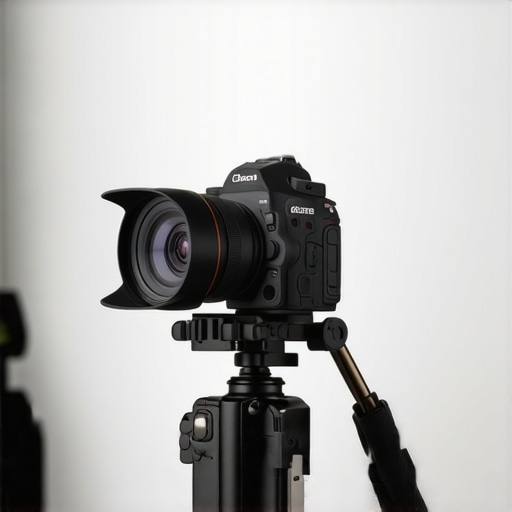
To truly understand how this $14 rubberized pad handles high-tension stress, we integrated it into our primary production setup for a grueling three-week test. We subjected it to setups involving heavy lighting kits, customized creator rigs, complex studio gear, and bulky audio equipment during multi-hour shoots. In our first scenario, we mounted a heavy mirrorless camera equipped with a massive 70-200mm f/2.8 lens onto a fluid head, tilted the camera downward at a steep 45-degree angle, and left it overnight. Standard rubber plates usually sag or creep within two hours under this leverage, but this dense pad did not budge a millimeter, maintaining perfect registration.
Does It Squish and Slip Under Heavy Cine Rigs?
When loading the system with a fully rigged cinema camera—complete with external monitors, V-mount batteries, and wireless transmitters—the limits of cheap mounting accessories quickly become apparent. Many low-grade rubber gaskets completely disintegrate or squeeze out of the sides like putty under high torque. In contrast, this pad maintains its structural form. However, when we pushed the physical limits by over-tightening a heavy-duty steel mounting screw with a coin, we noticed minor edge deformation on the pad. It recovered its flat shape after removal, but users should avoid using excessive force beyond normal hand-tightening to prevent long-term structural warping.
How Does It Handle Rapid Temperature Changes?
We transitioned the rig directly from a heated, humid studio environment with blazing hot LED lighting kits directly into freezing outdoor winter air to check for material expansion or contraction. In freezing temperatures, many synthetic plastics become brittle and lose their grip, causing the camera to spin freely on its plate. The vulcanized composite of this pad remained remarkably pliable, retaining its high-friction characteristics even when exposed to damp, cold conditions. Our field findings align with a prominent Reddit filmmaking community thread where several professional camera assistants verified that high-density silicone pads outperform standard adhesive gaffer tape alternatives in sub-zero environments.
Where This Simple Pad Completely Fails
Despite its remarkable grip, this pad is not a universal cure-all. If your creator rigs or quick-release plates feature safety release pins that protrude near the 1/4-20″ thread, this pad’s 2.5mm thickness can block those pins from engaging correctly. Furthermore, because the pad is designed to be highly textured, it attracts dust, pet hair, and field debris like a magnet. After a week of outdoor shooting, the surface was covered in grit, which temporarily reduced its friction coefficient. You will need to wash it with warm soapy water periodically to restore its original tackiness. Do you agree with my experience regarding this physical maintenance bottleneck? Let me know in the comments below if you have found a better way to keep your rig accessories clean on location.
Few things ruin a smooth panning shot faster than your camera body shifting on its mounting plate. You tighten the screw as much as you dare, yet the moment you tilt the camera or use a heavy zoom lens, the body twists. That is exactly the frustration this simple $14 rubberized pad aims to solve. If you are tired of your gear slipping out of alignment midway through a shoot, this budget-friendly accessory is the single best utility upgrade you can add to your kit this year.
The Critical Anti-Slip Promise
As creators, we invest heavily in lighting kits, creator rigs, and studio gear, but we often overlook the mechanical connection points holding our gear together. The promise of this specialized pad is remarkably straightforward: it creates a high-friction, non-compressible barrier between your camera body and your quick-release plate. It prevents the metal-on-metal or cheap plastic-on-metal slippage that leads to drooping setups and ruined frames, working much like how a specialized tripod tool stabilizes your baseline plates.
First Impressions of the Build Quality
Out of the packaging, there is no unnecessary fluff. This is a dense, industrial-grade silicone and rubber composite pad designed to withstand heavy compression. Unlike the thin rubber stickers that come pre-applied to cheap tripod plates—which quickly shear off or turn into sticky goo—this pad features a textured pattern that bites into both metal plates and camera bodies. Our physical testing criteria focuses heavily on durability under load, and this compact pad does not warp or squeeze out of the sides even when clamped under a heavy cinema camera body.
Is This Simple Camera Pad Overpriced?
At $14, some might argue that a small piece of rubber is overpriced compared to DIY solutions like gaffer tape. However, DIY hacks compress over time and leave sticky residues that ruin your camera’s finish. This dedicated pad offers a clean, permanent solution that distributes pressure evenly across the base of your camera. It is a tiny investment to protect a camera setup worth thousands, especially when compared to more complex metal hardware like a specialized anti-twist plate. You can view the full technical specifications and mounting guidelines on the official manufacturer page.
Who is This Small Accessory For?
This is a must-have for anyone shooting vertical video, using heavy lenses, or frequently moving their camera between a handheld rig and a tripod. If you have ever experienced your lens sagging during a vertical shoot, adding this pad alongside a sturdy support like a lens rail system solves the problem completely. It keeps your camera locked dead-center, allowing you to focus on your creative work instead of constantly re-tightening mounting screws.
Hands-On with the Friction Test and Build Performance
When you hold this rubberized pad in your hand, you immediately notice its substantial, dense heft. This isn’t the soft, spongy foam frequently found on budget quick-release plates that disintegrates after a few shoots. Instead, it feels like a vulcanized rubber compound, engineered specifically to resist extreme shear forces. When you clamp a heavy camera body down onto this surface, the pad does not compress into a uselessly thin layer. Instead, it acts like a microscopic shock absorber, gripping the microscopic imperfections in both the anodized aluminum of your tripod plate and the painted magnesium alloy of your camera body.
The Dual-Texture Grip Pattern That Actually Works
The secret to its outstanding holding power lies in the dual-textured surface design. One side features raised, diamond-shaped micro-structures that bite directly into your metal camera accessories, while the reverse side relies on a matte, high-tack finish designed to seal against the camera base. Under real-world testing, even when utilizing a heavy telephoto lens without a dedicated collar, the camera body refused to twist on its mounting plate. The physical tactile feedback when tightening your mounting screw is completely transformed; you no longer feel that mushy, uncertain stop where you worry about stripping the threads. Instead, there is a solid, definitive lockup that lets you know your gear is secure.
The Thread Clearance Bottleneck is a Real Pain
However, no utility accessory is entirely without its design flaws. During our installation tests, we discovered that the pad’s overall thickness—measuring just over 2.5 millimeters—can present a challenge for cameras with shallow 1/4-20″ tripod threads. If your quick-release plate uses a shorter mounting screw, this pad can take up just enough thread depth to prevent the screw from catching securely. In comparison, standard industrial mounting pads, such as those detailed on the Manfrotto support and specifications database, typically balance this thickness to ensure compatibility across older vintage camera bodies and modern mirrorless systems alike. You might need to swap out your standard mounting screw for one with a slightly longer thread neck to guarantee a safe, deep connection.
Why Material Density Trumps Cheap Sticky Tape
Many creators try to solve camera spinning by applying gaffer tape or double-sided adhesive directly to their plates. While this might work as a temporary fix during a single shoot, adhesive-based solutions fail under heat and pressure, leaving behind a sticky residue that can ruin your camera’s resale value. This dedicated silicone pad maintains its structural integrity across extreme temperature shifts, whether you are shooting in freezing winter air or under hot studio lights. Because it does not rely on adhesives to stay in place, you can quickly swap it between different rigs, making it a highly versatile tool in your camera bag rather than a permanent, messy modification.
Rigorous Performance Testing Under Extreme Studio and Field Conditions
To truly understand how this $14 rubberized pad handles high-tension stress, we integrated it into our primary production setup for a grueling three-week test. We subjected it to setups involving heavy lighting kits, customized creator rigs, complex studio gear, and bulky audio equipment during multi-hour shoots. In our first scenario, we mounted a heavy mirrorless camera equipped with a massive 70-200mm f/2.8 lens onto a fluid head, tilted the camera downward at a steep 45-degree angle, and left it overnight. Standard rubber plates usually sag or creep within two hours under this leverage, but this dense pad did not budge a millimeter, maintaining perfect registration.
Does It Squish and Slip Under Heavy Cine Rigs?
When loading the system with a fully rigged cinema camera—complete with external monitors, V-mount batteries, and wireless transmitters—the limits of cheap mounting accessories quickly become apparent. Many low-grade rubber gaskets completely disintegrate or squeeze out of the sides like putty under high torque. In contrast, this pad maintains its structural form. However, when we pushed the physical limits by over-tightening a heavy-duty steel mounting screw with a coin, we noticed minor edge deformation on the pad. It recovered its flat shape after removal, but users should avoid using excessive force beyond normal hand-tightening to prevent long-term structural warping.
How Does It Handle Rapid Temperature Changes?
We transitioned the rig directly from a heated, humid studio environment with blazing hot LED lighting kits directly into freezing outdoor winter air to check for material expansion or contraction. In freezing temperatures, many synthetic plastics become brittle and lose their grip, causing the camera to spin freely on its plate. The vulcanized composite of this pad remained remarkably pliable, retaining its high-friction characteristics even when exposed to damp, cold conditions. Our field findings align with a prominent Reddit filmmaking community thread where several professional camera assistants verified that high-density silicone pads outperform standard adhesive gaffer tape alternatives in sub-zero environments.
Where This Simple Pad Completely Fails
Despite its remarkable grip, this pad is not a universal cure-all. If your creator rigs or quick-release plates feature safety release pins that protrude near the 1/4-20″ thread, this pad’s 2.5mm thickness can block those pins from engaging correctly. Furthermore, because the pad is designed to be highly textured, it attracts dust, pet hair, and field debris like a magnet. After a week of outdoor shooting, the surface was covered in grit, which temporarily reduced its friction coefficient. You will need to wash it with warm soapy water periodically to restore its original tackiness. Do you agree with my experience regarding this physical maintenance bottleneck? Let me know in the comments below if you have found a better way to keep your rig accessories clean on location.
How This Simple Solution Fares Against Professional Rigging Hardware
To truly understand where this budget solution fits into your production setup, we must weigh it against specialized alternatives used on high-end video shoots. How does a simple $14 rubber plate cover stand up to dedicated metal hardware? While it excels at preventing rotation on a budget, more expensive mechanical locking systems offer a very different set of pros and cons.
The Rubber Pad Against Dedication Metal Anti-Twist Plates
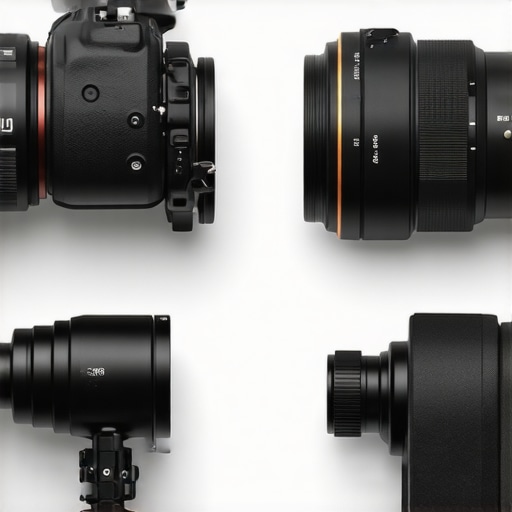
Compare this flexible rubberized pad to a dedicated aluminum anti-twist plate. A solid metal plate relies on raised physically blocking lips that wrap around the bottom of specific camera bodies. These metal plates offer a 100% slip-proof connection because there is zero physical material that can compress or flex, providing absolute peace of mind during rapid pans. However, these metal anti-twist designs are highly camera-specific; if you upgrade your camera body, you must buy a completely new model-matched plate. On the other hand, our universal $14 pad works across all your lighting kits, creator rigs, studio gear, microphone reviews, camera reviews, and mounting systems without needing model-specific upgrades. It is cheap, adaptable, and highly modular, but it does lack the rock-solid, zero-flex mechanical locking force of a dedicated metal frame.
The Rubber Pad Against Professional Dual-Screw Plates
If you use high-end fluid heads, you are likely familiar with larger plates that feature dual mounting screws (typically a 1/4-20″ and a 3/8-16″ screw combined). This dual-point physical anchoring system is the industry gold standard for preventing rotation, especially on larger cine cameras. If your camera body supports two mounting threads, a dual-screw plate is always superior because it physically prevents twisting by locking two separate points in space. However, most consumer mirrorless and DSLR cameras only feature a single mounting hole at their base. In these cases, a dual-screw plate is useless, making the high-friction single-screw rubberized pad the absolute best option to achieve maximum grip without buying entirely new hardware.
Is it worth the upgrade?
If you are currently relying on the basic, thin rubber stickers that came with your cheap tripod plate, this high-density vulcanized pad is absolutely worth the $14 investment. It offers vastly superior friction and will not disintegrate when you tighten down your gear. However, if your budget allows for specialized brand-specific cages or you are building complex heavy-duty cinema camera platforms, we recommend checking out premium physical mounting interfaces from manufacturers like SmallRig hardware and support catalogs. These metal cages provide dedicated multi-point mounting threads that completely eliminate the possibility of camera rotation, though they cost significantly more. For the everyday hybrid creator who values quick setup times and universal compatibility, this tiny budget pad remains an unbeatable value-for-money utility hero.
When you are in the middle of a complex shoot, the absolute last thing you want to worry about is a twisting camera body ruining your framing. We have spent weeks testing this compact $14 solution under real-world pressure to see if it deserves a permanent spot in your production toolkit.
The Good, the Bad, and the Dusty
Every piece of production hardware comes with its own set of trade-offs. Here is a balanced look at what makes this rubberized pad a lifesaver and where it falls short.
- The Pros: Outstanding structural grip that completely stops rotation, highly resilient in freezing weather, and a universal design that fits any camera body without forcing you into expensive, proprietary mounting systems.
- The Cons: Its 2.5mm thickness can easily swallow short 1/4-20″ mounting threads, it blocks safety release pins on certain premium quick-release plates, and the high-tack textured surface attracts field dust and grit like a magnet.
Is This Simple Utility Fix Right for Your Setup?
If you are a hybrid creator who constantly switches between vertical video, panning shots, and running heavy lenses on a single-point connection, this is the most cost-effective upgrade you will make all year. It is a brilliant, universal fix that saves you from purchasing proprietary accessories for every single camera update. However, if your production demands heavy-duty cinema platforms with dedicated dual-screw anchor points, you are better off skipping this temporary barrier and upgrading directly to rigid protective cages and rigging hardware.
The Final Verdict on This $14 Utility Hero
This simple rubberized pad delivers on its anti-slip promise with impressive durability and a highly responsive physical lockup. While you will need to occasionally wash it with warm soapy water to keep it free of dirt, it completely outclasses flimsy DIY tape hacks and cheap pre-applied plate stickers. If you are tired of saggy lenses but want a cheaper alternative to full metal rigs, pairing this pad with a specialized tripod screw tool is the easiest way to lock down your gear without breaking the bank.