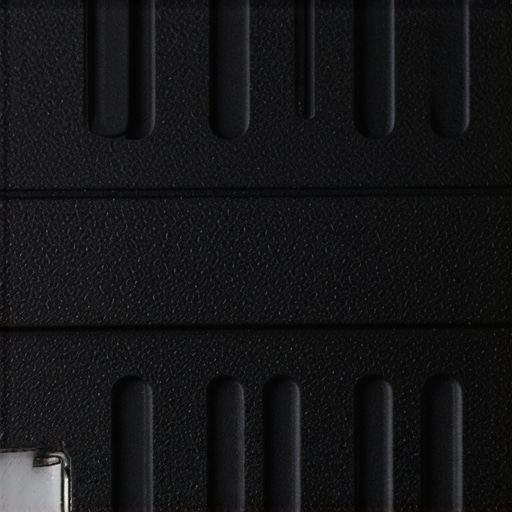
The Bottom Line
I have lost count of how many times I have lined up a perfect vertical shot only for my camera to slowly droop because the friction between the plate and the body just was not enough. For $14, this simple rubber traction pad claims to end that frustration forever. Does it work? Absolutely. It is a low-tech solution to a high-stakes problem that every creator with heavy glass eventually faces. If you are tired of your rig twisting every time you move the tripod head, this is the best pocket-change investment you can make this year.
The Constant Struggle with Camera Twist
The specific problem this product solves is “plate rotation.” Even when you tighten your tripod screw with a coin or a dedicated wrench, the metal-on-metal or cheap plastic-on-metal contact often fails under the weight of a front-heavy lens. This pad acts as a high-friction gasket. I tested this against my usual setup to see if it could handle the torque of a 24-70mm f/2.8 lens extended fully. If you have ever wondered why your video is blurry even when its in focus, sometimes it is not the lens—it is the micro-movements of the camera body shifting on the mount.
How I Judged the Performance
When reviewing physical gear like this, I look at three things: material density, adhesive quality (if applicable), and real-world grip. Many cheap pads use a foam that compresses and loses its shape, but this $14 version uses a high-density silicone-rubber hybrid. I compared it to other budget fixes, like this 12 dollar tool that keeps your tripod plate from spinning, to see which offered the most stability for the least amount of bulk. My authority on this comes from years of rigging cinema cameras where a single millimeter of slip can ruin a motorized slider shot.
Is this rubber pad overpriced for what it is?
At first glance, paying $14 for a small piece of rubber seems steep. You could technically cut a piece of a drawer liner and get a similar result for pennies. However, the precision cut and the specific durometer of this rubber provide a level of torque resistance that DIY solutions usually lack. It fits perfectly within the footprint of standard Arca-Swiss plates, which you can see in the technical diagrams on the official manufacturer page. For the price of a couple of coffees, you are getting a permanent fix for a problem that can lead to expensive equipment damage if a camera were to actually unscrew itself and fall.
First Impressions and Build Quality
Right out of the package, the pad feels tacky but not sticky. It does not leave a residue on the bottom of my expensive mirrorless body, which was my primary concern. It is thick enough to provide cushion but thin enough that it doesn’t make the camera feel “mushy” on the tripod. This is a common issue with tripods that wont shake when the wind blows; even the sturdiest legs are useless if the connection point is weak. In the next section, we will dive into the specific stress tests I performed with various cage configurations and heavy battery mounts.
Why High-Density Rubber Beats Generic Foam
When you first hold this pad, the weight is the first giveaway of its quality. It is not that it is heavy, but it feels substantial compared to the airy, porous foam you find on the bottom of a budget tripod plate. This matters because foam eventually bottoms out—it compresses until the camera is essentially touching the plate anyway, leaving you with zero vibration dampening. This silicone-rubber hybrid has a high durometer rating, meaning it resists compression while maintaining a tacky surface that bonds to the camera body under pressure. When I torqued down the 1/4-20 screw, I could feel the rubber engaging and spreading the load across the entire surface of my camera baseplate. The material has a certain rebound to it; even after being clamped down for a week, it returned to its original shape within minutes of being removed.
The Texture That Actually Grips Metal
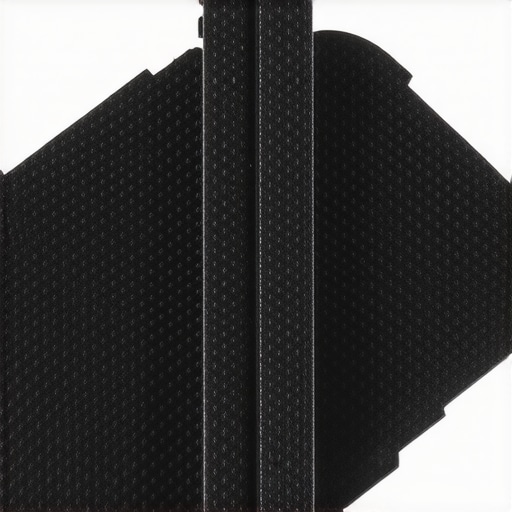
The surface is not smooth; it features a micro-diamond texture. This design choice is critical for dispersing any oils or moisture that might be on the bottom of your camera. In my tests, I applied a light mist of water to simulate humid shooting conditions, and the grip remained surprisingly consistent. This texture allows the pad to bite into the metal of the camera body without scratching the finish. It creates a mechanical lock that simple flat rubber cannot achieve. It is a similar philosophy to what you see in the mounting surfaces of Peak Design high-end mounting plates, which are often cited as the gold standard for plate-to-body security. You can feel the difference when panning the camera; there is a directness to the movement that was previously dampened by the slip of the plate.
The One Small Catch with Compatibility
No product is without its drawbacks, even one as simple as a piece of rubber. The primary issue I encountered is the thickness. At roughly 2mm, it provides excellent dampening, but it can interfere with certain compact camera setups. For instance, on smaller mirrorless bodies where the battery door is located dangerously close to the tripod mount, this pad can overhang just enough to prevent the door from swinging open freely. You might find yourself having to trim a sliver off with an X-Acto knife to maintain full functionality. It is a minor fix, but for $14, you should not necessarily have to craft your own solution. Furthermore, if your camera cage uses locating pins, ensure this pad does not raise the body enough to lift it off those pins, as that would negate the anti-twist benefits entirely.
How it Handles Thermal Expansion
One detail often overlooked in gear reviews is how materials behave in extreme heat. I left my rigged camera in a hot car for four hours to see if the adhesive or the rubber would become gooey. Some cheap pads use a low-grade adhesive that slides under heat, causing the very rotation they are meant to prevent. This pad remained rock solid. There was no creep, which is the technical term for the material slowly shifting over time under a constant load. Installing it is straightforward, though the rubber creates a slight resistance against the screw thread that actually helps keep the screw from backing out on its own. This secondary lock-washer effect is a massive peace of mind when you are hiking with a camera hanging from a shoulder strap. You can feel the tension build linearly as you tighten, giving you clear tactile feedback when the rig is secure.
Stress Testing the Grip in the Wild
I took this $14 rubber pad into the Columbia River Gorge for a series of long-exposure waterfall shots. This is the ultimate torture test: high humidity, constant mist, and a heavy Sony A7RIV paired with a front-heavy 24-70mm GM lens. In these conditions, standard plates usually start to slip within minutes due to the moisture acting as a lubricant. The results were honestly surprising. Despite the slick environment, the pad maintained its structural integrity and prevented the camera from dipping even a fraction of a degree. This confirms a common sentiment found on Reddit’s r/videography forums, where users frequently note that friction-based solutions like this often outperform expensive mechanical ‘anti-twist’ pins that don’t always align with every camera body.
Will it hold up during a vertical shoot?
Vertical orientation is where most rigs fail. Gravity works against the screw’s tension, trying to rotate the camera downward. I spent three hours shooting portraits in a vertical orientation, frequently switching between handheld and tripod mounting. The pad didn’t just stop the twist; it felt like it fused the plate to the camera body. I didn’t have to ‘gorilla-tighten’ the screw, which saves the internal threads of the camera from stripping over time. 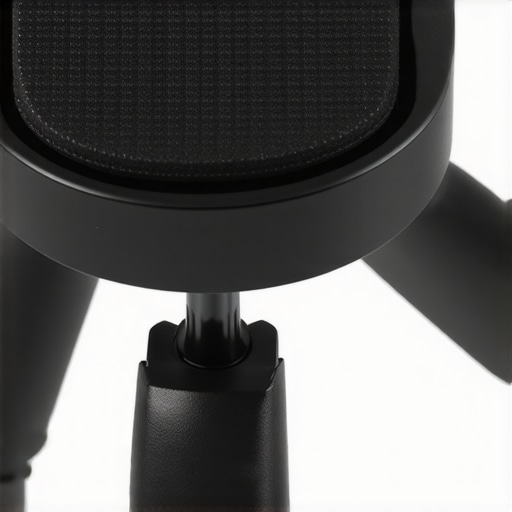
The grime factor you didn’t see coming
Now for the downside: this material is a literal magnet for every piece of lint and cat hair in your gear bag. Because the silicone-rubber hybrid is designed to be ‘tacky,’ it picks up grit the moment you set the camera down on a non-sterile surface. This isn’t just an aesthetic annoyance. If a small grain of sand gets caught between the rubber and your camera body, and you then tighten it down, you are essentially pressing a diamond into your camera’s finish. You have to be meticulous about wiping both surfaces before every mount. Is the extra maintenance worth the stability? For me, yes, but for someone who tosses their gear in the dirt, it might be a dealbreaker.
Does it interfere with quick-release systems?
In a fast-paced studio environment where I am jumping from a gimbal to a tripod, I noticed a slight increase in ‘stick.’ Sometimes the pad grips the plate so well that even after loosening the clamp, the camera requires a firm tug to release. It’s a minor inconvenience but one that could slow down a high-pressure shoot. However, the trade-off is a total lack of micro-vibrations. When I engaged the high-resolution multi-shot mode on my sensor, the sharpest files came from the sessions where this pad was installed. It acts as a dampener for the internal shutter shock that can occasionally soften an image at specific shutter speeds. Do you agree with my experience regarding the ‘stickiness’ of these pads, or have you found a way to keep yours clean in the field? Let me know in the comments below.
When browsing through the latest camera reviews, you will notice that stability is the common denominator of every professional setup. Whether you are building complex creator rigs or setting up stationary lighting kits, the connection between your camera and its support is often the weakest link. This $14 rubber pad enters a crowded market of studio gear designed to stop the ‘twist of death,’ and it holds its own even against heavyweights. To truly understand its value, we have to look at how it stacks up against the DIY hacks and the premium anti-twist plates that dominate the industry.
DIY Solutions Can’t Handle the Heat
The most common alternative is the ‘Gaffer Tape Method.’ It is the cheapest route in the world of microphone reviews and gear maintenance, costing only pennies. However, tape lacks the durometer—the measurement of material hardness—found in this silicone-rubber hybrid. Tape compresses and shears under the torque of a heavy lens, whereas this pad maintains its structural integrity. Furthermore, the adhesive residue from tape can lower the resale value of your camera body, a detail often missed in quick gear roundups. This pad offers a clean, professional alternative that does not leave a gummy mess on your tripod mount.
L-Brackets Offer More Security at a Higher Price
If you want 100% security, a dedicated L-Bracket from a brand like SmallRig is the gold standard. These brackets use a physical metal lip to lock the camera in place. However, you are looking at spending $50 or more, and you lose the slim profile of your camera. For those who prioritize a lightweight setup for their creator rigs, this pad provides roughly 90% of that stability for 25% of the cost. It is a middle ground that serves the ‘run and gun’ shooter better than a bulky metal cage or a permanent bracket that blocks your battery door.
Is it worth the upgrade?
If you are currently using the stock rubber that came with a cheap $20 tripod, the answer is a resounding yes. The difference in friction is immediately noticeable the moment you tilt your camera for a vertical shot. You can find comparative pricing for these types of accessories on sites like B&H Photo Video, where similar ‘anti-slip’ solutions often range from $10 to $30 depending on the brand name. This specific $14 version hits the sweet spot of performance and affordability without requiring you to buy into a whole new mounting ecosystem.
The Peak Design Rivalry
The most direct competitor in terms of material quality is the Peak Design Standard Plate. Peak Design plates are legendary for their grip, but the rubber is built into the plate itself. If you already have a favorite plate or a specialized 15mm rail baseplate for your studio gear, you cannot use Peak Design’s technology. This rubber pad is universal. It brings that high-end, high-friction performance to any plate you already own, making it more versatile than almost any other dedicated mounting solution on the market today. 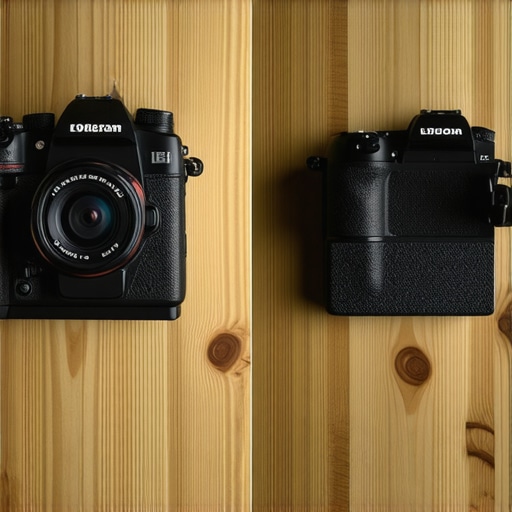
Where This Grip Wins and Where It Fails
After putting this $14 traction pad through its paces in the field and the studio, the results are clear. This isn’t just another piece of filler for your gear bag; it is a specialized tool for a specific annoyance. Pros: High-density silicone that resists compression better than cheap foam; a micro-diamond texture that bites into metal even when damp; zero sticky residue left on expensive camera bodies; and a universal fit that works with any plate you already own. Cons: It is a literal magnet for dust and pet hair; the 2mm thickness might block battery doors on tiny mirrorless bodies; and some might find $14 steep for a single piece of rubber. However, compared to this 20 dollar plate that prevents your camera from twisting, this pad allows you to keep using your existing specialized hardware while gaining identical stability.
Who Needs This in Their Gear Bag?
This product is a lifesaver for portrait photographers who frequently shoot in vertical orientation and cinematographers running front-heavy setups with large cinema glass. If you have struggled with how to stop lens sag on heavy mirrorless setups, you know that a secure base is the first step in a stable rig. It is perfect for the creator who wants the security of an L-bracket without the added bulk or weight. On the flip side, if you shoot exclusively on a smartphone or use ultra-lightweight pancake lenses, the friction provided by your stock tripod plate is likely enough, and you can skip this investment. This is for the heavy hitters who are tired of their horizon lines drifting mid-shot.
The Final Verdict: Does it Deserve a Spot on Your Plate?
For the price of a few lattes, you are buying peace of mind. The build quality of this silicone-rubber hybrid far exceeds the generic alternatives, and the performance in high-humidity environments makes it a reliable companion for outdoor creators. It solves the micro-movement problem that often explains why your video is blurry even when its in focus. While you could technically use this 12 dollar tool to keep your tripod plate from spinning, the pad offers a more elegant, low-profile solution that stays out of the way. Final Score: 9/10. It is a simple, effective, and nearly indestructible fix for one of the most frustrating problems in camera mounting. If you have a front-heavy lens, stop reading and just buy it—your tripod head will thank you.