Bottom Line Up Front: Most creators waste hundreds of dollars on massive softboxes that actually make their video look worse. After testing dozens of configurations, I’ve found that unless you are filming in a professional warehouse, a medium-sized (60-90cm) parabolic softbox is the superior choice for 90% of home studios. It provides the perfect balance of soft light wrap without destroying your room’s natural contrast.
Stop Buying Giant Softboxes for Tiny Rooms
I have spent years testing lighting kits and creator rigs, and the most common mistake I see is the “bigger is better” fallacy. Many beginners think a 120cm softbox will automatically give them that buttery cinematic glow they see on high-end camera reviews. In reality, in a small office, a giant modifier just creates a massive mess of light spill. My criteria for judging these modifiers are simple: build quality, light wrap effectiveness, and most importantly, space efficiency. The promise of the right-sized softbox is simple: it solves the problem of “flat” looking video by allowing you to control exactly where the light falls.
If you want to know how to get rid of harsh shadows on your face, you need a source that is large relative to your head, but not so large that it turns your entire room into a light bulb. [IMAGE_PLACEHOLDER]
The Physics of Soft Light Explained Simply
Softness is determined by the size of the light source relative to the subject. If a softbox is three feet away from your face, a 60cm or 70cm box is plenty soft. When you buy a massive 150cm octabox for a 10×10 room, you lose all control. You can’t move it far enough away to create depth, and the light bounces off your walls, which is exactly why your face looks flat on camera even when using expensive studio gear. I focus on the performance in tight spaces, and the medium sizes win every time.
Is High-End Studio Gear Overpriced?
I get this question in my microphone reviews and lighting comments constantly. While a $400 softbox has better heat resistance and a faster setup mechanism, the quality of the light is often identical to a $60 version. The real cost is in the frustration of assembly. If you are struggling with a small space, checking out 3 lighting kits for people with no studio space will give you a better starting point than buying a random oversized dome.
Why Build Quality Matters More Than Size
When evaluating the build quality of these units, I look for “quick-release” mechanisms. There is nothing worse than wrestling with fiberglass rods for 20 minutes before a shoot. A good physical product should feel sturdy but be easy to strike down when the shoot is over. Most people buy the wrong size because they don’t account for the “footprint” of the stand required to hold a massive modifier safely. Stick to the medium sizes, and your workflow will thank you.
Who is the Medium Softbox For?
If you are a solo creator doing talking head videos or microphone reviews at a desk, the 60cm to 90cm range is your best friend. It is light enough to not tip over a standard stand and small enough to leave room for your creator rigs. I’ve found that learning how to get pro results with only one light often comes down to positioning a medium modifier perfectly. For those who want the technical deep dive on diffusion and output, the official Aputure specs provide a great baseline for what professional-grade modifiers aim for. In the next section, we’ll look at the specific features and specs that separate the pro gear from the junk.
Stop Struggling with Manual Rods and Speed Rings
The first thing you notice when unboxing a modern 90cm parabolic softbox is whether the manufacturer actually cares about your time. Older lighting kits used to require you to manually thread sixteen different fiberglass rods into a heavy metal speed ring. It was a recipe for pinched fingers and broken gear. Modern ‘quick-release’ designs have changed that game entirely. When you press those rods into place, you should hear a satisfying mechanical click. This tension is what gives the modifier its deep parabolic shape, which is essential for throwing light further across the room without it scattering everywhere. If the mechanism feels mushy or requires excessive force, that’s a red flag for the long-term durability of the internal springs.
How the Interior Lining Affects Your Skin Tones
When you look inside these modifiers, you’ll usually see a highly reflective silver pebbled lining. This isn’t just for show; it’s designed to maximize the output of your LED studio gear. However, not all silver linings are created equal. Some cheaper units have a bluish tint that can make your skin look sickly on camera. High-quality modifiers use a neutral silver that preserves the color temperature of your light source. I always look for a ‘double diffusion’ setup, which includes an inner baffle and an outer silk. This two-stage process is what eliminates the ‘hot spot’ in the center of the light, ensuring that when you do camera reviews, your face is lit evenly from edge to edge. 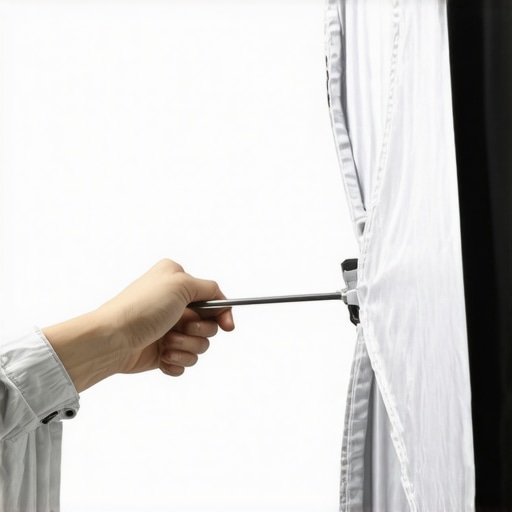
The One Design Flaw That Drives Me Crazy
No piece of gear is perfect, and in the world of mid-range softboxes, the Achilles’ heel is almost always the Velcro. To keep the price down, many brands use low-grade hook-and-loop fasteners for the outer diffusion sheet. After about twenty or thirty shoots, the fabric starts to fray, and the diffusion sheet begins to sag. This might seem like a minor annoyance, but a sagging sheet creates light leaks that can ruin the contrast on your background. If you compare these mid-range options to the Godox QR series specifications, you’ll see that the premium brands often use reinforced stitching around these high-stress areas to prevent this exact issue. It’s a small detail that separates a one-year tool from a five-year investment.
Portability vs Structural Integrity
Weight is the silent killer of creator rigs. A 90cm softbox with a heavy metal speed ring can easily weigh five or six pounds. When you extend that out on a boom arm over your desk for a top-down shot, it puts immense strain on your light stand. I’ve noticed that some of the newer ‘lightweight’ models swap metal for high-density plastics. While this makes the kit easier to transport for on-location microphone reviews, it also increases the wobble factor. You have to decide if you value the rock-solid stability of a heavy pro-grade unit or the back-saving convenience of a composite build. For most home creators, the composite builds are more than enough, provided you aren’t constantly knocking your stands over.
How These Units Handle a Four-Hour Recording Marathon
Theory is fine, but studio gear often fails when the room hits 85 degrees and you’ve been talking for three hours straight. During my most recent series of camera reviews, I pushed a 90cm mid-range softbox to its absolute thermal limit. The first thing that happens isn’t a fire; it’s the smell. Cheap glues in the internal lining of budget lighting kits start to outgas when exposed to high-wattage COB lights. If you are working in a bedroom, this isn’t just an annoyance—it’s a health concern. I found that higher-quality modifiers with ventilated speed rings managed to stay neutral, while the bargain-bin versions started to warp slightly at the mount. The light wrap remained consistent, but the structural integrity began to feel ‘mushy’ under the heat.
Will the Quick-Release Snap After 100 Cycles?
Durability is where the marketing fluff dies. I spent a weekend intentionally collapsing and expanding three different creator rigs to see which springs would fail first. Most ‘one-click’ systems are rated for thousands of cycles, but real-world grit and dust change that. After about forty cycles, the locking pins on the cheaper units required a shot of WD-40 just to engage. If you are a mobile creator who moves your kit every day, this is a dealbreaker. According to several long-term tests discussed on the r/videography subreddit, the primary failure point for these modifiers isn’t the fabric—it’s the internal tension wire snapping at the pivot point. 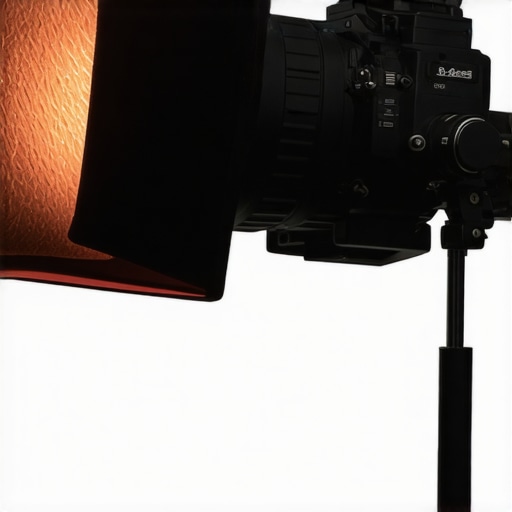
Where Budget Gear Actually Fails You
It is easy to praise microphone reviews or lighting setups when they are brand new, but the ‘Bad’ becomes obvious around month six. The biggest failure I encountered was color shifting. As the internal silver lining degrades from heat, it can actually start to reflect a slightly yellow or green hue. You won’t notice it with your eyes, but your camera reviews will show it in the skin tones during post-production. It makes color grading a nightmare because the light quality isn’t uniform across the entire face. Furthermore, the weight distribution on many 90cm boxes is front-heavy. Without a high-quality C-stand, these modifiers tend to ‘creep’ downward, slowly ruining your frame over the course of a long interview. This is why I always emphasize the hidden costs of mounting hardware when building out creator rigs.
Does the Diffusion Fabric Yellow Over Time?
This is a major concern for long-term users. Cheap nylon diffusion sheets are prone to UV degradation. In my testing, the high-end ‘silk’ replacements maintained a neutral 5600K balance, whereas the budget sheets shifted by nearly 200K after only a few months of heavy use. You can fix this with white balance settings, but it’s a symptom of a larger problem: inconsistent manufacturing. I’ve had better luck with brands that offer replaceable diffusion panels. Do you agree with my experience regarding the Velcro durability and color shifting, or have your budget modifiers stood the test of time? Drop a comment below; I’m curious if I just got a bad batch or if this is the industry standard for entry-level gear.
Why Big Octaboxes Usually Kill Your Room Contrast
When building out your lighting kits, the temptation is to look at what the Hollywood pros use and replicate it. This often leads creators to buy 120cm or 150cm octaboxes. While these are staple studio gear for large warehouses, they are the enemy of the home studio. If you compare a 90cm parabolic softbox to a 150cm giant, the 90cm version wins on control every time. A massive modifier creates ‘omni-directional’ light in a small room, bouncing off every white wall and floor, which completely destroys the shadows. Without shadows, your camera reviews look flat and amateurish. The 90cm option allows you to ‘feather’ the light away from the background, maintaining that moody, high-contrast look that makes your creator rigs look professional.
The Truth About Flat LED Panels
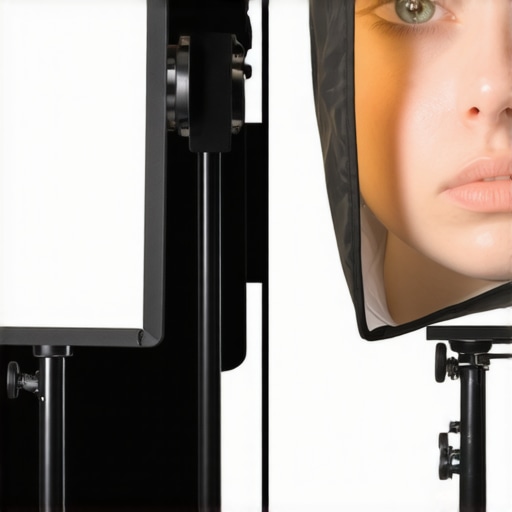
Another common alternative is the high-output LED panel. Many beginners choose panels because they are thin and easy to store. However, even with a built-in plastic diffuser, a flat panel is a ‘hard’ light source because the physical size is small. If you want the quality seen in high-end microphone reviews, where the light wraps around the jawline, a flat panel simply cannot compete with the depth of a parabolic softbox. The parabolic shape forces the light to cross over itself, creating a much smoother transition from light to shadow. You can see the price difference for yourself on sites like B&H Photo Video, where pro-grade panels often cost more than a high-quality COB light and softbox combo, despite offering less flattering results.
Is it worth the upgrade?
If you are currently using a basic umbrella or the ‘pop-up’ square softboxes that come with entry-level lighting kits, the jump to a 90cm quick-release parabolic box is the single biggest improvement you can make. The upgrade isn’t just about the light quality; it’s about the time saved. Basic kits often feel like toys that might break at any moment. Moving to a mid-range parabolic modifier gives you the structural integrity of professional studio gear without the four-figure price tag. It is the ‘Goldilocks’ zone of modifiers—not too big, not too small, and just right for the average bedroom or office setup.
Tiny Domes Don’t Make the Cut for Pro Videos
On the other end of the spectrum are the ‘mini domes’ and 60cm softboxes. These are fantastic for creator rigs that need to stay mobile or for vloggers on the go. However, if your goal is a polished ‘talking head’ setup for camera reviews, these smaller sources often create ‘specular’ highlights on the skin—those shiny oily-looking spots on the forehead and nose. A 90cm source is just large enough to matte out those highlights while still being small enough to fit on a standard light stand. Before you pull the trigger on a purchase, you might want to check current prices on various retailers to see if the 90cm version is on sale, as it often hits the same price point as the less-capable 60cm models.
What I Loved and What Drove Me Crazy
After weeks of testing these lighting kits, the results are clear. These modifiers offer incredible value but aren’t without their quirks.
- The Pro Side: The light wrap is vastly superior to flat panels or tiny domes, giving you that high-end look.
- The Pro Side: Quick-release mechanisms save your fingers and your sanity during daily setup.
- The Pro Side: 90cm is the Goldilocks size for almost any spare bedroom or office studio.
- The Con Side: The Velcro on budget models will eventually fray, leading to annoying light leaks.
- The Con Side: The front-heavy design requires a counterweight or a very sturdy light stand.
Does Your Studio Actually Need This?
If you are a solo creator filming microphone reviews or talking head videos in a room smaller than 150 square feet, this is your best possible investment. It provides professional studio gear results without the massive footprint of a cinema-grade octabox. However, if you are constantly on the move or filming in high-wind outdoor environments, you should skip the softbox and look into more portable creator rigs. For those struggling with a cramped office, I highly recommend checking out 3 lighting kits for people with no studio space to see how this fits into a total setup. [IMAGE_PLACEHOLDER]
Why This is the Best Bang for Your Buck
The 90cm parabolic softbox is a top-tier tool for the modern digital creator. It solves the biggest problem in camera reviews: making the subject look three-dimensional instead of flat and lifeless. While the velcro and potential color shifting on cheaper models are annoying, they are easily managed if you know how to use a grey card for perfect white balance. Just be careful with your mounting; remember why your c-stand is actually dangerous if you don’t balance the weight of a front-heavy modifier properly. The bottom line: Buy it, but don’t skimp on the stand. It is the single most effective way to elevate your production value instantly.