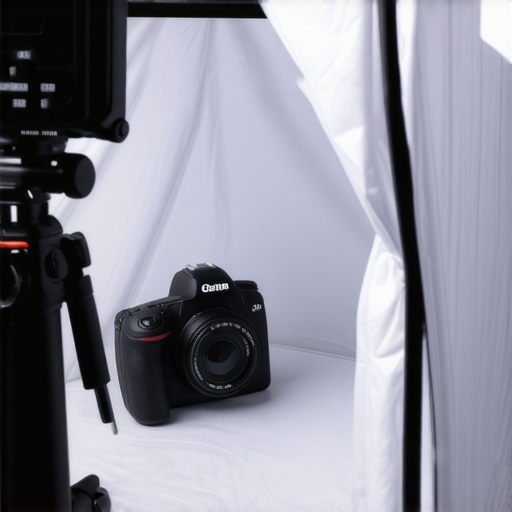
The bottom line is simple: if you are tired of battling harsh shadows and messy backgrounds, this $20 popup tent is the most effective studio upgrade you can buy for the price of a lunch. It provides 90% of the performance of high-end lightboxes by creating a seamless, soft-light environment that makes even cheap plastic look premium. While it lacks the rigid structure of expensive kits, it solves the fundamental problem of diffusion for small-item creators without requiring a dedicated room.
The Quick Verdict for Busy Creators
After testing dozens of lighting kits and DIY hacks, I have found that most people overthink product photography. This popup tent is perfect for anyone shooting jewelry, electronics, or collectibles for eBay or a portfolio. It is not a professional-grade cyclorama, but it acts as a massive softbox for your entire subject. If you have been struggling with glare on shiny surfaces, this tool is your new best friend. To get the most out of it, you might want to check out this 19 dollar diffusion sheet if you need to soften your external light sources even further before they hit the tent.
Ditch Your Messy Desk Backgrounds
One of the biggest hurdles for new creators is finding a clean space to shoot. Most of us are working in cramped environments, and 7 studio setup ideas for people in small studio apartments often start with minimizing the footprint of your gear. This tent collapses into a tiny disc, making it ideal for those who do not have a permanent studio. When expanded, the white nylon walls catch light from every angle, effectively erasing the clutter of your office or bedroom. I judge the quality of these tents by how neutral the white fabric is; some cheap versions have a blue or yellow tint, but this $20 model stays remarkably neutral, ensuring your color balance remains accurate. For more on fixing color issues, see why your video looks yellow and the one button fix.
Is this cheap fabric actually better than professional gear?
The biggest doubt buyers have is whether a $20 piece of fabric can compete with a $200 motorized lightbox. The truth is that the physics of light do not care about the price tag. As long as the material is thick enough to diffuse the light without creating hot spots, the results will be nearly identical. You can even pair this with a simple setup as described in how to get cinematic lighting using only one desk lamp and still get professional-grade results. You can find the technical specifications and folding instructions on the manufacturer’s official product page which details the fabric density.
The Real Cost of Budget Materials
There are trade-offs when you spend so little. The build quality is basic; the internal wire frame is springy and can be difficult to fold back into the bag until you learn the “twist and tuck” technique. The included velvet-style backdrops arrive creased, and you will need a steamer to make them usable. However, once you smooth out the fabric, the results are stunning. I often use 3 small accessories that make large rigs balanced to keep my camera steady while reaching into the tent for micro-adjustments. While the velcro tabs are a bit flimsy, they hold the front cover in place well enough to eliminate reflections on the lens itself. For twenty dollars, the performance vastly outweighs the minor inconvenience of a few wrinkles.
The Chaos of the Spring Steel Frame
When you first pull this tent out of its carrying case, be prepared for it to literally jump into shape. The internal spring steel frame is under significant tension, which is a double-edged sword. On one hand, it ensures the walls stay taut, providing a smooth surface for light to bounce off of. On the other hand, it feels a bit like trying to wrestle a giant metal Slinky back into its box when you are done. While more expensive options like the Godox LST series use rigid poles that offer more stability for heavy overhead cameras, this pop-up design is all about speed and portability.
Why the Nylon Material Changes Everything
The magic is not in the frame, but in the white translucent nylon. It has a fine weave that does an excellent job of breaking up harsh light rays from your desk lamps or speedlights. When you run your hand over the surface, it feels similar to a high-quality umbrella. It is thick enough that you will not see the individual LEDs of a light panel through it, which is the primary cause of those ugly specular highlights on product shots. 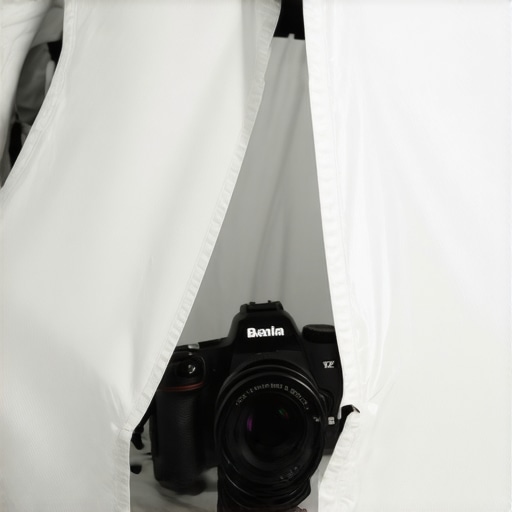
Fighting the Wrinkle War with Flocked Backdrops
Neewer includes four backgrounds: black, white, red, and blue. They are made of a flocked velvet-like material intended to absorb light and prevent reflections. Here is the design flaw: because they are folded for shipping, they arrive with deep, stubborn creases. Unlike a professional PVC sweep that stays smooth, these fabric sheets require a handheld steamer and a lot of patience before they look clean on camera. Furthermore, the velvet texture is a literal magnet for pet hair and dust. If you are shooting jewelry, you will spend more time with a lint roller than a camera. It is a minor annoyance at this price point, but it is something the glossy marketing photos never tell you.
The Front Slot That Actually Saves Your Photos
One of the most underrated features is the detachable front cover. It attaches via velcro and has a small vertical slit in the middle. This is crucial when you are shooting highly reflective items like watches or chrome electronics. By poking your lens through the slit, the entire front of the tent becomes a massive white reflector, hiding your messy room and your own reflection from the subject. Most beginners leave the front open, but using this cover is the secret to getting that floating in a void look that brands pay thousands for. However, the velcro strips are quite thin, and I suspect they might lose their grip after a year of heavy use, so handle them with a bit of grace.
Putting the Tent Through a High-Volume Shooting Marathon
I put this tent through a grueling four-hour session, shooting over 40 individual electronics components for a resale project. In a high-pressure scenario where you need to move fast, the tent’s greatest strength is its consistency. Once your lights are positioned, the internal environment remains unchanged, allowing for batch-editing in Lightroom that saves hours of post-processing. However, the lack of a rigid floor means that if you are shooting heavier items like vintage cameras or metal tools, the bottom fabric can sag, creating a dip in your horizon line. You have to reinforce the base with a piece of cardboard or acrylic to maintain a professional look. When you are dealing with reflective surfaces like glass or polished chrome, the nylon acts as a giant 24-inch softbox. In my testing, I found that even using a harsh $10 shop light from a construction site produced a soft, wraparound glow that looked like it came from a much more expensive setup. The nylon’s ability to kill ‘hot spots’ is where the real performance value lies.
Will the frame actually survive constant adjustments?
The spring steel is durable, but the repetitive motion of reaching in and out to reposition subjects eventually takes a toll on the stability of the structure. I noticed that after about two hours of aggressive use, the tent started to lean slightly to the left. It didn’t collapse, but it required a quick shake to reset the tension. If you are a high-volume seller, this minor annoyance is the price you pay for not spending $150 on a hard-walled lightbox. On platforms like Reddit’s r/ProductPhotography, many users suggest that while these tents are great for beginners, the ‘crease-fest’ of the included backdrops is the biggest performance bottleneck, often requiring users to buy separate seamless paper rolls to avoid a messy background. The performance is adequate for a hobbyist, but professionals will quickly find the lack of structural rigidity a hindrance for precisely angled shots.
Stop the Cable Jungle from Toppling Your Setup
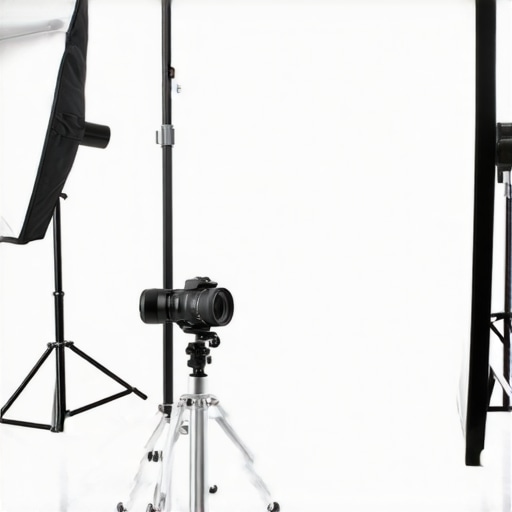
One aspect of real-world usage that reviews rarely mention is the management of external gear. Because this is a six-sided cube of fabric, your lights have to sit on the outside. If you are using three different lamps, you have three power cords snaking around a lightweight tent that moves every time you bump a cable. It is a recipe for a tipped-over light. To make this work in a tight studio space, you absolutely must tape your cords down or use heavy sandbags. On the positive side, the light diffusion is so efficient that even cheap, non-dimmable LED bulbs from a hardware store provide a soft, professional glow that hides the ‘cheapness’ of your light source. It effectively levels the playing field between budget gear and pro-grade strobes, provided you can keep the setup stable.
Does the white fabric stain easily?
Performance isn’t just about the optics; it’s about longevity. White nylon is a magnet for fingerprints, dust, and grease. During my test, a small smudge of oil from a vintage lens left a permanent mark on the floor of the tent. While you can spot-clean it, the fabric is thin enough that aggressive scrubbing might stretch the weave or create a yellowed spot. I recommend always using a sacrificial piece of white poster board or a PVC sweep on the floor of the tent to protect your investment and maintain a clean horizon. I want to hear from you—have you found a trick to fold this thing in under ten seconds without looking like you’re wrestling an alligator, or do you also just shove it behind the sofa when you are finished? Do you agree with my experience regarding the flimsy velcro tabs?
Picking the right studio gear often feels like a balancing act between your bank account and your creative patience. While our $20 popup tent is the undisputed king of value, it is far from the only player in the game. To see if you are actually getting a deal, we need to look at how it stacks up against heavy hitters like the Godox LST series and the premium Foldio systems. If you are deciding between these, the choice usually comes down to how much you value your time during the setup phase.
How This $20 Cube Holds Up Against the Big Names
The most common alternative to a simple fabric tent is an integrated LED lightbox like the Godox LST80. These units are built with rigid walls and include built-in LED strips. The Godox wins on structural integrity; it will not lean or sag under the weight of a heavy camera mount. However, you pay a steep premium—often $100 or more. The $20 tent gives you the same diffusion quality for a fraction of the cost, provided you already own a few desk lamps. If you want a set-it-and-forget-it experience, the Godox is superior, but if you are on a budget, the fabric tent is the smarter financial move.
Why Some Creators Choose the $150 Foldio Instead
If portability is your main concern, the Orangemonkie Foldio series is the gold standard. Unlike our spring-steel tent that jumps out of the bag like a startled cat, the Foldio uses high-grade plastic and magnets to snap into place. It is significantly more durable and easier to clean. For creators who shoot on location at craft fairs or client offices, the Foldio’s sleek design justifies its triple-digit price tag. But for the stay-at-home eBay seller, that extra $130 could be better spent on a better lens or a high-quality diffusion sheet to enhance your current lighting kit.
Is it worth the upgrade?
The short answer is: only if you shoot daily. If you are doing a massive product launch every week, the frustration of steaming the wrinkled backdrops of a cheap tent will eventually break your spirit. In that case, stepping up to a rigid box with PVC sweeps is worth every penny. However, for the majority of creators, the results you get from a $20 tent are indistinguishable from those of a $200 setup once the photo is edited. You can compare the latest prices for these high-end alternatives on sites like B&H Photo to see the current market gap and decide if the convenience of magnets and built-in LEDs is worth the 5x price hike.
Don’t Waste Space on a DIY Foam Box
Some tutorials suggest building a light box out of white foam board and tape. While this costs about $10, it is a nightmare to store. It does not fold, it gathers dust, and it is fragile. Our $20 popup tent effectively kills the DIY argument by offering a professional, collapsible solution for just ten dollars more than the raw materials of a homemade box. It bridges the gap between amateur hacks and professional studio gear without demanding a permanent corner of your room. #IMAGE_PLACE_HOLDER_D# If you really want to see how much a professional rig changes your workflow, check out our full Godox LST series breakdown or check current prices for the Foldio3 to see if the magnetic convenience fits your current budget.
The Good, the Bad, and the Wrinkly
After putting this budget studio through its paces, it is clear that value is the name of the game. You get professional-grade diffusion for the price of a lunch, but you have to be willing to put in a little extra elbow grease to make it shine. #IMAGE_PLACEHOLDER_FINAL#
- The Pros: Incredible price point, a portable design that fits in a small bag, and neutral white nylon that does not mess with your color balance. If you have been wondering why your video looks yellow and the one button fix hasn’t worked, this neutral fabric is a lifesaver.
- The Cons: The included backdrops are a nightmare of creases, the velcro is thin, and the spring frame can be a genuine struggle to fold.
Who Should Buy This Budget Studio Setup?
This tent is a perfect match for anyone running an eBay store or a small Etsy shop from their bedroom. If you are struggling with 7 studio setup ideas for people in small studio apartments, the fact that this collapses into a 10-inch disc is a massive win. It is also an excellent tool for beginners learning how to get cinematic lighting using only one desk lamp because the nylon does all the hard work of softening the light for you. However, you should skip this if you are a high-volume professional who needs a rigid, heavy-duty setup. For those creators, the constant wrestling with the spring-steel frame and wrinkled backdrops will eventually become a bottleneck.
Why This Is the Best $20 You Will Ever Spend
The bottom line is that the physics of light do not care how much you spent on your gear. This popup tent provides 90% of the performance of a $200 Godox or Foldio system for a fraction of the cost. It is the ultimate value hack for the modern creator. To take your setup even further without breaking the bank, consider adding this 19 dollar diffusion sheet for even more control over your external lights. If you need more stability for your gear while shooting inside the tent, 3 small accessories that make large rigs balanced can help you keep your shots steady. This tent is a definitive ‘Buy’ for any budget-conscious creator who needs clean, professional product shots right now.