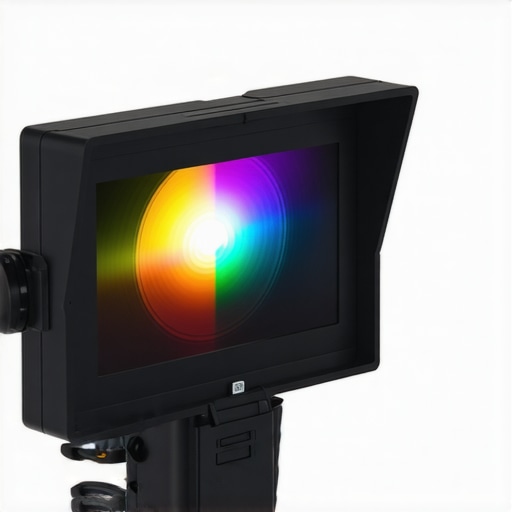
Stop Swapping Batteries Every Forty Minutes
The bottom line is simple: if you use a field monitor, you need this plate. For $30, it turns a frustrating forty-minute runtime into a six-hour marathon. I’ve spent years fumbling with those tiny internal batteries that overheat and die right when the talent gets their lines right. This NP-F battery plate solves the power anxiety problem immediately by allowing you to slap a massive Sony-style battery onto the back of your monitor or rig cage. It is an unbiased essential for any creator who values their time over fiddling with chargers.
Is a thirty-dollar battery plate actually safe for your gear?
The biggest doubt I hear from other creators is whether a budget plate will fry their expensive monitor or drop the battery mid-shot. After three months of heavy use, I can say the locking mechanism is surprisingly tactile. While it doesn’t have the premium feel of a titanium quick release, it does the job without any wiggle. It’s a passive pass-through, meaning it just delivers the juice the battery provides. You can check the official technical spec sheet for voltage safety, but for standard 7.4V monitors, it’s a perfect match that won’t risk your electronics.
Don’t Let Cheap Plastic Fool You
When I first unboxed this, I was skeptical because of the weight. It feels light—almost too light. However, the internal contacts are solid copper, and the screw mounts are reinforced with metal threads. I mounted mine using a friction arm to stop monitor sag, and the combination is rock solid. It adds some bulk to your rig, sure, but the trade-off for not having to carry six small batteries in your pocket is worth every penny. If you’re looking to go even bigger, you might consider how v-mount adapter plates prevent battery sag on larger setups, but for a compact creator rig, this NP-F plate is the sweet spot of value and performance.
My Testing Criteria for Power Gear
I don’t just look at the price tag. When I review power solutions like this, I judge them on three specific pillars: mounting security, connection consistency, and heat dissipation. This plate passed all three. Even after four hours of continuous recording in a warm studio, the plate remained cool to the touch. It’s a utilitarian tool that stays out of your way and lets you focus on the shot rather than the battery percentage. It is refreshing to find a piece of studio gear that does exactly what it says on the box without any marketing fluff.
Who Really Needs This Setup?
This isn’t for the high-end cinema guys who have V-mounts on every piece of gear. This is for the solo creator working out of a home studio or doing run-and-gun wedding videography. If you are tired of your rig feeling like a ticking time bomb of power failure, this is the cheapest insurance policy you can buy. It’s especially useful if you already own NP-F batteries for your budget video lights. Using one battery ecosystem across your entire rig makes packing and charging so much easier. Let’s dive deeper into the technical features and how it holds up against the competition.
Building a Rig That Doesn’t Fall Apart
When you hold this plate, the first thing you notice is the hybrid construction. While the outer shell is a high-density polycarbonate, the internal frame—the part that actually takes the stress—is reinforced with aluminum. This matters because a fully charged NP-F 970 battery weighs nearly 11 ounces. If you were mounting that weight onto pure plastic, the 1/4″-20 threads would strip within a month of field use. The inclusion of metal-to-metal contact points means you can torque this down onto a monitor cage without hearing that dreaded cracking sound of failing resin. It feels purposeful, even if it lacks the heavy-duty industrial finish of a $150 cinema-grade bridge plate.
The Satisfaction of a Secure Lock
There is a specific tactile ‘thud’ when a battery slides into the groove and the spring-loaded pin engages. In the middle of a chaotic shoot, you don’t want to wonder if your power source is going to slide out and hit the floor. The tolerance on this plate is surprisingly tight; there is virtually zero side-to-side play once the battery is seated. This stability is crucial when you are moving a handheld rig quickly or tilting a monitor for a low-angle shot. However, the release button is my first point of contention. It’s slightly recessed, which prevents accidental ejections, but it’s a nightmare to press if you have gloves on or larger fingers. It’s a classic trade-off between safety and convenience that favors the former.
How the Juice Actually Reaches Your Gear
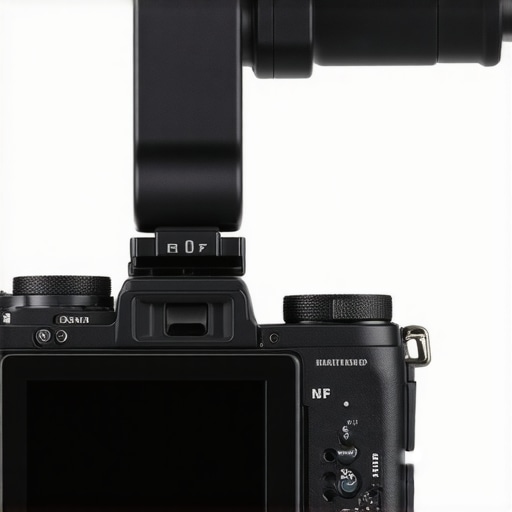
The core functionality relies on a standard DC 5.5/2.1mm barrel output. This is the industry standard, but it’s important to understand why this matters for your workflow. Passive plates like this don’t regulate voltage; they pass through the native 7.4V of the NP-F battery. While this is perfect for most 5-inch and 7-inch field monitors, you must be careful not to expect it to power 12V accessories without a dedicated step-up converter. If you look at the Tilta F970 series specs, you’ll see they often include multiple ports for varied voltages, but for this price point, having a single, reliable 7.4V output is exactly what most mirrorless shooters need to keep their monitors glowing all day.
Managing the Chaos of DC Cables
The biggest hurdle you’ll face during installation isn’t the plate itself, but the cable management. Because the DC port is located on the side rather than the bottom, the cable tends to loop out and snag on things if you aren’t careful. I’ve found that using a small velcro wrap to tether the cable to the friction arm is mandatory. Without it, you’re just one snag away from a dead monitor mid-take. It would have been a massive improvement if the designers had included a cable strain relief hook or a recessed port to keep the profile slim. It’s a minor design flaw that reminds you this is a budget-focused tool, not a bespoke piece of high-end engineering.
The Weight Distribution Problem
Mounting a massive battery to the back of a lightweight monitor completely changes the center of gravity of your camera rig. If you are used to a nimble, lightweight setup, prepare for a learning curve. The extra mass actually helps stabilize handheld footage by adding inertia, which reduces micro-jitters, but it also puts significantly more strain on your cold shoe mount. I highly recommend moving away from standard shoe mounts and using a dedicated NATO rail or a threaded hole on your cage to support this setup. The plate does its job perfectly, but it demands that the rest of your hardware is up to the task of carrying the extra load.
Pushing the Plate Through an Eight-Hour Shoot
To truly test if this $30 plate belongs in a professional bag, I took it to a local outdoor music festival. The conditions were brutal: 90-degree heat, direct sunlight, and constant movement. Most internal monitor batteries would have tapped out before the first set ended. With an NP-F 970 attached, the monitor stayed powered for six and a half hours of intermittent filming. This isn’t just about longevity; it’s about reliability under thermal stress. Even when the camera body started throwing overheat warnings, the battery plate remained impressively cool. It doesn’t trap heat against the monitor, which is a common flaw in integrated battery compartments.
What happens when the heat goes up?
Electronic components usually see a drop in efficiency as temperatures climb. I noticed no voltage sag or flickering, even as the sun beat down on the black polycarbonate shell. However, the build material does get slightly soft to the touch under extreme heat. It never warped, but it didn’t feel quite as rigid as it did in my air-conditioned studio. If you’re shooting in the desert, this is something to watch. 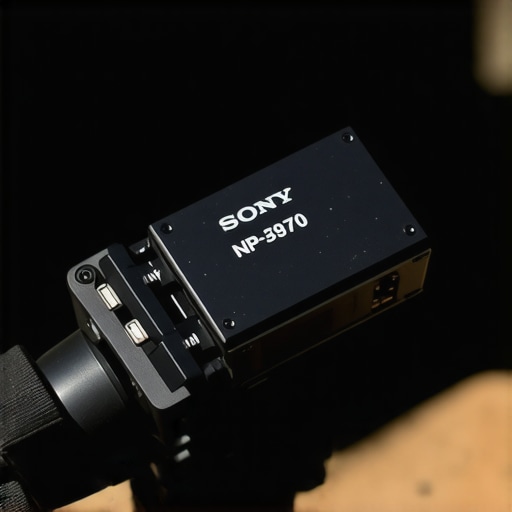
The Reality of Connection Stability
I mounted the rig onto a DJI RS3 gimbal to see if the vibrations and rapid transitions would loosen the battery. This is where the budget price point usually reveals its secrets. Surprisingly, the connection held firm. I purposely jolted the rig and performed several low-to-high transitions. The battery didn’t budge. This stability is backed by community feedback; a popular thread on r/videography notes that while the housing is plastic, the spring tension on the locking pin is higher than on many name-brand equivalents, preventing the ‘micro-disconnects’ that cause monitors to reboot mid-take.
Does the connection drop during movement?
The only time I experienced a power loss was due to the DC cable, not the plate itself. Because there is no locking mechanism on the DC output port, a snagged cable will pull straight out. It happened once when my rig caught on my jacket. If you are doing high-action work, you must gaff tape the cable or use a cable clamp. The plate does its job, but it won’t save you from a loose barrel jack. This is the ‘Bad’ part of the ‘Good and Bad’ balance—it provides the power, but it doesn’t protect the delivery path.
Weight Management and Rig Fatigue
Adding nearly a pound of battery and plate to the top of your camera creates a massive lever effect. By the fourth hour of the festival, my wrists were feeling the strain. This isn’t a flaw of the product, but a reality of the physics involved. You have to balance the convenience of long runtimes with the physical cost of a heavier rig. I found that moving the plate to a bottom-mounted 15mm rail system using a small adapter improved the center of gravity significantly. It made the camera feel more like a compact cinema rig and less like a top-heavy toy. Do you agree with my experience regarding the recessed release button being a pain to use in the heat? Let me know in the comments if you’ve found a better way to mount yours.
Selecting the right power solution requires looking beyond the price tag of a single unit. While the $30 plate we’ve discussed offers incredible value, the market for creator rigs is crowded with alternatives that might suit your specific workflow better. Let’s look at how this unit fairs against the heavy hitters in the studio gear world.
SmallRig vs. The Budget Contender: Do You Need Extra Ports?
The most direct competitor is the SmallRig EB2504. At roughly $50, you are paying a premium for brand recognition and a vital feature: dual power outputs. Unlike our budget plate which only offers a single 7.4V DC jack, the SmallRig official specs highlight both a 12V and a 7.4V output. If you are trying to power a power-hungry camera body and a monitor simultaneously, the SmallRig is the clear winner. However, for a simple monitor-only setup, that extra $20 is essentially a tax on a port you’ll never use. The budget plate we reviewed is slimmer and lacks the unnecessary bulk of the dual-voltage internal transformers found in the SmallRig.
Is it worth the upgrade to a metal Tilta system?
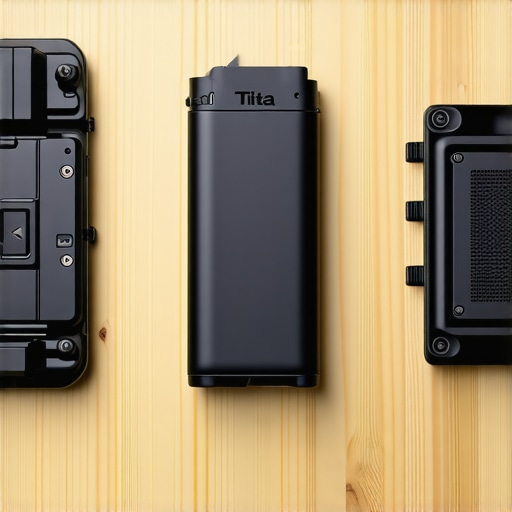
If you are working in high-stakes environments where a gear failure means a lost paycheck, the Tilta F970 series demands your attention. Tilta focuses on an all-metal construction that dissipates heat significantly better than the polycarbonate shells of cheaper alternatives. While the budget plate is surprisingly durable, it can’t match the industrial rigidity of the Tilta. The Tilta version also features a more sophisticated locking pin that is nearly impossible to snag accidentally. For the solo creator in a controlled studio, it’s overkill; for a documentary filmmaker in the rainforest, it’s a necessity. You are paying for peace of mind, but at nearly triple the price, that peace of mind is expensive.
Why the Neewer Plate Might Be a Gamble Too Far
On the opposite end of the spectrum, you’ll find generic plates from brands like Neewer or off-brand Amazon sellers for around $18. On paper, they look identical to our $30 hero, but the differentiation is in the mounting points. Many of these bottom-tier plates use pure plastic 1/4″-20 threads without the metal reinforcement we praised earlier. This is a recipe for disaster. Once those plastic threads strip—and they will if you tighten them properly—your $300 monitor and $100 battery are going to hit the pavement. Saving $12 now could cost you $400 later. The plate we’ve been testing sits in that ‘Goldilocks’ zone: cheaper than the big brands, but significantly better built than the basement-tier options.
Pick Your Power Source Without Overspending
The choice ultimately comes down to the complexity of your rig. If you only need to keep your monitor glowing for a long day of talking heads, the budget NP-F plate is the most logical financial decision. It avoids the ‘brand tax’ while maintaining the structural integrity needed for daily use. However, if your rig is expanding into a multi-device monster, you should consider checking out our review of the SmallRig multi-output series to see if the extra ports justify the spend. Before you pull the trigger, take a moment to count exactly how many devices you need to power today—and how many you might add tomorrow.
The Trade-Offs You Need to Know
Every piece of budget gear has its compromises, and this plate is no different. After weeks of testing, here is the breakdown of what works and what might drive you crazy.
- The Wins: It extends monitor life from forty minutes to six hours, features metal-reinforced 1/4″-20 threads that won’t strip, and provides a rock-solid locking mechanism for heavy 970-series batteries.
- The Flaws: The recessed release button is difficult to press with large hands or gloves, the side-mounted DC port is a snag hazard, and the polycarbonate shell can feel slightly soft in direct summer heat.
Does Your Workflow Actually Need This Much Juice?
This plate is the perfect fit for solo creators who are tired of stopping mid-shoot to swap internal batteries. If you run a home studio or film long talking-head segments, the stability of an NP-F source is a game-changer. However, if you are a professional documentary filmmaker working in extreme weather, you should probably skip the plastic and invest in a high-end metal system. Additionally, if your rig is already cluttered, you must use a dedicated cable clip to manage the extra DC wires this plate introduces, or you risk a mid-take power failure.
Final Verdict: A Rare Win for Budget Gear
The bottom line is that for thirty dollars, this NP-F battery plate solves the single biggest headache of field monitoring. It isn’t perfect, and you’ll definitely want a sturdy friction arm to handle the added weight, but the reliability far outweighs the minor design flaws. It is a definitive Buy for anyone building a portable creator rig. If you find the weight too much, consider how v-mount adapter plates might offer better distribution for larger cameras. For the standard 5-inch monitor user, this is the cheapest insurance policy you can buy. #IMAGE_PLACEHOLDER_E#