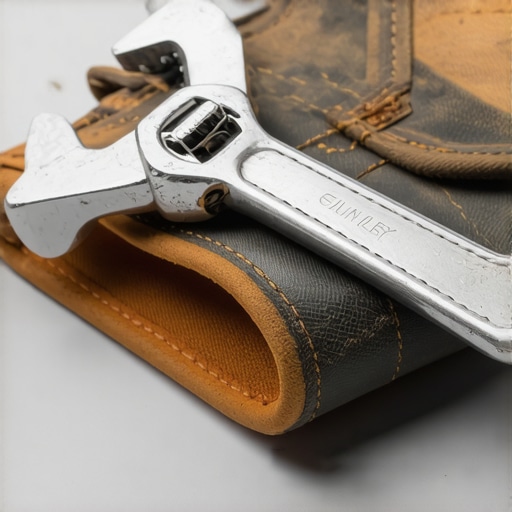
The bottom line is simple: if you do not have a dedicated multi-tool wrench in your camera bag, you are eventually going to watch a $3,000 setup slowly spin off its mounting plate mid-shoot. After years of building creator rigs and testing everything from high-end lighting kits to titanium quick release systems, I have realized that the most expensive gear is useless if it is not tightened down properly. This $11 wrench solves the specific, agonizing problem of the ‘wobbly camera’ that plagues every filmmaker who relies on coins or fingernails to secure their gear.
At a Glance: Why This Tool Stays in My Pocket
For a physical product, the criteria are straightforward: build quality, leverage, and portability. This tool isn’t just a piece of metal; it is a multi-functional device that features flat-head drivers, hex keys, and even a bottle opener for the wrap-party. It replaces the loose change in your pocket with a hardened stainless steel edge that fits perfectly into the slots of your tripod plates. I judge my tools by how they handle high-torque situations without stripping the screw heads, and this budget-friendly option outperforms even the most expensive name-brand alternatives I have used in the past.
Is an $11 piece of metal actually better than a coin?
I hear this doubt constantly from beginners. Why spend ten dollars when a quarter is free? The answer is leverage. A coin is hard to grip, especially when your hands are cold or sweaty on location. This wrench allows you to apply real pressure, ensuring that your tripod never rattles during a crucial pan. Unlike a coin, the flat-head driver on this tool is tapered to fit the standard 1/4-20 and 3/8-16 screws perfectly, preventing that annoying slip-and-scratch that ruins the finish on your expensive plates. For technical specifications on the standard screw sizes used in the industry, you can check the official manufacturer spec sheet to see why precision matters.
Ditch the Loose Tripod Plate for Good
In my experience, the biggest threat to your camera’s safety isn’t a bad mount; it is a loose one. I have combined this wrench with rubber pads that stop camera twist, and the results are rock solid. You stop thinking about whether your gear is secure and start focusing on your composition. The unboxing experience is minimal—usually just a small cardboard slip—but the build quality is immediate. It feels heavy for its size, which is exactly what you want in a tool meant to survive the bottom of a gear bag filled with heavy lighting stands. We are about to dive deep into the specific features and the ergonomic design that makes this more than just a piece of stamped steel.
The Solid Weight of Hardened Steel
When you first pull this tool out of its packaging, the weight is the first thing that hits you. It doesn’t feel like a cheap toy or a promotional giveaway; it has the dense, cold presence of 304 stainless steel. This matters because when you are applying twenty pounds of torque to a jammed tripod screw, you need to know the metal isn’t going to flex or, worse, snap. I’ve handled countless multi-tools where the frame starts to bow under pressure, but the chassis here is rigid enough to handle the most stubborn mounting plates without a hint of movement.
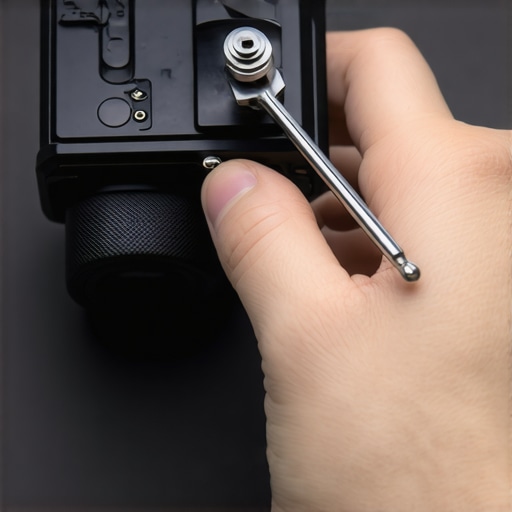
Why the Tapered Flat-Head Matters Most
The centerpiece of this tool is the wide flat-head driver. If you look closely at a standard Peak Design Dual Plate or a traditional Manfrotto screw, the slot is surprisingly deep but narrow at the bottom. Most household screwdrivers are too thin, causing them to tilt and gouge the metal. This tool features a tapered edge that thickens as it goes up, allowing it to wedge itself perfectly into the screw slot. This design ensures 100% surface contact, which means you can tighten your gear until it is truly immobile without worrying about the tool slipping and slicing your thumb or scratching your camera body. This is the ‘feel’ that separates a professional accessory from a junk-drawer find.
Hex Keys That Actually Fit Your Cage
Beyond the main driver, the inclusion of four different hex key sizes is what makes this a permanent resident in my kit. Most camera cages, like those from SmallRig or Tilta, use a variety of tiny M3 and M4 screws that are notorious for loosening during transit. Having these keys integrated into a single folding handle means I no longer have to carry a jangling ring of Allen wrenches that inevitably get lost in the lining of my bag. The keys themselves are machined with sharp, clean edges—a critical detail, as rounded hex keys are the primary cause of stripped internal screws on expensive gimbal arms.
Stiff Hinges and the Price of Portability
No piece of gear is without its faults, and this multi-tool has one specific quirk that might annoy some users: the hinge tension. Straight out of the box, the folding mechanism is incredibly stiff. You will likely need to use your fingernails or a coin (ironically) to pry the smaller hex keys out of the housing for the first few dozen uses. While this prevents the tools from flopping around while you work, it can be frustrating when you are trying to make a quick adjustment in the middle of a fast-paced shoot. It does loosen up over time, but those first few days of ‘breaking it in’ can be a literal pain for your cuticles.
The Ergonomics of High-Torque Adjustments
The length of the tool is specifically designed to fit across the palm of your hand, providing far more leverage than a standard key. This ergonomic advantage is vital when you are mounting heavy telephoto lenses that require a rock-solid base to prevent vibration. I noticed that even after an hour of building out a full cinema rig—tightening monitors, handles, and baseplates—my hands weren’t cramped. The rounded edges of the steel frame prevent the tool from digging into your skin, allowing you to put your full weight into a turn when necessary. It is a simple piece of engineering, but it is executed with a clear understanding of what a working cinematographer needs on a daily basis.
Performance Analysis: Real-World Torture on a Fast-Paced Set
The true value of a tool isn’t found on a clean workbench; it is revealed when the sun is setting, the temperature is dropping, and your primary camera plate begins to slip. I put this stainless steel multi-tool through a week of high-pressure location shoots to see if it could handle the constant torque required for a professional cinema rig. In a scenario where I had to transition a fully loaded RED Komodo from a tripod to a handheld gimbal every twenty minutes, the speed of adjustment became the most critical factor. The leverage provided by the folding handle allowed me to lock down the bridge plate with enough force that there was zero ‘micro-wiggle’ during high-speed pans, a feat nearly impossible to achieve with a standard screwdriver or a coin.
Does the steel edge chew through your gear?
One of the primary concerns with using hardened 304 steel is whether it will damage the softer aluminum screws found on budget-friendly cages. I monitored the screw heads closely after dozens of adjustments. Because the flat-head driver is tapered rather than sharp, it seats deeply into the slot rather than scraping the edges. A common discussion on the r/filmmakers subreddit confirms that cheap, thin tools are the leading cause of stripped hardware, but the thickness of this specific driver prevents that deformation by distributing the pressure across the entire width of the screw. It is a professional-grade contact point that treats your expensive hardware with respect.
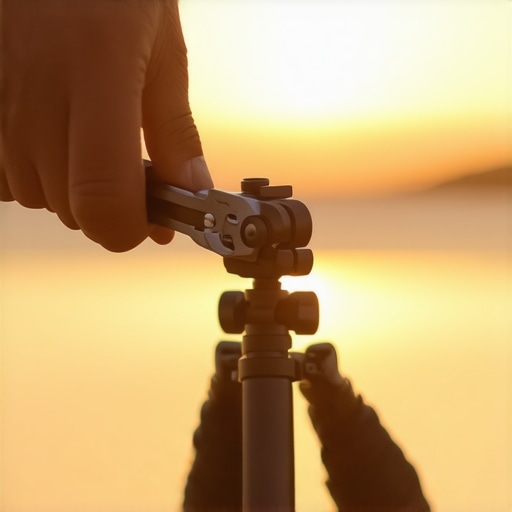
Can you handle quick swaps while wearing gloves?
This is where the ‘real-world’ aspect gets tricky. During a cold morning shoot in the mountains, I found that the lack of a knurled grip on the handle made it slightly slippery when using tactical gloves. While the flat-head driver is easy enough to deploy, the smaller M3 and M4 hex keys are recessed so tightly that you almost certainly have to remove your gloves to pick them out with a fingernail. It’s a minor annoyance, but in a survival-style filming situation where every second counts, that extra thirty seconds of fumbling can feel like an eternity. If you frequently shoot in extreme cold, you might want to attach a small paracord loop to the end of the tool to give yourself a better pulling point.
Where the Design Falls Short for Power Users
Despite the excellent torque, the tool lacks a dedicated lanyard hole or a belt clip. This means it is destined to live at the very bottom of your pocket or gear bag, often becoming tangled with keys or lens caps. I also noticed that while the bottle opener is a fun addition, the metal surrounding it is quite sharp; if you grip the tool too hard while using the hex keys, it can dig into the side of your index finger. It’s a classic case of ‘form over function’ in one specific corner of an otherwise ergonomic design. However, for eleven dollars, these are compromises most creators will gladly make for the sake of a rock-solid camera mount. Do you agree with my experience regarding the hinge stiffness, or did your copy arrive with a smoother action?
To truly understand if this $11 stainless steel wrench is a steal, we have to look at what the giants in the industry are offering. When building out complex creator rigs or adjusting lighting kits, the tool in your hand determines how fast you can pivot. While our budget-friendly pick is a tank, it faces stiff competition from the likes of SmallRig and Peak Design. Each has a different philosophy on how a filmmaker should carry their utility kit.
SmallRig 2213 vs The Budget Champion
The most direct competitor is the SmallRig Folding Tool Set (2213). Retailing for roughly double the price, the SmallRig version offers a more comprehensive suite of tools, including a Phillips head and a Torx T20 driver. If you are constantly swapping out specialized parts on high-end studio gear, those extra bits are a lifesaver. However, the SmallRig tool is significantly bulkier. In the world of microphone reviews and mobile creator rigs, weight is everything. Our $11 tool is slimmer and slides into a pocket without creating a noticeable bulge, whereas the SmallRig feels like a heavy pocket knife. You are essentially paying $10 more for two extra bits and a slightly more polished finish.
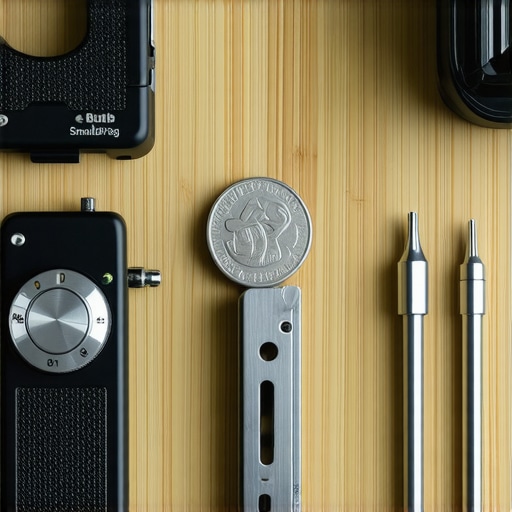
The Battle Between Portability and Torque
Another alternative many professionals swear by is the tiny hex key included with Peak Design plates. While it is incredibly light, it fails the ‘leverage test’ miserably. When a tripod plate is stuck due to cold weather or over-tightening, that tiny L-key will dig into your fingers long before the screw budges. This is where our folding stainless steel tool wins. It provides a full handle’s worth of torque, making it superior for heavy-duty studio gear adjustments. If you compare prices on sites like B&H Photo, you will see that specialized ‘camera keys’ often cost $15 to $30 just for a single-function piece of metal. This multi-tool provides four times the utility for a fraction of that cost.
Is it worth the upgrade?
If you are currently using a quarter or a keychain tool, the jump to a dedicated folding wrench is the best $11 you will ever spend. The main reason to step up to a more expensive brand like SmallRig or Tilta is purely for the variety of bits. If your cage uses Torx screws, you have no choice but to buy the premium kit. But for 90% of creators who just need to tighten a 1/4-20 mount or an M4 handle, the extra features of the ‘name brand’ tools often go unused. You end up paying for steel you never deploy. Before you pull the trigger, check out our comparison of the best cage-specific tools to see if your specific camera body requires those rarer Torx bits.
The Reality of Carrying Budget Steel
Every piece of gear has its limits, especially at a budget price point. This tool is built like a tank, but the stiff hinges mean you will not be flipping it open like a smooth pocket knife on day one. The Good: incredible torque, 304 stainless steel durability, and a tapered head that will not strip your titanium quick release systems. The Bad: the lack of a lanyard hole and the sharp edge on the bottle opener that can bite into your palm during heavy use.
#IMAGE_PLACEHOLDER_E#
Stop Guessing if Your Gear is Secure
This is the perfect addition for the solo creator who is tired of their tripod rattling during a crucial pan. If you are building a versatile rig and want to avoid the ‘name brand’ tax, this is a clear winner. However, if you are a professional cinema tech who needs specialized Torx bits to rig a heavy camera above your desk safely, you should look toward more expensive, bit-heavy kits. For the 90% of us using standard 1/4-20 hardware, this is the gold standard of value.
Final Verdict and Why You Need It
The bottom line is simple: Buy it. For the price of two coffees, you gain the ability to lock down your camera with professional force. Combined with a 14 dollar rubber pad, your setup will be as rock-solid as a high-end studio rig. It is the best 11 dollars you will spend on your kit this year. Final Score: 9 out of 10. Check the latest price and see other user reviews to see why this belongs in your pocket.