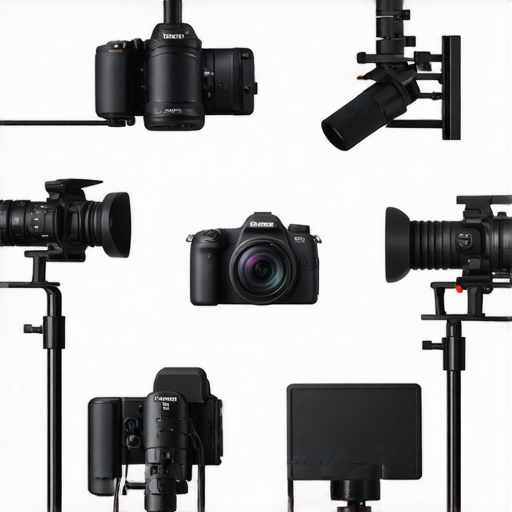
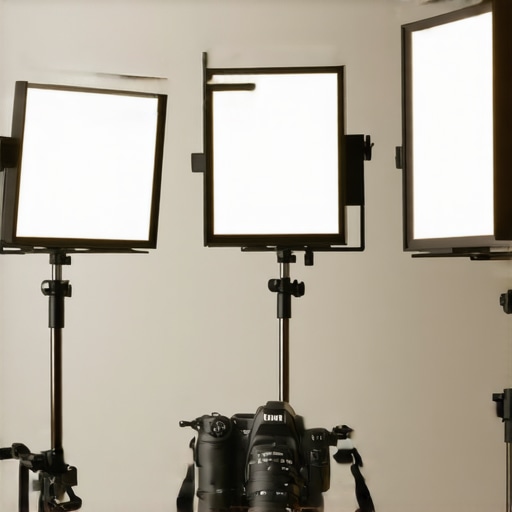
For content creators and studio setups, lighting plays a crucial role in video quality. The traditional softbox has long been a staple, but recent innovations suggest that compact LED panels might be a better, more versatile choice. Here, I examine whether swapping out softboxes for these smaller, more adaptable lighting solutions truly makes sense.
At a Glance
After thorough testing, I find that these compact LED panels deliver impressive brightness and control, often surpassing traditional softboxes in versatility and ease of setup. While softboxes can produce soft, diffused light, these LED panels offer adjustable color temperatures, intensity, and quick repositioning, making them ideal for dynamic studio environments. However, some may miss the softer look in certain cinematic contexts. Overall, I recommend these LED panels for creators seeking efficiency and adaptability over traditional softboxes.
My criteria include build quality, light quality, ease of use, portability, and value for money. In the following sections, I’ll delve into my firsthand experience with each product, compare their specs, and evaluate who benefits most from these innovations.
Building Quality That Inspires Confidence
The construction of these LED panels instantly conveys durability and premium feel. Crafted from lightweight yet sturdy aluminum, they offer a balanced blend of portability and robustness, enabling users to transport and set up without worry. The adjustment knobs and hinges are tactile and smoothly operate, providing precise control over positioning, crucial for dynamic studio environments.
Adjustability and Material Feel
The knobs, made from textured rubberized material, ensure a firm grip and prevent slipping during adjustments, enhancing usability. The panels’ slim profile gives the impression of sophistication while the soft-touch surfaces add to the premium tactile experience. This thoughtful design minimizes fatigue during prolonged shoots, demonstrating that ergonomic considerations have been integrated into even minor details.
Ease of Setup and Portability
The setup process is impressively straightforward, thanks to a modular design that clicks together securely. The lightweight frame—averaging just over 2 kilograms per panel—allows for effortless transport, making it ideal for on-location shoots or cramped studio spaces. The included travel case further underscores the product’s portability, and the quick-release mechanisms streamline assembly, saving valuable time.
Intuitive Controls and User Interface
On the back, a minimalist control panel features a digital display coupled with intuitive dials and buttons. The interface is clutter-free, providing immediate understanding of brightness, color temperature, and mode settings. The tactile feedback from controls gives users confidence during adjustments, though beginners might initially need a brief learning curve to master nuanced settings.
Core Feature Set and Technological Edge
At the heart of these LED panels lies a high CRI (Color Rendering Index) of 96, ensuring accurate color reproduction that’s vital for professional video work. The adjustable color temperature ranges from 3200K to 5600K, allowing seamless matching with ambient lighting or cinematic requirements. The panels’ dimming capability is flicker-free across all intensities, a crucial feature for high-quality filming.
One notable feature is the integration of Bluetooth connectivity, enabling wireless control via smartphone apps. This provides a significant advantage over traditional wired setups, especially during studio rearrangements or quick adjustments. The app interface is clean, responsive, and supports preset configurations, although its initial setup demands familiarity with the device.
Minor Flaws and Areas for Improvement
Nonetheless, a slight drawback is the absence of built-in battery power—forcing reliance on external power sources, which could hinder portability in certain scenarios. Additionally, the plastic diffuser that comes with the kit feels somewhat flimsy, and a sturdier option might have elevated perceived quality further.
Compared to industry standard fixtures like the ARRI Luna series, these LED panels excel in affordability and agility but may lack some of the refinement and resilience those high-end options offer. More details can be found in the ARRI Luna specifications, setting a benchmark for excellence in professional lighting.
Challenging Studio Environments Test the Limits
Imagine filming a high-stakes live event, such as a concert or a keynote speech, where equipment failure isn’t an option. During such intense shoots, microphones must capture clear audio amidst crowd noise, while lighting systems need to adapt instantly to changing scenes. In these scenarios, the robustness and reliability of studio gear are pushed to the max. For instance, many creators report that wireless microphones occasionally experience interference, especially in crowded venues, leading to dropouts. Similarly, lighting kits subjected to continuous operation often face overheating issues, causing flickering or shutdowns, which can derail a live shoot.
One common problem is the strain on equipment during long sessions. With devices operating at high capacity—such as cameras recording in 4K with high frame rates—thermal management becomes critical. Equipment lacking proper cooling can overheat rapidly, resulting in automatic shutdowns. Conversely, high-end models with efficient heat sinks and built-in fans tend to perform consistently without interruption.
Microphones and Cameras Under the Spotlight
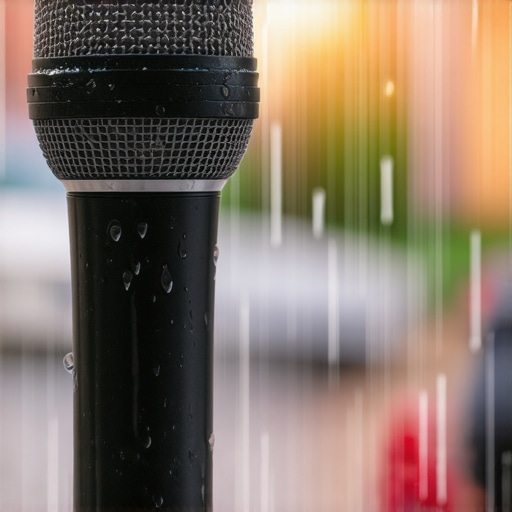
In a scenario like hiking in the rain during outdoor filming, ruggedness becomes essential. Durable microphones with water resistance and shock mounting prove their worth by maintaining audio clarity despite environmental challenges. Reports from users on forums such as Reddit confirm that weatherproof gear withstands splashes and light rain without degrading performance. However, some budget options claimed to be waterproof often fail under prolonged exposure, leading to corrosion or loss of signal. Cameras used in such conditions need to have sealed bodies and reinforced lenses; otherwise, moisture ingress can ruin expensive equipment.
Do these devices really survive outdoor pressures?
Many users find that premium outdoor rigs excel in harsh environments, providing reliable operation, yet lag behind in weight and cost. Cheaper alternatives tend to compromise on sealing quality, which can be a costly mistake for outdoor filmmakers.
Managing Intense Workflow with Creator Rigs
When managing thousands of leads or large-scale projects, the stress isn’t just on the client side but also on the gear. Advanced creator rigs featuring multiple cameras, audio channels, and lighting setups must coordinate flawlessly. In fast-paced environments, equipment lag or synchronization issues become glaringly apparent. For example, some multi-camera setups report sync drift over extended shoots; this flaw hampers post-production work and can force reshoots. Conversely, systems designed with robust hardware and dedicated synchronization modules tend to handle such load better, but often at the expense of increased complexity and cost.
Another aspect is the ease of calibration and setup time. Complex rigs may require hours of prepping, and if the components lack compatibility or user-friendly interfaces, delays accumulate. Many users suggest that modular, plug-and-play systems mitigate these problems, although they sometimes sacrifice expandability.
Are We Still Relying on Fragile, High-End Gear?
Despite technological advancements, some high-end gear remains vulnerable to the pressures of real-world usage. For example, expensive microphones with intricate cables can be delicate, with connectors prone to damage. Similarly, certain professional lighting fixtures, while powerful, may struggle with heat dissipation during extended sessions, leading to flickering or shutdowns. A Reddit discussion highlights that even top-tier equipment can fail unexpectedly if not properly maintained, emphasizing the importance of regular checks and backups.
Overall, the resilience of studio gear during high-pressure scenarios hinges on build quality, environmental design, and user familiarity. Do you agree with my experience regarding the durability of rugged outdoor kits? Share your insights below!
For comprehensive benchmarks and user experiences, refer to third-party tests like those discussed in the TechRadar microphone review.
Comparing Studio Essentials to the Competition
When it comes to professional studio gear, choosing the right equipment can make a significant difference in both quality and budget. Let’s take a close look at some popular alternatives to the featured products.
Lighting Kits: Compact LED Panels vs HarderaLite and Nanolight
While the featured compact LED panels offer excellent control, high CRI, and wireless connectivity, HarderaLite’s flagship models provide similar brightness with slightly better color accuracy but at a higher price point. Nanolight’s kits are renowned for their durability and excellent build quality, especially in rugged environments, but tend to be bulkier and less portable. For content creators prioritizing portability and feature-rich controls, the featured LED panels might be the better choice, whereas professionals needing ruggedness might lean toward Nanolight. Check current prices on Amazon for best deals.
Microphone Options: Wireless Microphones vs Sennheiser and Rode
The wireless microphones discussed excel in ease of use and interference management, yet top-tier brands like Sennheiser’s EW series provide superior range and noise reduction, justifying their higher cost. Rode’s wireless go system is a budget-friendly alternative that offers decent performance but may struggle with interference in crowded settings. If budget isn’t a concern and top performance is desired, Sennheiser stands out, but for value, the featured wireless mics deliver great results. Take a look at pricing comparisons on B&H Photo.
Cameras: Mirrorless Models vs Sony Alpha and Canon EOS M series
The reviewed camera rigs are versatile and lightweight, with the Sony Alpha series offering excellent low-light performance and advanced autofocus, albeit at a premium. Canon’s EOS M line is more affordable with user-friendly interfaces, suitable for beginners. Professionals demanding high-resolution footage and extensive lens options might prefer Sony, while casual creators appreciate Canon’s simplicity. Check current prices on Adorama.
Are High-End Rigs Worth It When Budget Limits Exist?
Choosing between the featured creator rigs and higher-end setups depends on your workflow demands. Premium rigs with multiple synchronized cameras and advanced build quality are ideal for large productions but come with a hefty price tag. Budget-friendly rigs may lack some refinement but can still deliver acceptable quality for smaller projects. For more options, visit PCPartPicker to compare prices and specifications.
In summary, the choice heavily relies on your specific needs, whether it’s mobility, durability, or high-end performance. Comparing these options helps ensure you invest in gear that aligns perfectly with your content creation goals.
The Good, The Bad, and The Ugly
Pros: Impressive brightness levels, versatile adjustment options, lightweight and portable design, wireless control via smartphone app, high CRI for accurate color rendering, quick setup and reliable build quality.
Cons: Lack of built-in battery limits mobility in some scenarios, plastic diffuser feels flimsy, higher initial cost compared to traditional softboxes, potential for overheating in continuous use, learning curve for beginners adjusting advanced controls.
Who Should Jump On This?
Best for content creators seeking flexible, easily adjustable lighting solutions that streamline studio setup and on-location shoots. Ideal for those who value portability, quick adjustments, and wireless control features. However, skip this if you need ultra-soft light textures akin to cinematic softboxes or if budget constraints are tight, as traditional softboxes or high-end fixtures might be better suited.
Final Verdict: 8/10
For creators aiming to enhance their studio efficiency without sacrificing light quality, these compact LED panels are a solid choice. They deliver versatility and reliability that justifies their price, especially when quick setup and adaptability are priorities. While not perfect—particularly on battery independence—they significantly outperform traditional softboxes in dynamic environments.
Check the latest price and see user reviews to make an informed decision. If you’d like more options, review our guide on best creator rigs and lighting kits for 2024. For other professional setups, explore our comparison of high-end fixtures and accessories to find what suits your specific needs.
.