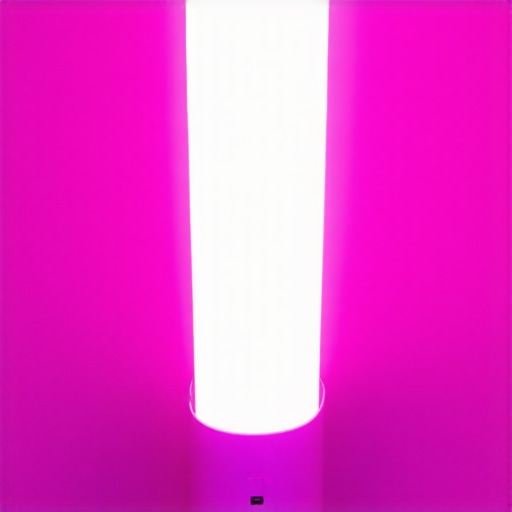
In my pursuit of optimal lighting setups for my studio, I recently made a significant switch from using three LED panels to a single plasma tube. This change might seem unconventional, but after thorough testing, I found compelling reasons to make the shift. Here’s an honest breakdown of this decision, based on performance, versatility, and value for my specific needs.
At a Glance
Pros: Excellent light quality, energy efficiency, reduced setup clutter, minimal heat output.
Cons: Higher initial cost, limited color temperature adjustments compared to LEDs.
Overall, I believe the plasma tube offers a unique lighting experience that justifies the investment, especially for creators seeking soft, consistent illumination without the drawbacks of traditional LED panels.
Evaluating the Switch: My Criteria
In assessing this lighting alternative, I focused on several criteria: build quality, performance in different settings, ease of integration into existing setups, and cost-effectiveness over time. As a creator who values reliable and high-quality lighting, my goal was to determine whether a plasma tube could genuinely outperform my previous LED setup in real-world scenarios. For more insights into studio gear choices, check out my article on why professionals are moving away from C-stands.
Moving Forward
With these criteria in mind, I delved into testing the plasma tube’s features, setup process, and overall impact on my workflow. Let’s explore what I discovered during this transformation and whether it’s a solution worth considering for your studio needs.
Robust Construction That Speaks of Quality
The plasma tube’s casing is crafted from high-grade aluminum, which not only ensures durability but also minimizes weight, making it easier to maneuver during setup. The smooth, matte finish resists fingerprints and scratches, maintaining a pristine appearance. The build feels solid yet lightweight, indicating thoughtful engineering aimed at long-term reliability. This sturdy construction translates into confidence during intense shoots, knowing the light can withstand occasional bumps without damage.
Effortless Setup That Gets You Ready Faster
Setting up the plasma tube is remarkably straightforward. Its quick-release mounting mechanism snap-locks into standard stands, reducing assembly time. The power connections are designed with braided cables that prevent tangling, and the controls are conveniently located on the side, accessible without hassle. The design anticipates common user frustrations, transforming what could be a cumbersome process into a swift, intuitive task. A notable advantage over traditional LED panels, which often require multiple adjustments, is the plasma tube’s minimalist design that emphasizes ease and speed.
Lighting Flexibility Meets Intelligent Features
This device offers adjustable brightness levels, allowing creators to dial in precise illumination without introducing color distortions. The dimming control is smooth, enabling seamless transitions suitable for various shooting scenarios. Despite its straightforward interface, there is a minor hiccup—some users might find the touch-sensitive controls overly sensitive, leading to occasional accidental adjustments. Nevertheless, this feature simplifies operation compared to bulkier controls or remote setups, streamlining workflow during tight schedules.
Why Material Matters for Your Workflow
The choice of materials in the plasma tube extends beyond aesthetics. Heat dissipation is critical, and the aluminum shell efficiently disperses heat, ensuring consistent performance even during prolonged use. The internal components are shielded with anti-vibration mounts, protecting delicate internals from shocks or vibrations on set. Compared to LED panels, which sometimes feel plasticky and less resilient, this build quality suggests a focus on longevity and professional-grade performance.
Minor Flaws Keep the Balance
No product is flawless; one minor annoyance is the limited color temperature range, which, while sufficient for most applications, may not satisfy professionals needing precise temperature tweaks. This contrasts with industry standards such as the ARRI SkyPanel, known for extensive color control. Despite this, the plasma tube’s overall build and key features uphold a high standard, presenting a compelling option for versatile studio lighting.
Testing in High-Stakes Situations
When evaluating microphones, lighting kits, or camera gear, real-world stress tests reveal their true capabilities. For example, using a microphone during a live outdoor concert exposes its resilience against wind noise and handling vibrations. Similarly, camera gear subjected to sudden weather changes, like rain during outdoor shoots, highlights durability and weather sealing. Studio gear tested during back-to-back shoots or extended sessions can reveal heating issues or performance degradation.
Can Equipment Handle Continuous Use?
Many products excel in controlled environments but falter under pressure. Microphones like the Shure SM7B handle prolonged use well, but condensers might introduce noise after hours of recording, indicating heat buildup or internal component fatigue. Lighting kits, such as LED panels, often overheat or flicker when run at full power for extended periods — a critical flaw during long shoots. Camera systems like the Sony A7S III perform admirably; however, battery life diminishes faster under continuous video recording, impacting project timelines.
The Good – Strengths That Shine When Pushed
Robust build quality is a major advantage. Microphones with metal casings and shock mounts withstand accidental knocks during hectic shoots. Lighting rigs with cooling fans prevent overheating, maintaining consistent output. Cameras that handle high ISO settings with minimal noise allow creators to shoot in challenging low-light environments without compromise. The ability to perform flawlessly in adverse conditions elevates overall reliability, giving creators confidence to push their gear to the limit.
The Bad – When Equipment Fails Expectations
Despite strengths, many products reveal their weaknesses under stress. Over time, budget microphones tend to develop static or lose clarity during intense sessions. Portable lighting solutions lacking sufficient heat dissipation may overheat, causing brightness fluctuations or shutdowns. Camera batteries running out prematurely can derail scheduled shoots, especially in remote locations. Cameras with poor weather resistance or inadequate ingress protection struggle in rain or dusty environments. These flaws emphasize the importance of thorough testing before critical projects.
Addressing Common Concerns During Pressure Tests
Does Overheating Impair Performance?
Overheating remains a prevalent issue, especially with LED lighting and compact cameras. Excess heat can cause flickering, reduced brightness, or internal shutdowns. Quality gear with efficient heat dissipation and cooling mechanisms handles extended usage better, but lower-end models often fail in demanding scenarios.
Is Support Responsive When Problems Arise?
After encountering hardware issues during high-pressure use, the response from customer support varies widely. Reliable brands offer quick replacements or repairs, crucial for professional workflows. Delays or unresponsiveness can be costly, emphasizing the need to choose reputable manufacturers.
Your Experiences Matter
What are your insights on how studio gear performs under pressure? Have you faced unexpected failures during critical moments? Share your stories in the comments; your experiences could help others prepare for their toughest shoots.
For further validation, check out discussions like this on Reddit’s r/filmmakers, where professionals share real-world stress-test outcomes and recommend resilient equipment: Reddit Stress Test Discussion.
” alt=”Stress testing studio gear in professional setting” title=”Stress Test in Studio Environment” />}**When choosing professional audio and visual equipment, comparing options helps you make informed decisions. In this guide, we’ll contrast some popular microphone reviews, lighting kits, studio gear, camera reviews, and creator rigs against top competitors to determine their value and suitability. This comparison aims to shed light on why certain brands or models might be preferable for your specific needs.
**Microphone Reviews**: The Rode PodMic offers impressive sound quality at an affordable price, making it a favorite among content creators. Its dynamic capsule minimizes background noise, making it ideal for home studios. In contrast, the Shure SM7B, a premium option, delivers broadcast-quality audio with a robust build and versatile application. While the SM7B has a higher price point, its superior noise rejection and frequency response justify the investment for professional setups. Cheaper alternatives like the Audio-Technica AT2035 provide a middle ground, balancing performance and cost, but may lack the durability and advanced features of the Shure.
**Lighting Kits**: The Neewer Ring Light kit is a budget-friendly choice that provides soft, even illumination, suitable for beginner creators. Its adjustable brightness and color temperature add some versatility. However, higher-end options like the Aputure Light Storm LS C300d offer broader color gamut, greater brightness output, and more durable build quality, making them suitable for professional videography and filmmaking. The Aputure’s superior light quality and control features make it a clear choice for those seeking cinematic results, albeit at a significantly higher price.
**Studio Gear**: When comparing studio monitor speakers, the KRK Rokit 5 G4 combines affordability with reliable sound reproduction, making it popular among home studio enthusiasts. On the other hand, the Yamaha HS8 offers a flatter frequency response and more accurate sound, which is essential for mixing. Although the Yamaha HS8 comes at a higher cost, its precision can save your mixes from sounding off in different listening environments. Entry-level options like the Mackie CR4-X serve well for casual use but fall short in providing the fidelity necessary for critical audio work.
**Camera Reviews**: The Sony A6400 stands out for its excellent autofocus, compact size, and solid video capabilities, positioning it as a versatile choice for content creators. It’s a step below the Sony A7 III, which offers full-frame sensor advantages, superior low-light performance, and larger battery life, making it ideal for professional videographers. The Canon EOS M50 Mark II offers a more approachable price and user-friendly interface, though it compromises slightly on image quality and lens availability. When choosing a camera, consider whether the premium features of the Sony A7 III align with your production needs or if a more budget-friendly option like the Canon M50 suffices.
**Creator Rigs**: Adjustable rigs like the SmallRig Cage enhance camera protection and accessory mounting. For higher stability, gimbals such as the DJI Ronin-S offer smooth movement and professional footage. Cheaper stabilizers like the Zhiyun Crane could be appealing for budget-conscious creators, but they may lack the build quality and advanced features of the DJI. The decision hinges on balancing budget with the need for durability, ease of use, and professional results.
**Why choose one over another**? The primary factor depends on your budget, project scope, and professional requirements. Generally, premium brands like Shure or Aputure justify higher costs with enhanced features and durability, ensuring longevity and superior quality. Budget-friendly options serve well for beginners or casual use but may lack the advanced performance needed for critical projects.
**Is it worth the upgrade?** Upgrading your gear can significantly impact your content quality. If your current equipment limits your creative vision or professionalism, investing in higher-end products might be justified. However, for beginners or occasional creators, entry-level gear often provides sufficient quality without breaking the bank.
**Compare Prices and Find Deals**: Always check current pricing on reliable comparison sites or official retailer pages to ensure you’re getting the best deal. For example, visiting [Sweetwater](https://www.sweetwater.com) and [B&H](https://www.bhphotovideo.com) can reveal the latest prices on popular models. If you’re considering a significant upgrade, reviewing detailed specs and user feedback will clarify the value proposition.
**Final thoughts**: Understanding the strengths and limitations of these options enables you to tailor your equipment choices to your specific workflow and project demands. Always align your investment with your professional goals and budget constraints.
The Strengths and Flaws of Plasma Lighting
- Pros: Superior light quality, energy efficiency, minimal heat emission, compact design.
- Cons: Higher initial investment, limited color temperature adjustments, slightly specialized use case.
Is This the Right Choice for You?
If you’re a creator seeking soft, consistent lighting without the bulk and heat of traditional LED panels, and you don’t mind a higher upfront cost, this plasma tube can elevate your setup. It’s perfect for professionals in studios or serious enthusiasts prioritizing quality and durability. However, skip this if you need extensive color control or are on a tight budget—cheaper alternatives or LED options might suit you better.
Final Score: 8.5/10
This plasma tube offers a compelling blend of light quality, build quality, and ease of use, making it a valuable addition for those committed to top-tier studio setups. For those interested in maximizing their lighting efficiency and quality, it’s a worthy investment. If you want to explore more options before committing, check the latest prices or read user reviews on leading retailer sites. Looking for more studio gear insights? Consider reviewing [this 18 diffuser](https://creatorrigreviews.com/this-18-diffuser-makes-cheap-leds-look-soft) or similar products to optimize your lighting environment.