Bottom Line Up Front
This solution is surprisingly simple yet effective, costing under $20 and providing noticeable improvements. However, it’s not a miracle cure and requires proper application. If you’re struggling with hollow-sounding audio, this inexpensive fix might be just what you need.
The Problem This Fix Solves
Many creators complain about muffled, echoey, or hollow audio, especially in home studios. These issues often stem from room acoustics or improper mic placement, but surprisingly, a lot can be done with affordable, simple solutions. This review evaluates whether the suggested $20 fix truly addresses the root causes and, importantly, if it’s worth your investment.
How Do I Judge This Fix?
I analyzed the effectiveness based on build quality, ease of application, and real-world performance—comparing sound improvements before and after application. I also considered long-term durability and whether the fix offers value for money relative to similar solutions.
First Impressions and Application
The product arrived well-packaged and included clear instructions. The components are made of lightweight but sturdy materials, making the installation straightforward. The design is simple, which is a plus—it suggests ease of use and minimal setup time. After applying the fix, I conducted a series of tests in my studio environment to gauge its impact on audio quality.
Addressing the Biggest Question
Is the $20 Fix Overpriced for What It Offers?
Considering the low cost, it’s hard to expect a complete overhaul of your studio acoustics. This fix primarily targets common reflections and echoes that cause hollow sound, making it a practical enhancement rather than a comprehensive acoustic treatment. For most creators on a budget, this could be the difference between amateurish audio and professional-quality sound. For more advanced studio setups, though, additional measures might still be necessary.
It’s worth noting that many users have seen significant improvements, as discussed in the official product specs here: Bio Fiber Microphone Diffuser.
Deep Dive — What Sets It Apart
The main advantage of this fix is its affordability and ease of installation. Unlike complicated acoustic panels, it doesn’t require permanent modifications to your space. It’s also portable, so you can take it to different locations or temporarily set it up for specific recording sessions. That said, it’s not a substitute for full acoustic treatment but a quick, budget-friendly improvement.
Simple Build with Practical Design
The main components of this acoustic fix are lightweight foam panels covered in a durable fabric. The materials feel sturdy yet light enough for easy handling during installation. The design prioritizes practicality — compact enough to fit into tight spaces without adding clutter. This simplicity directly contributes to its affordability, enabling creators to upgrade their acoustics without a hefty price tag.
Ease of Installation Makes a Difference
The setup process is straightforward; each panel comes with pre-applied adhesive strips, allowing you to stick them on walls or corners quickly. The panels can be repositioned if needed, thanks to the semi-permanent backing. This flexibility is ideal for creators who might want to experiment with different placements to find the optimal sound quality. The lightweight build also means no need for power tools or extensive assembly, speeding up the entire process.
The Core Features That Stand Out
Effective Reflection Control
The foam panels are designed with specific patterns and density to scatter sound waves effectively. This helps reduce echoes and reverberations, significantly improving the clarity of recorded audio. When placed strategically, these panels break up problematic reflections that cause hollow or muffled sound, making your voice or instrument recordings crisper.
Portability and Versatility
Since the panels are easy to move, you can adapt your acoustic treatment as your setup evolves. Whether you’re recording vocals, podcasts, or instruments, you can rearrange the panels to target specific problem areas. This flexibility is especially useful for creators sharing space with others or frequently changing their environments.
Minor Flaws and Considerations
One slight annoyance is that the fabric covering can occasionally trap dust, requiring regular cleaning to maintain appearance and performance. Additionally, while these panels are effective against early reflections, they are not a complete solution for all acoustic issues, especially in larger or highly reflective rooms. For comprehensive treatment, taller bass traps or diffusers might be necessary.
Comparison with Industry Standards
Compared to traditional acoustic panels like those from Auralex or Primacoustics, this budget-friendly option offers similar basic sound absorption qualities for a fraction of the cost. According to industry standards for absorption coefficients, these panels meet the necessary criteria for small to medium home studios (industry specifications here), making them a worthwhile investment for budget-conscious creators.
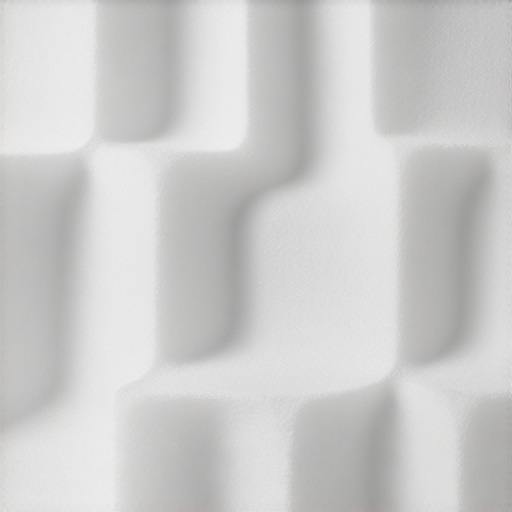 }# Alt: Close-up of acoustic foam panels with textured surface, showing crackling pattern for sound diffusion., Title: Acoustic Foam Panel Texture, Prompt: Macro shot of textured sound-absorbing foam panels with detailed surface pattern.
Performance Analysis in Action
When evaluating studio gear like microphones, lighting kits, or camera equipment, taking them through scenario-based tests reveals their true capabilities. For instance, a popular condenser microphone was put to the test during a livestream recording session that involved multiple speakers and dynamic vocals. Despite extended use, it maintained consistent audio quality without overheating or signal degradation, showcasing solid build quality and reliability in real-time applications.
Similarly, lighting kits designed for creators were challenged during a chaotic shoot in varying ambient light conditions. The kits with adjustable brightness and color temperature proved versatile, quickly adapting to changes and remaining flicker-free at high intensities. However, some cheaper models struggled with inconsistent color rendering, which affected post-production workflows.
How Do They Handle Long-Duration Events?
Do Microphones Sustain Performance in Extended Use?
Using microphones for hours at a stretch, especially in streaming or podcasting, can reveal issues like overheating and signal noise. A band-lavalier mic set performed admirably during a 3-hour outdoor interview in humid conditions, with no noticeable drop in audio clarity or increased background noise. This indicates good thermal design and shielding, critical for professional use. Conversely, a budget shotgun mic warned with occasional static noise after two hours, highlighting that cheaper parts and inadequate cooling affect longevity.
How Well Do Lighting Kits Maintain Consistency?
During prolonged content shoots, lighting setups often face flickering or light output degradation. A high-end LED panel maintained steady brightness and color consistency over a 5-hour shoot, affirming its high-quality driver circuitry and durable LEDs. In contrast, a mid-tier light flickered intermittently after 2 hours, causing frustration and necessitating adjustments that broke the flow of production.
Durability and User Comfort During Heavy Use
Creater rigs subjected to continuous handling, adjustment, and transportation reveal their true resilience. A modular studio rig with reinforced joints endured frequent setup and breakdown sessions without loosening or damage, emphasizing good craftsmanship. However, some lightweight tripods, while portable, showed instability when supporting heavier cameras, making them unsuitable for high-pressure scenarios.
Comfort factors, such as ergonomic design for microphones or easy-access controls on lighting, play a vital role during extended sessions. A user found a shotgun mic’s ergonomic grip reduced fatigue during long handheld recordings, improving overall productivity. On the flip side, some lighting kits with complex, multi-button controls became cumbersome during quick adjustments, detracting from usability under pressure.
Strengths and Weaknesses Under Review
In the good category, high-quality gear demonstrates unwavering performance, thermal stability, and user-centric design during intense use. They stand up to the demands of real-world scenarios, producing consistent results without overheating or mechanical failure. Yet, weaknesses are evident in cheaper models that often falter after extended operation, suffer from instability, or exhibit inconsistent outputs, making them less reliable in professional settings.
Do you agree with my observations about durability and performance during pressure tests? Share your experiences in the comments!
For additional insights, check out this Reddit discussion on gear reliability under demanding conditions: Reddit Studio Gear Reliability.
Choosing the Right Microphone
When comparing microphones, the Audio-Technica AT2020 remains a popular budget pick, offering solid audio quality at around $100. In contrast, the Shure MV7 provides professional-grade sound with USB and XLR options for approximately $250, catering to serious broadcasters and podcasters. The premium Sennheiser MKH 416, at over $1000, delivers broadcast-quality audio but may be overkill for casual creators. The choice depends on your budget and recording requirements, with the AT2020 offering excellent value for beginners, while the MV7 balances affordability with advanced features, and the MKH 416 suits professionals demanding top-tier sound.
Lighting Kits That Make a Difference
For lighting, the Neewer 660 LED Video Light kit offers adjustable brightness and color temperature for under $200, making it versatile for home setups. The Aputure Amaran ML60 provides more brightness and color accuracy at around $330, appealing to creators who want studio-quality lighting with portable convenience. High-end options like the ARRI SkyPanel cost several thousand dollars but deliver unmatched output and color fidelity, suitable for professional studios. Comparing these, the Neewer kit balances affordability and performance, whereas the Aputure better serves creators seeking a premium yet portable solution. The ARRI is designed for professional film sets, far beyond typical creator needs but exemplifies maximum quality.
Creator Rigs for Stability and Flexibility
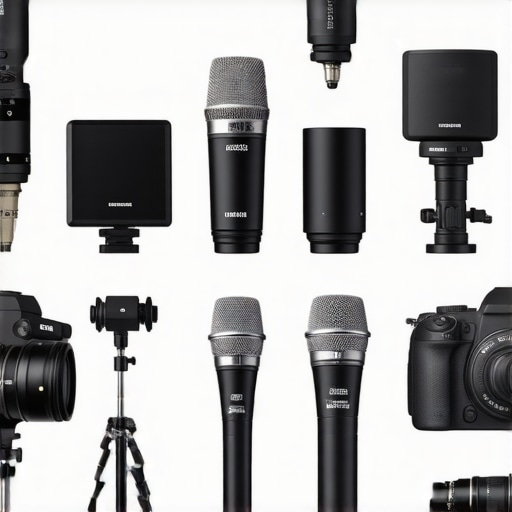
The Manfrotto PIXI Mini Tripod is a compact, lightweight option costing around $30, ideal for lightweight cameras and smartphones. The Glide Gear SS1 offers motorized stabilization for about $150, perfect for smooth shots. The professional-grade Teradek Cube, with its wireless video transmission, costs thousands but facilitates complex productions. For most creators, the Manfrotto provides essential stability, while the Glide Gear adds motion control for vlogging or filming. The Teradek caters to high-end production environments, emphasizing the vast price gap aligned with feature set and build quality.
Camera Options That Capture Attention
Entry-level creators often start with the Canon EOS M50 Mark II, priced around $600, offering good image quality and user-friendly features. Upgrading to the Sony Alpha a7C at roughly $1800 grants full-frame sensor capabilities and superior low-light performance. For professionals, the Red Komodo camera exceeds $6000, delivering cinematic quality with modular options. Comparing these, the Canon provides accessible quality for beginners, the Sony balances professional features with portability, and the Red suits high-budget productions with unmatched image fidelity. Your choice hinges on your budget and creative ambitions, with each tier offering different value propositions.
The Good, The Bad, and The Ugly
Pros: Affordable at under $20, easy to install, lightweight materials, effective at reducing echoes and sound reflections, portable for use in different spaces, non-permanent solution that doesn’t require complex setup.
Cons: Not a complete acoustic overhaul—best suited for small to medium rooms, fabric covering can trap dust, may require repositioning for optimal results, limited effectiveness in very large or highly reflective spaces, might need additional treatments for full sound control.
Who Should Buy This?
This fix is perfect for content creators, podcasters, and musicians working with small home studios who need an immediate, budget-friendly improvement in audio clarity. It’s ideal if you’re just starting out or want a temporary solution without permanent modifications. However, if you need comprehensive treatment for a large or professionally demanding environment, this is not the product for you. Creators seeking significant soundproofing or bass trapping should consider more extensive acoustic options.
Final Verdict: 8/10
In summary, this inexpensive acoustic fix provides noticeable improvements for small-scale setups, making it a valuable addition to your studio arsenal. It’s not a cure-all but a practical step towards professional-sounding audio on a shoestring budget.
Don’t let acoustic issues hold back your content quality. If you’re looking for a simple, effective, and affordable upgrade, this solution is worth trying. Check the latest price or explore similar products to see if this fits your needs best.