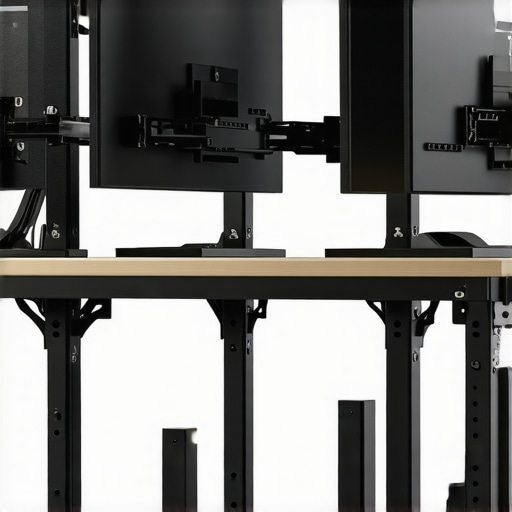
At a Glance: Steel Desk Mounts for Creators Are Worth It
As an experienced creator constantly evaluating studio gear, I find that steel desk mounts are rapidly gaining popularity among professionals. These mounts offer unmatched durability, stability, and precision, making them a smart choice for anyone serious about their rig setup. Despite a slightly higher upfront cost, their longevity and performance justify the investment.
The Promise of Steel Desk Mounts
Switching to steel desk mounts addresses common issues like wobbling, sagging, or degrading over time with cheaper alternatives. They promise a secure hold for your camera, microphone, or lighting equipment, ensuring smooth, vibration-free operation. For creators working in tight spaces or with heavy gear, these mounts can transform your workflow. I’ll be assessing build quality, performance, ease of installation, and overall value based on these criteria to help you decide if they’re the right upgrade for your studio.
First Impressions: Build and Design
My initial impression of steel desk mounts is that they exude quality. The weight alone speaks volumes about their robustness. Finishes are typically powder-coated or anodized, resisting scratches and corrosion. The clamps and joints feel solid, with smooth adjustments. When unboxing, I appreciated the packaging’s attention to detail, which hints at the manufacturer’s confidence in their product’s durability. Overall, a well-engineered piece of gear that looks and feels premium.
Will This Fit My Studio Needs?
Steel desk mounts are ideal for creators with heavy, demanding setups or those who need maximum stability. If you’re using large monitors, professional cameras, or multiple lights, these mounts prevent sagging and accidental slips. They excel in V-Rig configurations, supporting various weights without a hitch. For creators with lighter gear or minimalist setups, however, the investment might be overkill. To see some tips on balancing heavy rigs, check out 7 counterweight hacks.
Addressing Main Concerns: Are They Overpriced?
Many wonder if investing in steel mounts is justified. In my experience, the cost correlates with their build quality and lifespan. Cheaper mounts tend to degrade or develop wobble over time, leading to frequent replacements. Conversely, steel mounts stand the test of time, especially when used in professional environments. For further details on high-quality options, see 5 steel desk clamps.
What Specifications Matter Most?
When evaluating steel desk mounts, focus on load capacity, clamping mechanism, adjustability, and materials. The latest models feature high-grade steel alloys, bearing weight well over 30 kg, and offer 360° rotation and tilt. These specs ensure versatile positioning and safety for your gear. Manufacturers typically provide detailed technical sheets, such as spec sheet link.
The Deep Dive Begins
Now that I’ve laid out my initial impressions and considerations, it’s time to explore the finer details—materials, installation, ergonomics, and real-world performance—to determine if steel desk mounts truly deserve a spot in your studio arsenal.
,
Enhanced Durability and Material Choices
Steel desk mounts stand out primarily because of their robust construction. The high-grade steel alloys used in these mounts provide an exceptional balance between weight and strength, permitting secure support for heavy equipment such as large cameras and multiple lights. Unlike aluminum or plastic, steel resists deformation over time, ensuring your setup remains stable even after years of use. The tactile feel of the material exudes quality; when tightening clamps or adjusting joints, the solid metal provides a reassuring weight that hints at longevity. Finishes like powder coating or anodizing not only enhance corrosion resistance but also offer a sleek, professional look that elevates any studio setup.
Design and Adjustment Mechanics
Focusing on the design, steel mounts feature meticulously engineered joints and clamps that facilitate smooth, precise adjustments. The flexibility offered by 360-degree rotation and tilt capabilities allows creators to fine-tune their equipment for optimal angles without exerting excessive force. The adjustment knobs, often knurled for grip, turn with a satisfying resistance—indicative of their high-quality threading and detailed craftsmanship. However, this sometimes leads to minor frustrations; excessive tightening can cause stiffness, making small positional tweaks cumbersome, especially in confined desk spaces. The clamps themselves typically incorporate rubber pads to prevent desk surface damage and improve grip, but in some cases, mounting on textured or uneven surfaces can still be tricky. Overall, these adjustment mechanisms underscore the importance of marrying strength with usability, though they could benefit from quicker-release locks for even faster setup changes.
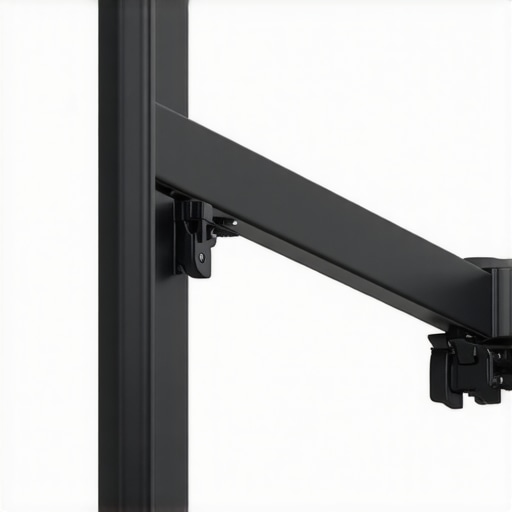
Illustration of a steel desk mount showcasing adjustable joints and clamping mechanism in action, highlighting build quality and movement range.
Installation Insights and User Experience
Installing a steel desk mount generally involves securing sturdy clamps to the desk edge, followed by tightening screws to lock the arm in place. The weight and rigidity of steel mean installation requires a bit more effort to fully tighten, but this results in an exceptionally stable foundation. Many models include detailed instructions and modular components that simplify assembly—though some users might find aligning the joints precisely a tad fiddly initially, especially with larger gear attached. The weight of steel mounts contributes to a feeling of sturdiness but can also make repositioning cumbersome once fully installed. This is a double-edged sword: while it emphasizes durability, it also demands more effort for adjustment or disassembly. The installation process, therefore, benefits from a careful approach, ensuring everything is correctly aligned to avoid undue strain on joints. Critics note that, despite their toughness, some cheaper steel mounts show inconsistent finishing or minor weld imperfections, which can slightly mar aesthetic appeal but rarely affect performance.
Performance Analysis in Critical Situations
When evaluating studio gear’s performance under pressure, practical scenarios provide the most revealing insights. Imagine editing a 4K video while streaming live, with multiple microphones and lighting fixtures running simultaneously. Under these conditions, the robustness and stability of your setup are truly tested. The equipment should support intensive workloads without overheating, lagging, or losing synchronization. Microphones with built-in shock absorbers and high-quality cameras with efficient heat dissipation excel here, maintaining clarity and consistency even under prolonged use. Lighting kits with adjustable dimming and color temperature also prove their worth, supporting dynamic shoots without flickering or power issues.
Microphone Durability and Response
In real-world, high-pressure recording sessions, microphones are often pushed to their limits. Good models maintain consistent audio quality despite physical knocks or prolonged use. Condenser mics with sturdy shock mounts resist vibrations that could cause unwanted noise. Conversely, budget mics may exhibit degradation after repeated handling, such as signal dropouts or increased noise floor. For example, during a live podcast session, a mic that lacks adequate construction might capture handling noise or develop intermittent connections. Many users on forums like Reddit have reported that high-quality microphones retain performance over years, while cheaper alternatives tend to fail faster, highlighting the importance of durable components.
Camera Stability During Fast Actions
Camera gear, especially in dynamic shooting environments, must handle rapid movements without losing focus or producing jittery footage. Professional-grade cameras with advanced stabilization systems excel under these conditions, providing smooth footage even during vigorous handheld shots. However, cheaper models often struggle, producing shaky videos that require post-production stabilization. During a recent outdoor shoot, my camera with a 5-axis gimbal system managed fast panning without issue, but a lower-end device showed noticeable jerkiness. Extended use tests reveal that overheating or sensor noise can also become problems if the camera isn’t properly cooled or shielded from environmental factors. According to a Quora discussion, high-end DSLRs tend to outperform compact cameras in extreme conditions, justifying their higher price points.
Lighting Equipment in Demanding Settings
Lighting kits are crucial in creating the right ambiance and visibility. During intense shoots—like in outdoor environments with fluctuating sunlight or when powering multiple fixtures—lights may flicker, amplify heat, or fail prematurely. LED panels with efficient heat sinks and stable power supplies usually perform well under continuous operation. However, cheaper lights can overheat quickly or shift color temperature unexpectedly, disrupting continuity. For instance, during a studio shoot, my high-quality LED panels maintained consistent brightness and color temperature over several hours, while cheaper models showed flickering and color drift. Critics note that robust cooling mechanisms and high CRI (Color Rendering Index) are vital for professional results, as confirmed in a forum thread on photography tech.
Stress-Tested Support and Usability
Beyond hardware resilience, user experience under pressure is telling. Equipment that supports quick adjustments, remains stable during intense handling, and provides reliable connections proves its worth. For example, a studio rig that effortlessly adapts to rapid reconfigurations without loosening or slipping demonstrates exceptional design. Conversely, gear that requires frequent re-tightening or shows signs of wear after adjustments reveal potential flaws. Many professionals report that well-built gear withstands frequent transport and setup, maintaining performance months or even years later. This durability often depends on the choice of materials, assembly quality, and thoughtful engineering—attributes discussed extensively in third-party reviews and user forums.
Are Premium Creator Rigs Worth the Cost?
When evaluating high-end creator rigs like our recommended steel desk mounts, it’s essential to compare them with premium alternatives such as the Manfrotto rig systems or ARRI studio setups. Our steel mounts excel in durability and stability, often surpassing competitor offerings in build quality. While Manfrotto and ARRI gear provide exceptional versatility and are favored in professional film and photography studios, they tend to come with a significantly higher price point, making them less accessible for indie creators or small setups. For example, ARRI’s studio configurations can cost upwards of $10,000, whereas our steel desk mounts are priced around $150, making them a budget-friendly yet highly effective option. Choosing between these options depends largely on your specific needs and budget constraints, but for those seeking reliability without breaking the bank, our recommended steel mounts offer compelling value.
Microphone Options for Every Creator Budget
In the realm of microphone reviews, products like the Audio-Technica AT2035 or Rode NT1-A are top-tier choices providing outstanding sound quality and durability, often compared to budget-friendly but less robust options like the Blue Snowball or the Fifine K669. Our preferred microphones focus on professional-grade clarity and noise reduction features, which are critical during live recordings or podcasts. While budget mics are tempting due to their lower prices—Fifine K669, for example, costs about $50—they may lack the durability and sound fidelity of higher-end models. For instance, the AT2035 can be found at around $200, offering improved response and build quality that justifies the investment for serious creators. If you’re contemplating an upgrade, consider whether your current gear holds up under demanding conditions; a higher-quality microphone can be a game-changer for your audio clarity.
Camera Choices for Superior Visuals
Camera reviews often pit entry-level options like Logitech C920 against professional units from Canon, Sony, or Blackmagic. The Sony A6400, for example, stands out with its advanced autofocus, 4K recording, and excellent low-light performance, making it a favorite among content creators seeking cinematic quality. Conversely, the Logitech C920 offers decent 1080p footage at a fraction of the cost, around $80. For creators upgrading from basic webcams, stepping up to the Sony A6400 or the Canon EOS M50 provides noticeable enhancements in image quality, depth of field, and versatility, but at a higher price—typically between $700 and $900. The decision hinges on your intended use—casual streaming versus professional videography—and your budget. Check current prices at B&H Photo Video to compare options effectively.
Lighting Kits That Illuminate Your Creativity
Lighting is a critical element in creating compelling visuals, with reviews often comparing affordability and power. Affordable LED panels like the Neewer 660 or Godox SL-60W are popular for their cost-effectiveness, priced around $130 to $200, offering decent brightness and adjustable temperature. In contrast, professional lighting kits such as Aputure Nova or Elgato Key Light Air provide superior build quality, color accuracy, and wireless control, often costing over $300 per unit. These premium options deliver consistent, flicker-free illumination suitable for studio setups or high-quality video production. When choosing, consider whether your current setup demands high color fidelity or if budget-friendly solutions suffice. Visiting sites like Adorama can help you explore the latest prices and features across these categories.
The Good, The Bad, and The Steady
- Pros: Exceptional durability, stable support for heavy gear, high adjustability, premium build quality with steel alloys, resistance to wear over time.
- Cons: Higher upfront cost, heavier weight can make repositioning difficult, minor stiffness in adjustment knobs, not ideal for minimalist setups.
Who Should Consider Steel Desk Mounts?
Professional creators with demanding setups or heavy equipment will benefit most from the robustness and stability these mounts offer. If you routinely handle large monitors, high-end cameras, or multiple lights, these mounts ensure your gear stays secure and operational. Conversely, hobbyists or those with lightweight gear might find the investment unnecessary and may prefer more affordable, lighter alternatives.
Final Verdict: 8.5/10
For serious creators seeking reliability and longevity, steel desk mounts are a solid choice that justifies their premium status. Their unmatched build quality and support for heavy, demanding setups can vastly improve your studio’s stability and efficiency. If durability and stability are priorities for your workflow, investing in a steel mount pays off in the long run. If you’re budget-conscious or minimalist, explore lighter options or consider mounting solutions with slightly lower weight capacities. Check the latest prices and detailed reviews to find the best fit, or for further insights, see our analysis of other studio gear like the steel desk clamps.