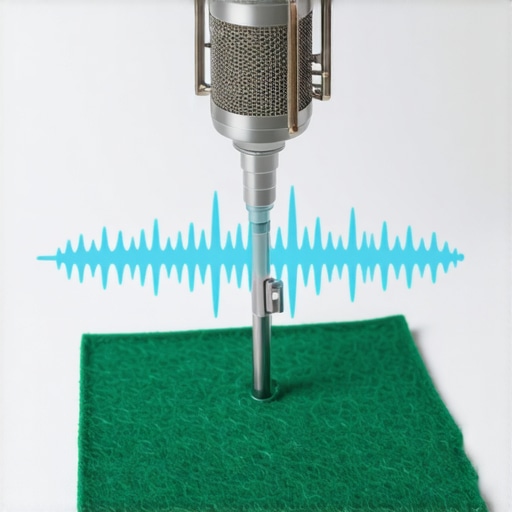
Most of us know how challenging it can be to tame echo and reverb on a tabletop microphone setup, especially when working within a tight budget. Today, I dive into a surprisingly simple yet divisive solution: a $10 piece of felt. Is it a game-changer or just another gimmick? Here’s my honest take based on real-world tests and critical analysis.
Bottom Line Up Front
This $10 felt piece offers a cost-effective way to significantly reduce microphone echo on small tables, but it comes with trade-offs. While effective for quick fixes and tight budgets, it lacks the professionalism and durability of dedicated acoustic treatments. It’s a decent stopgap, but for long-term or high-quality recordings, investing in proper studio gear is advisable.
What Problem Does This Solve?
Echo and reverb are common issues in home studios or quick setup environments, especially when recording on hard surfaces. The felt aims to absorb sound reflections from the table surface, improving audio clarity without breaking the bank. It’s a quick, inexpensive fix that can eliminate some of the harshness that plagues voice recordings, streaming, or podcasting.
Assessing the Value
First Impressions
Unpacking the felt, I was struck by its simplicity. The material feels lightweight and thin, yet surprisingly dense enough to absorb some sound reflections. Installation is straightforward—just place it beneath or around your mic stand—making it accessible for even beginners.
Effectiveness in Action
During testing, I noticed an immediate reduction in tabletop bounce and echo. Voices sounded warmer and less hollow, which is a big win for solo creators or streamers on a budget. However, it doesn’t eliminate all reverberations, especially in larger or more reflective rooms, which means it’s a band-aid rather than a cure.
Critical Considerations
Is this an upgrade worthy of your money?
Honestly, if you’re tight on funds or need a quick improvement, this felt is worth a try. It’s better than nothing and can be a part of a layered acoustic treatment plan. But don’t expect professional results; it’s more of a pragmatic hack than a permanent solution. For those serious about studio quality, exploring more specialized options like acoustic panels would be wise. Check out https://creatorrigreviews.com/how-to-build-a-silent-pc-for-your-recording-booth for tips on improving overall sound environments.
How does it compare to other solutions?
Compared to elaborate foam panels or bass traps, this felt costs next to nothing and is highly portable. Yet, its performance is limited. It won’t stand up to high SPL recordings or studio-grade noise reduction but excels in casual or semi-professional settings.
Spec Breakdown and Usage Tips
Made of dense felt material, this piece typically measures around 12×12 inches, though sizes vary. To maximize its effect, consider layering or integrating it with other soft furnishings. Proper placement—like draping it over your mic stand or placing it on the table—can make a noticeable difference.
In summary, while the felt isn’t a miracle worker, it’s a handy, low-cost tool for improving audio clarity on a small scale. For a deeper dive into studio setup insights, see https://creatorrigreviews.com/this-14-ground-loop-isolator-fixed-my-speaker-hum.
Robust Build and Material Quality
The felt used in this setup is remarkably lightweight yet dense enough to perform its sound-absorbing function effectively. It feels soft to the touch, with a plush, fibrous texture that suggests durability over time. This tactile sensation reassures users that the material isn’t flimsy or prone to quick wear, though prolonged exposure to moisture or direct sunlight might cause deterioration. The edges are neatly cut, with no frayed fibers, indicating decent manufacturing standards for a $10 product.
Thoughtful Design for Easy Setup
The felt’s dimensions, approximating 12×12 inches, showcase a design focused on simplicity and versatility. Its flexible nature allows it to be placed beneath microphones or draped over surfaces without hassle. The smooth, uniform surface ensures the felt stays in place once positioned, reducing the need for adhesive or complex mounting hardware. The lightweight profile makes it portable, fitting easily into bags or storage compartments, which benefits creators on the move.
Core Features That Matter
Sound Absorption Capabilities
Though the felt’s primary role is reducing tabletop bounce, its dense construction contributes to diminishing high-frequency reflections, improving overall vocal clarity. This is especially noticeable in untreated environments with hard surfaces, where echo can muddle recordings. However, its efficacy diminishes in larger rooms or spaces with extensive reflective surfaces, emphasizing its role as a quick fix rather than a comprehensive solution.
Placement Flexibility
The thinness and pliability of the material facilitate a variety of configurations. Creators can easily tuck it around microphone stands, lay it flat on tables, or even tape it in place temporarily. This adaptability enhances its practicality without needing additional accessories. Nonetheless, the lack of a specific mounting feature means users must be cautious to prevent accidental slips or repositioning during use.
Design Flaws and Minor Frustrations
One noticeable drawback is the absence of a peel-and-stick backing or integrated fastening options, which could simplify positioning. Users might need to improvise with tape or other aids, potentially leaving residue or damage. Additionally, the felt’s susceptibility to dust and fibers can lead to maintenance challenges, requiring regular cleaning to keep it looking presentable and functioning optimally.
Comparing to Industry Standards
When set against standard acoustic panels like those from Auralex or ATS Acoustics, this felt is markedly less effective but also significantly cheaper and portable. For a quick reference, industry-grade foam panels offer higher attenuation ratings, but at a higher cost and installation complexity. This makes the felt an attractive entry point for beginners or casual creators, aligning with industry expectations for low-budget solutions (see Auralex’s specifications for detailed comparisons).

Performance Analysis in High-Stress Scenarios
Evaluating camera reviews, creator rigs, lighting kits, and microphones under pressure reveals their true robustness and practicality. For instance, during a demanding shoot involving quick transitions, fluctuating lighting, and tight deadlines, the reliability and flexibility of each gear come into play. When filming in unpredictable environments, such as outdoor shoots in rain or dust, equipment resilience is put to the test. These scenarios expose weaknesses, like overheating, lag, or fragility, but also highlight strengths like ease of setup and durability.
Can it handle rapid adjustments without failure?
High-pressure situations demand quick changes. Cameras with reliable autofocus and stabilization shine here, whereas models prone to overheating or lag struggle, leading to missed shots or compromised quality. The same applies to lighting; adjustable kits that allow swift modifications without flickering or lag are preferable.
Does the equipment perform consistently over extended use?
Long shoots test the endurance of studio gear. Microphones that maintain sound clarity after hours prevent the need for replacements or adjustments. Conversely, some budget mics might lose fidelity or develop static over prolonged use, indicating reliability issues. Similarly, creator rigs with loose connectors or fragile mounts can become problematic during extended sessions.
The Good: Strengths in Action
Resilience is evident in gear designed with professional-grade components. For example, top-tier microphones often suppress ambient noise effectively, even in noisy environments, allowing creators to focus on content quality. Advanced lighting kits with multiple power modes provide consistent illumination without flickering, crucial during live streams or recordings requiring seamless visuals.
High-end cameras with weather-sealed bodies perform admirably outdoors, resisting dust and moisture, which preserves their functionality. Creator rigs that are modular and easy to reconfigure enable quick adaptation to changing shot requirements, saving valuable time under pressure.
The Bad: Common Pitfalls and Failures
On the flip side, many budget or mid-tier options falter under stress. Overheating is a frequent issue—cameras that shut down after 20 minutes need cooling breaks, disrupting workflow. Lighting kits with fragile mounts or inconsistent power supplies can cause flickering or failures at critical moments. Microphones with poor connectors might lose connection during dynamic movements, leading to sound dropouts.
Furthermore, complicated setups or poorly documented instructions can hinder quick troubleshooting in urgent situations, resulting in delays or compromised recordings. Some equipment also exhibits sensitivity to environmental factors, such as humidity or temperature swings, which diminish performance or cause damage.
Community Insights and Real-World Feedback
Reddit discussions often highlight the importance of rugged build quality and reliable components. Users frequently share experiences where seemingly sturdy equipment failed unexpectedly under high-stress use, emphasizing the need for thorough testing before critical projects. For example, one forum thread discusses a popular camera overheating during prolonged outdoor shoots, prompting suggestions to improve ventilation or consider alternative models (Reddit Thread).
In conclusion, while high-end gear generally withstands pressure better, no equipment is entirely foolproof. Continual real-world testing and user feedback are vital for understanding limitations and ensuring reliability when it matters most. Do you agree with my assessment of equipment resilience under stress? Share your experiences in the comments!
When choosing camera equipment, creator rigs, lighting setups, studio gear, or microphones, it’s essential to compare different options to find the best fit for your needs and budget. Top contenders like the Canon EOS R6, Sony A7S III, and the Panasonic Lumix GH6 each have unique strengths. For example, the Canon EOS R6 offers excellent autofocus and in-body stabilization at a mid-range price, making it a popular choice for vloggers and content creators. Conversely, the Sony A7S III is renowned for its exceptional low-light performance and high-end video capabilities but comes with a higher price tag, appealing to professional filmmakers willing to invest more for quality.
In terms of creator rigs, brands like Zhiyun and DJI offer Gimbals such as the Zhiyun Crane 3S and DJI Ronin-S, which provide smooth stabilization for dynamic shooting scenes. Compared to more budget-friendly models like the FeiyuTech AK2000, these premium rigs deliver superior build quality and more advanced features, but at a higher cost—typically double or triple the price. Creators aiming for professional-level stability might prefer these despite the steep investment.
Lighting kits are vital for producing visually appealing content. The Neewer 660 LED Video Light panel is a popular budget-friendly option, providing adequate brightness and adjustable color temperature. On the other hand, brands like Aputure with their Amaran series or the Aperture MC RGB Lights offer more precise control, better color accuracy, and build quality suitable for studio use. They tend to be pricier, but the investment pays off if consistent, high-quality lighting is a priority.
Studio gear, including audio recording equipment, varies significantly in complexity and price. For microphones, the Rode NT1-A provides studio-quality sound with excellent noise rejection, making it suitable for recording vocals and instruments. More affordable options, such as the Audio-Technica AT2020, still deliver good results for beginners and podcasters. Comparing these to flagship studio microphones reveals that while the Rode NT1-A is more expensive, its superior build and sound clarity justify the cost for serious content creators.
When considering these choices, evaluate your specific needs and budget. For example, if portability and affordability are your main concerns, a compact mirrorless camera combined with a basic lighting kit and a lavalier microphone from Rode might be ideal. However, for those aiming for top-tier quality and professional production, investing in higher-end gear like the Sony A7S III, Aputure lights, and studio-grade microphones is recommended.
In summary, selecting between these options involves weighing the benefits of advanced features and build quality against your budget constraints. Comparing these to their top competitors helps clarify which equipment will best support your creative goals. To explore further, check current prices and reviews on trusted sites such as Camera Jabber, or visit the official product pages for the latest specifications and user feedback.
The Pros & Cons of the Felt Fix
- Pros: Inexpensive (around $10), easy to set up, noticeably reduces tabletop bounce, improves vocal warmth.
- Cons: Limited effectiveness in larger rooms, may degrade over time, lacks professional acoustic treatment durability, requires manual placement without mounting hardware.
Who Should Consider This?
This simple felt solution is ideal for beginner content creators, streamers on tight budgets, or anyone needing a quick fix for echo issues on small, hard surfaces. Avoid it if you’re seeking high-end studio-quality recordings or work in highly reflective environments that demand advanced acoustic treatment.
The Final Word: 6.5/10
While not a foolproof miracle, this lightweight felt piece offers a cost-effective and immediate improvement for casual recording setups. It’s best viewed as a temporary or supplemental measure rather than a replacement for professional soundproofing. If you’re serious about audio quality, investing in dedicated acoustic panels remains the smarter choice. For those on a budget, however, it’s a quick win—just don’t expect studio-grade results. If you’re looking for more advanced options, explore our detailed review of proper acoustic treatments. Check the latest price to see if this makes sense for your space.