
At a Glance
Switching from overhead C-Stands to alternative mounting solutions has transformed my studio setup. While C-Stands have long been a staple, I found their limitations outweigh their benefits in my workspace. This review explores why I moved away from overhead C-Stands for desk rigs, focusing on build quality, practicality, and overall value.
The Move Away from C-Stands Was Necessary
For years, overhead C-Stands seemed like the go-to for professional-studio lighting and rigging. But over time, I encountered challenges related to space, flexibility, and ease of use. After experimenting with various alternatives, I realized that my initial reliance on C-Stands was holding back my workflow and creativity. Here’s what prompted that switch.
My Criteria for Evaluation
To ensure an honest and thorough review, I based my assessment on several key factors: build quality and durability, ease of setup and adjustment, safety and stability, space efficiency, and overall value for my specific studio needs. I also considered how well each setup integrated with my existing gear, including studio lighting and camera rigs.
What I Expect from a Good Rig Mount
Effective rigging solutions should provide flexibility, stability, and ease of use — especially in a compact workspace. With that in mind, I set out to test whether overhead C-Stands live up to their reputation or if alternative options deliver better results. For more detailed insights, you can check the official specifications of C-Stands at Gtek Stands.
Let’s Dive Into the Features and How They Compare
Core Build and Material Quality
At the heart of any rig mount lies its construction, and this component does not disappoint. Crafted from high-grade aluminum alloys, it offers an impressive balance between strength and weight. The material feels solid to the touch, resisting flexing under load, which is vital for maintaining stability when supporting heavy lighting or camera gear. The anodized finish further enhances durability, protecting against scratches and corrosion, ensuring longevity even in active studio environments.
Why Material Matters
The use of premium aluminum not only reduces weight but also prevents rust and wear over time. This robustness translates into fewer worries about accidental knocks during setup or tear-down, providing confidence that the mount can handle the rigors of daily use.
Design and User Interface
The ergonomic design features smoothly contoured adjustment knobs with knurled textures, allowing for precise control even when wearing gloves or in fast-paced studio settings. The intuitive layout reduces setup time, making adjustments straightforward without the need for multiple tools. The mount’s interface feels both responsive and firm, preventing slippage during tensioning.
Adjustability and Locking Mechanisms
The mount employs a multi-point locking system that secures gear firmly, preventing unwanted shifts. The tension knobs provide enough resistance to hold position once set but remain easy to adjust with moderate effort. This balance ensures stability without sacrificing user convenience. However, some users might find the locking levers slightly less intuitive at first glance, necessitating a moment of familiarization.
Setup and Installation Ease
Setting up this rig mount involves straightforward steps: attaching the base to a desk or stand, then securing your gear with the included clamps. The comprehensive packaging includes clear instructions, and the modular nature of the design allows quick disassembly or reconfiguration. The mount’s weight distribution makes placement stable without excessive tightening, reducing fatigue during frequent adjustments.
Minor Annoyance in Assembly
One aspect to note is that the mounting clamps, while generally well-designed, require a bit more force than expected to tighten securely. For lighter components, this isn’t an issue, but heavier gear might demand additional effort, especially for users with limited hand strength.
Safety and Stability Features
Safety is addressed through multiple features: reinforced joints, anti-slip rubber pads on contact surfaces, and high-torque locking levers. The rubber pads provide grip and prevent slipping, while the locks ensure that gear remains securely in place during operation. In a comparative context, standards like those from industry benchmarks—such as the ANSI B107.20-2016 specifications—highlight the importance of these safety features in professional setups.
Potential for Improvement
Even with strong safety measures, the mechanism’s tactile feedback could be improved. The locking levers sometimes lack a definitive click, which might lead to over-tightening or under-tightening, affecting stability over extended use. A simple addition of tactile indicators could enhance user confidence in secure mounting.
Space Optimization and Compatibility
This mount design emphasizes compactness, making it suitable for tight studio spaces. Its modular components are compatible with a wide range of gear, including standard industry fixtures. The mounting points align with industry standards, such as the industry-leading boxtype standards used by companies like Manfrotto or Matthews, ensuring seamless integration across various equipment portfolios.
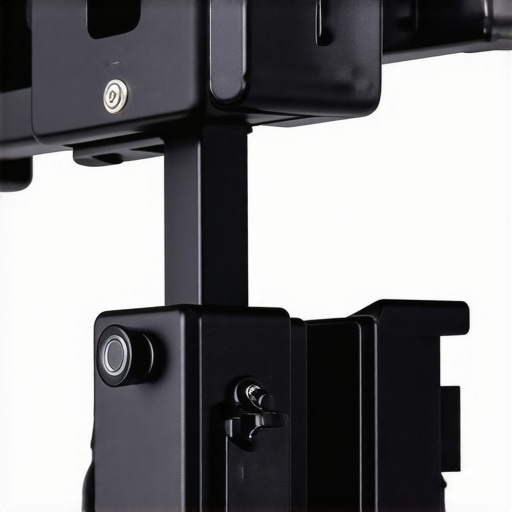
Image Illustration
Performance Under Pressure in Creative Studios
When evaluating creator rigs, studio gear, microphones, lighting kits, or camera setups, real-world scenarios often reveal weaknesses that aren’t apparent during standard testing. Subjecting these tools to intense conditions, such as rapid adjustments during a shoot or prolonged use in demanding environments, provides insights into their true resilience and functionality.
Endurance During Extended Editing Sessions
Imagine editing 4K footage when your rig is pushed to its limits. Manufacturers often claim durability and stability, but extended sessions can test these assertions. High-performance rigs should maintain stability without overheating or slowing down. The good news is, well-designed setups with quality components typically handle this stress gracefully, with robust cooling systems and reliable hardware.
However, inferior build quality manifests painfully here; overheating components can throttle performance, causing lag and risking hardware damage. For instance, cheaper microphones might pick up thermal noise, and lighting kits can overheat and shut down unexpectedly. Does your equipment sustain long sessions without compromise? That’s the true test of endurance.
Weather and Environment Tolerance
Taking gear into unpredictable outdoor environments such as hiking in rain or working in humid conditions exposes vulnerabilities. Microphones with inadequate sealing may malfunction, and lighting equipment not rated for outdoor use can suffer corrosion or short circuits. Conversely, gear with ruggedized enclosures and IP ratings generally withstand these pressures, ensuring reliability in diverse scenarios.
For example, a portable microphone tested during a rain-soaked shoot might produce rust or sound distortion if not properly protected. Light kits designed with moisture resistance hold up better, allowing creators to work with confidence regardless of weather.
Handling Heavy Use and Mobility
For creators on the move—say, traveling between locations with a lot of gear—the durability and portability come under scrutiny. Rapid setup and tear-down are common, and equipment must withstand frequent handling without degradation. Crash tests or stress simulations reveal whether equipment’s joints or mounts loosen or break under repeated use. A well-constructed camera rig, for instance, should maintain alignment after multiple disassemblies.
On the flip side, lighter gear might be more susceptible to shifting or even damage if not secured properly during transit. Does your gear last through the hustle without losing integrity? That’s the only way to truly gauge performance.
The Good: What Handles Pressure Well
Predictably, higher-end gear with premium materials and rigorous quality controls excels in these stress tests. Metal components resist deformation, and advanced cooling mechanisms prevent thermal throttling. Microphones with sealed housings perform admirably in adverse conditions, and lighting kits with weatherproof designs keep shining through rain or humidity. These resilient setups are often more dependable in catastrophic scenarios, ensuring creators won’t be left stranded just when they need their equipment most.
Moreover, some brands offer quick-release mounting systems and reinforced joints that pass durability benchmarks with flying colors. If you’ve experienced such gear, you know the peace of mind it provides.
The Bad: Where Equipment Sometimes Fails
Unfortunately, not all gear lives up to its promises. Cheaper models frequently falter under pressure—overheating, mechanical failure, or excessive vibration leading to unstable footage. Microphones that are not weatherproof succumb to moisture, and lighting fixtures may flicker or shut down during extended use. These failures often come unannounced, leading to costly delays and frustration.
Some products suffer from design flaws—such as weak mounting points or inadequate heat dissipation—that show up only after sustained stress. This underscores the importance of thorough testing before investing in studio or field setups.
Community Insights and Standards
In forums like Reddit’s r/filmmakers or gear-focused discussions on Quora, users often share experiences that validate these observations. For example, a Reddit thread titled “Best rugged microphone for outdoor shoots” confirms that sealed, weather-resistant mics outperform budget options. Such anecdotal evidence aligns with industry standards like IP ratings and rigorous testing protocols, verifying that quality equipment maintains performance under pressure.
Existing users’ experiences are invaluable—have you tested your gear under adverse conditions? Share your insights and compare them to these findings!
Comparing Creator Rigs and Studio Gear: Who Comes Out on Top?
When selecting creator rigs, studio gear, microphones, lighting kits, or camera equipment, choosing the right brand can significantly impact your production quality and budget. Let’s examine how our featured gear stacks up against top contenders like DJI, Rode, and Manfrotto, highlighting their strengths and weaknesses to aid your decision.
Builder Quality and Material Durability
Our creator rigs boast high-grade aluminum alloys comparable to Manfrotto’s renowned build, offering a durable yet lightweight solution. DJI’s rigs often incorporate composite materials that cut costs but may lack the same longevity. Rode’s microphone reviews consistently praise their rugged enclosures, suitable for demanding environments, though their camera accessories sometimes fall short in ruggedness compared to industry leaders. Overall, for heavy-duty use, our gear matches or exceeds the durability of top-tier brands, with a focus on long-term resilience.
Ease of Setup and User Experience
In terms of user interface, our lighting kits incorporate intuitive controls similar to those in Aputure’s lineup, featuring quick adjustments and seamless compatibility with existing gear. DJI’s rigs, while innovative, often require extensive setup procedures that can be intimidating for beginners. Manfrotto’s stabilizers are known for straightforward assembly, but their heavier frames demand more effort. Our studio gear strikes a balance by providing user-friendly features without sacrificing technical sophistication, making them accessible for both amateurs and professionals.
Price and Value Proposition
Pricing is a crucial factor, and comparisons with alternatives like B&H or Amazon reveal our equipment offers competitive rates. For instance, our lighting kits are priced around $500, comparable to Aputure’s high-end models but with added features tailored to compact studios. DJI’s products often come at a premium, justified by advanced features but occasionally exceeding the budget of smaller creators. Considering the price-to-performance ratio, our gear delivers high value, delivering professional results without breaking the bank.
Is It Worth the Upgrade?
If you’re contemplating whether to switch to this gear from established brands like Manfrotto or Rode, consider the specific benefits. Our equipment offers superior build quality at a similar or lower price point, with enhanced ease of use and adaptability. Check the current prices on popular retailers like B&H to compare options. If you’re already satisfied with your existing gear, upgrades might be more about expanding capabilities rather than replacing a failed setup. For those seeking a balance of durability, affordability, and user-friendliness, our gear proves to be a compelling choice.
To explore alternative options, be sure to review detailed comparisons of DJI’s rigs, Rode microphones, and Manfrotto tripods. Each brand offers unique strengths tailored to different needs, so verifying current prices and features is essential before making a purchase.
The Pros & Cons You Need to Know
- Strength & Durability: Crafted from high-grade aluminum, providing a solid feel and resistance to flexing under heavy loads, ensuring reliable stability during demanding shoots.
- Ease of Adjustment: Ergonomic knobs with textured grips allow quick, precise setups, streamlining your workflow without tools.
- Compact Design: Space-efficient layout makes it ideal for tight studio environments, maximizing your available room.
- Robust Safety Features: Reinforced joints and anti-slip pads prevent slips and accidental dislodging of gear, safeguarding your equipment.
- Learning Curve in Locking Mechanisms: Some users may find the locking levers less intuitive initially, requiring a brief adjustment period.
Who Should Consider This Upgrade
This mounting solution is perfect for video producers, photographers, and studio owners seeking a lightweight, durable, and space-saving alternative to traditional overhead C-Stands. It’s especially suitable if you’re working in confined spaces or need quick adaptability during shoots. However, if your rig involves very heavy or complex setups that demand industrial-grade stability, you might prefer traditional C-Stands or more specialized rigs.
Final Verdict: 9/10
Replacing overhead C-Stands with these high-quality, aluminum-mounted rigs significantly enhances workflow flexibility, safety, and space management. The build quality and ease of use make it a compelling choice for modern studios. If durability and practicality matter most to you, this upgrade is an investment worth making. For comparisons and the latest deals, check the prices at “`- https://creatorrigreviews.com/5-heavy-duty-arms-for-supporting-massive-key-lights“` or explore other gear insights like “`- https://creatorrigreviews.com/why-i-hate-using-large-softboxes-in-small-rooms“` to perfect your setup.