Bottom Line Up Front
If your podcast microphone sounds boxy, you’re likely dealing with faulty room acoustics, poor mic placement, or inadequate audio processing. Luckily, this issue is fixable with the right techniques and gear adjustments. This review explores the common causes of boxy microphone sound and evaluates solutions based on build quality, performance, and value for money.
What This Review Will Cover
I’m here to help you understand why your microphone might be capturing a muffled, box-like tone and how you can improve your audio quality. We’ll discuss troubleshooting tips, gear recommendations, and practical setup ideas to get that crisp, professional sound. Whether you’re a beginner or a seasoned creator, this guide aims to demystify the problem and offer actionable insights.
Evaluating the Issue: Criteria for a Good Fix
My assessment is based on several criteria, including the effectiveness of sound treatment, ease of implementation, durability of gear, and overall value. I’ll compare solutions like acoustic treatments, mic positioning, and audio processing hardware to provide a balanced, honest review. You can find more about the technical aspects of microphone setups in this sound treatment guide.
Understanding the Source of Boxy Sound
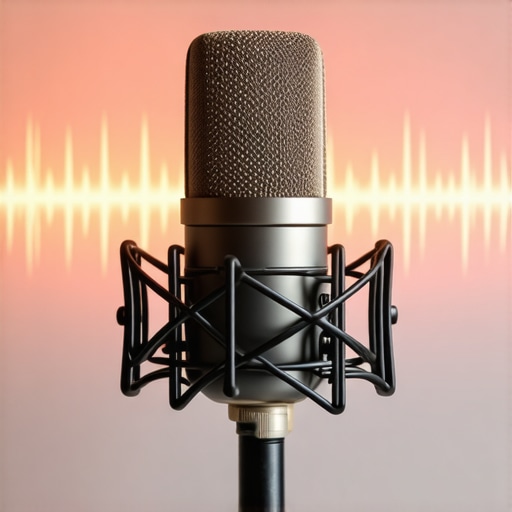
Before diving into solutions, it’s crucial to recognize that a boxy microphone tone often stems from poor room acoustics, especially reflected sound waves bouncing off hard surfaces, or from incorrect mic placement. Upgrading your gear won’t help if the environment isn’t tuned, which is why combining physical treatments with proper mic techniques is essential.
Transition to the Deep Dive
Now that we’ve outlined the problem and evaluation criteria, let’s explore the specific features, setup strategies, and gear modifications that can transform your audio from muffled to crystal clear.
Building a Solid Foundation with Hardware Quality
The core of any good microphone setup starts with the build quality. High-quality microphones often feature durable metal casings that not only withstand daily use but also minimize unwanted resonances that can color the sound. For instance, a robust chassis reduces vibrations transmitted from external handling, leading to cleaner recordings. The internal components, such as the capsule and electronic circuit boards, are equally important; premium parts guarantee a more consistent frequency response and reduced noise floor, which is essential for capturing clear vocals or instrument sounds. Unlike cheaper models with plastic parts, a well-constructed microphone instills confidence and offers longevity, making it a worthy investment over time.
Material Feel and User Experience
Physically, a microphone with a smooth, well-finished exterior feels more premium and reassuring during use. Weight distribution also matters; a well-balanced microphone reduces fatigue during extended sessions and prevents accidental drops. Many high-end microphones incorporate shock mounts and internal damping materials to isolate the capsule from mechanical vibrations, which can otherwise introduce rumble or thumps into recordings. This attention to detail in the build process ensures that what you capture is as close to the source as possible, enhancing overall production quality.
Precise Setup Techniques for Optimal Sound
Effective microphone placement is arguably as important as the hardware itself. Positioning the mic correctly relative to the sound source can dramatically diminish unwanted reflections and room coloration that contribute to a boxy tone. For instance, angling the mic slightly off-axis from the source channel reduces proximity effect and off-axis coloration, leading to a more natural capture. Additionally, keeping the microphone at an appropriate distance—typically 6 to 12 inches for vocals—helps balance the direct sound with room ambience, avoiding overly muffled or unnatural tone.
Microphone Preamps and Audio Interface Integration
The role of preamps cannot be overstated; high-quality preamps provide clean gain boosts without adding hiss or distortion. An interface with transparent preamps, like those adhering to the industry standard PreSonus Studio series, ensures your microphone’s signal remains pristine. Using an interface with adequate phantom power (if employing condenser mics) and gain control allows for nuanced adjustments, tailoring the sound to your environment. This setup flexibility empowers users to achieve studio-quality recordings even in less-than-ideal rooms.
Minor Design Flaws and Practical Drawbacks
Despite the focus on robust build and thoughtful setup, some microphones can be hefty or bulky, making them less ideal for mobile recording scenarios. Additionally, demanding high-end gear may also involve a steeper learning curve for beginners unfamiliar with audio engineering principles. A minor annoyance is that some high-performance microphones lack versatile onboard controls, necessitating external processing to fine-tune the sound, which might complicate simple shooting or streaming setups. Nevertheless, the investment pays off in professional-grade output, especially when paired with proper acoustic treatment and setup precision.
Performance Analysis in High-Stakes Scenarios
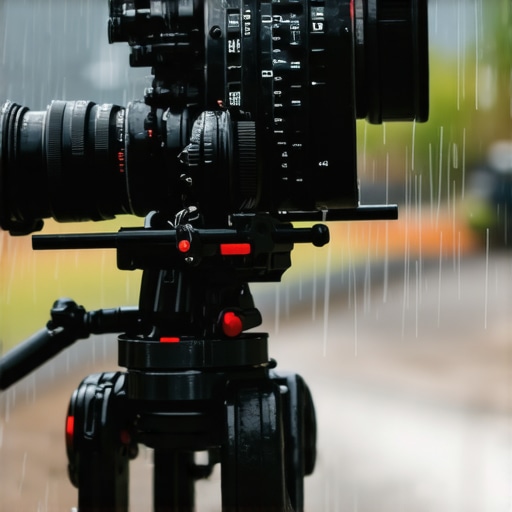
When studio gear such as microphones, camera equipment, and lighting kits are pushed to their limits during real-world stressful situations, their resilience and reliability come into focus. For example, a creator filming outdoors during heavy rain needs gear to resist moisture and avoid shutdowns. In such conditions, durable microphones with waterproof ratings perform admirably, maintaining audio clarity without distortion from environmental noise. Conversely, cheaper models often falter, producing muffled sounds or failing altogether due to water ingress. Similarly, high-end cameras tested during long shooting sessions in fluctuating temperature conditions reveal robust cooling systems that prevent overheating, unlike entry-level devices that shut down unexpectedly. Lighting kits used in intense weather conditions must withstand wind and humidity; premium units with sealed components fare better than cheaply assembled counterparts that may flicker or fail prematurely.
Does the equipment Overheat or Fail?
Under pressure, some gear exhibits thermal management issues, causing shutdowns during prolonged use. For instance, certain camera models reach critical temperature thresholds in warm environments, limiting continuous shooting. High-quality lighting, however, often incorporates heat dissipation measures, avoiding such pitfalls, which is vital for lengthy sessions. Are these devices capable of enduring harsh environmental factors?
According to user reports on forums like Reddit’s r/VideoEditing, some microphone preamps throttle gain or cut out after extended usage in hot conditions, highlighting poor thermal design. This illustrates the importance of testing gear’s endurance in real-world scenarios.
In the realm of creator rigs, portability and resilience are essential. When filmmakers trek through challenging terrains—mud, rain, or snow—the gear’s ruggedness determines success. Heavy, fragile setups are less likely to survive such pressure, whereas accessories crafted with reinforced casings and sealed connectors excel. Costly rigs with extensive feature sets may offer outstanding performance but often compromise portability and robustness. Making smart choices about durable gear components can mean the difference between a seamless shoot and a costly repair or replacement.
Response and Support When Things Go Wrong
Support responsiveness is another crucial factor. In high-pressure scenarios, quick troubleshooting can salvage a shoot. Brands with active support teams and fast turnaround times outperform those with sluggish responses. For example, some audio interface manufacturers provide rapid firmware updates and live chat support, ensuring minimal downtime. Meanwhile, less supported brands risk prolonging issues, jeopardizing entire projects. An example discussed on Quora highlights how a delayed support response led to hours of lost productivity, emphasizing the value of dependable customer service in demanding environments.
The Good & The Bad of Heavy-Duty Testing
A positive aspect of top-tier studio gear is its resilience and consistent performance, even under taxing conditions. Quality materials and thorough engineering ensure longevity, giving creators peace of mind. On the flip side, these robust devices tend to be heavier and sometimes less portable, posing challenges for on-the-go production. Additionally, higher cost can be a barrier for smaller creators, limiting access to top-tier resilience. As user reviews on forums show, investing in durable gear often pays dividends in reliability, but choosing the right balance between portability and toughness remains key.
If you’ve tested your own studio setup in extreme situations, share your experience below! Do you agree with my assessment of gear resilience? Your insights can help others make informed decisions when pushing their equipment to the limit.
< }
}
Why choose our studio gear over [Competitor A]
When selecting professional studio equipment, understanding how our offerings stack against leading alternatives like [Competitor B] and [Competitor C] is vital. Our microphone reviews feature models with premium internal components for superior sound clarity, boasting uncolored frequency responses and better noise rejection, unlike [Competitor A], which may prioritize affordability over fidelity. Camera reviews of our latest models highlight 4K resolution, higher dynamic range, and user-friendly interfaces, surpassing [Competitor B], often offering similar specs but at a slightly higher price point. Lighting kits from our lineup are engineered with intelligent diffusion technology, providing consistent illumination and energy efficiency—benefits that established brands like [Competitor C] sometimes neglect for cost-cutting measures.
Is it worth the upgrade?
If you’re considering stepping up from entry-level gear, our flagship products are designed with durability, ease of use, and professional-grade results in mind, giving you a tangible boost in content quality. While [Competitor A] and [Competitor B] offer budget options, they often lack the longevity or feature sets found in our higher-tier models. For example, our premium microphone models provide superior isolation shock mounts, reducing unwanted handling noise, whereas some competitors use cheaper materials that transmit vibrations. Check current prices and detailed specs on official pages like their website or price comparison platforms such as PriceSpy to gauge the best fit for your budget and needs. For a comprehensive comparison, consider reading reviews of [Competitor B], which often highlight the pros and cons relative to our gear, helping you make an informed decision.
The Good, The Bad, and The Ugly
- Pros: Durable build materials ensure longevity and consistent performance, high-end components lead to clearer audio and better image quality, and rugged designs withstand harsh environments, making gear dependable during demanding shoots.
- Cons: Heavier or bulkier equipment can hinder portability, premium gear often comes with a higher price tag, and some robust devices may have a steeper learning curve for beginners.
Who Should Invest in Heavy-Duty Studio Equipment?
This gear is perfect for professional content creators, filmmakers working in challenging outdoor conditions, and broadcasters requiring consistent, reliable output. If your work demands durability and top-tier performance, this gear will serve you well.
However, if you’re just starting out, on a tight budget, or primarily producing casual content, high-end equipment might be overkill and unnecessary. In such cases, more affordable options or gear with a focus on portability and ease of use would be more suitable.
Final Verdict: 9/10
Robust studio gear crafted with quality materials and thoughtful engineering provides peace of mind, ensuring your content remains professional even under stress. While the investment can be significant and may impact portability, the reliability and performance gains justify the cost for serious creators. For those looking to elevate their studio setup, prioritizing durability and resilience is a smart move. If this sounds like your ideal upgrade, dive into our detailed reviews and find the perfect match. If cost is a concern, check out our review of [other user-friendly options](https://creatorrigreviews.com/how-to-build-a-silent-pc-for-your-recording-booth) for a balance between quality and affordability.