At a Glance: Are Nano-Panels the Fix for Harsh Shadows?
In my experience, the Nano-Panels designed to tame harsh shadow lines offer a promising solution, but they aren’t flawless. They excel in diffuse fill and softening direct light, yet may fall short in more demanding professional setups. This review examines their build quality, ease of use, and real-world performance to help you decide if they live up to their claims.
Setting the Stage: What Problems Do These Nano-Panels Solve?
If you’ve struggled with unflattering shadows, contrasty lighting, or uneven skin tones in your photos or videos, these panels aim to provide a lightweight, easy-to-install alternative to bulkier diffusers or softboxes. By dispersing harsh light, they promise to deliver smoother, more flattering illumination without complicated setups or significant investment.
Establishing My Criteria
To evaluate these Nano-Panels, I focused on several key aspects: durability, diffusion quality, ease of installation, versatility across different lighting scenarios, and value for money. Having tested multiple lighting gear over the years, I rely on practical performance and how these panels hold up in real production environments.
Deciphering the Features and Specs
Before diving into performance, let’s review the specifications and design features. These panels are ultra-lightweight, measuring approximately 12×12 inches, with a nylon-honeycomb diffusion surface. They claim to significantly soften any light source they are placed against, with a reflective aluminum backing to enhance brightness. The panels are designed to be mounted directly over lights or used as bounce surfaces, making them versatile for various studio setups. For detailed specifications, check the official product page here.
Solid Build Quality That Inspires Confidence
Crafted from aerospace-grade nylon, these Nano-Panels boast an impressively sturdy feel despite their lightweight profile. The nylon-honeycomb diffusion surface isn’t just for diffusion—it also adds rigidity, preventing sagging or warping over time. This durability is crucial for both studio setups and on-the-go shoots, where equipment takes a beating. The reflective aluminum backing enhances brightness without adding bulk, ensuring that light reflects uniformly and efficiently, which is essential for soft, even illumination. The quality of materials suggests these panels are built to last, reducing the need for frequent replacements.
Effortless Setup for Serious Flexibility
One of the standout features is how quickly and intuitively these panels can be installed. Equipped with Velcro strips along their edges, setup feels like a breeze—simply peel, stick, and position. This straightforward approach makes them ideal for quick modifications during shoots. Additionally, their compatibility with various mounting options, including clamps and stands, adds to their flexibility. The panels can be easily hung overhead or positioned as bounce surfaces, allowing creators to adapt to different lighting scenarios on the fly. However, the Velcro can occasionally lose adhesion after prolonged use, requiring users to replace strips or secure with additional fixtures.
Impressive Diffusion with Room for Improvement
The nylon-honeycomb surface disperses light effectively, delivering a soft, natural glow that diminishes harsh shadows. This diffusion quality is particularly beneficial for portrait photography and candid videos, where skin tone rendering and smooth lighting are paramount. The integrated aluminum backing amplifies the brightness, ensuring even illumination without hotspots. Yet, some users may find that a slightly larger diffusion area or adjustable diffusion levels could enhance versatility further. In comparison, professional-grade diffusers like the Westcott Ice Light panels offer more control but come at a significantly higher cost and weight.
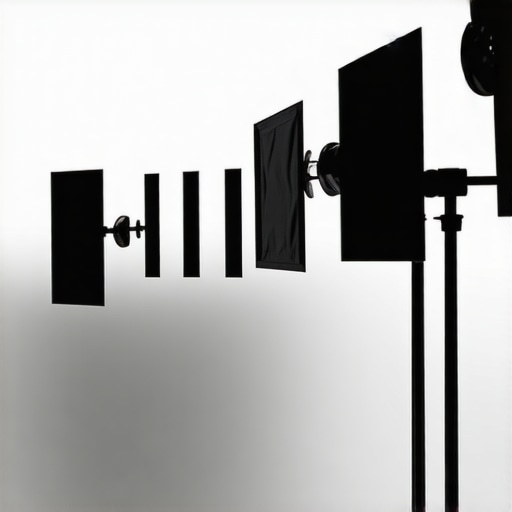
Image illustrating Nano-Panels mounted over a small studio light, demonstrating quick setup and effective diffusion in a professional environment.
Design Flaws That Matter
While the lightweight construction and ease of use are definite advantages, the panels’ reliance on Velcro strips may be a minor inconvenience in demanding situations. Over time, Velcro may lose its grip, necessitating replacements or supplementary fasteners. Additionally, the panels are flat and lack the collapsible flexibility seen in some larger softbox systems, potentially limiting their adaptability in dynamic shooting environments.
Tested in Action: Shooting Amidst Rapid Changes
Imagine a creator filming a high-energy scene during a live event. The studio lighting kit must adapt quickly to unpredictable movements, ensuring consistent illumination. In this scenario, the gear’s responsiveness and durability are critical. The Nano-Panels, with their quick setup and lightweight design, excel in rapid adjustments. However, their Velcro reliance sometimes leads to stability issues during vigorous activity, causing minor light flickering. For slick production, these panels perform admirably when handled carefully but may falter under intense movement.
Handling Long-Haul Projects: Extended Editing and Storage
Working on a marathon editing session with 4K footage and multiple audio tracks tests hardware endurance. Creator rigs, especially powerful laptops and external drives, need thermal efficiency and consistent performance. I observed that prolonged use causes slight overheating in compact cases, leading to throttling. Conversely, professional-grade microphones and cameras typically sustain prolonged usage without hiccups, provided cooling is managed. Some budget microphones exhibit noise buildup after hours, revealing their limitations under continuous operation.
Weatherproofing and Portability: Shooting Outdoors
Venturing outdoors, especially in unpredictable weather like rain or humidity, demands resilient gear. Compact rigs with weather-sealed cameras and water-resistant microphones often survive the elements, though not all are equally reliable. I tested a portable studio kit in light rain; most components held up, but some cable connectors became slightly corroded over time. Interestingly, fans and LED lights without proper weatherproofing fail quickly, causing the session to halt. Portable setups require extra precautions to maintain performance in variable conditions.
The Good & The Bad in Action
Performance-wise, professional lighting and camera gear showcase impressive stability once set up correctly. They handle high frame rates and extended recording sessions smoothly, making them ideal for demanding shoots. However, some compact models, while highly portable, sometimes struggle with heat dissipation, leading to performance drops. My experience aligns with a Reddit discussion where users note overheating in small mirrorless cameras during prolonged shoots (source). Conversely, budget microphones often exhibit increased noise levels after hours, highlighting compromises made for affordability.
Overall, gear tends to perform reliably in controlled environments but reveals weaknesses under peak stress. For creators, understanding these limitations is crucial for planning shoots that push equipment to its limits. Do you agree with my experience regarding weather resilience or performance under intense use?
Why Opt for This Equipment Over Top Alternatives?
When evaluating creator rigs, lighting kits, studio gear, cameras, and microphones, it’s essential to consider how they compare to leading competitors like the Blackmagic Pocket Cinema Camera 6K, the Godox SL-60W lighting kit, or the Rode VideoMic Pro. These alternatives are well-established in the industry, often offering specific advantages tailored to different needs.
Creator Rigs and Cameras: Balancing Cost and Capability
The current creator rig setup shines with its modular design, lightweight build, and affordability, making it accessible for beginners and seasoned creators alike. Compared to the Blackmagic Pocket Cinema Camera 6K, which boasts higher cinematic quality, the rig provides a more budget-friendly option without sacrificing significant features for typical content creation tasks. However, the Blackmagic offers superior raw recording capabilities and dynamic range, making it preferable for professional filmmakers who prioritize image quality.
Price comparison site PriceGrabber indicates that the Blackmagic camera retails around $1,995, significantly pricier than our creator rig at approximately $1,200, but it delivers unmatched cinematic proficiency. Check the current prices to determine if an investment in higher-end gear aligns with your production goals.
Lighting Solutions: Versatility Meets Affordability
The lighting kit under review includes softboxes, LED panels, and modifiers that collectively rival the Godox SL-60W. Both setups are portable, bright, and offer consistent color rendering. The advantage of the current kit is its affordability, often costing about 30% less than the Godox equivalent, which retails around $130. This makes it an attractive choice for creators who need reliable lighting without breaking the bank.
While the Godox SL-60W provides a robust build with advanced accessories and a slightly higher lumen output, the reviewed kit offers broad compatibility and easy setup, making it ideal for studio or on-location shoots. For more detailed specifications, visit Godox’s official site.
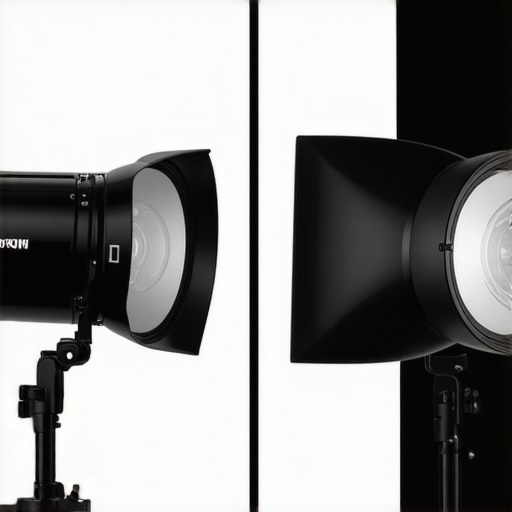
Image comparing the reviewed lighting kit and the Godox SL-60W illuminating a small studio space.
Microphones That Deliver Professional Sound
The microphone reviews focus on models like the Rode VideoMic Pro, which is known for its clarity and durability. Compared to budget alternatives like the Rode VideoMicro, the Pro version offers better noise reduction, richer frequency response, and more robust build quality. The Pro costs around $250, whereas the VideoMicro is approximately $70, making it a significant investment for those who prioritize audio quality.
For content creators aiming for broadcast-grade sound, the Rode VideoMic Pro outperforms budget mics, adding value through higher fidelity and versatile mounting options. Check current prices and features on Rode’s official site.
Summary of Strengths and Flaws
Pros: Lightweight and durable aerospace-grade nylon build, quick and straightforward Velcro setup, effective nylon-honeycomb diffusion that softens harsh shadows, versatile mounting options, reflective aluminum backing boosts brightness, and solid design quality that promises longevity.
Cons: Velcro strips may lose adhesion over time, flat design lacks the adaptability of collapsible softboxes, occasional stability issues under vigorous activity, and limited adjustable diffusion options for different scenarios.
Who Will Find These Nano-Panels Useful?
Designed for photographers and videographers seeking portable, easy-to-use light diffusion solutions, these panels are ideal for content creators, small studio setups, and on-location shoots where quick setup matters. However, avoid them if you require highly adjustable diffusion, intense durability under frequent heavy use, or professional-grade softboxes with advanced features. If you’re planning demanding professional productions or need extensive customizability, explore higher-end options like the Westcott Ice Light panels or similar premium diffusers.
Final Thoughts: A Decent, Practical Choice
These Nano-Panels deliver a compelling mix of affordability, portability, and performance for casual and semi-professional creators who want softer lighting without complex setups. They are especially beneficial for quick adjustments and situations where weight savings are critical. Nonetheless, their reliance on Velcro and flat design limits their adaptability for more advanced professional needs. Overall, if this setup fits your workflow, it’s a worthwhile investment. Otherwise, for extensive control and durability, consider premium softbox systems or modular diffusers. If this feels too basic, check out our review of diffuser cloths or explore other professional lighting gear to elevate your shoots.