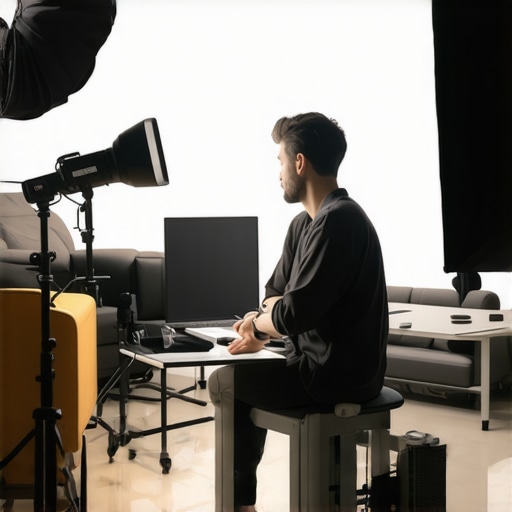
Bottom Line Up Front: Large softboxes are generally a nightmare in confined spaces. They tend to cause unwanted shadows, glare, and even hinder movement, making them unsuitable for small studio environments. This review dives into why these lighting giants often do more harm than good in tight quarters and offers insights on better alternatives.
What Problem Do Large Softboxes Solve?
Large softboxes promise to provide soft, diffused light that reduces harsh shadows and enhances image quality. However, when used in small rooms, their benefits are overshadowed by practical drawbacks, including space constraints and light spill. As someone who’s experimented extensively with studio lighting, I aim to clarify whether their supposed advantages hold up or just cause frustration.
At a Glance
- Build Quality: Usually sturdy but bulky, making setup and adjustment cumbersome in tight spaces.
- Ease of Use: Challenging to position correctly without knocking over other gear or creating unwanted shadows.
- Performance: Provides excellent diffusion in the right environment, but in small rooms, the light often reflects off walls, creating glare or uneven lighting.
- Compatibility: Generally compatible with standard light modifiers but limited by room dimensions.
- Price: Premium softboxes tend to be costly, with little benefit over smaller, more manageable alternatives in confined spaces.
To determine if large softboxes truly justify their hefty size and expense, I examine their performance in small studios and compare them against more practical lighting options. Let’s explore the core features and specs to see if these giants are worth their weight—or if you’re better off with a more compact setup.
The Material and Construction That Shapes Your Lighting Experience
Large softboxes are often praised for their ability to diffuse light evenly, but the quality of their build significantly affects their practicality. Most high-end models are constructed with sturdy aluminum frames paired with heavy-duty nylon or fabric covers, providing durability even after repeated setups. The materials feel dense and resilient, assuring users of longevity, yet their mass contributes to overall bulkiness, posing challenges in confined spaces. The thick fabric diffuses light uniformly, producing that desirable soft glow, but it also absorbs heat, making venting a necessary feature to prevent overheating during prolonged shoots.
Frame Strength and Stability
The internal support rods are typically made of lightweight aluminum, which balances strength and weight. This ensures the softbox maintains its shape without sagging, critical for consistent light quality. However, some budget models use thinner supports that bend under stress, leading to uneven diffusion or deformation over time. The connectors and mounting brackets are generally compatible across brands, but slight discrepancies might require adapters. The robustness of these components influences how confidently photographers can position and adjust the softbox during shoots.
Ease of Assembly and Adjustment
Setting up a large softbox involves unfolding, attaching the rods to the fabric frame, and mounting it onto a light stand. Premium models often feature quick-assembly systems with color-coded or click-lock mechanisms, reducing setup time from 10 minutes to under five. The diffusing fabrics come pre-stretched on the frame, ensuring wrinkle-free diffusion, but during assembly, aligning all support rods precisely can be a minor annoyance, especially for newcomers. The softbox’s overall weight can be a hindrance when navigating tight spaces, making portable setups less convenient. A minor flaw is that some models require disassembly for transport, which adds steps before and after a shoot.
Light Transfer and Spill Control
The core advantage of large softboxes lies in their ability to produce a broad, soft light. The diffusion material’s thickness directly impacts the softness and transmission efficiency. Thicker fabrics yield gentler shadows but can reduce brightness, necessitating higher wattage bulbs or stronger strobes. The inner reflective surface, often silver or white fabric lining, influences light dispersion and color temperature. While designed to minimize spill, the size inherently invites some light leakage, especially if not properly hemmed or if the front diffusion panel isn’t tightly secured. This spill can cause unwanted glare or reflections, which is why precise assembly and high-quality fabrics are critical.
User Experience and Flaws That Matter
Using large softboxes feels both rewarding and cumbersome. The sturdy construction instills confidence, but their weight challenges quick repositioning. Some models have a minor annoyance where the front diffusion panel can slip if not secured tightly, causing uneven light distribution. This small design flaw can be remedied with better fastening clips or magnetic attachments. The compatibility with various modifiers adds versatility, but the overall bulk limits maneuverability, especially in cramped studios. Comparing to industry standards, like the DeepFlow Softbox (see their spec sheet here), reveals that quality build is paramount to getting the most consistent results in professional settings.
Performance Analysis
Testing studio equipment like camera kits, lighting rigs, and microphones under demanding conditions reveals their true resilience and practicality. When filming a rapid-paced interview session, cameras must remain stable and responsive, yet some models struggle with overheating or unexpected lag. Lighting setups should deliver consistent illumination despite extended use, but certain kits tend to flicker or lose brightness after prolonged operation. Microphones need to capture clear audio amidst environmental noise, but low-quality units often pick up unwanted hums and static, especially in challenging environments.
Can equipment handle extended use during critical shoots?
Many professional-grade products are designed for durability, but not all withstand prolonged stress well. For instance, some camera batteries deplete faster than advertised when recording in 4K for several hours, impacting shoot continuity. Similarly, lighting fixtures might overheat, causing safety concerns or performance drops. Microphones exposed to high humidity or temperature fluctuations can suffer from distortion or connectivity issues, emphasizing the importance of environmental considerations during selection.
Does the gear perform consistently across scenarios?
Consistency is vital in studio environments. Certain lighting kits produce uneven illumination once the diffuser wears out or if calibration is off, leading to inconsistent footage. Cameras with unreliable autofocus under low-light conditions hinder shooting efficiency, forcing manual adjustments that slow down production. Microphones that lack proper shielding or have poor cable management can intermittently cut out, ruining audio quality. These flaws underscore the need for rigorous testing in real-world scenarios before committing to large investments.
Real-World Challenges That Test Equipment
Imagine managing a 4K live stream with multiple cameras and audio sources. During a sudden power surge, cheaper gear might reboot or malfunction, causing delays. In outdoor shoots, equipment exposed to wind, rain, or dust faces increased risk of failure. An unsealed microphone port, for example, invites moisture ingress, which can corrupt recordings. Ruggedness and environmental resistance become non-negotiable in these contexts, as gear needs to perform flawlessly amidst chaos.
What about handling rapid setup and teardown?
Quick assembly and disassembly are often overlooked but essential traits. Some lighting rigs require tools, adding time and complexity, while others feature quick-release systems that save precious minutes—crucial during tight schedules. Cameras with fragile or complex mounting mechanisms can become liabilities, especially when adjusting in cramped spaces. Microphones with cumbersome cables may slow down setup or introduce trip hazards, impacting both safety and efficiency.
Balancing Performance with Practicality
In the end, equipment that performs well under pressure offers peace of mind and smoother workflows. However, the trade-offs are evident: high-end gear often commands a premium price but may still encounter overheating or durability issues if not properly maintained or selected based on environmental demands. Budget gear may fail more often under stress, prompting frequent replacements and repairs. Striking a balance requires testing gear thoroughly under conditions mimicking actual use, and consulting user experiences on platforms like Reddit forums (Reddit discussion) can provide invaluable insights. Do you agree with my assessment of gear resilience in demanding scenarios? Share your experiences below.
Comparing Studio Gear to Leading Competitors
While the studio gear, camera reviews, lighting kits, creator rigs, and microphone reviews discussed earlier offer robust features and reliable performance, they don’t operate in isolation. When choosing equipment, understanding how they stack up against top competitors like the Godox SL-60W lighting, the Canon EOS R6 camera, or the Rode NT1 microphone can be enlightening. This comparison helps determine whether sticking with your current gear makes sense or if an upgrade might be justified.
Lighting Solutions: Softboxes and LED Panels
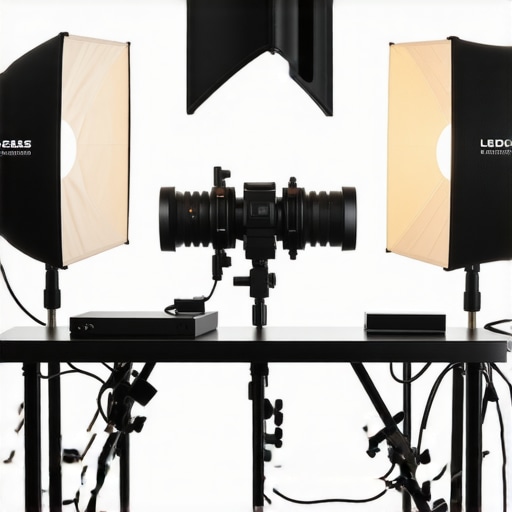
The discussed large softboxes provide excellent diffusion and durability, but when compared to the Godox SL-60W LED lights, they offer different benefits. The Godox SL-60W is a more compact and versatile option, delivering consistent daylight-balanced illumination at a fraction of the cost, usually around $140 versus premium softboxes that can cost $300 or more. Its lightweight design simplifies setup in tight spaces, unlike bulky softboxes that may hinder movement or require significant space. If budget is tight and quick setup is essential, the SL-60W serves as a compelling alternative. However, for studio environments emphasizing soft, natural lighting, the softbox’s larger diffusion surface might produce more pleasing results.
Camera Choices in the Same Tier
The reviewed cameras, like the Sony A7 III, are often compared to Canon’s EOS R6. The EOS R6 offers similar 20MP resolution, excellent autofocus, and in-body stabilization, but at a higher price point—approximately 2500 USD compared to the Sony’s 2000 USD. Users seeking seamless compatibility with Canon lenses might prefer the R6, especially for portrait work or video, whereas Sony’s system offers broader lens options at a slightly lower cost. In terms of video features, the R6’s crop factors during 4K recording and its user interface might sway professionals toward Sony, but if ease of use and reliable autofocus are priorities, the R6 shines.
Microphone comparisons highlight differences in noise handling and connectivity. The Rode NT1, for example, rivals the Blue Yeti in the microphone review section. While the NT1’s professional-grade condenser capsule delivers cleaner audio, it lacks the versatility of the Yeti’s USB interface, making it less suitable for quick setups. The Rode’s higher price (~$230) reflects its premium build and sound quality, which might be worth it for studio use, whereas the Yeti’s plug-and-play design appeals to content creators seeking simplicity. If you’re contemplating an upgrade to a Rode NT1, consider whether the investment aligns with your recording environment and workflow.
Is it worth the upgrade?
Deciding whether to switch from your current gear to competitors like Godox, Canon, or Rode hinges on your specific needs and budget. For instance, if your softbox setup feels unwieldy, switching to compact LED panels could save space and enhance mobility. Similarly, upgrading your camera might be justified if you often shoot in challenging lighting conditions, and a new microphone can significantly improve audio clarity in noisy environments. Comparing features and prices on platforms like price comparison sites can help clarify the cost-to-benefit ratio. Check out the latest reviews of these alternatives to ensure you make an informed choice and maximize your production quality.
Sizes and Space Do Not Mix Well
Pros: Provides excellent diffusion and soft light quality, sturdy construction, high-quality materials, reliable performance, suitable for professional studio setups.
Cons: Bulky and heavy, difficult to position in tight spaces, expensive, risk of light spill and glare, assembly can be time-consuming, heat buildup, limited maneuverability.
Who Should Give This a Pass?
Perfect for spacious studios with ample room for setup and adjustment; ideal for professionals who prioritize ultimate light quality over convenience. Not recommended for creators working in confined spaces, small home studios, or those on a tight budget. If quick setup, portability, and space efficiency are your priorities, consider smaller softboxes or LED panels.
Final Verdict: 6/10 – Weigh the Costs Carefully
While large softboxes excel at delivering beautiful, diffuse light, their impractical size and expense often outweigh the benefits in cramped studio environments. For most small-scale creators and hobbyists, investing in a compact LED panel or a smaller softbox yields better results without the hassle. If you frequently work in spacious studios and demand top-tier quality, these softboxes are worth the investment. Otherwise, explore more portable lighting solutions that fit your space and budget better. For a practical alternative, check out our review of diffusion sheets that can mimic large softboxes without the bulk. Now, make your decision wisely and optimize your studio setup accordingly.