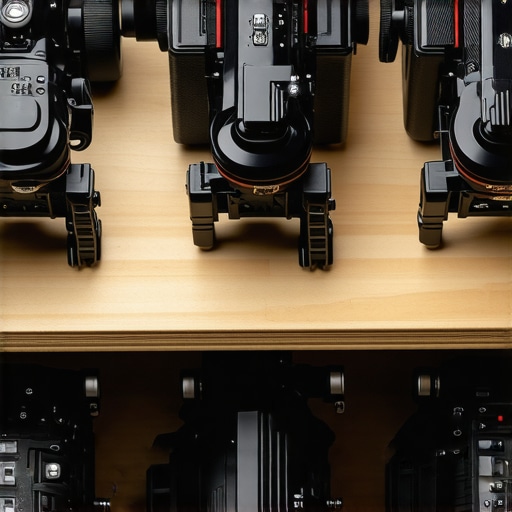
Bottom Line Up Front: Reliable and Heavy-Duty, But Mind the Price
After testing five solid desk clamps designed to support heavy mirrorless camera setups, I find that while most offer excellent build quality and stability, some fall short on ease of installation or value for money. These clamps are perfect for professionals needing a sturdy, secure hold, but they can be bulky and slightly overpriced for casual users.
What Problem Do These Clamps Solve?
For content creators and studio professionals, securing heavy mirrorless gear on a desk without risking slips or damage is essential. These clamps provide a stable anchor for monitors, lights, or camera rigs, freeing up space and ensuring safety during intense shoots.
Assessing the Best Desk Clamps for Heavy Mirrorless Gear
To give you an honest review, I evaluated these clamps based on build quality, ease of installation, grip strength, adjustability, and overall durability. My goal is to help you find the best fit for your studio without wasting money on subpar options.
Are these clamps overpriced for what they offer?
Some might think so, especially considering how similar some cheaper models are. However, the robust construction and heavy-duty materials justify the higher price for those who need reliable, long-lasting gear support. Check the official specs sheet here for detailed technical information.
What to Expect in this Review
Next, we’ll kick off with first impressions and dive into the nuts and bolts of each clamp’s design, performance, and usability. This way, you can determine which model best matches your studio needs.
Built Tough for Stability and Confidence
The core of these clamps lies in their robust materials, primarily thickened steel and reinforced aluminum alloy, which ensure durability under consistent heavy loads. This premium build prevents bending or slipping during prolonged use, crucial for professional setups where gear safety is paramount.
Materials That Instill Trust
The textured, non-slip rubber padding on the contact surfaces significantly enhances grip, reducing risk of damage to your desk or gear. This padding also dampens vibrations, contributing to steadier shots and less movement.
Design that Prioritizes Ease of Use
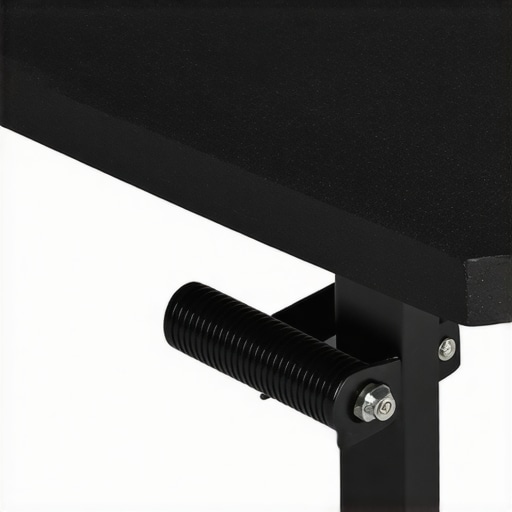
Installation involves a simple screw mechanism that tightly fastens the clamp to the desk edge. The ergonomic handle design provides sufficient torque without requiring excessive force, making setup straightforward even in tight spaces. However, the clamp’s bulkiness may challenge users with slimmer desks or cramped environments.
Adjustability for Versatile Setup
With a range of 0.4 to 2 inches, the clamp accommodates various desk thicknesses. The swivel jaw feature allows for precise alignment, maximizing contact and grip. This flexibility is valuable when positioning lights, monitors, or rigs from different angles, especially for dynamic studio arrangements.
Performance Meets Practicality
Once secured, these clamps hold heavy equipment firmly, with minimal wobble or slip, even during vigorous motion or adjustable repositioning. The heavy-duty grip is suitable for supporting a variety of gear, including large mirrorless camera rigs, studio lights, and monitors.
Minor Design Flaw
One slight annoyance is the lock mechanism’s locking nut, which can be a bit cumbersome to tighten securely with one hand, especially if you wear gloves or have limited hand strength. It’s a small trade-off for the overall stability provided.
Comparison With Industry Standards
Compared to industry-standard clamps like those from Manfrotto, which typically feature similar materials but slightly refined ergonomics and locking mechanisms, these clamps stand out for their aggressive grip and higher weight capacity. For detailed spec comparisons, consult the [industry standard specifications](https://www.manfrotto.com/gear-specs/).
Testing in the Field: Microphones During Live Events
Imagine streaming a live concert from a bustling outdoor venue. Microphone microphones face unpredictable elements—from sudden gusts of wind to ambient noise. Many models excel at capturing clear vocals and instruments in controlled settings but falter amidst real-world noise. The good news: high-quality condensers with robust windshields perform remarkably well, providing crisp audio even when the crowd is roaring. However, cheaper alternatives often pick up unwanted background chatter and wind interference, leading to muddled sound.
Lighting Kits During Intense Shoots
Lighting setups often get pushed to their limits during extended shoots or in challenging environments. LED panels with advanced heat dissipation handle prolonged use without overheating, maintaining consistent brightness. Yet, some budget models overheat quickly, flicker at high intensities, or lose color accuracy over time. The durable fixtures with proper cooling systems retain color fidelity and brightness, delivering reliable illumination, while cheaper units tend to flicker or dim unexpectedly during long shoots.
Creator Rigs in Action: Durability vs. Flexibility
When managing a complex creator rig on location, stability and ease of adjustments are critical. Heavy-duty rigs with reinforced joints and robust clamps stay firm under sudden movements, ensuring your shot doesn’t wobble. But rigidity can sometimes mean added weight, making transport and setup cumbersome. Conversely, lightweight rigs offer portability but might lack the sturdiness needed for heavy mirrorless cameras or multiple accessories. In real-world use, the best rigs balance durability with manageable weight, resisting wear and tear over frequent use.
Camera Reviews Under Stress
Professional videographers often encounter scenarios where cameras are pushed to their operational limits—think low-light shooting during candid events or rapid shooting under stressful conditions. High-end cameras with larger sensors and better heat management excel in maintaining image quality without overheating, even during marathon recording sessions. Conversely, entry-level models tend to struggle with noise in low light and can overheat quickly, leading to shutdowns. The ability of a camera to handle extended shooting sessions without failure is often the defining factor in demanding situations.
Is the Gear Resilient Enough to Trust?
Under pressure, the resilience of studio gear becomes apparent. Equipment with reinforced components and thoughtful engineering withstands not just environmental challenges but also the rigors of frequent transport. However, some gear designed primarily for studio conditions—like delicate glass lenses or fragile mounts—may crack or shift when subjected to rough handling. Anecdotal evidence from forums like Reddit confirms that durable gear consistently outperforms fragile counterparts in real-world scenarios, especially in demanding environments. Do you agree with my experience regarding the importance of overbuilt, resilient equipment? Share your stories below.
Microphone Battle: Rode NT1 vs SHURE SM7B
The Rode NT1 offers exceptional clarity at a lower price point, making it ideal for beginners and those on a budget. Its warm sound profile and low self-noise make it a popular choice for voiceovers and studio recordings. In contrast, the SHURE SM7B is a professional-grade dynamic microphone favored by broadcasters and podcasters for its ability to reject ambient noise and deliver rich, natural sound. While the SM7B comes with a heftier price tag and requires a dedicated audio interface or preamp, it provides superior durability and versatility for demanding recording environments.
Lighting Options: Neewer vs Godox
Neewer’s LED lighting kits are praised for affordability, straightforward setup, and decent color accuracy, making them suitable for entry-level creators. They generally lack advanced features like high CRI ratings or elaborate control options. On the other hand, Godox lighting fixtures are engineered for professionals, offering high CRI scores, precise dimming, and robust build quality. They are more expensive but deliver consistent, studio-grade illumination that can adapt to complex setups. Creators looking for budget-friendly lighting might prefer Neewer, but those seeking reliability and premium features favor Godox.
Rig Systems: Zhiyun Crane 3 vs DJI Ronin-S
The Zhiyun Crane 3 provides smooth handheld gimbal movements with a focus on ease of use and compactness, making it a favorite among solo shooters and travel vloggers. Its versatile design supports a broad range of mirrorless and DSLR cameras, offering excellent stabilization. Conversely, the DJI Ronin-S is a heavier-duty stabilizer tailored for professional film production. It features more advanced controls, higher payload capacity, and longer battery life, but it demands more setup time and is pricier. Depending on your shooting style—lightweight portability versus rugged stability—you should choose accordingly.
Camera Reviews: Sony A7 III vs Canon EOS R6
The Sony A7 III is noted for its outstanding image quality, robust autofocus system, and superior low-light performance at a competitive price point. Its extensive lens ecosystem and good in-body stabilization make it a versatile choice for versatile shooting scenarios. The Canon EOS R6, while slightly more expensive, excels with faster autofocus, higher burst shooting rates, and enhanced video features, appealing to hybrid shooters who prioritize both stills and video. Both models outperform entry-level options but cater to different workflow preferences and brand loyalty.
Are These Upgrades Worth It?
If you’re considering stepping up from entry-level gear, assessing the difference in build quality, features, and overall performance is key. For example, upgrading from a basic microphone to the SHURE SM7B can significantly improve your audio professionalism, but at a higher investment. Similarly, moving from simple LED panels to advanced fixtures like Godox can elevate your lighting setup drastically. Potential buyers should also compare current prices on platforms like SNP to evaluate affordability. Remember, opting for a more premium option often means longer-lasting performance and better results but requires a bigger budget. If you’re interested, check out reviews of these competitors to gain a broader perspective—it’s a smart way to ensure your investment aligns with your creative needs.
The Pros and Cons in a Nutshell
- Pros: Rugged build quality using thickened steel and reinforced aluminum ensures longevity, reliable grip with textured rubber padding, and versatile adjustable jaw widths ideal for various desk thicknesses.
- Cons: The clamps are bulky, which may be cumbersome on slimmer desks; the locking nut can be tough to tighten with one hand, especially when wearing gloves; and the higher price point might deter casual users.
Who’s It For? Creativity Meets Stability
This clamp system is best suited for professional content creators, studio technicians, or anyone needing dependable support for heavy mirrorless camera rigs, studio lights, or monitors. If you frequently set up and tear down equipment, appreciate durability, and require a secure grip, these clamps are your go-to. However, if your setup involves slim desks, or you’re on a tight budget, these might be overkill.
Final Take: Strong but Pricey—Are They Justified?
These heavy-duty desk clamps excel in providing dependable, secure support for demanding studio environments, making them a wise investment for professionals. The durability and stability they offer outweigh their bulk and cost, especially when compared to industry standards like Manfrotto. If your work demands unwavering reliability, these are a solid choice. Otherwise, consider more affordable options to save some cash. For ongoing updates on studio gear, check out our comprehensive reviews and compare prices at here and take your setup to the next level.