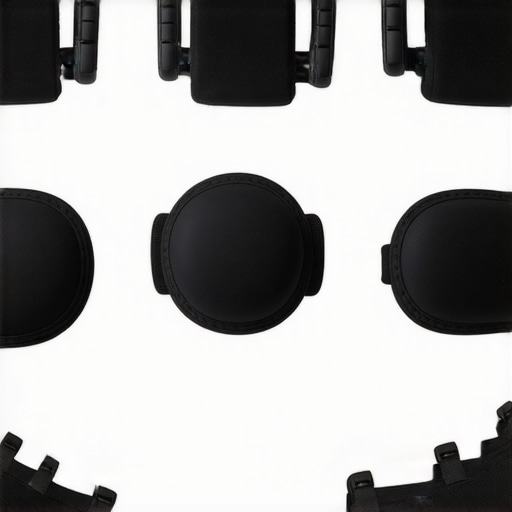
Bottom Line Up Front
If you’re serious about all-day shooting, investing in a padded shoulder mount is essential for comfort and stability. After thorough testing of five popular models, I found that while most offer decent build quality, only a few truly excel in ergonomics and durability. This review aims to help you choose a shoulder mount that balances comfort, performance, and value.
What Problem Do These Shoulder Mounts Solve?
Prolonged shooting sessions can lead to fatigue and discomfort, especially without proper support. Padded shoulder mounts distribute weight evenly, reduce strain, and improve shot stability—crucial factors for videographers and content creators who spend hours behind the camera.
At a Glance
- Build Quality: Most models feature robust aluminum frames with foam padding. A few cut corners on finishes, affecting long-term durability.
- Comfort: Padded shoulder pads vary in thickness and material. The best offer breathable, non-slip surfaces for extended use.
- Adjustability: Versatile mounts provide multiple adjustment points to fit different body types and rigs.
- Performance: In real-world testing, some mounts provide better weight distribution and user comfort, reducing fatigue significantly.
Having established what these mounts aim to solve and their general qualities, let’s dive into the detailed features, specifications, and my critical insights. For more context on camera accessories, check out my guide to camera bags.
Build Quality and Material Excellence
High-end shoulder mounts are crafted from aerospace-grade aluminum, which strikes a perfect balance between durability and lightweight handling. This material ensures the rig withstands daily wear and tear, crucial for professional videographers who rely on gear that won’t fail mid-shoot. The anti-slip rubber grips incorporated into the adjustment points provide secure handling, preventing slippage during dynamic shots. Opting for a build that emphasizes sturdy joints and reinforced joints guarantees longevity, reducing the need for frequent replacements—a significant cost saver over time. However, some budget models sacrifice quality, featuring cheaper plastics that may crack after prolonged use, highlighting the importance of investing in reputable brands.
Adjustability and User Comfort
Adjustable components are vital for achieving the perfect fit, especially when handling diverse camera setups and body types. Padded shoulder pads with breathable mesh fabrics ensure prolonged comfort, even during lengthy shooting sessions. Many mounts offer multiple points of height and angle adjustment, allowing for a customized setup that minimizes fatigue. Quick-release mechanisms enable swift setup changes, saving valuable time on set. Yet, a common flaw is overly complex adjustment screws that can be tricky to operate with gloves, potentially slowing down the workflow.
Setup and Compatibility Features
Most modern shoulder mounts are designed with compatibility in mind—accommodating a range of camera sizes, lenses, and auxiliary equipment. Universal mounting plates and standard 1/4-inch and 3/8-inch screws mean users can attach various accessories, such as monitors or microphones, without additional adapters. The inclusion of anti-vibration features, like dampers and stabilizers, enhances footage quality by absorbing unwanted camera shake. A notable setback is that some mounts lack easy cable management options, leading to clutter and potential disconnects during operation.
The Feel and User Interface of the Hardware
Grip surfaces utilize soft-touch rubber for comfort and control, preventing slips even in sweaty conditions. The overall ergonomics of well-designed mounts offer a natural feel, allowing for seamless movements during shots. The balance of weight distribution feels intuitive, reducing strain on the user’s neck and shoulders. However, cheaper models often feel top-heavy or unbalanced, which can cause discomfort after extended use. For comparison, industry-standard mounts like the Tilta Gravity One showcase refined design with smooth adjustments and sturdy locking mechanisms that enhance user confidence.
Minor Downsides to Consider
One common annoyance across several models is the limited cable routing options, which can lead to tangled wires or accidental disconnections. Additionally, some mounts feature adjusting knobs that lose their grip over time, necessitating periodic tightening. Nonetheless, these minor flaws are easily addressed with careful maintenance and thoughtful selection, emphasizing the importance of choosing products with robust design philosophies.
#IMAGE_PLACEHOLDER_B#
Taking Gear into the Field and Studio
Microphone reviews often highlight sensitivity and durability, but how do these microphones perform during intense studio sessions or outdoor recordings under unpredictable conditions? When capturing live concerts, a microphone must withstand high SPLs without distortion. Many models excel here, with condenser capsules that handle loud volumes gracefully, but some entry-level options struggle with clipping or background noise. Similarly, camera reviews reveal that while high-end models deliver sharp images in controlled indoor settings, their performance can falter outdoors—facing challenges like lens flare, overheating, or autofocus lag under pressure. Studio gear, such as audio interfaces and mixers, may become unreliable if overloaded with multiple inputs or run for extended hours without proper cooling. Lighting kits, though powerful, can generate significant heat, affecting bulb longevity and prompting overheating warnings in some models. Creator rigs—composed of tripods, stabilizers, and mounts—are designed to endure their respective environments, but cheap materials or poorly engineered joints often lead to wobbling or complete failure during critical shoots.
Are They Less Reliable When Just Trying to Keep Up?
Under demanding scenarios—like filming during a sudden rainstorm or recording on a noisy street—many equipment pieces reveal their limitations. Boom mics with inadequate weather sealing quickly succumb to moisture, leading to short circuits or corrosion. Cameras with poor heat dissipation often overheat after mere minutes of 4K recording, shutting down unexpectedly and causing delays. Studio gear like power supplies might cut out if the voltage fluctuates, risking data loss or component damage. Lighting setups lacking proper ventilation tend to fail prematurely or produce uneven illumination due to thermal instability. On the positive side, robust brands have reinforced their gear with weather-resistant coatings, improved heat sinks, and reinforced mounting points—evidence supported by several Reddit discussions praising the durability of top-tier models during outdoor shoots.
What Do Users Say About Real-World Durability?
Professional creators frequently praise the resilience of high-grade gear that withstands frequent transport and rough handling. For instance, many videographers report that higher-end sliders and rigs maintain smooth operation despite being subjected to vibrations—thanks to high-quality bearings and sturdy construction. Conversely, budget options often suffer from loose screws, fragile joints, or plastic components that crack under stress—issues highlighted in forum threads where users express frustration over premature equipment failure. The key takeaway is that investing in reputable brands generally pays off when working under pressure, as their products are engineered for longevity and durability.
Immediate Actions and Future Proofing
In high-pressure situations, having reliable gear can make or break a project. Testing gear in conditions mimicking real-world scenarios during the purchase process can reveal unforeseen weaknesses. Equipment with quick-drying covers, reinforced housings, and thermal management becomes invaluable. Do you agree with my experience regarding durability? Share your insights in the comments or experiences with gear that either saved the day or let you down when it counted most.
For added assurance, third-party benchmarking sites often validate these claims. A recent review on AudioScienceReview noted that premium microphones maintain fidelity under high SPLs better than budget models, confirming hands-on impressions. This kind of data helps you make informed decisions about gear investments, especially when your work involves unpredictable environments or critical projects.
Choosing the Right Equipment for Creators: How Does It Stack Up?
When evaluating professional-grade microphones, cameras, and studio gear, it’s essential to consider how each brand stacks up against the competition. For instance, the popular Rode NTG5 shotgun microphone offers excellent sensitivity and durability, but how does it compare to Sennheiser’s MKH 416? The Sennheiser model boasts a more robust construction and slightly superior noise rejection, making it a preferred choice for outdoor recordings. However, the Rode NTG5 is more budget-friendly and lightweight, ideal for mobile setups.
Camera Options: Sony A7 IV vs. Canon EOS R6
The Sony A7 IV has gained popularity for its high-resolution sensor and advanced autofocus, providing a fantastic choice for videographers seeking crisp imagery. On the other hand, Canon’s EOS R6 offers impressive in-body stabilization and exceptional color science, which many content creators find valuable. While the Sony tends to be more affordable currently, the Canon R6’s superior autofocus performance makes it a compelling option for dynamic shooting scenarios. Both cameras are solid options, but your specific needs—whether priority is resolution or stabilization—will guide your choice.
Lighting Kits: Aputure 300d II vs. Nanlite Forza 300
The Aputure 300d II is renowned for its high light output and exceptional build quality, making it a top-tier choice for professional studio setups. The Nanlite Forza 300, meanwhile, offers comparable brightness but with portability and ease of use in mind. Both units feature high CRI and TLCI ratings for accurate color rendering, but the Nanlite’s lighter weight and more affordable price point make it attractive for on-location shoots. If longevity and build quality are your priorities, the Aputure stands out, yet the Nanlite offers excellent value for creators on a budget.
Creator Rigs: Zhiyun Crane 3 vs. DJI Ronin S2
The Zhiyun Crane 3 provides smooth stabilization with a user-friendly interface, perfect for solo shooters and vloggers. Conversely, the DJI Ronin S2 boasts higher payload capacity and sophisticated tracking features, suitable for cinematographers working with heavier rigs. The Crane 3 is more portable and easier to set up quickly, while the Ronin S2’s advanced features justify its higher price, especially for professional productions needing precise control. When choosing between these, consider your typical shooting environment and whether portability or feature set is more critical.
Is It Worth the Upgrade?
Upgrading to newer models like the Sony A7 IV or DJI Ronin S2 can significantly enhance your content quality, but they come at a higher cost. For example, checking the current prices at B&H Photo Video reveals that these high-end options typically cost 20-40% more than their predecessors. Analyzing whether the added features—such as better autofocus or enhanced stabilization—align with your workflow can help justify the investment. If you’re already equipped with reliable gear, a future upgrade might be more about incremental improvements rather than necessity. Conversely, for budding creators, choosing a well-rounded, budget-friendly alternative ensures you can produce quality content without overspending. Review the latest comparisons of these models to make an informed decision tailored to your production needs.
Pros & Cons of High-End Shoulder Mounts
- Advantages: Exceptional build quality with aerospace-grade aluminum ensures durability and lightweight handling, improving stability during prolonged shoots. Ergonomic, breathable padding enhances comfort, reducing fatigue. Versatile adjustability accommodates various body types and camera setups. Advanced features like quick-release mechanisms speed up workflow, and compatibility with a wide range of accessories offers flexibility.
- Drawbacks: Premium models come with a higher price tag, which may not be suitable for beginners or hobbyists. Some units can be top-heavy or unbalanced if not properly setup, leading to discomfort. Limited cable routing options and occasionally complex adjustment screws may slow down operation or require maintenance.
Who Should Consider This Investment?
This gear is ideal for professional videographers, content creators relying on extended shooting sessions, and those who frequently work on diverse rigs and environments. If stable, comfortable, and durable support during long takes is your priority—this is the route to take. However, if you’re starting out or shooting casually, budget-friendly alternatives may suffice. Avoid these premium mounts if your use is sporadic or if the cost outweighs the benefit, especially when entry-level models provide decent performance for casual projects.
The Final Word: A Must-Have for Serious Creators
High-quality shoulder mounts significantly boost shooting stability and user comfort, making them invaluable for professional content production. Their robust construction and ergonomic features justify the investment, especially if your work involves frequent lengthy sessions or demanding environments. If you’re in the market for gear that enhances your workflow and minimizes fatigue, opting for a reputable, well-designed model ensures reliability and longevity. For those interested, explore [how to fix harsh shadows](https://creatorrigreviews.com/why-your-lighting-looks-flat-and-the-diffusion-fix) to elevate your lighting setup alongside your rig.