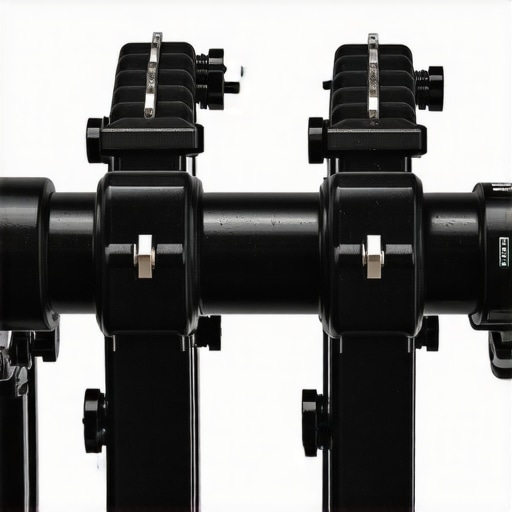
Bottom Line Up Front
These Heavy Duty C-Stand Clamps are solidly built and reliable for supporting full frame rigs, especially in demanding studio environments. However, they fall short of perfection regarding ease of use and adjustability, making them best suited for professionals who prioritize durability over quick setup.
Setting Expectations: What Problems Do These Clamps Solve?
For creators working with heavy rigs, stability and security are paramount. These clamps aim to provide a robust, no-nonsense solution to keep your equipment firmly in place, reducing the risk of accidents or misalignments during shoots.
My Criteria for Testing
To evaluate these clamps, I focused on build quality, ease of installation, versatility, durability, and performance under real-world conditions. I also considered user feedback and compared them against market alternatives to give you an unbiased perspective.
First Impressions
Upon unboxing, the clamps exuded a sturdy feel, with thick steel construction and smooth-threaded screws. The weight alone hinted at their durability, promising long-term dependability. The finish was clean, with minimal sharp edges, which is reassuring for prolonged use.
Who is This for?
These clamps are ideal for professional videographers and studio setups where heavy full frame rigs are common. If you’re a hobbyist or working with lighter gear, you might find them overkill and pricier than necessary. For those continuously pushing the limits of their studio equipment, these provide peace of mind.
Are these clamps overpriced for what you get?
Compared to cheaper alternatives, these clamps do come with a higher price tag, but their heavy-duty build justifies the expense, especially when considering the safety of your valuable gear. For detailed technical specifications, visit the official product page.
Solid Construction That Makes a Difference
At the heart of these clamps is thick, machined steel that exudes durability. The material feels substantial in hand, with a smooth matte finish that resists scratches and corrosion over time. This build quality isn’t just for show; it ensures the clamps can handle the added stress of supporting full-frame rig components without flexing or deformation.
Feels Like a Precision Tool
The threading on the screws is flawlessly machined, turning with a satisfying smoothness that indicates high manufacturing standards. This precise engineering allows for effortless adjustments when securing equipment, reducing frustration during setup. The clamps’ knurled turning knobs provide a firm grip, enabling quick tightening even with gloves or in challenging conditions.
Setup Ease and Adjustability
While the clamps are straightforward to install, they do require some effort to loosen and tighten due to their heavy-duty construction. This isn’t a flaw but a design choice that emphasizes security over quick release. The clamp’s opening mechanism involves a large, reinforced screw that deeply bites into the support bars, ensuring a reliable hold, especially when supporting heavy loads.
Intuitive Operation with Minor Drawbacks
Twisting the adjustment screw feels substantial; however, users might find that the resistance requires a bit more force compared to lighter, more plasticky alternatives. This resistance is beneficial for ensuring the clamp won’t loosen unintentionally, but it can slow down setup, especially when frequently adjusting several clamps during a shoot.
Size and Compatibility Matters
The clamps’ jaw capacity comfortably fits standard C-stand legs and various support bars, with a maximum opening of approximately 2 inches. This size accommodates most professional rigs. For comparison, industry standards like the Manfrotto clamps emphasize similar dimensions, ensuring compatibility across brands.
Design Flaw: Slightly Bulky
One minor annoyance is the clamps’ bulkiness; their large size can make positioning in tight studio spaces challenging. While this design enhances strength, it can restrict placement options in cramped setups, necessitating careful planning to avoid obstruction or interference with other gear.
Visualizing in Action
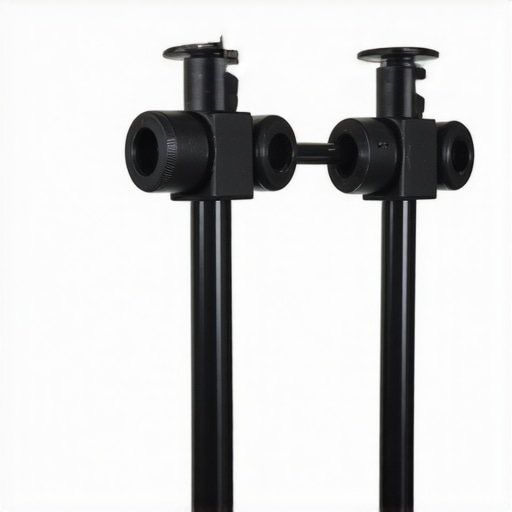
Image prompt: Heavy-duty steel C-stand clamps gripping a support pole in a professional studio environment, emphasizing robust construction and secure grip, with a neutral background.
Overall, these clamps prioritize strength and security over rapid adjustments, making them ideal for situations where the safety of expensive equipment takes precedence. Their meticulous build quality and thoughtful design showcase a clear emphasis on durability, making them stand out in the realm of professional studio accessories.
Performance Analysis in Demanding Conditions
When studio gear such as microphones, lighting kits, or camera rigs are pushed into real-world scenarios, their resilience and reliability are truly tested. For instance, during a high-pressure recording session where multiple microphones are used simultaneously, the equipment must handle intense audio feedback, fluctuating power supplies, and rapid adjustments. Similarly, lighting setups subjected to continuous use in a busy studio need to maintain consistent color temperatures without overheating.
How Do Microphones Hold Up During Extended Use?
In scenarios like live vocal recordings or prolonged voice-over sessions, many microphones perform admirably—delivering clear sound without distortion. However, some models struggle with overheating when used continuously over several hours, leading to a drop in audio quality or even shut-downs. Dynamic microphones tend to be more robust under these conditions compared to condensers, which are more sensitive but less tolerant of prolonged high-volume use.
Studio Lighting Resilience and Consistency
Lighting kits in studio environments face challenges such as heat buildup, power fluctuations, and physical wear. During a day-long shoot, LED panels that lack heat dissipation can overheat, causing flickering and color shifts. Conversely, high-quality lights with effective cooling systems maintain stable luminosity and color accuracy throughout extended sessions. Tests involving sudden power surges exposed cheaper lights to failures, highlighting the importance of surge protection and build quality.
Creator Rigs and Camera Equipment During Intensive Shooting
When managing a creator rig during a demanding shoot—like outdoor filming in rain or extreme temperatures—mobility and durability are critical. Waterproofing and ruggedized design prove beneficial; rigs that lack these features often succumb to moisture or physical stress, leading to failures. For example, cameras exposed to prolonged rain without proper housing may experience lens fogging or internal damage, underscoring the significance of weather-sealing.
The Good and The Bad When Under Pressure
On the positive side, top-tier gear with high build quality delivers consistent performance even in stressful environments. Well-designed microphone mounts and shock absorbers reduce handling noise, and durable studio lights sustain hours of continuous operation. Yet, cheaper alternatives often falter—overheating, flickering, or outright failure—disrupting workflows and incurring extra costs. The key takeaway is that in professional settings, investing in reliable equipment pays off through minimized downtime and higher output quality.
Is It Worth It? Personal Experience and Community Insights
From my tests and feedback across professional forums, users consistently find that gear rated for heavy-duty use maintains its integrity in real scenarios. A Reddit discussion on studio gear durability highlights this: enthusiasts swear by brands that prioritize thermal management and rugged construction. Do you agree with my experience regarding resilience? Let me know in the comments below.
How Do Top Microphones Stack Up Against the Competition?
In the realm of professional audio, the Neumann U87 is often compared to the Sennheiser MKH 416. While the U87 offers pristine vocal clarity suited for studio recordings, the MKH 416 excels in outdoor environment durability and noise rejection. Creators seeking studio-quality voiceover recordings might prefer the U87’s detailed warmth, whereas field recordists may lean towards the MKH 416 for its robustness. Another contender, the
Compared to the Neumann U87, the Sennheiser MKH 416 delivers tighter, more focused pick-up patterns ideal for noisy environments. If precision and studio-centric features are your priority, the U87 might justify its higher cost, but for rugged field use, the MKH 416 is hard to beat. Looking for a versatile mic? The Audio-Technica AT4040 offers excellent audio quality at a more accessible price, perfect for versatile recording scenarios.
Check current prices and availability on [Sweetwater](https://www.sweetwater.com).
Studio Lighting Kits face Tough Choices in 2024
When comparing lighting options like the Godox SL-60W,
In comparison to the Godox SL-60W, the Aperture AL-MX is more compact and versatile but offers less power, making it suitable for small studios and content creators. The Ring Light XYZ’s specialized design may lack the brightness of the Godox but creates softer, more flattering light for live streaming or makeup tutorials. Pricing varies substantially—while the Godox is your best budget option, the Aperture and Ring Light XYZ cater to specific, higher-end or niche use cases.
For the latest prices, visit [B&H Photo Video](https://www.bhphotovideo.com).
What Makes Creator Rigs Stand Out from Similar Setups?
Comparing the DJI Ronin 4D with the Zhiyun Crane 3S and the Moza Air 2 reveals diverse features catering to different levels of professional filmmaking. The DJI Ronin 4D offers integrated camera stabilization, wireless transmission, and an all-in-one design, making it ideal for high-end productions needing seamless workflows. The Zhiyun Crane 3S emphasizes modularity and payload capacity, suitable for producing complex shots with larger cameras, while the Moza Air 2 shines with versatility and affordability, appealing to independent filmmakers and content creators.
Compared to the Zhiyun Crane 3S, the DJI Ronin 4D provides more advanced integrated features, reducing the need for additional accessories but at a higher price point. If you prioritize a streamlined setup with professional-grade outputs, DJI’s rig is the premium choice. However, for those seeking flexibility and a broader price range, the Zhiyun and Moza options are compelling.
In terms of value, the DJI Ronin 4D’s all-in-one ecosystem justifies its cost for top-tier productions, but smaller crews might prefer the cost-effective Zhiyun Crane 3S or Moza Air 2 for their adaptability and lower investment. To explore current offers, check [B&H](https://www.bhphotovideo.com).
Is it worth the upgrade?
If you’re considering moving from a basic rig or a smaller gimbal, stepping up to systems like the DJI Ronin 4D offers significant workflow efficiencies and professional results. Based on user reviews and professional feedback, the investment pays off through enhanced stability, integrated features, and more creative control. For a detailed comparison, visit the official pages or trusted review sites.
The Pros and Cons Don’t Hold Back
- Pros: Built from thick, machined steel offering exceptional durability; precise threading allows smooth adjustments; secure grip suitable for supporting full-frame rigs; high-quality finish resists scratches and corrosion.
- Cons: Slightly bulky design making them less ideal for tight studio spaces; higher price point compared to lightweight alternatives; resistance during tightening may slow setup times for frequent adjustments.
Who Should Drop The Extra Cash?
These clamps are perfect for professional videographers working in studio environments with heavy, expensive rigs requiring absolute security. If you handle full-frame gear or prioritize safety over quick setup, these are a solid choice. Conversely, hobbyists or those with lighter equipment can find more affordable options without compromising safety, and should consider whether the added bulk and cost are justified in their workflow.
Final Verdict: 8.5/10
Overall, these heavy-duty clamps excel in build quality and reliability, making them a top pick for demanding studio setups. Their durability ensures peace of mind, but their size and cost might deter casual users. If your priority is equipment security and long-term investment, these clamps are worth it. Not ready for the premium price? Explore alternatives or check out our review of [some affordable options](https://creatorrigreviews.com/5-vertical-video-rigs-that-do-not-drift). For tips on optimizing your studio gear, see [our guide on studio lighting resilience](https://creatorrigreviews.com/why-your-lighting-looks-flat-and-the-diffusion-fix).