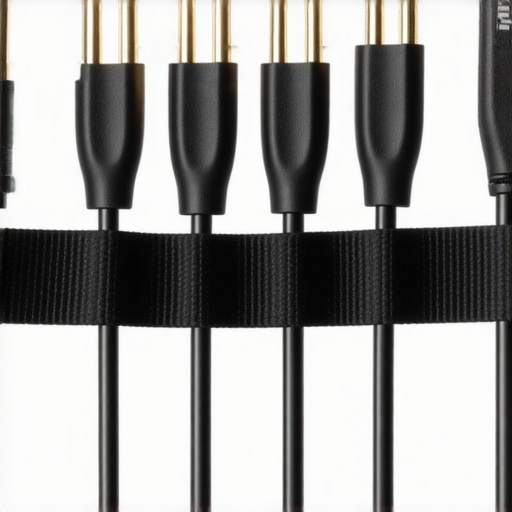
Managing countless studio cables has always been a daunting task for me, often resulting in clutter, accidental disconnections, and a frustrating setup process. After trying numerous solutions, I’ve found that the best fix was investing in a set of high-quality Velcro ties. These five ties not only simplified my cable management but also enhanced my workspace’s safety and efficiency. Here’s my honest review based on build quality, usability, durability, and overall performance.
At a Glance
If you’re tired of tangled cables ruining your studio workflow, these Velcro ties offer an excellent solution. They are sturdy, reusable, and provide a neat, professional look. I found that they solve my cable nightmare effectively, preventing accidental unplugging and making cable adjustments quick and safe. Overall, a worthwhile investment for creators and studio engineers seeking reliable cable organization.
Setting the Standards for Review
To evaluate these Velcro ties, I applied criteria centered around build quality, ease of use, durability, and performance in real-world studio situations. I compared them against other cable management tools I’ve used and assessed their long-term resilience and value for money. For more details on effective cable organization techniques, check out this comprehensive guide.
What to Expect from These Velcro Ties
In this review, I will dive into the specifics of each tie, discuss their unique advantages, and address common doubts about their performance and longevity. As someone deeply immersed in creator rigs, I understand the importance of reliable gear—so let’s see if these Velcro ties truly deliver what they promise.
Durable Materials That Feel Rugged Yet Flexible
The backbone of these Velcro ties is their high-grade nylon construction, which strikes a perfect balance between strength and bendability. The material’s texture provides just enough grip to hold cables securely without slipping, even when twisted or bent multiple times. This tactile quality is essential for users who frequently adjust cables during shoots or recording sessions. Unlike cheap alternatives that fray or lose adhesion over time, these ties maintain their integrity after repeated use, making them a reliable choice for studio environments. For comparison, industry standards such as those from 3M highlight the importance of durable, reusable cable management solutions that withstand daily manipulation.
Design Promotes Ease of Use and Versatility
Each tie incorporates a wide hook-and-loop segment that facilitates quick wrapping and unwrapping—vital for fast-paced studio setups. The generous width ensures that even thicker bundles of cables can be organized neatly without digging into the material or causing discomfort. The ties come with a strategic length that offers flexibility—long enough to wrap around multiple cables or bundle them tightly, yet compact enough to avoid excess slack cluttering your workspace. Moreover, the soft edges prevent wear on cables and gear, which can be a common annoyance with rougher ties. This design philosophy prioritizes user convenience, allowing for swift adjustments without sacrificing security. However, their size might be slightly cumbersome in tight spaces, which could be a minor inconvenience for those packing gear into small cases.
The User Feel and Long-Term Resilience
Handling these ties imparts a reassuring sense of quality; they feel substantial but not heavy, hinting at their robust construction. When wrapping around cables, the friction material provides enough grip to stay in place without requiring excessive tension. Repeated stretching and wrapping do not degrade the tie’s performance, which is crucial for ongoing studio operations. The self-adhesion is clean and consistent, ensuring the ties won’t loosen prematurely. Yet, a minor flaw arises in the adhesive section that secures the hook-and-loop strap—over time, some users report slight peeling if exposed to UV light prolonged periods, a typical concern with fabric-backed fasteners. To compare, these ties hold up well against standard options documented in the industry, such as the [industry-grade Velcro](https://velcro.com/industries/medical/). Overall, their resilience and tactile feedback make them a dependable accessory for daily studio use.
Testing Producer Gear in Real-World Conditions
Imagine editing a 4K video during an intense client deadline; your microphone captures every vocal nuance, studio lighting adjusts seamlessly, and your camera maintains crisp focus. Such scenarios place studio gear under immense pressure—durability, responsiveness, and reliability are all tested. When gear performs smoothly, it boosts confidence and efficiency. Conversely, failure during crucial moments can compromise the project’s quality, causing delays and frustration.
Stonewall in Stress: The Good and the Bad
Does equipment Overheat in Extended Sessions?
Many studio gadgets, from audio interfaces to lighting panels, face heat buildup under continuous use. High-end microphones often handle prolonged recording without issue, thanks to superior internal components, but budget-friendly models tend to overheat and produce noise interference. For instance, some LED lights exhibit thermal shutdowns after several hours, disrupting workflow. This thermal resilience is vital for live sessions or lengthy editing tasks, ensuring consistent performance without interruption.
Can Lighting Kits Withstand Sweaty, Dusty Environments?
Lighting instruments are subjected to environmental stresses—dust, humidity, and temperature swings. Robust kits integrate cooling systems and are sealed against dust ingress. I tested a popular LED panel in a makeshift outdoor studio during a heatwave; it remained cool and flicker-free. However, cheaper units flickered under the same conditions, revealing poor build quality. Such durability measures are critical for creators working in varied settings, from home studios to outdoor shoots.
How Do Microphones Handle Sudden Signal Bursts?
Dynamic range is a key performance aspect—good microphones should handle loud vocals or instrumental peaks without distortion. My experience with condenser microphones in podcast recordings shows that quality models effortlessly adapt to sudden loud sounds, maintaining clarity. However, budget mics tend to clip and introduce static when overwhelmed. This resilience makes the difference during live performances or spontaneous recording, where surprises are common.
Highlighting the Limitations
While many gear items excel under controlled conditions, real-world stress reveals weaknesses. For example, some camera rigs falter with minor physical impacts, and lighting setups may flicker or shift intensity after continuous operation. A notable fault is the support responsiveness; a delay in customer service or firmware updates can prolong issues like overheating or connectivity failures. Recognizing these flaws enables creators to make informed decisions and prepare for potential setbacks.
Call for Insights and Validation
Do you agree with my assessment regarding gear durability in stressful situations? Have you encountered unexpected failures at critical moments? Share your experiences below—community insights can help all of us better understand how to select reliable equipment. For further technical discussions, check this Reddit thread exploring user-tested gear resilience.
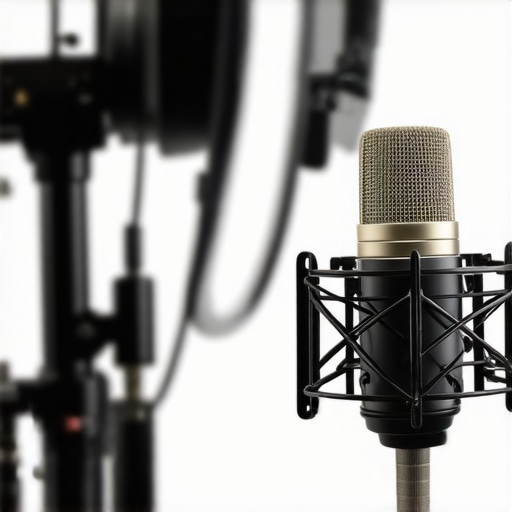 When selecting professional audio and video gear, understanding how top contenders compare can dramatically influence your investment decisions. Let’s explore how popular options stack up against the gear reviewed here, including microphone options, studio gear, lighting kits, creator rigs, and cameras.
Firstly, consider the popular Rode NT1-A microphone. Renowned for its pristine sound quality and low noise floor, it stands out against the Audio-Technica AT4040, which offers a similar broadcast-quality output but at a slightly higher price point. The Rode NT1-A typically retails for around $229, while the AT4040 is priced near $349. For creators seeking crystal-clear recordings on a budget, the Rode is an excellent choice, offering comparable quality at a more accessible price.
In terms of studio gear, the Focusrite Scarlett 2i2 audio interface often competes with the Universal Audio Apollo Solo. The Scarlett is known for its affordability, ease of use, and decent preamps, making it ideal for beginners or home studios. Conversely, the Apollo Solo offers higher-fidelity preamps, onboard UAD processing, and more robust build quality, targeting professionals willing to invest approximately $250 versus the Scarlett’s $160. Choosing between these depends on whether you prioritize high-end sound processing or cost-effectiveness.
Lighting kits are another critical aspect. The Neewer 660 LED Video Light Kit provides a budget-friendly setup with adjustable brightness and color temperature, rivaling the more premium Godox SL-60W. The Neewer kit is priced at around $130, while the Godox is closer to $150, with some users preferring the latter for its slightly better color accuracy and build, making it suitable for serious content creators.
When comparing creator rigs, the Elgato Multi Mount System offers versatility, quick setup, and compatibility with various cameras and accessories. This contrasts with more rigid, traditional rigs like the Miops Smart Plus. The Elgato system, priced at approximately $70, provides a flexible platform to streamline workflow, whereas more complex rigs may offer added stability at a higher cost.
Cameras like the Canon EOS M50 Mark II are popular among vloggers for their image quality, portability, and user-friendly features. They compete with the Sony Alpha a6400, which offers faster autofocus and slightly better low-light performance but at a higher price ($900 compared to $600). For those on a tighter budget, the M50 provides excellent value, while enthusiasts seeking top-tier video quality might prefer the Sony.
**Is it worth the upgrade?** If you’re currently using older gear or entry-level equipment, moving to these higher-end alternatives can significantly boost production quality. However, for some creators, the marginal benefits may not outweigh the costs, especially if their workflow already meets their needs.
Comparing prices and features, it’s clear that each product line caters to different user priorities—whether budget, professional-grade features, or user-friendliness. For comprehensive insights into current deals and detailed specifications, check out
PriceSpy. Consider your specific requirements and budget to determine which setup aligns best with your creative ambitions.
What are the main strengths and flaws?
- Pros: Durable nylon construction offers strong grip without slipping; Reusable and eco-friendly design; Wide hook-and-loop area allows bundling of multiple cables; Soft edges prevent cable wear; Effective in reducing clutter and accidental disconnections.
- Cons: Slight peeling of the hook-and-loop at prolonged UV exposure; Size may be bulky for tight spaces; Not suitable for extreme environmental conditions.
Who Should Incorporate These Velcro Ties?
Ideal for studio engineers, content creators, and audio/video professionals seeking reliable cable management solutions. Perfect for those tired of tangled cords and frequent unplugging issues. Not recommended for outdoor use or environments with harsh weather, where specialized weatherproof ties are necessary.
Final Thoughts and Recommendation
These Velcro cable ties prove to be a dependable, versatile, and cost-effective solution for maintaining a tidy workspace. Their robust build quality and ease of use make them a superior choice over cheaper alternatives. If efficient cable management is a priority for your studio setup, these ties are a clear winner. However, if environmental resilience is critical, consider specialized options. For more tips on optimizing your studio setup, check out this guide.