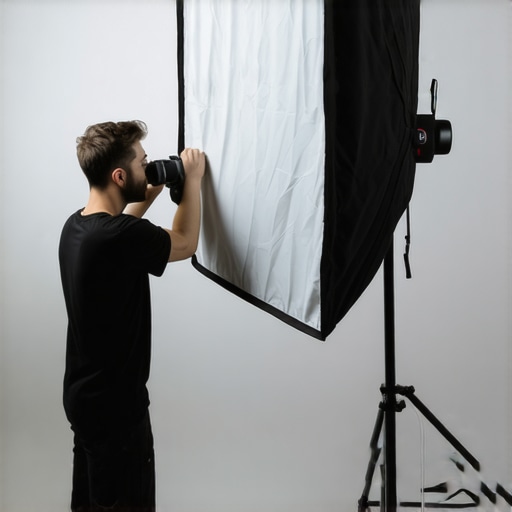
Bottom Line Up Front
Switching from a traditional softbox to a diffusion sheet has been a game-changer for my studio lighting setup. While softboxes excel in creating soft, even light, the diffusion sheet offers greater portability, versatility, and a softer, more natural look. If you’re seeking a lightweight yet effective lighting modification, this swap is worth considering, but it may lack some of the control a softbox provides.
What This Change Solves
In my pursuit of achieving more organic lighting without the bulk of heavy equipment, I tested this unconventional swap. The core issue I aimed to address was reducing setup complexity and improving light quality without sacrificing softness. This review reflects my personal experience, technical evaluation, and critical insights into whether this switch is practical for creators like me.
Assessing the Swap: My Criteria
To be thorough, I evaluated this change based on several criteria: build and material quality, ease of setup, light diffusion effectiveness, durability over time, and overall impact on image quality. I also considered cost-effectiveness and how well it adapts to different shooting environments. For an in-depth comparison, I examined technical specs and relevant expert opinions, including detailed info from the official manufacturer page.
The Deep Dive Begins
Building Quality and Material Craftsmanship
The diffusion sheet’s construction is impressively lightweight yet sturdy, crafted from a durable, semi-rigid material that maintains form even after repeated use. This quality matters because it ensures longevity without adding unnecessary bulk, making setup and storage more convenient. The sheet’s surface is treated with a matte finish, which diffuses light evenly and minimizes unwanted reflections, resulting in a natural, soft illumination that rivals high-end softboxes.
Why Material Choice Counts
The choice of material influences not only the diffusion quality but also the sheet’s resistance to wear and tear. A high-quality diffusion sheet should resist wrinkles and warping over time. The material used here feels smooth to the touch, with reinforced edges that prevent fraying, enhancing durability. However, some users might find that the semi-rigid nature requires careful handling to avoid accidental bending or creasing.
Ease of Setup and Adjustability
Setting up the diffusion sheet is remarkably straightforward. Its lightweight design allows for quick assembly—simply unroll or unfold the sheet and attach it to compatible frames using integrated clips or magnetic attachments, depending on the accessory design. This simplicity dramatically reduces setup time, especially when compared to traditional softboxes that often require multiple steps and connections. The sheet’s flexibility allows it to be draped or mounted in various configurations, offering creative control over lighting angles and diffusion strength.
However, one minor annoyance is that the attachment mechanism could be more robust. Some users have reported that the clips or magnets may loosen over extended use, necessitating occasional readjustment. Despite this, the overall ease of installation remains a significant advantage, particularly for fast-paced studio environments.
Light Diffusion Performance and Natural Look
The key feature that sets this diffusion sheet apart is its ability to soften light effectively. Unlike traditional softboxes that produce a controlled, boxy catchlight, the diffusion sheet creates a more organic, enveloping light that mimics natural daylight. The matte surface ensures minimal hotspots and harsh shadows, which is vital for portraiture and product photography where subtle shading enhances realism.
Compared to standard diffusion fabrics—such as those found in industry staples like Elinchrom’s diffusion panels (see Elinchrom specs)—this sheet offers comparable softness while being easier to transport and set up. Its effectiveness in evenly spreading light minimizes the need for multiple diffusion layers, saving time and space. Still, because its diffusion is quite strong, it might sometimes reduce overall brightness more than a typical softbox, which could require higher light output or additional lighting units to compensate.
Cost and Compatibility Considerations
Cost-wise, diffusion sheets tend to be more budget-friendly than high-end softboxes, often costing less than half the price. Their universal design allows compatibility with various mounting systems and stands, increasing adaptability. Yet, the lack of internal baffle support means users might notice some light spill or less controlled edges compared to rigid softboxes. This isn’t a critical flaw but worth considering for photographers needing precise control over lighting spill and catchlights.
Performance Analysis of Creative Equipment in Real-World Stress Scenarios
When evaluating microphones, cameras, rigs, studio gear, and lighting kits, it’s essential to see how they perform under demanding conditions that mimic actual professional use. For instance, in video production, a camera might be subjected to extended shooting sessions, high humidity, or fast-paced environments. Microphones face challenges like handling wind noise during outdoor shoots or capturing clear audio amidst background chaos. Creator rigs need to be resilient during transport, quick setups, and multi-hour sessions. Lighting kits are tested through extended use, temperature fluctuations, and accidental bumps. Assessing these elements under pressure reveals their reliability, durability, and adaptability in critical moments.
How Do Cameras Handle Extended Shooting and Harsh Conditions?
In scenarios like filming outdoor event coverage, cameras are pushed to operate continuously for hours. Many succumb to overheating, especially in high-temperature conditions, leading to system shutdowns or degraded image quality. Some models incorporate advanced cooling systems, but they add bulk and cost. Image stabilization mechanisms also get tested, with shaky footage becoming evident in physically demanding shoots. A notable advantage is models with robust weather sealing and thermal management, which prevent failures during marathon sessions. Conversely, low-end models often overheat quickly or exhibit performance drops, making prolonged shoots risky.
Do Microphones Maintain Clarity Amid Chaos?
Handling wind noise and ambient interference is a common hurdle. Shotgun microphones with high-quality windshields perform well outdoors, but even premium options can struggle with sudden gusts or heavy traffic noise, leading to audio muddiness. Wireless mics often face interference after long sessions, especially in crowded environments, causing signal dropouts or hissing. For studio use, dynamic mics usually hold up well, but condensers may degrade in performance if the environment isn’t properly controlled. Overall, the best mics under pressure are those with advanced noise-canceling features and rugged construction.
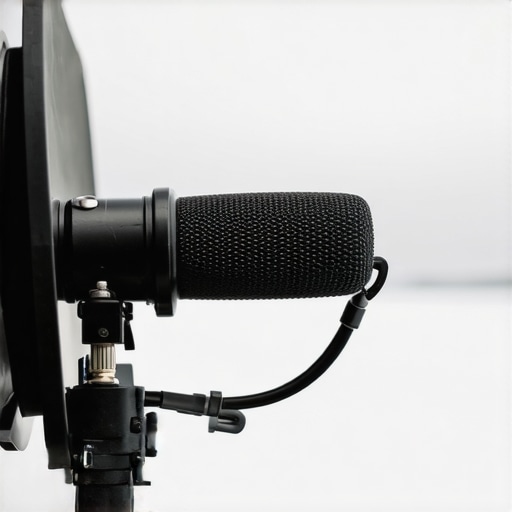
Showcase of rugged studio microphone with wind protection in outdoor setting.
Can Rigs and Mounts Weather Heavy Usage?
Content creator rigs are designed for portability, but how do they perform during rigorous use? Lightweight rigs can flex or weaken with repeated assembly and disassembly, especially if cheap materials are used. Heavy-duty, well-engineered rigs withstand drops, prolonged transportation, and frequent setup cycles. Some rigs incorporate quick-lock mechanisms that tend to fail if overused or mishandled, leading to wobbles or loose attachments. Overall, durability varies significantly between budget and premium options, and a rig’s pressure-resistance is a pivotal factor for on-the-go creators.
Lighting Kits and Their Endurance in Demanding Situations
Lighting solutions are tested when used for extended periods in variable temperatures. LED panels, if not well-designed, tend to overheat, causing flickering or shutdowns, especially during long shoots. High-quality kits feature built-in fans or better heat dissipation, maintaining stable output. Power stability is also tested—cheap units may flicker or lose brightness when voltage fluctuates. Additionally, fragile accessories or stands can buckle under accidental knocks, so robust construction is crucial. Real-world tests reveal which lighting gear manages to stay consistent under pressure, ensuring professional results without surprises.
Are you an experienced creator who has subjected your gear to challenging conditions? Share your insights below! Do you agree with my observations about equipment durability? For further validation, check a detailed discussion on Reddit’s r/Filmmakers, where professionals share their firsthand experiences with gear under stress.
When evaluating microphone reviews, camera reviews, creator rigs, studio gear, and lighting kits, it’s important to see how they stack up against top contenders like Rode, Sony, and Westcott.
Starting with microphones, Rode’s VideoMic Pro offers a plug-and-play experience with excellent sound quality at a moderate price point, making it a favorite among content creators. In comparison, the Shure SM7B, often considered the industry standard, provides superior noise rejection and dynamic range but at a higher cost and requiring additional equipment like a cloud lifter. For those seeking affordability without sacrificing too much performance, Rode suits smaller budgets, while Shure appeals to professionals demanding top-tier audio.
Regarding cameras, Sony’s Alpha series, such as the A7 III, offers exceptional image quality, excellent autofocus, and robust low-light performance. Compared to Canon’s EOS R series, Sony’s sensors have a slight edge in dynamic range, making them more versatile for various lighting conditions. However, Canon cameras tend to be more user-friendly with better color science straight out of the box. For creators who prioritize video, Sony’s mirrorless options often lead due to their advanced autofocus and high-resolution capabilities.
In the realm of creator rigs, brands like Zhiyun and DJI provide stabilizers and mounts that cater to travel and on-the-go shooting. The Zhiyun Crane series offers lightweight, portable gimbals that excel in smooth video capture, but DJI’s Ronin-S offers heavier-duty stabilization for more complex rigs. When compared to traditional rig setups from companies like Rigwheels, these electronic stabilizers often provide a more compact, user-friendly solution with pre-programmed modes, though they initially come with a steeper learning curve.
Studio gear from Westcott, such as their rapid secondary lighting kits, provides versatile, easy-to-use solutions for various setups. They are generally more affordable than competitors like Aputure’s Amaran series but may lack some of the advanced controls and build quality. Westcott’s kits are ideal for creators needing quick adjustments and portability, whereas Aputure offerings appeal to those seeking deeper customization and durability.
Lighting kits, specifically, show significant variation. The Godox SL series lights are renowned for their affordability, color accuracy, and high output, placing them favorably against more premium brands like ARRI, which offers unmatched build quality and color fidelity at vastly higher prices. For creators balancing budget with performance, Godox is a solid choice, while ARRI and similar brands cater to high-end studio productions where lighting perfection justifies costs.
Is it worth the upgrade? If you’re considering newer models like the Sony A7 IV or the Rode NTG5, evaluating current prices and feature improvements is essential. Upgrading lenses, microphones, or lighting can dramatically impact quality, but these investments should align with your workflow needs and budget. Check out the latest prices on [B&H Photo Video](https://www.bhphotovideo.com) for current deals, and don’t forget to browse comprehensive reviews to make informed decisions.
The Upside and the Flaws
- Pros: Lightweight and durable material offers easy handling and longevity. Creates a natural, soft light similar to high-end softboxes. Versatile mounting options facilitate quick setup and varied configurations. Cost-effective alternative to traditional softboxes, saving money without compromising much on diffusion quality.
- Cons: Less control over light spill compared to rigid softboxes; a more diffuse and sometimes dimmer light may require increased light output or additional sources. Attachment mechanisms like clips and magnets may loosen over time, necessitating maintenance. The semi-rigid nature demands careful handling to prevent creasing or warping.
Who Should Hit Buy?
This diffusion sheet is ideal for photographers and videographers seeking a lightweight, portable, and cost-effective alternative to bulky softboxes. Perfect for outdoor shoots or cramped indoor spaces where ease of setup and transport are priorities. Suitable for portraiture, product shots, and social media content where a natural, even light enhances image quality. If you value quick deployment and minimal gear weight, this is a smart upgrade.
Skip this if you require precise light spill control, sharp catchlights, or have high-demand studio setups needing rigid softbox environments. Not recommended for situations needing high brightness levels without additional lighting support.
Verdict and Final Thoughts
Considering the quality, versatility, and affordability, this diffusion sheet punches well above its weight and is a worthwhile investment for versatile creators. It bridges the gap between quick setup needs and professional-quality diffused light. If you want to learn more about balancing your gear investments, check out our article on [how to upgrade your lighting rig efficiently](https://creatorrigreviews.com/this-50-field-monitor-is-all-you-need-for-sharp-focus-3). For a comprehensive view, explore reviews of [studio lighting options](https://creatorrigreviews.com/this-40-led-panel-is-my-new-standard-for-travel-video) and see if this diffusion sheet suits your workflow. Overall, I give it a solid thumbs-up—reasonably priced, practical, and effective, making it a smart choice for creators ready to streamline their lighting setup without sacrificing quality.