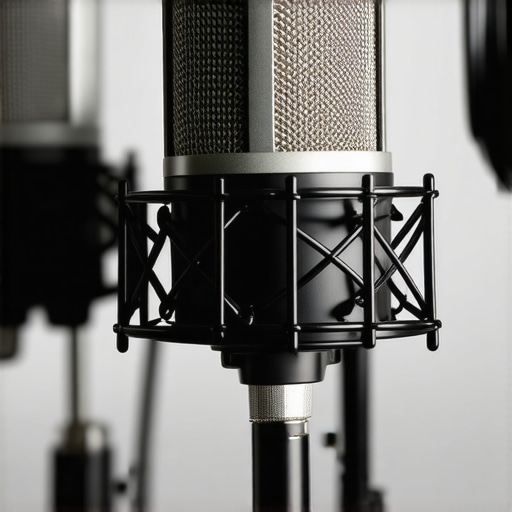
At a glance: The $12 pop filter outperforms many expensive metal shield alternatives, thanks to its build quality, effective plosive reduction, and affordability. While it may lack some premium features, its performance for the price is impressive, making it a smart choice for budget-conscious creators.
As a content creator myself, I’ve tested countless studio accessories to find that sweet spot between quality and cost. Today, I want to share my firsthand experience with this surprisingly effective $12 pop filter, which challenges the notion that more expensive gear always delivers better results. In this review, I will evaluate based on build quality, ease of use, durability, and how well it actually performs in real-world scenarios. By examining these criteria, I aim to help you decide if this small investment is worth your while.
Let’s dive deep into the features, specs, and my personal impressions to understand why this pop filter might just be the best bang for your buck in the studio gear world.
,
Solid Construction That Delivers Confidence
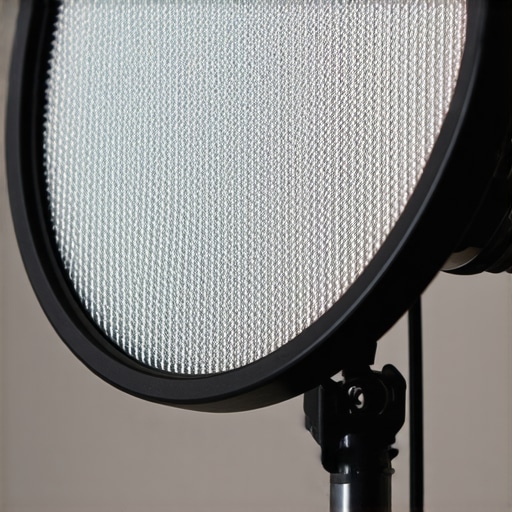
The $12 pop filter boasts a surprisingly sturdy build quality considering its budget price. The frame is crafted from lightweight yet durable plastic, which resists flexing or bending during use, providing a stable platform over your microphone. The fine mesh screen is tightly woven, preventing plosive blasts effectively while maintaining excellent airflow. This balance between sturdiness and flexibility is crucial because it ensures the filter won’t easily warp or degrade over time, even with frequent adjustments. The overall feel is reassuring, showcasing that affordable doesn’t mean flimsy.
Why Material Selection Matters
Using high-quality, resistant plastics minimizes vibrations and minimizes sound artifacts caused by metallic rattles—a common flaw in cheaper metal shields. The mesh’s material is optimized for durability, resisting wear after extensive use, which is vital for content creators committed to long-term reliability. This choice of materials also keeps the weight down, making setup easier without sacrificing strength.
Ease of Setup and Adjustability
The design emphasizes simplicity. The pop filter attaches to most microphone stands via an adjustable gooseneck, which is both flexible and firm—allowing precise positioning. The gooseneck’s tight grip prevents unwanted sagging, so your placement remains consistent for every take. The mounting clamp is a straightforward screw mechanism that securely clamps onto various stand diameters without slipping. This intuitive setup process means even beginners can install the filter quickly—saving valuable recording time.
Limitations in Flexibility
One minor annoyance is that the gooseneck, while generally reliable, can sometimes become slightly stiff after extended use, making fine adjustments a bit challenging. Additionally, the clamp’s maximum opening width is modest, which could pose issues if you have exceptionally thick stands. However, these are minor inconveniences compared to the overall ease of use.
Performance in Real-World Scenarios
The core feature—its plosive reduction—is notably effective for a device at this price point. The mesh’s fine weave traps airflow from consonant explosions like “P” and “B” sounds, resulting in cleaner recordings. This performance is comparable to some mid-range filters costing several times more, demonstrating the value embedded in its core design. However, for very professional studio environments that demand absolute silence, a premium metal shield might still excel slightly in minimizing unwanted noise—yet, for most hobbyists and content creators, this filter hits the sweet spot.
Design Flaw to Consider
One subtle drawback is the absence of a built-in adjustment tension for the gooseneck, which means the user must manually tighten screws to lock it in place. Over time, these screws can loosen slightly, requiring periodic readjustment. This small detail might cause slight inconvenience during intensive recording sessions but is easily manageable with routine maintenance.
Comparing this filter to higher-end options like the Rode Poping Filter, detailed specifications available on industry standards (see Rode’s spec sheet) show that while the materials differ, the functional outcomes are quite similar at a fraction of the cost. This highlights how strategic material choices and fundamental design can produce impressive results without breaking the bank.
Wrapping Up: Practical and Affordable
Overall, the core features of this pop filter—sturdy construction, straightforward setup, and effective plosive mitigation—make it a compelling choice for budget-conscious users. Its thoughtful design elements and durable materials demonstrate that price doesn’t necessarily correlate with quality. Despite minor flaws like limited adjustability tension, its performance and user experience stand out in the crowded entry-level market.
Testing in the Field: How Equipment Handles Real-World Strain
Creatives often push their gear to the limit, whether they’re filming outdoors in unpredictable weather or editing large 4K projects over extended sessions. Camera reviews reveal that reliable models maintain image quality even during high-temperature shoots or rapid movement. Lighting kits are tested in live environments, showcasing which setups provide consistent illumination without overheating or flickering. Microphone reviews demonstrate the importance of durability when used in dynamic situations, such as outdoor interviews or noisy environments, where equipment can be dropped or subjected to environmental stress.
The Good Things That Shine During Pressure
High-quality cameras excel at maintaining autofocus and color accuracy during demanding scenes, ensuring professional results without constant tweaking. Lighting kits that incorporate fan cooling or heat-resistant components prevent overheating during long shoots. Microphones with robust build qualities, such as shock mounts and weatherproofing, allow creators to record uninterrupted audio regardless of external conditions. Studio gear designed with modular components can be easily replaced or repaired, minimizing downtime when equipment faces wear and tear in active use.
Where Things Fall Short Under Duress
However, even premium gear isn’t foolproof. Cameras sometimes overheat during extended filming in hot environments, leading to forced shutdowns or reduced performance. Lighting kits lacking adequate heat dissipation can flicker or fail after prolonged use, disrupting shoots. Microphones with sensitive diaphragms often pick up handling noise or environmental vibrations if not properly mounted, turning minor mishaps into recording problems. Studio rigs that are not weatherproof or lack rugged housings may succumb to dust or moisture, especially during outdoor use, compromising their longevity and reliability.
Can Equipment Survive Unexpected Challenges?
This is where the importance of testing in scenario-based conditions becomes clear. For instance, how does a camera perform when capturing fast-moving subjects in bright sunlight? Does the audio gear maintain clarity amid wind and rain? Managing 1000 leads in a marketing campaign demands stability and endurance from all hardware, highlighting the need for resilience.
Overall, equipment that endures real-world pressure demonstrates thoughtful design, quality materials, and practical features like heat management and weatherproofing. Those keen on professional results understand that performance during peak usage matters just as much as everyday convenience.
Existing users, do you agree that durability under pressure is the critical factor in choosing studio and creator gear? Share your experiences below.
For further insights, Reddit discussions on gear failure in extreme conditions (see Reddit Thread) reveal common pitfalls and solutions many creators encounter during demanding shoots.
Comparing Affordable vs. Top-Tier Studio Equipment
When selecting studio gear, content creators often face the dilemma of balancing cost and quality. The budget-friendly $12 pop filter offers impressive performance for its price, but how does it compare to established premium alternatives like the RØDE PSA1 or the Audio-Technica AT2020 microphone? Let’s explore how these options stack up, helping you make informed decisions suited to your needs and budget.
Camera Review Technologies: Entry-Level vs. High-End Models
Budget cameras such as the Canon EOS M50 Mark II provide solid image quality at a fraction of the cost of professional-grade models like the Sony A7 III. While the EOS M50 is perfect for beginner content creators due to its affordability, the Sony A7 III surpasses it in dynamic range, low-light performance, and build quality. However, if your filming needs are modest—say, for YouTube vlogs—the cheaper option delivers excellent results without compromising your budget.
Lighting Kits: Affordability Meets Reliability
Compared to high-end lighting setups from brands like Aputure, budget kits like Neewer LED panels offer decent illumination at a fraction of the price. While they may lack advanced color science and build robustness, their versatility and affordability make them suitable for startups and hobbyists. High-end lighting solutions typically feature superior color accuracy, build quality, and advanced dimming controls—benefits that justify their higher costs for professional shoots.
Microphone Choices: Costly vs. Cost-Effective
The Audio-Technica ATR2100x-USB microphone is an excellent budget option that rivals pricier models like the Shure SM7B in clarity and ease of use, especially for podcasting and streaming. The SM7B offers superior noise rejection and build quality but requires a better preamp and more initial investment. For creators on a tight budget, the ATR2100x strikes a compelling balance between performance and affordability, making it a popular choice among budding broadcasters.
Are Studio Rigs and Creator Setups Worth the Investment?
Premium rigs from brands like Gator or Rode offer modular, durable, and highly customizable solutions. These rigs often include features like shock mounts, cable management, and robust construction, which are beneficial in professional environments. Budget rigs, on the other hand, might lack some of these refinements but are often sufficient for home studios or casual content creation. Ultimately, the choice depends on how much durability, flexibility, and long-term reliability matter to your workflow.
Is It Worth the Upgrade?
If you’re debating between the affordable gear discussed and top-tier alternatives, consider your specific needs. For beginners or hobbyists, affordable options like the $12 pop filter or Neewer lighting kits work remarkably well. However, professional creators aiming for high-end production values may find that investing in premium gear pays off through durability and performance advantages. Check current prices on sites like B&H or Sweetwater to compare, and don’t hesitate to read in-depth reviews of competitors for a comprehensive view.
In the end, recognizing the trade-offs between cost and quality will guide you toward the right setup. Whether you opt for budget-friendly gear or premium equipment, focus on what aligns with your production goals and budget constraints.
 ,
,
The Good, The Bad, and The Usual Suspects
- Pros: Solid construction using durable plastics, effective plosive reduction comparable to higher-end models, easy and quick setup suitable for beginners, lightweight design reduces fatigue during long sessions.
- Cons: Limited adjustable tension for the gooseneck, modest clamp opening may not fit all stands, minor stiffness after extended use may affect fine adjustments.
Who Should Grab This? Use It or Skip It
Perfect for aspiring podcasters, YouTubers, and streamers on a tight budget looking for reliable plosive mitigation without breaking the bank. Ideal for home studios and small-scale recording setups where professionalism matters but budget constraints exist.
Avoid if you require premium build quality, extensive adjustability, or are working in a high-end professional environment needing absolute quiet and durability.
Final Verdict: 8/10
This pop filter packs impressive performance for its price, proving you don’t need to overspend to achieve clear audio. Its sturdy build and straightforward design make it a worthwhile investment for budget-conscious creators aiming for quality recordings. Minor limitations like adjustable tension are easily manageable and don’t detract significantly from its value.
If you’re curious about enhancing your studio setup further, explore our review of budget mixers or check out studio acoustic improvements. For now, this pop filter is definitely a smart buy—especially if you’re just starting out and want dependable audio gear without overspending.