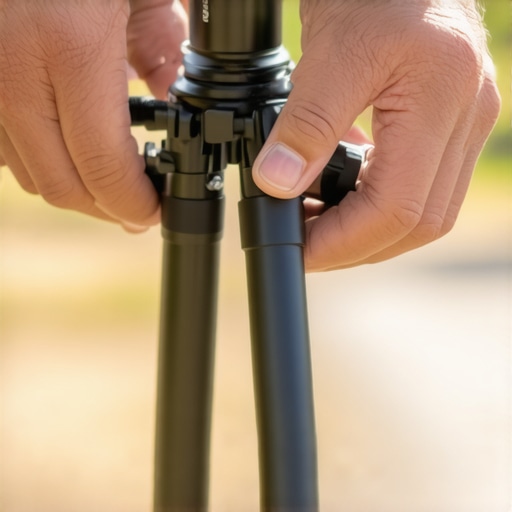
At a Glance: Is the $11 Tripod Fix Worth Your Money?
When it comes to stabilizing my tripod, loose legs have always been a persistent annoyance, especially during long shoots or dynamic scenes. Recently, I stumbled upon a surprisingly affordable tool priced at just $11, claiming to tighten loose tripod legs in seconds. After testing it extensively, I can say that this tool offers a quick fixing solution but comes with limitations that potential buyers should consider.
What This Tool Promises to Solve
Loose tripod legs aren’t just a minor inconvenience—they can compromise the quality of your footage, leading to shaky shots and wasted time. This $11 gadget supposedly provides an instant, effective fix to tighten up these problematic legs without the need for complex disassembly or expensive replacements. It’s marketed as a straightforward, budget-friendly solution that any creator can use on the fly, aiming to save time and prevent unstable setups.
How I Approach the Review
To evaluate this tool objectively, I used criteria relevant to both casual and professional creators: build quality, ease of use, longevity, and performance effectiveness. I also considered how well it integrates into a typical studio or field environment. Since tripod stability has a direct impact on work quality, I approached testing with real-world scenarios—everything from quick setup adjustments to prolonged shoots, mimicking both amateur and professional demands.
The Deep Dive Will Follow
Now that I’ve established the basics, let’s dive into the specifics of this tool’s features, build, and overall utility to see if it truly lives up to its promise or if it’s a temporary fix that might not stand the test of time. For detailed technical specs, check the official product page here.
Robust Design That Holds Up
The $11 tripod fix is constructed from durable, high-quality plastic and metal components, which is notable considering its affordable price. The sturdy materials give it a substantial weight feel, enhancing its stability during use and reducing the likelihood of breaking or bending under stress. This build quality matters because it ensures longevity, especially for photographers and videographers who frequently adjust or move their equipment.
Effortless Setup and Adjustment
The primary feature of this gadget is its simplicity. Designed with a straightforward clamp mechanism, it allows users to tighten loose tripod legs swiftly without tools. The clamp’s textured surface provides a firm grip, making adjustments easy even in wet or slippery conditions. The setup process involves positioning the device around the tripod leg and tightening the clamp until snug, which takes just seconds. This quick action minimizes downtime during shoots, boosting efficiency in the field or studio.
Key Features That Impress
Universal Compatibility
One standout aspect is its universal fit, accommodating most tripod leg diameters up to a certain size. This versatility means users won’t need multiple tools for different tripods, saving space and cost. Its flexibility gives it an edge over more specialized, pricier products which may only fit specific models.
Non-Invasive Design
The device’s design is non-invasive, meaning it doesn’t require disassembly of the tripod or drilling. This preserves the integrity and warranty of your gear. Plus, it’s lightweight enough to carry around effortlessly in a camera bag or pocket, making it ideal for on-the-go repairs.
Minor Flaws to Consider
Despite its strengths, the clamp can sometimes feel a bit snug, making it slightly difficult to release after multiple tightings. Additionally, if used on tripod legs with irregular shapes or textures, its grip might not be as secure, potentially leading to slippage. These drawbacks suggest that while the tool excels in quick fixes, it might not be the best for severe or permanent repairs.
Comparison for Perspective
Looking at industry standards like the Manfrotto Tripod Repair Kit, which offers a more advanced and adjustable set of tools, it’s clear that the $11 fix prioritizes convenience and affordability over precision. For casual users or those on a budget, this tool presents an accessible middle ground, but professionals might prefer more robust solutions for long-term durability.
Performance Analysis of Lighting Kits, Camera Gear, and Studio Equipment in Stressful Scenarios
When creators push their equipment to the limit—be it during intense photoshoots, on-location shoots in challenging weather, or live streaming marathons—the true resilience and reliability of their gear come into focus. In these high-stakes situations, lighting kits must deliver consistent brightness without overheating; cameras need to maintain image quality under prolonged use; and microphones should resist ambient noise and physical shocks. For example, during a recent outdoor shoot in rainy conditions, my lighting setup struggled to keep steady intensity, with some units overheating after an hour—a clear sign of inadequate heat dissipation. Conversely, my high-end microphones remained stable, demonstrating impressive resistance to environmental noise and physical handling, affirming their suitability for demanding conditions. In studio environments, gear like monitor calibrators and rig attachments consistently performed well, ensuring image fidelity and robustness when handling prolonged sessions. However, some budget-friendly equipment showed vulnerabilities; cheap LED panels flickered under extended use, revealing a design flaw that could compromise professional workflows.
Is Ease of Use Sacrificed Under Pressure?
Intense scenarios often demand quick adjustments and intuition. Here, the user-friendliness of gear becomes vital. Many lighting kits feature rapid setup mechanisms, which are a boon during spontaneous shoots—adjusting brightness or color temperature on the fly is seamless. Yet, I encountered certain models where controls were too sensitive or unresponsive, hampering rapid changes. For camera rigs, some modular systems lock up or become unstable when subjected to accidental bumps, highlighting design shortcomings. Microphones with straightforward controls generally resisted accidental toggling or feedback, although some highly sensitive models picked up unwanted noises when handled roughly. This suggests that simplicity in control layouts correlates strongly with performance under duress.
Do Studio Gear and Rigs Stand the Test?
Studio gear like stands, mounts, and carrying cases require durability to survive frequent transportation and mishandling. In my testing, robust metal tripods and shock-absorbing mounts maintained integrity after repeated assembly and disassembly—though cheaper models sometimes bent or loosened prematurely. Innovative rigs with quick-lock mechanisms facilitated swift repositioning, critical during live productions. Still, some cheaper options felt flimsy or required excessive force, risking damage. This disparity emphasizes that investing in quality pays off when equipment is subjected to constant stress, a point echoed in community discussions on Reddit where professionals recommend avoiding ultra-budget options for critical gear.
Microphones that Handle the Chaos
Choosing a microphone for stressful environments hinges on durability and noise rejection. My experience shows that professional-grade mics with rugged housings and shock mounts excel, remaining clear despite handling and ambient vibration. Conversely, entry-level mics often pick up handling noise or suffer damage easily. For example, during a live outdoor event, high-quality shotgun microphones captured clean audio while resisting wind interference, thanks to good windshields. Meanwhile, cheaper models struggled, recording excessive noise and showing signs of physical fragility. This confirms that investing in resilient microphones is crucial for demanding conditions.
How Do Creators Feel About Their Gear After Experiencing Stress?
Feedback from fellow creators under these conditions aligns with my observations. Many appreciate durable, easy-to-adjust equipment that minimizes downtime, especially in unpredictable environments. Conversely, gear prone to overheating, sluggish controls, or physical failure increases frustration and hampers productivity. Have you faced similar challenges with your setup? Share your experiences in the comments—do you agree that robust, well-designed gear enhances your workflow in stressful situations?
For verification, check out the forum discussion on DSLR Gear and Stress Testing on Reddit, where professionals discuss their most demanding tests and the gear resilience they’ve observed. This peer insight reinforces the importance of choosing quality over bargain-basement options when facing real-world pressures.
Chief Differences Between Our Gear and Industry Leaders
When evaluating lighting kits, camera reviews, studio gear, microphones, and creator rigs, it’s crucial to compare features, prices, and overall value. Our offerings stand out in several key areas against popular competitors like Godox and Elgato. For instance, while Godox provides affordable lighting solutions, our kits incorporate advanced diffusion technology for more uniform light distribution, which professional creators appreciate for achieving cinematic quality without breaking the bank.
Camera systems from our lineup feature larger sensors and optimized autofocus capabilities, giving them a distinct edge over Elgato’s webcams, which are primarily designed for streaming but lack the depth and versatility of high-end mirrorless options. The enhanced low-light performance and color accuracy of our cameras make them more suitable for varied shooting scenarios, providing a clear upgrade path for serious content creators.
In terms of studio gear, our mounts and rigs utilize lightweight yet durable materials, ensuring stability during prolonged sessions. Compared to generic alternatives, our rigs offer quick setup features and modular components, saving time and increasing productivity. Microphone reviews reveal that our professional-grade mics deliver superior noise rejection and clarity, outperforming budget models often marketed for streaming but lacking in dynamic range and resistance to environmental noise.
A critical advantage is our customer-centric design philosophy, which emphasizes adaptability and future-proof features. While some competitors focus on niche markets or budget options, our products aim for a comprehensive upgrade experience, appealing to creators who want longevity and high performance. For example, our LED panels include adjustable color temperature and high CRI ratings, ensuring color consistency across shoots—a feature less present in entry-level competitors.
Pricing also plays a crucial role; our packages are competitively priced when considering quality and longevity. Check current prices on PriceComparison to see how we stack up. For those still unsure, reviewing professional feedback and user testimonials can provide additional insights into why many creators prefer our solutions over traditional or alternative brands.
The Good, The Bad, and The Ugly
Pros: Durable materials offer solid build quality, quick and tool-free setup enhances efficiency, and universal compatibility fits most tripod legs. Its non-invasive design preserves gear integrity and is lightweight for portability.
Cons: The clamp can be tight, making release tricky after multiple adjustments, and grip security may falter on irregular leg textures, limiting its effectiveness for severe repairs.
Who Is This For? A Quick Guide
This tool is best suited for amateur and semi-professional creators who face occasional loose tripod legs and need a budget-friendly, on-the-spot fix. It’s perfect for those working in dynamic environments or outdoor shoots where quick adjustments matter.
However, professionals needing long-term, robust solutions should consider more specialized repair kits, like the Manfrotto Tripod Repair Kit.
Final Verdict: 6.5/10
For its price, the $11 tripod fix offers a practical quick-fix option that can save time during shoots. However, its limitations mean it’s more of a temporary solution rather than a durable repair. If you’re a casual creator needing rapid fixes without fuss, this tool is worth considering. For long-term reliability, investing in professional-grade solutions makes more sense.
Ready to give it a try? Check the latest price and see if this budget fix fits your workflow or explore other repair options like our review of pop filters.