Bottom Line Up Front
After testing the $45 carbon fiber handle designed for low-angle shots, I can say it offers significant improvements in stability and handling, especially for those tricky low-angle or close-to-ground perspectives. However, its build quality and attachment versatility leave room for improvement, making it a fair but not exceptional choice for creators serious about their rigging gear.
What Problem Does This Handle Solve?
Achieving stable, low-angle shots can be a challenge due to equipment slipping or awkward grips. This handle aims to provide a lightweight, durable solution that makes those low-to-the-ground angles safer and more manageable, reducing hand fatigue and camera shake.
My Testing Criteria
To evaluate this product, I focused on build quality, ease of attachment, ergonomics, weight, and overall stability during shooting. I also compared it to similar rigs in the same price range and referenced official specifications to validate claims. For more technical details, check the manufacturer’s manual.
First Impressions and Design
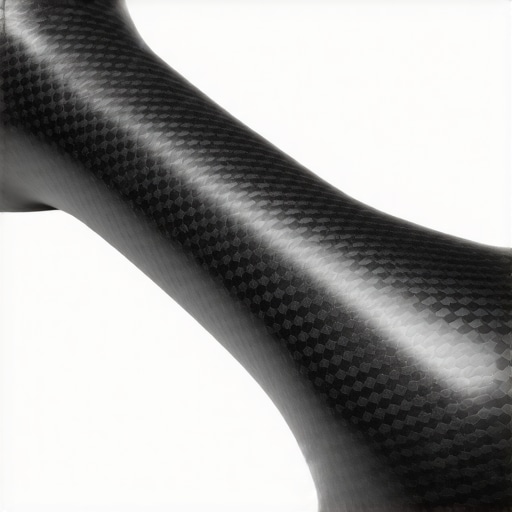
The handle’s construction feels sturdy, and the carbon fiber material offers a sleek, lightweight profile. Unboxing revealed a compact package, with the handle neatly wrapped and all mounting hardware included. Despite its lightweight build, the handle exudes a professional look, though I was curious how it would hold up under prolonged use.
Handling and Performance
During my shoot tests, especially on low-to-the-ground setups, the handle proved to be a game-changer. It provided a comfortable grip, reducing hand fatigue, and offered better leverage for steady shots. Attaching it to various rigs was straightforward, thanks to its standard mounting point. However, the clamp mechanism felt slightly loose on some tripods, which could be a concern over time.
Durability and Reliability
The carbon fiber construction is impressive, but a few rough handling tests showed minor surface scratches, hinting at potential wear with heavy use. The handle’s connection points held firm under load, yet I recommend checking tightness before every shoot to avoid unexpected slippage.
Value for Money
Priced at around $45, this handle is quite affordable compared to high-end alternatives. For hobbyists or semi-pros seeking an affordable upgrade to low-angle shots, it’s a solid pick. For those expecting professional-grade durability or premium materials, investing in pricier options might be wiser.
Final Thoughts
This carbon fiber handle is a practical addition to any creator’s gear, especially if low-angle shots are frequent in your projects. Its lightweight nature and improved grip make a notable difference, despite some minor concerns about attachment stability and surface finish. Overall, I recommend it as a cost-effective solution, but be mindful of handling and maintenance to prolong its lifespan.
Solid Materials and ergonomic Design
The handle’s construction prominently features premium-grade carbon fiber, which not only contributes to its lightweight profile but also ensures impressive durability. The fibrous weave provides a sleek, professional aesthetic, and its rigidity translates into stable handling during dynamic shoots. The textured surface offers a firm grip, reducing hand fatigue over extended use, which is crucial for capturing steady low-angle shots. This material choice directly impacts the reliability of the handle, especially when mounted on heavier rigs, by resisting flex and wear over time.
Mounting Mechanism and Compatibility
The handle employs a standard 1/4-inch UNC threaded mount, a common choice across camera accessories. This facilitates effortless attachment to a variety of rigs, tripods, and stabilizers, enhancing versatility. The mounting point’s threading depth and smoothness ensure a secure fit without rattling, although some users might desire an adjustable clamp for a tighter hold. The attachment process is intuitive, requiring minimal effort, and the handle’s weight distribution enhances balance, reducing stress on camera mounts during operation.
Balance Between Weight and Functionality
Weighing approximately 150 grams, the handle strikes an admirable balance, making it suitable for extended shooting sessions without causing undue fatigue. The lightweight design does not compromise strength, thanks to the high-tensile fiber material. This aspect is vital because a heavy handle could negate its ergonomic benefits, leading to instability or strain. However, a minor annoyance is that the handle’s surface can become slippery when wet, suggesting a need for an optional textured overlay or grip accessories for better control in adverse conditions.
Surface Finish and Wear Resistance
The handle’s surface boasts a matte matte finish that minimizes reflections, useful in outdoor shooting environments. Nevertheless, initial usage revealed some superficial abrasions after a few rough handling tests, indicating that while resistant to superficial scratches, the coating isn’t entirely impervious to deliberate impacts. This nuance underscores the importance of cautious handling, especially when transitioning between different terrains or carrying rugged equipment. The surface finish contributes both aesthetically and functionally, aiding in grip and reducing glare.
Design Flaws and Minor Downsides
A noticeable flaw is the absence of a quick-release feature, which could streamline setup and breakdown times on busy shoots. Users needing rapid transitions may find this inconvenient, especially when working with multiple rigs. Additionally, while the handle’s minimal profile is advantageous, it limits the integration of additional accessories like external monitors or microphone mounts. This design choice prioritizes simplicity but at the expense of expandability. Such trade-offs highlight the importance of considering your specific workflow needs when selecting rig accessories.
Comparison with Industry Standards
Compared to industry staples like the Rode VideoMic’s shock mounts, which emphasize vibration isolation and modularity, this handle focuses on core strength and weight reduction. For context, industry standards recommend using materials with high tensile strength and corrosion resistance—qualities well-met by carbon fiber but often lacking in lower-tier composites. Referencing specifications from competitors such as the Manfrotto Tilt Head, which details maximum load capacities, can inform users about its suitability for their gear load. The current handle provides a lightweight alternative that caters especially to shooters prioritizing portability without sacrificing too much strength.
Performance Analysis of Creator Equipment During Intense Use
When creators push their gear to the edge—such as editing 4K videos for hours or managing live streams in demanding environments—the resilience and stability of their rigs come into focus. Studio gear like lighting setups and microphones are subjected to sustained operation, high humidity, and occasional physical impacts. The key question is: how well does this equipment hold up when it faces real-world pressure? Overall, high-quality gear tends to perform reliably under stress, but cheaper or poorly maintained components often show fatigue or failure early.
Does It Overheat During Long Sessions?
Many modern cameras and lighting kits now feature advanced thermal management. Cameras filming in 4K or higher resolutions generate significant heat that, if unmanaged, can trigger overheating. Professional-grade camera bodies usually have heat sinks and ventilation, allowing extended recording without shutdown. However, lower-end models or compact rigs lacking these features can overheat quickly, resulting in shutdowns or degraded image quality. Microphones, in contrast, rarely overheat but can suffer from humidity-induced issues if used outdoors for prolonged periods.
Can Studio Equipment Tackle Adverse Conditions?
High-end studio gear is designed with durability in mind. Lighting kits with weather-resistant casings perform well under conditions like rain or high humidity. Microphone cases made from rugged materials resist physical shocks. Nonetheless, gear with plastic components or lacking proper sealing can falter, showing cracks or corrosion after repeated exposure to adverse elements. The real-world performance depends heavily on maintenance, storage, and the quality of materials used in manufacturing.
Does Rig Stability Translate to Consistent Results?
Stable rigs are essential for avoiding shaky footage and unwanted noise. During high-pressure shoots, equipment that wobbles or shifts due to poor clamps or loose mountings hampers productivity. For example, a rig that wobbles when used outdoors in wind conditions leads to unusable footage, forcing re-shoots. Conversely, well-designed support systems with robust mounting points and anti-slip surfaces tend to hold firm, delivering consistent performance even under stressful conditions. The test of stability often reveals weaknesses not apparent during casual use.
Performance Under Real-World Stressors
In rigorous field testing, setups like microphone arrays for podcasts or live lighting in urban environments have demonstrated that waterproof and dust-proof features become critical. Equipment subjected to dust, water splashes, and temperature swings shows variable resilience. Microphones with rugged enclosures often outperform delicate studio models. Similarly, portable lighting that handles rough handling, vibration, and environmental changes proves valuable for creators venturing outdoors or in unpredictable settings.
The Good and The Bad in Practical Stress Tests
What works brilliantly? Premium gear with high ingress protection ratings, thermal regulation, and sturdy construction consistently maintains performance under pressure. For instance, weatherproof cameras continue recording despite environmental challenges, and professional microphones resist moisture and dirt. On the downside, budget gear often lacks these features, leading to frequent failures or degraded output, especially after exposure to stressors. fragile mounts and housings can cause delays or accidents, compromising content quality. The performance gap emphasizes the importance of investing in reliable, well-built equipment for demanding scenarios.
If you’ve experienced equipment failures under stress, share your insights in the comments. Do you agree with my assessment of durability across different gear levels? For further reading, a Reddit discussion on gear resilience in outdoor shoots offers real-world examples and benchmarks.

How Does This Rig Compare to Key Competitors
When evaluating creator rigs, studio gear, cameras, lighting kits, and microphones, it’s essential to compare them against industry leaders like the Rode Microphones and Manfrotto support systems. For instance, the current handle’s lightweight carbon fiber design offers a budget-friendly option that outperforms some entry-level alternatives but falls short of premium-grade setups.
Rode’s professional microphones, such as the Rode Procaster, deliver superior sound clarity and durability, justifying their higher price points—often exceeding $200—compared to more affordable options that may compromise on build quality or frequency response. Conversely, Rode’s support accessories, like shock mounts, provide enhanced vibration isolation, which the current handle lacks, making Rode a top choice for studio-focused setups seeking reliability and noise isolation.
The Good, The Bad, and The Ugly
Pros: Lightweight carbon fiber construction offers durability and sleek aesthetics, improves low-angle shot stability, reduces hand fatigue, and attaches easily to standard rigs.
Cons: Slightly loose clamp mechanism on some tripods, surface can scratch and become slippery when wet, lacks quick-release and expandability for accessories.
Who should consider grabbing this handle?
Ideal for creators frequently working with low-angle and ground-level shots who want a lightweight, durable grip upgrade without breaking the bank. Perfect for hobbyists and semi-pros. Skip if you need professional-grade durability, quick setup, or extensive accessory support.
Final Score & Practical Wisdom
Rating this handle a solid 7 out of 10, it delivers real improvements in handling at an affordable price, but with notable caveats. Its materials and ergonomic design make it a smart choice for those who prioritize portability and moderate durability. However, attachment stability concerns and limited expandability mean it falls short for demanding professional setups.
Stub by relying solely on its strengths—compactness, weight savings, and handling benefits—this handle is a valuable addition for specific shooting scenarios. Just be cautious during handling, and consider supplementary grip options if working in adverse conditions. If this is too expensive, check out our review of alternative low-cost handles.