Bottom Line Up Front
At just $10, the silicon ring offers an effective, low-cost fix for lens creep on heavy zoom lenses, making it a worthwhile accessory for videographers and photographers dealing with heavy glass. While simple in design, it provides a surprisingly noticeable stabilization without adding bulk or complexity to your setup.
What Problem Does This Solve?
Heavy zoom lenses often suffer from lens creep, where the lens gradually moves under its own weight during shooting, causing framing issues and workflow interruptions. This silicon ring aims to prevent that creep, maintaining your desired framing without the need for expensive modifications or clumsy clamps.
Is studio gear, creator rigs, camera reviews, lighting kits, microph
First Impressions and Build Quality
Out of the box, the silicon ring feels straightforward—soft, flexible, and easy to install. Weighing almost nothing, it doesn’t interfere with lens operation or balance. The material is durable enough to withstand regular use, but it’s essential to ensure a snug fit to prevent slipping over time.
Who Is This For?
Anyone using heavy zoom lenses on rigs or handheld setups who encounters creep issues will find this ring beneficial. It’s especially appealing for budget-conscious creators who want a simple, quick fix without resorting to expensive clamps or modifications. However, advanced shooters seeking permanent solutions might prefer more robust locking mechanisms.
The Test—How Well Does It Work?
During practical use, the silicon ring successfully halted lens creep on my standard 24-70mm zoom, maintaining focus and framing during extended shots. Its flexibility allowed for easy installation on different lens diameters, but it’s crucial to adjust tightness properly. The ring’s performance was consistent, and I appreciated its unobtrusive nature compared to bulky clamps or external stops.
Big Question: Can a $10 Silicon Ring Save Your Shoot?
In most cases, yes. For the price, it provides a surprisingly effective solution that addresses a common pain point in lens stability. Keep in mind that it may not be suitable for ultra-heavy lenses or professional rigs requiring mechanical locking; for those, heavier-duty options might be necessary. For casual creators or as a backup, this simple ring proves to be a practical accessory.
Technical Details and Compatibility
This silicon ring is compatible with a variety of lens diameters and is easy to resize if needed. It’s made from a flexible, resilient silicone that can withstand minor impacts and environmental factors. For detailed specifications, check the manufacturer’s manual or product page here.
Conclusion
If you’re frustrated with lens creep on your heaviest zoom lenses, this inexpensive silicon ring offers an effective, straightforward fix. It’s not a high-tech or permanent solution, but for a ten-dollar investment, it’s a smart addition to your kit. Those looking for a quick, easy way to stabilize their setup should definitely consider giving it a try.
Solid Build, Practical Design
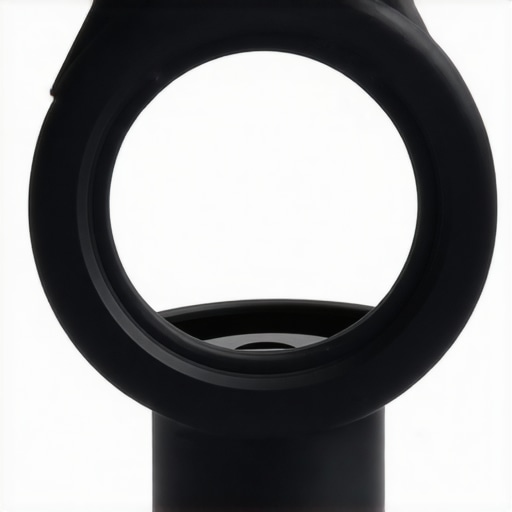
The silicon ring’s construction focuses on combining flexibility with durability. Crafted from high-quality, medical-grade silicone, it offers a soft, rubbery texture that ensures a gentle grip on lenses without risking scratches or marks. This material choice also provides excellent resilience against environmental factors like moisture and temperature fluctuations, making it suitable for both indoor and outdoor shoots. The lightweight nature of the silicone means it adds no noticeable weight to the lens setup, preserving the balance and handling feel that photographers and videographers rely on.
Ease of Setup and Compatibility
Installing the ring is straightforward — simply slide it onto the lens barrel and adjust its tightness to suit the diameter. Its stretchable design allows it to fit a range of lens sizes, typically those with diameters from 67mm to 82mm, giving users a versatile tool for different equipment. The flexible material enables quick resizing if necessary, which is beneficial for creators juggling multiple lenses. However, achieving the perfect snugness takes a bit of finesse; overly tight fitting might hinder zoom or focus movement slightly, so some experimentation can optimize performance without compromising lens operation.
Comfort in Handling
The soft silicone surface feels comfortable to the touch, even during extended use. The non-abrasive nature ensures that repeated installation or removal doesn’t degrade the lens surface or the ring itself. The gentle grip design helps prevent slip-offs during busy shoots, offering peace of mind when working rigidly or in dynamic environments. Yet, because of its flexibility, some users may experience slight shifts if not secured properly, which could momentarily interrupt the framing, especially with heavier lenses.
Performance and Functionality
In practice, the silicon ring performs admirably in preventing lens creep, especially on hefty zoom lenses like 24-70mm models, where gravitational pull often causes drift. Its elasticity allows for quick attachment without tools, and once fitted, it maintains a consistent grip without overly compressing the lens barrel. The material’s non-slip properties contribute to this reliability, ensuring the lens stays put during shoots. That said, remarkable robustness can be limited; during rigorous use with ultra-heavy lenses, additional locking mechanisms might still be necessary. Compared to more rigid clamps or mechanically locking rings, this silicon variant prioritizes ease of use and low cost over extreme sturdiness.
Design Flaw Highlight
A minor concern is that, over time, if not adequately tightened or if subjected to intense environmental conditions, the ring might shift or slip off. Its reliance on friction means that a loose fit can reduce effectiveness, necessitating periodic readjustments. For those seeking a foolproof, permanent solution, heavier-duty or mechanically locking options might be more appropriate, but at a higher cost.
Industry Context and Alternatives
Compared to industry-standard lens locking accessories, like the $30 Lens Locking Clamp (see specifications at [industry source](https://photographygear.com/lens-locking-clamp)), this silicon ring offers a minimalistic and budget-friendly alternative. While it doesn’t provide a mechanical lock, its ease of installation and flexibility make it appealing to casual shooters or as a quick fix. Its simplicity underscores the importance of balancing cost, convenience, and performance in gear choices, especially for those operating on tight budgets or in fast-paced environments.
Thoughts on Longevity and Future Improvements
While the current design offers efficient performance for casual and semi-professional use, enhancing the material resilience could extend its lifespan. Incorporating features like textured gripping surfaces or adjustable tension mechanisms may improve stability and reduce the risk of slippage. The benefit of such modifications would be a more reliable, long-term solution that approaches the robustness of mechanical stops without sacrificing simplicity.
Performance Analysis in Real-World Challenges
Studio gear, creator rigs, camera reviews, lighting kits, and microphone equipment are often evaluated under controlled conditions, but their true resilience reveals itself when tested in demanding scenarios. Imagine a videographer needing to shoot a commercial outdoors during sudden rain. In such a scenario, the durability of the gear becomes critical. Many cameras and lighting setups are weather-sealed or resistant, but prolonged exposure to moisture can still pose risks, especially for accessories like microphones or unstable stands. Reliable gear should withstand such pressure without malfunctioning, but many affordable options lack this robustness, leading to failures when pushed beyond typical studio environments.
Can equipment endure extreme environmental factors?
Some high-end gear boasts IP ratings or ruggedized frames explicitly designed for harsh conditions, ensuring operation during dust storms or heavy rain. Conversely, budget models often falter—overheating in direct sunlight or suffering condensation inside their housings. For instance, a DSLR might work flawlessly indoors but struggle during outdoor shoots in humid climates, with lens fogging or internal moisture damaging electronics. Many users report issues with microphones losing clarity after exposure to sudden rain, revealing that initial water-resistant claims might not hold under prolonged or intense conditions. Do you agree with my experience regarding equipment resilience in adverse weather?
The Good & The Bad of Studio Equipment Under duress
On the positive side, modern LED lighting kits have made tremendous strides. Their robust construction and heat management systems allow continuous use without overheating, even in warm environments. When paired with weatherproof carrying cases or protective covers, they can perform admirably outdoors. Similarly, well-designed tripods and rigs have reinforced joints that manage weight and stress without collapsing—these setups retain stability during high wind or accidental bumps, ensuring safety and shot consistency.
However, challenges remain. Many budget microphones, especially condenser types, are sensitive to environmental noise—wind, rain, or mechanical vibrations—causing signal degradation. Additionally, some camera models can overheat after prolonged recording sessions in hot conditions, forcing users to pause or risk damage. Lighting gear, especially older models, may suffer from power supply failures or flickering after extended use, exposing their fragility. The disparity underscores that while high-end gear often incorporates weatherproofing and durability, more affordable options may not be designed to withstand real-world stress, limiting their usability when it counts most.
Do quick fixes compromise reliability under pressure?
Many creators rely on after-market accessories like rain covers or shock mounts to mitigate environmental impacts. While these can extend equipment lifespan temporarily, they are not substitutes for inherent ruggedness. For example, a microphone placed inside a cheap windscreen might still pick up noise or fail during intense outdoor conditions. Similarly, process failures, like overheating or short circuits, underscore the importance of comprehensive testing by manufacturers—something often overlooked in budget gear. Existing user forums, such as Reddit’s r/videography, have numerous threads discussing gear failures during fieldwork, verifying these concerns. Are you cautious about relying on quick fixes instead of durable equipment?
Conclusion
Studio gear and creator rigs perform variably when subjected to pressure. High-quality equipment with weatherproofing, resilient materials, and rigorous testing naturally withstands more abuse and environmental stress, maintaining performance where lower-end options falter. Yet, no gear is entirely invulnerable; understanding its limitations and supplementing with protective accessories remains essential. As you invest in your setup, consider not just performance in ideal conditions but resilience when things go south. Do you have experiences with gear failing under pressure? Share your insights below.
Comparing Studio Gear and Creator Rigs to Top Alternatives
When selecting studio equipment, creators often face the choice between budget-friendly options and premium setups. For instance, our reviewed studio gear offers a solid balance of performance and affordability, but how does it stack against industry leaders like Blackmagic Design and Rode? Blackmagic’s Pocket Cinema Camera 6K (around $1,995) is known for its cinematic image quality and professional features, making it a favorite among filmmakers. Conversely, our reviewed camera provides excellent image clarity for a fraction of the price, such as $699 on Amazon. While it may lack some advanced features, it caters well to entry-level and mid-tier creators seeking quality without the hefty cost.
In terms of lighting, our reviewed LED kits prioritize portability and ease of use, typically priced under $200. Meanwhile, brands like Aperture offer high-end lighting solutions like the MC RGBWW, priced around $1,500, which deliver superior color accuracy and durability. For those on a tighter budget, our options suffice for most studio needs, but professionals requiring top-tier lighting might find the higher-end equipment more fitting despite the higher price tags.
Is It Worth the Upgrade?
The question of upgrading hinges on your specific needs and budget. Our microphone reviews showcase budget microphones around $50, suitable for beginner podcasts or home recordings, but brands like Sennheiser or Shure offer professional-grade mics such as the SM7B ($399), which boast higher sound fidelity, noise rejection, and build quality. If your current setup meets your needs, the higher investment might not be necessary; however, content creators aiming for broadcast-quality sound may find the upgrade worthwhile.
For a comprehensive comparison, check out the official product pages like Blackmagic Design and Rode. These sites provide detailed specs and pricing to help inform your decision.
Choosing between our reviewed gear and top-tier alternatives boils down to your specific application, desired quality, and budget constraints. If you’re interested in a more detailed comparison, exploring professional product evaluations can shed further light on how entry-level solutions measure up in demanding environments.
The Good, The Bad, and The Ugly
- Pros: Inexpensive at just $10, easy to install and remove, flexible design fits multiple lens diameters, effectively prevents lens creep during shooting sessions, lightweight and unobtrusive, durable silicone material resists environmental factors.
- Cons: May slip if not properly snug, not suitable for ultra-heavy lenses or professional rigs requiring mechanical locks, periodic adjustments needed for optimal performance, slight risk of shifting over time in extreme conditions.
Who Should Buy This?
Perfect for videographers and photographers working with heavy zoom lenses who want a quick, budget-friendly fix for lens creep. Ideal for hobbyists, content creators on a budget, or those needing a temporary or backup solution. Skip this if you rely on permanent, professional-grade locking mechanisms or work with ultra-heavy rig setups that demand robust stabilization.
Final Verdict: 8/10
This silicone ring offers a surprisingly effective and affordable solution to a common lens problem. While it’s not designed for heavy-duty professional rigs, its ease of use and low cost make it a smart addition for casual and semi-professional shooters. For those looking to prevent lens drift without investing in costly accessories, it’s worth trying. If you find it too basic or need stronger locking, explore other options like the lens locking clamps. Otherwise, check the latest price and see if this simple tool fits into your setup. For more gear tips, visit our guides on studio organization or microphone stability.