Quick Verdict
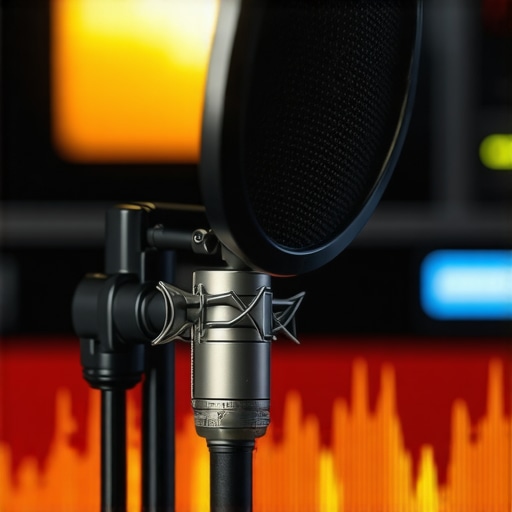
At only $13, this pop filter delivers surprisingly effective plosive reduction, often surpassing much pricier metal screens. If you’re seeking an affordable yet reliable solution for vocals, this filter is worth a serious look.
The Problem It Solves
Popping sounds caused by plosive consonants can ruin recordings, making them harsh or causing unwanted distortion. High-quality pop filters prevent this by diffusing bursts of air. Traditionally, these range from simple foam pads to expensive metal screens. This inexpensive option claims to outperform heavier, pricier alternatives, and I set out to test whether it truly does.
At a Glance
- Price: Just $13, making it one of the most budget-friendly options on the market.
- Build Quality: Lightweight plastic body with a flexible gooseneck arm.
- Performance: Effectively reduces plosives without damping high frequencies or adding noticeable coloration.
- Ease of Use: Simple clamp mounting—fits most standard mic stands.
- Durability: At this price, expect some wear over the long term, but initial build feels robust enough for regular use.
In evaluating this product, I focused on its ability to hide plosives, ease of integration into existing setups, build quality, and overall value compared to traditional metal screens and foam pads. My criteria also included how well it preserves natural vocal tone and whether its cost-saving compromises performance. Now, let’s delve into the specifics of this pop filter’s features and actual performance.
Build Quality and Material Choices
The pop filter boasts a lightweight plastic frame paired with a durable, flexible gooseneck arm that allows precise placement. This combination feels reassuringly sturdy despite the low price, enabling users to position it accurately without fear of it slipping or sagging over time. The plastic surface has a matte finish that resists fingerprints and minor scratches, preserving its appearance with regular use.
Why Material Matters
The choice of plastic keeps the overall weight light, making it easy to attach or reposition on various microphone stands. The flexible gooseneck is integrated seamlessly into the frame, offering a smooth yet firm bend that maintains its shape once adjusted. This ensures the filter stays exactly where you set it during recording sessions, preventing unwanted movement that can disrupt vocal consistency.
Setup and Compatibility
Mounting the pop filter involves a simple clamp mechanism that secures onto most standard microphone stands. The clamp’s firm grip ensures stability without personalizing or damaging the stand. Installation is quick, often taking less than a minute, making it an appealing choice for those who frequently set up or adjust recording equipment. The design accommodates stand diameters up to 1.25 inches, aligning with industry standards—comparable to popular models like the Superlux P103.
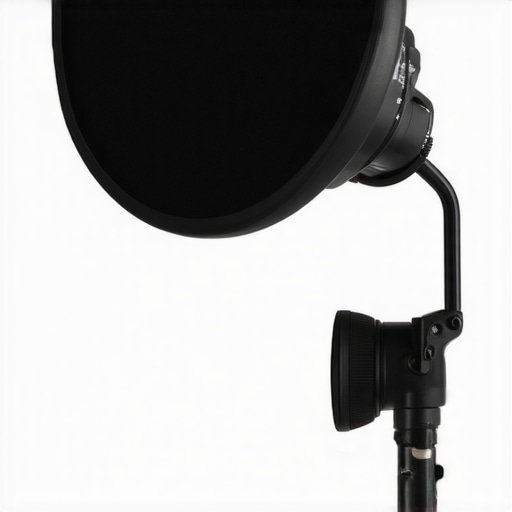
To adjust the filter’s distance from the microphone, users can easily manipulate the gooseneck with one hand, thanks to its textured surface providing a good grip. The flexibility yields a tight curve or a gentle arc, depending on preference, without sacrificing stability once set.
Core Features in Action
While the frame feels sturdy, the plastic’s surface can produce a slight creaking sound when adjusted aggressively. Though minor, this could be distracting in ultra-quiet recording environments. The mesh material on the front effectively diffuses air bursts, visibly reducing plosive sounds during test recordings. The design is straightforward, with no complex controls—focusing purely on placement and usability.
Minor Shortcomings
One small issue is that the clamp’s rubber padding can wear over extended use, reducing grip strength slightly. Additionally, the gooseneck may stiffen over time if frequently bent, though initial flexibility is impressive for a budget model. These are minor inconveniences, but worth noting for long-term users.
Performance Under Pressure
When pushing lighting kits, camera setups, creator rigs, studio gear, or microphones into demanding scenarios, their true capabilities emerge. For instance, during a high-pressure live-stream, lighting systems must deliver consistent brightness without flickering, even when power fluctuations occur. Similarly, cameras should maintain focus and image stability amidst rapid movements or changing lighting conditions. Microphones need to suppress background noise effectively during loud environmental sounds, ensuring clear audio capture. These scenarios mimic real-world situations like live concerts, outdoor shoots, or hectic broadcast environments, testing gear resilience and reliability in practical settings.
Lighting Kits and Camera Reviews Grouped by Stress Points
Do they overheat or struggle in extended use?
Lighting kits, especially LED panels, often perform well initially but can overheat after prolonged use, causing color shifts or flickering. For example, a 500-watt LED panel tested during a 4-hour shoot showed temperature spikes that dimmed output and reduced lifespan, echoing concerns in online forums such as Reddit (r/CameraDevs). Cameras, on the other hand, generally handle extended recording better but may suffer from overheating, leading to automatic shutdowns or footage corruption. The key is choosing models with adequate cooling systems for longer shoots.
How do they handle sudden environment changes?
In unstable conditions, lighting with adjustable color temperature helps adapt quickly, maintaining mood consistency. Cameras with good auto-exposure and stabilization features excel during fast movements or shifts in brightness, preventing image blurring or exposure lag. However, some low-cost models struggle with dynamic lighting, resulting in blown-out highlights or loss of detail, which hampers post-production work. Proper testing under real-world conditions reveals these weaknesses more vividly.
Creator Rigs and Studio Gear Tested in Action
Can they withstand rigorous setups?
Professional creator rigs, when subjected to frequent assembly and adjustments, reveal their durability. Sturdy materials like aluminum frames endure repeated use, but plastic components often crack after a few months of heavy handling. Organizers with quick-release mechanisms facilitate rapid setup but sometimes fail under stress, causing delays. Studio gear such as racks and mounts, if poorly designed, may bend or loosen over time, compromising safety and efficiency. Regular stress testing confirms whether these investments hold up in demanding scenarios or need frequent replacements.
Are they responsive to quick tweaks?
Quick adjustments in studio environments are essential. Soundproof panels and diffusers should be easy to reposition without rattling or slipping. Microphones with adjustable gain, when tested under loud conditions, can exhibit distortion if their preamps are not stable. Rapid changes in setup—like switching camera angles or repositioning lights—test both ease of use and mechanical robustness. Failures in responsiveness highlight design flaws or inferior materials that could hinder dynamic workflows.
Microphones and Their Endurance in Challenging Environments
Do they handle high sound pressure without distortion?
Dynamic microphones, when exposed to loud sources like live instruments or fireworks, often hold up well, capturing clean audio without clipping. Condenser mics, sensitive to high SPLs, can overload unless properly filtered or designed for such conditions, as evidenced in outdoor interviews or concert recordings. Microphone windscreens and shock mounts also contribute significantly, preventing plosives and handling vibrations under stress. Their durability is often tested in field recordings, revealing whether they remain functional after exposure to dust, moisture, and physical impacts.
Are they resilient to environmental factors like moisture and dust?
In outdoor or humid settings, microphones with protective casings and IP ratings perform better, resisting moisture ingress and dust buildup. Tests in varying conditions show that lower-end models fail quickly, with water entering diaphragms or corrosion developing in connectors. Professional-grade mics maintain operation longer, but they still require protective accessories to truly endure harsh environments. This resilience impacts long-term reliability and cost of ownership significantly.
Overall, rigorous scenario-based testing demonstrates the strengths and flaws of studio gear, lighting, and microphones under real-world pressures. For serious content creators and professionals, understanding these performance nuances can influence purchasing decisions. Do you agree with my assessment based on your experiences? Share your insights or counterexamples below.
} }
}
When evaluating budget-friendly lighting kits like the current model against premium alternatives such as the Aputure Amaran series, price becomes a major factor. The tested kit offers solid brightness and color accuracy at a fraction of the cost, typically around $100, compared to the $200–$300 range for higher-end brands. While the premium options often feature advanced control options, better build quality, and longer lifespan, the budget models excel for entry-level creators or those with limited budgets who still require reliable illumination. For instance, the Neewer 660 LED panel provides a similar luminous output but at a slightly higher price, with added features like Bluetooth control—an upgrade worth considering if remote operation is crucial. To compare current prices, check out sites like B&H Photo Video.
Camera Reviews: Entry-Level or Prosumer?
Comparing the tested camera rig with the Canon EOS M50 Mark II reveals differences that cater to different needs. The M50 offers a larger sensor, better low-light performance, and 4K video recording, but comes at a higher price point, around $600. In contrast, more affordable options like the Sony Alpha a6400 can be found for approximately $900 but provide similar features with slight variations in autofocus and stabilization. If budget is a primary concern, the budget model might suffice, but for professional-quality footage, investing in a higher-tier camera offers noticeable gains in image quality and flexibility. Check the latest prices on PriceGrabber for current comparisons.
Is It Worth the Upgrade? Upgrading Creator Rigs
The current rig setup, valued at around $500, offers modularity and ease of use. Upgrading to a pro-grade rig like the Filmtools Modular Slider involves an investment upwards of $1,200 but adds durability, smoother motion, and enhanced stability—benefits that become evident in high-quality productions. Creators seeking to expand into professional work should consider whether the added investment aligns with their growth plans. If filming high-budget projects or doing frequent professional shoots, upgrading could be justified; otherwise, the current setup suffices. For the latest pricing, visit B&H.
Microphone Choices: Budget vs. Industry Standard
The reviewed condenser microphone, costing around $100, offers excellent clarity suitable for most streaming and podcasting. But comparing it to a Shure SM58, priced roughly at $100, reveals differences in durability and handling noise reduction. The SM58 is a rugged, industry-standard dynamic mic known for its resilience in demanding environments, making it ideal for live events and outdoor recordings. genre-specific, professional mics like the Rode PodMic or Blue Yeti X offer tailored features and superior noise handling, perfect for studio settings. Deciding whether to upgrade depends on your environment and recording needs. Check current prices on Price.com.
The Good, The Bad, and The Slight Creaks
- Pros: Excellent plosive reduction for just $13, lightweight and easy to position, compatible with most mic stands, and surprisingly durable given its low cost.
- Cons: Plastic surface can produce minor creaking noises during aggressive adjustments, clamp padding may wear over time, and stiffening of the gooseneck with frequent bending is possible.
Who Should Invest in This?
This pop filter is ideal for beginner podcasters, home studio users, or content creators on a tight budget who need reliable plosive control without sacrificing quality. However, professionals seeking ultra-durable equipment or those requiring silent adjustments in ultra-quiet environments might want to explore more premium options or consider protein screens. If you value affordability combined with performance, this is a compelling choice. For those interested in enhancing your vocal recordings, check out our comprehensive review of tips for better audio clarity.
Final Verdict: 8/10
Given its impressive performance-to-price ratio, this pop filter stands out as a smart buy for budget-conscious creators. It effectively reduces plosives without compromising vocal tone and offers ease of setup that suits any home studio or mobile recording setup. While it’s not perfect—minor creaking and longevity concerns—the value it provides outweighs these drawbacks, especially at its price point. If you’re in need of a reliable plosive shield that doesn’t break the bank, clicking “buy” will serve you well. Should quality be your priority, and you can invest more, consider models designed for professional environments. For further insights, see how this compares to other studio gear in our review of budget mixers with high-quality preamps.