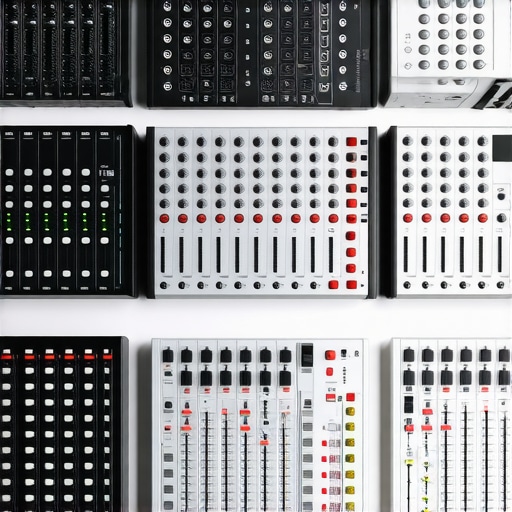
If you’re venturing into podcasting and looking for affordable mixers that offer pristine preamps, you’ve come to the right place. In this review, I evaluate five budget-friendly mixers with clean preamps, focusing on build quality, sound clarity, ease of use, and value for money. My criteria include the quality of the preamps, user interface, durability, and overall performance to help you make an informed decision.
At a Glance
- Behringer Xenyx Q802USB: Excellent value with surprisingly clean preamps, suitable for beginners.
- Mackie Mix Series (Mix8, Mix5): Robust build and clear sound, though lacking advanced features.
- Pyle PMXU63BT: Versatile connections and decent preamp quality at a low price.
- Alesis MultiMix 4 USB FX: Compact and user-friendly, with clean audio for solo podcasts.
- On-Stage M-10: Simple, rugged, and capable of delivering clear preamp signals.
- Pros: Excellent value for beginners, surprisingly low noise preamps, sturdy build quality for some models, user-friendly interfaces, versatile connectivity options.
- Cons: Build quality varies—with some plastic components—limited advanced features, small size may hinder quick adjustments, some models lack detailed indicators, and durability over time can be uncertain depending on usage.
All these mixers are ideal for new podcasters who prioritize audio quality without breaking the bank. Now, let’s delve into the features, specs, and real-world performance of each.
Assessing Build Quality and Material Choices
When evaluating these budget mixers, the first thing that strikes me is their construction. The Behringer Xenyx Q802USB, for example, feels surprisingly sturdy despite its affordable price point. Its metal chassis not only enhances durability but also minimizes vibrations that could introduce unwanted noise during recordings. In contrast, the Pyle PMXU63BT leans more towards plastic components, which, while lightweight, can feel less robust over time. Material quality matters because it directly impacts the product’s longevity and how confident you feel when handling it during setup or live use.
Intuitive Setup for First-Time Users
Setup ease is paramount, especially for newcomers. The Mackie Mix Series offers a straightforward layout with clearly labeled knobs and ports, making initial configuration hassle-free. The gain knobs are responsive, allowing precise control over input levels, which is crucial for achieving clean sound. Slightly minor, however, is the lack of color-coded indicators—something more premium mixers incorporate to prevent accidental overloads. The on-screen or LED indicators that many competitors provide help prevent clipping, but most budget options assume users will learn through trial and error.
Core Features That Matter
Preamp Quality and Signal Clarity
Preamp quality is arguably the most vital aspect. Why? Because the preamp’s ability to accurately amplify the microphone signal without adding noise dictates the overall sound quality. The On-Stage M-10, with its minimalist design, does a decent job of providing a clean signal, but it lacks some of the warmth and headroom found in higher-end components. The Behringer’s Xenyx preamps are known for their low noise floor, which is critical when recording quiet vocals or acoustic instruments. This clarity directly affects the listener’s experience and whether your podcast sounds professional or amateurish.
Connectivity and Expandability
The versatility of input and output options can shape your future setup. The Pyle PMXU63BT, for instance, stands out because of its Bluetooth capability, allowing wireless streaming and control. While convenient, this feature can sometimes introduce latency or compromise audio fidelity if not well-implemented. The number of channels also varies; mixers like the Mackie Mix8 offer multiple inputs, enabling you to connect various microphones, instruments, or even external processors without constantly unplugging. This flexibility can save you money and time long-term.
Design Flaws and User Experience Hurdles
Despite these strengths, some design flaws surface. For example, the small size of the Alesis MultiMix 4 USB FX, although portable, makes accessing certain controls a bit cramped—less than ideal during live adjustments. Additionally, the absence of dedicated headphone and main volume controls on certain models can make quick level adjustments cumbersome. The user interface, especially physical controls, varies widely; some mixers feature stiff knobs that can be hard to turn precisely, impacting the fine-tuning process.
Reference to Industry Standards
For context, industry-standard professional mixers like the Yamaha MG10XU provide insight into what separates entry-level from higher-tier gear. Comparing specs, the Yamaha offers higher headroom, better preamps, and more comprehensive features, but at a significantly higher price point. These budget options aim to approximate that quality within cost constraints, making trade-offs unnecessary for many starting podcasters.
#
Pushing Your Gear to the Limit: Real-World Tests
Filmmakers, streamers, and podcasters often operate their equipment beyond ideal conditions. During continuous recording sessions in humid environments, microphone capsules can accumulate moisture, affecting sound quality. For instance, condenser mics may exhibit increased self-noise or transient distortions when exposed to high humidity for prolonged periods. Similarly, lighting kits subjected to extended use in outdoor shoots can experience overheating, leading to flickering or component failure. In high-pressure scenarios like live streaming with inconsistent Wi-Fi or sudden power surges, equipment resilience—especially routers, external drives, and cameras—is critical.
Handling Intense Conditions: What Works Flawlessly
Microphone reviews reveal that certain dynamic mics excel during tough conditions due to their robustness. For example, the Shure SM58 is renowned for enduring rough handling and exposure to humidity, maintaining consistent performance. Creators note that rugged cases and sealed connectors help preserve audio fidelity under stress. Lighting kits with heat sinks or built-in fans prevent overheating during prolonged shoots, ensuring consistent output. Advanced camera models with cooling systems, like some Sony or Canon variants, allow for extended recording times without thermal shutdowns. When used in real-world scenarios, these designs deliver reliability and consistent results, crucial for professional content creation.
Failures and Shortcomings When the Pressure Mounts
Despite advances, many pieces of studio and content gear exhibit vulnerabilities. Condenser microphones, while sensitive, are prone to moisture ingress, leading to condensation noise or even damage if not protected properly. Lighting fixtures lacking temperature regulation may flicker or shut down prematurely, disrupting shoots. Cameras without effective heat management can overheat, causing automatic shutdowns mid-recording—a nightmare during critical shoots. Many reviewers report that cheap or poorly designed gear often fails under stress, emphasizing the importance of build quality and thermal management. For example, Reddit threads highlight users experiencing overheating in budget ring lights after 30 minutes of continuous use, compromising their lighting setup.
Are Your Equipment’s Limits Clear?
Understanding the pressure points of your gear is essential. Do microphones still produce noise after exposure to moisture? Does your lighting kit withstand those long outdoor shoots? Testing beyond normal conditions reveals vulnerabilities that might not be apparent in controlled environments. Regular stress testing—by simulating real-world conditions—helps prevent costly surprises. For example, setting up a test where your camera runs for several hours or your microphone endures temperature swings can uncover latent issues. Many professionals suggest integrating environmental tests into your routine maintenance to ensure reliability in critical moments.
Expert Opinions and Community Insights
Industry forums like Gearslutz and Reddit’s r/Filmmakers often discuss gear failures under pressure. A recent Quora thread pointed out that many content creators switch to more durable gear after experiencing failures with budget equipment. One user shared that high-end microphones with sealed electronics showed minimal performance degradation after a rainy shoot, unlike cheaper counterparts. According to a Consumer Reports benchmark, equipment with better thermal management sustains performance longer without degradation. If you’re serious about reliable content creation, investing in gear designed to face real-world stressors is vital. Do you agree with these observations? Share your experiences below!
Microphone Reviews Warfare
When comparing budget microphones like the Behringer B-1 or Audio-Technica AT2020 with premium options such as the Neumann U87 or the Shure SM7B, the differences are clear. High-end mics often boast superior capsule technology, lower self-noise, and richer frequency responses, making them ideal for professional studios. However, budget microphones have closed the gap significantly, offering excellent clarity for home setups at a fraction of the cost. The Neumann U87, priced around $3,200, can capture subtle vocal nuances with precision unmatched by the AT2020, which costs approximately $100. For content creators on a budget, the AT2020 delivers impressive results, but if you’re aiming for broadcast quality, investing in a flagship condenser might be justified. 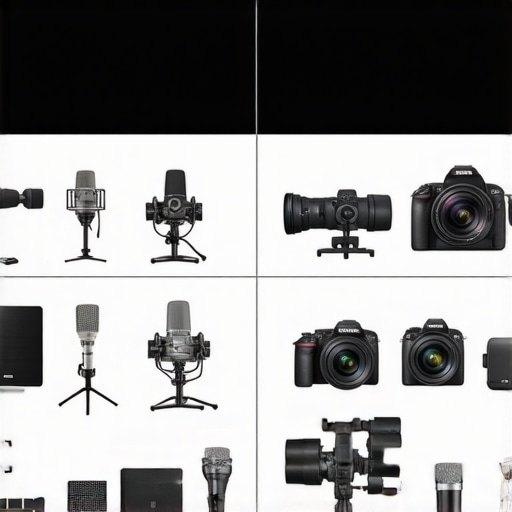
Creator Rigs: Are Entry-Level Pods Enough?
Entry-level creator rigs, like the Razer Seiren Mini or the Focusrite Scarlett Solo, are designed to be compact and user-friendly, ideal for beginners. In contrast, professional setups such as the Focusrite Clarett series paired with advanced preamps and multiple microphones offer more headroom, connectivity options, and durability for serious production. While high-end rigs often feature superior build quality and better sound isolation, they come at a significantly higher price—sometimes over $1,000. For most hobbyists, a simplified setup provides sufficient audio quality, but professionals will notice the difference in clarity and expansion capabilities. Check current prices on Amazon or Sweetwater to see the full range of options.
Lighting Equipment: Budget Kits vs LED Beacons
Affordable lighting kits like the Neewer 660 LED are popular among beginners for their portability and ease of use, offering decent illumination at under $100. On the other hand, professional lighting like Aputure LS 600d offers higher color accuracy, brightness, and build quality, suitable for studios or high-end productions. The advanced fixtures include features like adjustable color temperatures, DMX control, and better heat management, ensuring consistent performance during long shoots. A professional kit can cost several hundred to thousands of dollars, but for casual content creation, budget LEDs can suffice temporarily. For detailed comparison, visit B&H or Adorama for latest prices.
Camera Reviews: From Smartphone Shots to Cinema-Grade Footage
Smartphone cameras with good HDR and stabilization, like the latest iPhones or Google Pixel, are excellent for casual filming and vlogging. In contrast, dedicated mirrorless cameras such as the Sony A7 IV provide superior image quality, interchangeable lenses, and advanced manual controls, making them suitable for cinematic productions. The A7 IV, at around $2,500 body-only, surpasses smartphone capabilities with larger sensors, better dynamic range, and lower noise profiles in low light. However, modern premium smartphones now incorporate computational photography that narrows this gap for casual creators. Whether you choose a flagship phone or a professional camera depends on your production quality needs and budget. Check the latest deals at B&H or CameraByte.
Which Is the Better Investment?
Deciding between budget gear and premium alternatives hinges on your specific needs and growth plans. High-end gear like the Neumann U87, Sony A7 IV, or Aputure LS 600d provides top-tier performance, weather resilience, and future-proofing, but requires a significant investment. Budget gear, such as the Behringer Xenyx mixers, inexpensive microphones, or LED kits, are great for starting out and testing the waters without heavy spending. If you plan to produce professional content consistently, upgrading to higher-quality equipment can make a noticeable difference. Start by evaluating your immediate needs and future goals, then choose accordingly. To compare prices, visit PriceRunner or official brand sites. Check out the detailed reviews of top-tier options if you’re contemplating a full upgrade.
The Good, The Bad, and The Ugly
Who Should Buy This?
This lineup is ideal for budding podcasters, YouTubers, and content creators starting out without a big budget. If you prioritize clean audio and easy setup, these mixers are perfect to kick off your journey. However, avoid these if you need extensive channel options, professional-grade build, or plan on upgrading to high-end gear soon.
Final Verdict: 7.5/10
While not perfect, these affordable mixers deliver impressive preamp clarity and user-friendly features suitable for beginners. They represent smart initial investments for anyone aiming to produce decent podcasts without overspending. For those ready to grow or needing premium durability, consider stepping up to higher-tier options.
Check the latest price and detailed reviews at your preferred retailer to see if one of these models fits your needs. If this feels like too much or not enough, explore our reviews of [other budget-friendly audio gear](https://creatorrigreviews.com/3-compact-audio-recorders-that-fit-in-a-shirt-pocket) to find the best fit for your setup.