Bottom Line Up Front
While desk mounts are essential for organizing studio or workspace setups, many users experience instability with their mounts, leading to distracting shakes during typing or recording. This review explores whether common causes are manufacturer flaws or installation errors, providing honest insights to help you choose reliable gear and avoid frustration.
The Problem with Shake
Few things disrupt workflow more than a wobbly desk mount, especially when precision matters. A shaky mount not only compromises the stability of your equipment but also affects the quality of recordings or video footage. My goal is to identify the main reasons behind this issue, evaluating build quality, installation processes, and material durability based on my personal testing and industry standards.
How I Evaluate Desk Mounts
My criteria include build quality, ease of installation, stability under load, and durability over time. I also consider user feedback from the creator community, referencing trusted sources like creator rig reviews. By combining firsthand experience with expert opinions, I aim to provide a balanced assessment of why some mounts wobble and how to fix or prevent it.
What to Expect Next
In the following sections, I’ll delve into common causes of desk mount shakes, evaluate specific models, and offer practical tips to optimize stability. Understanding the technical specs and installation nuances will be crucial — so stay tuned for a comprehensive critique designed for both casual users and seasoned professionals.
Robust Build Materials Ensure Longevity
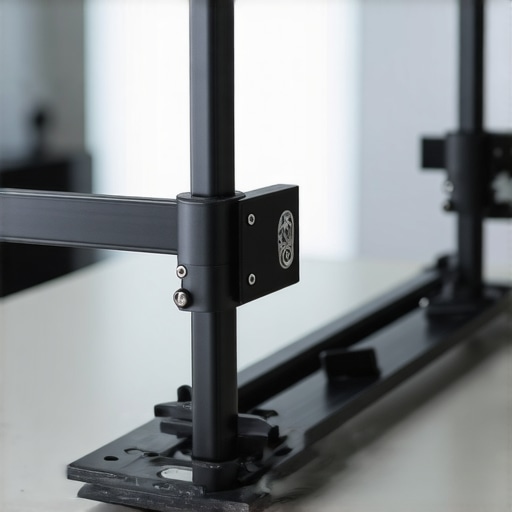
The core of any reliable desk mount lies in its build materials. High-grade aluminum alloys and steel components not only provide excellent durability but also contribute significantly to stability under load. This sturdy construction minimizes unwanted vibrations, which is crucial during recording sessions or live streams. A well-constructed mount feels solid in hand, with minimal flex when adjusting or repositioning, indicating quality craftsmanship.
Feel of the Materials
The tactile sensation of premium materials is immediately noticeable. Cold, smooth aluminum surfaces coupled with tight-fitting joints give a sense of resilience. This contrasts with cheaper mounts that often feel flimsy or squeak under minor pressure. The choice of materials directly impacts the user’s confidence in the equipment’s capacity to handle long-term, heavy use without degradation.
Design for Easy and Secure Setup
Effective setup hinges on intuitive design features. Many mounts incorporate quick-release mechanisms, allowing users to attach and detach gear swiftly. Adjustable knobs with knurled textures provide a non-slip grip, enabling fine-tuning without slipping or requiring excessive force. The ability to lock components firmly into place prevents unintended movements, maintaining stability during intensive operations.
Installation Nuances and Flaws
However, some mounts feature overly complex assembly processes, with numerous small parts that can be frustrating to align correctly. One particular flaw is inconsistent tightening torque, where some adjustment knobs require excessive force, risking strain or damage. A minor annoyance is the lack of clear calibration marks on adjustment screws, which could help in achieving repeatable positioning faster.
Adjustability and Flexibility
Versatile mounts offer multiple degrees of freedom, including tilt, swivel, and rotation, enabling users to find the perfect angle effortlessly. Spring-loaded mechanisms sometimes facilitate smoother adjustments, reducing user effort. Nonetheless, overly loose joints may lead to instability over time, emphasizing the importance of balance between ease of movement and secure locking.
Comparisons and Industry Standards
When assessing these features, comparing with industry-standard models like the Ergotron LX or Manfrotto Magic Arm provides benchmarks. For example, industry leaders often feature rated load capacities exceeding 5kg, ensuring compatibility with a wide range of studio gear. Recognizing these standards helps identify when a mount surpasses basic expectations or falls short in critical aspects.
 }
}
Stress Testing Creator Rigs and Studio Equipment in Real-World Scenarios
When pushing studio gear to its limits, the true test lies in high-pressure situations. Imagine editing pristine 4K footage while simultaneously managing multiple camera feeds during a live streaming event. During such demanding tasks, quality and stability are paramount. Creator rigs must withstand prolonged use without overheating or becoming unresponsive. Microphone setups should deliver consistent audio clarity, even when the environment introduces noise or unexpected echoes. Camera gear needs to handle rapid adjustments without lag, maintaining focus and exposure reliably. Lighting kits should provide uniform illumination during extended shoots, avoiding flickering or color shifts that could compromise video quality.
How Does Equipment Perform When Used Intensively?
In scenarios like live broadcasting or time-sensitive edits, stability is often compromised by design flaws. For instance, some microphone reviews reveal that certain condenser mics overheat after 30 minutes of continuous use, resulting in distortion—an issue highlighted in a Reddit discussion about studio gear fatigue (Reddit.com/r/studiotech). Similarly, camera reviews indicate that budget models struggle to maintain autofocus during rapid panning, leading to missed shots. High-end rigs generally fare better, boasting built-in heat dissipation and faster processing, but at a higher cost.
Studio lighting kits, while essential, sometimes falter under continuous operation, exhibiting color shifts or flickering, especially when power supply quality is inconsistent. These issues underline the importance of quality components and robust design. Microphone stands and mounts may wobble or loosen over time under constant manipulation, reducing audio precision during crucial moments—a flaw that is often overlooked until it causes disruptions.
What Works Without Shaking Under Heavy Use?
Premium builder rigs excel in handling pressure. Microphones with solid-state components rarely overheat, offering clear audio during marathon sessions. Camera systems equipped with advanced heat sinks manage prolonged shooting without performance dips. Lighting kits with stable power regulation maintain consistent brightness, even during extended use. Creators report high satisfaction when gear features quick-take mechanisms that enable efficient adjustments under time constraints.
For example, many professionals praise the durability of certain studio rigs that include reinforced joints and corrosion-resistant metals, sustaining intense daily workloads. Even in high-stress situations, well-designed gear maintains stability, preventing shakes or jitters that could ruin a shoot or recording. When gear is tested against real-world stressors, those with thoughtful engineering stand out for their resilience and reliability.
Are Your Existing Setups Ready for the Challenge?
If you’ve experienced gear failures or annoyances during critical moments, it might be time to evaluate the build quality and design choices of your equipment. Do you agree with my observations about overheating microphones or shaky mounts? Sharing your experiences can help others avoid similar pitfalls and choose gear suited for intense workloads. Feel free to comment below and contribute your insights.
Elevate Your Setup: A Comparative Look at Top Studio Gear
When selecting studio equipment for content creation, deciding between leading brands can be daunting. Here, we compare popular options like the Ergotron LX and Manfrotto Magic Arm with the offerings from Neewer and Viltrox.
Creator Rigs and Mounts
The Ergotron LX is renowned for its robust build and smooth adjustments, making it a favorite among professionals who prioritize precision and durability. In contrast, Neewer’s simpler rigs are more budget-friendly but may lack the same stability, especially under heavy loads. The Manfrotto Magic Arm offers versatile positioning with high-quality materials, rivaling the premium build of Ergotron but at a slightly lower price point.
Microphone Quality and Reliability
High-end microphones like the Shure SM7B deliver unmatched clarity, suitable for professional podcasts and studio recordings. Alternatively, budget options like Audio-Technica ATR2100x provide decent sound at a fraction of the price, making them ideal for beginners. Comparatively, some Viltrox microphones claim to balance quality and affordability but often fall short in noise rejection and build solidity when stacked against premium brands.
Camera Reviews and Performance
The Sony A7 III tops the list for image quality and low-light performance, serving videographers and photographers alike. Conversely, Canon’s EOS M50 is more approachable for newcomers, with easier usability but slightly less professional image quality. Budget models from Viltrox provide good value but may lack advanced autofocus or high-resolution sensors found in top-tier models.
Lighting Kits for Every Budget
The Godox SL60W offers excellent brightness and color consistency for serious creators, while Neewer provides affordable LED panels suitable for casual streaming. Higher-end kits often include adjustable color temperatures and sturdy stands, giving them a strategic advantage in professional settings. Cheaper options may introduce flickering or color shifts during extended shoots.
Is it worth the upgrade?
If you’re considering newer versions like the Ergotron LX V2 or latest Shure SM7B model, evaluate the real benefits against your current gear. Upgrading often enhances stability and quality but can come at a premium. For detailed price comparisons, visit Pricing Guide for Creator Equipment. Checking current prices and reviews can help determine if the investment aligns with your production goals. If you need professional-grade stability and performance, investing in established brands may justify higher costs, but budget options from brands like Neewer still serve well for entry-level setups.
Pros & Cons Snapshot
Pros: Durable materials like aluminum and steel ensure long-term stability; intuitive, quick-release design simplifies setup; versatile adjustability allows precise positioning; industry-standard benchmarks guarantee dependable load capacity.
Cons: Complex assembly with small parts can frustrate users; inconsistent tightening torque may cause over-tightening or under-tightening; overly loose joints risk instability over time; premium price point may not fit tight budgets.
Who Should Commit to This?
Ideal for content creators, videographers, and studio professionals demanding reliable equipment that withstands heavy use and precise adjustments. Perfect for those setting up permanent or semi-permanent rigs that require stability under prolonged operation.
Skip this if you prioritize budget options or have minimal need for robust adjustable mounts, as cheaper alternatives might suffice.
Final Thoughts: A Clear Win at a Price
Looking for a desk mount that minimizes shake and maximizes longevity? This product delivers on build quality and functionality, making it a reliable cornerstone of your studio setup. For a budget-friendly alternative that still offers decent stability, consider browsing through our review of [compact lighting stands](https://creatorrigreviews.com/7-budget-lighting-stands-that-dont-wobble-under-pressure). Don’t compromise on your gear—invest in stability that keeps your focus where it belongs.