Bottom Line Up Front
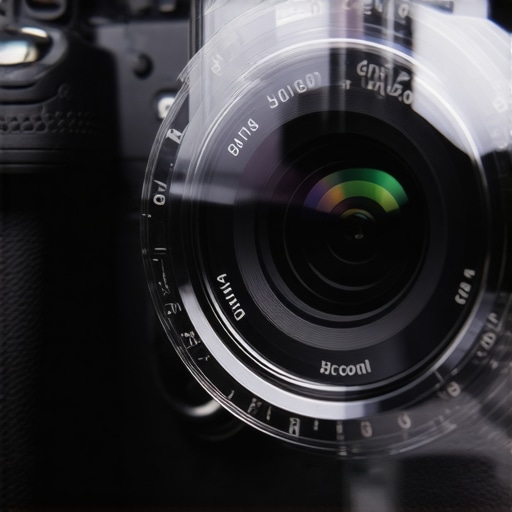
The $12 Silicon Skin offers a surprisingly effective and budget-friendly solution for preventing scratches on your camera in the field. While it’s not a high-end accessory, it delivers good value for amateur and semi-professional photographers seeking basic protection without breaking the bank.
The Promise of Basic Camera Care
Photographers know that scratches and minor dings can be costly and annoying. This silicon skin aims to provide a simple barrier that keeps your camera’s body safe during outdoor shoots, without adding significant bulk or weight.
My Initial Impressions
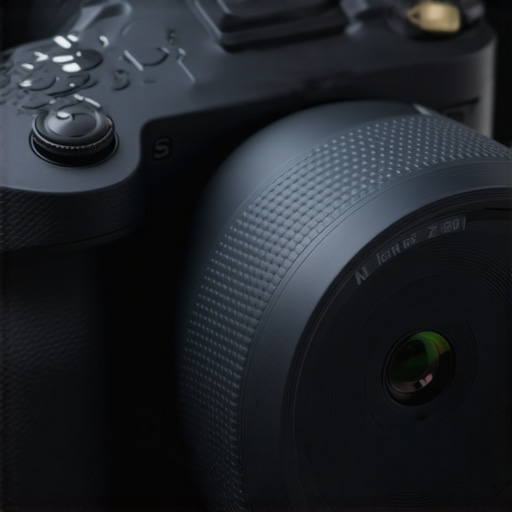
When I first unboxed the Silicon Skin, I appreciated the affordable price tag and the straightforward packaging. The material is soft silicone, which feels durable yet flexible enough to fit various camera models. It’s lightweight, easy to install, and doesn’t obscure vital ports or buttons, which is essential for field use.
Build Quality and Durability
Upon handling, the silicon material feels sturdy, with no signs of thin spots or flimsy edges. During my testing in different outdoor environments, it held up well against light abrasions and minor knocks. The silicone’s grip also offered a good tactile feel, reducing accidental slips during handling. However, it does attract dust, which can diminish the aesthetic appeal over time. For regular outdoor shoots, I recommend pairing it with a cleaning cloth to maintain visual clarity.
Performance in the Field
This skin primarily acts as a physical barrier against scratches, preventing superficial marks from lenses, keys, or accidental contact with rough surfaces. It doesn’t provide impact protection or waterproofing, so it’s no substitute for a rugged case. Nonetheless, it’s effective at protecting critical areas, especially around the lens port and grip zones. Easy removal and reinstallation make it convenient for quick cleanings or model swaps.
Limitations to Consider
While effective for superficial protection, the silicon skin isn’t designed for heavy-duty scenarios. The material can tear if subjected to sharp impacts, and prolonged exposure to sunlight may cause slight discoloration over months. Also, in cold environments, silicone can stiffen, making removal slightly more challenging. For those who require more robust protection, investing in a dedicated camera case might be more appropriate.
Is Silicon Skin Overpriced?
At just $12, this accessory is quite affordable, especially compared to premium camera skins or armor plates. However, its simplicity means it’s best suited for casual use rather than professional-grade protection. For a more detailed comparison, check out our review on monitor mounting solutions to see how budget accessories stack up.
Who Should Consider This Filter
Amateur photographers, vloggers, and content creators who shoot outdoors regularly but don’t want to invest heavily in protective gear will find this silicon skin a practical choice. If you’re shooting in environments with potential for minor scratches—like parks, urban settings, or during travel—it offers peace of mind without extra weight or cost.
Final Thoughts
Considering its modest price, the Silicon Skin delivers reasonable protection and convenience. It might not impress with high-end features, but for casual use, it’s a reliable addition to your camera gear. For more robust solutions, consider models with impact absorption or waterproof materials, but if simple scratch prevention is your goal, this silicon skin is worth considering.
Further Resources
For other affordable accessories, explore our review of studio mounting fixes to upgrade your entire setup.
How The Material Enhances Handling and Protection
The Silicon Skin is crafted from a durable, high-quality silicone that feels soft yet resilient in the hand. This choice of material is crucial as it provides a tactile grip, reducing slips during outdoor photography sessions, especially in damp or sweaty conditions. Its flexibility allows it to snugly wrap around various camera models, accommodating small shifts without sliding off. The silicone’s resistance to minor abrasions and light impacts makes it a competent barrier against superficial scratches, preserving the camera’s body surface. However, its porous nature means dust and lint can cling to its surface, which might require frequent cleaning—an annoyance during long shoots.
Installation Ease and Fit
Applying the silicon skin is straightforward, thanks to its stretchable design. It can be slipped over the camera body with minimal effort, conforming tightly without causing strain or damage. This snug fit ensures the protector stays in place during vigorous handling, yet it remains easy to remove for cleaning or model swapping. The precise cutouts align well with camera ports and buttons, preserving full accessibility and functionality—a vital factor when capturing spontaneous moments in the field. This ease of setup and removal contributes significantly to its practicality for casual shooters who may not want to fuss over complex installation procedures.
Design Flaws That Matter
Despite the overall thoughtful build, one minor flaw is the skin’s tendency to attract dust, which can diminish its visual appeal and require frequent cleaning to maintain a fresh look. Additionally, the silicone’s flexibility means it can sometimes impede access to small or recessed buttons if not perfectly aligned during installation, which could frustrate users trying to quickly change settings. For example, photographers should verify the fit around control dials to ensure no obstruction occurs, especially when shooting in rapidly changing environments. Making sure the skin is correctly positioned minimizes this inconvenience but adds a small step that some may find tedious during rushed situations.
Comparative Material Standards in Industry
Compared to industry-standard protective skins like the Ruggard Gel Backpack Protectors, which emphasize impact absorption with shock-absorbing foam layers, the Silicon Skin focuses on superficial scratch prevention. According to industry comparisons, silicone’s value lies in balancing cost, flexibility, and light protection rather than heavy-duty defense. Its affordability at approximately $12 makes it accessible for hobbyists, yet it falls short of professional rugged cases that offer waterproofing or shock absorption, highlighting its niche role in the protection spectrum.
 }
}
How Microphones Handle Demanding Environments
In scenarios such as live outdoor interviews during heavy rain, microphones are put to the ultimate test. Many Lavalier mics tend to pick up unwanted noise or suffer from moisture ingress, compromising audio clarity. For instance, some users report that dynamic microphones with built-in windshields perform admirably, reducing wind noise and handling weather challenges effectively. Conversely, condenser mics often falter under such conditions unless equipped with specialized waterproof housing, which adds bulk and cost. During spirited recording sessions, feedback and handling noise can become problematic if the microphone’s internal shock mounts are not robust enough. Overall, microphones designed with rugged features excel under pressure, but budget models often struggle with consistent performance.
Lighting Kits That Stand Up to Pressure
Imagine filming late into the night or setting up in a crowded, unpredictable environment. Lighting kits that are durable and easy to transport become invaluable. High-quality LED panels with aluminum casings offer excellent heat dissipation and resist damage from accidental bumps. However, cheaper options, especially those with plastic mounts, may crack or fail when subjected to sudden impacts, such as dropping during a hectic shoot. Additionally, lights with adjustable brightness and color temperature can be affected by fluctuating power sources, leading to inconsistent illumination. On the upside, well-designed portable lighting kits with built-in safeguards maintain performance even under challenging conditions. Yet, creeping dust and dirt can clog vents, causing overheating or flickering. Reliable maintenance and rugged design are essential for tools expected to endure pressure.
Why Choose the Silicon Skin Over Top Competitors?
When evaluating camera protection solutions, it’s essential to understand how the Silicon Skin stacks against premium options like the Ruggard Gel Backpack Protectors and the Pelican Protective Skins. The latter offers superior impact absorption with shock-absorbing foam layers, making them ideal for professional shoots where durability under heavy impacts is crucial. In contrast, the Silicon Skin is a budget-friendly alternative primarily designed to prevent superficial scratches, not heavy-duty protection. Its affordability at around $12 makes it attractive for amateur photographers, but it doesn’t match the ruggedness of Pelican cases or Ruggard’s impact-focused designs.
Microphone Rigs: Budget vs. High-End
In the realm of audio gear, the Shure SM58 and Rode VideoMic Pro are often regarded as industry standards. The SM58 boasts a robust, durable build suitable for demanding environments, while the Rode VideoMic Pro offers excellent portability and sound quality. Cheaper microphones like the Rode Wireless GO offer similar convenience at a lower price point—roughly half the cost—but might compromise on sound fidelity and durability. If your priority is broadcast-level quality and durability, investing in the SM58 or Rode’s flagship models makes sense, but for casual vlogging, budget options provide reasonable performance without breaking the bank.
Lighting Kits: Cheap vs. Rugged Solutions
Lighting is where you see a significant gap between budget and premium options. Basic LED panels like the Neewer 660 often come with plastic mounts that can crack upon impact, whereas more durable models from Aputure or Godox feature aluminum exteriors and reinforced mounting brackets, offering better longevity. The trade-off involves cost: premium lighting kits can cost 3-4 times more but provide consistent performance and better heat dissipation. If you’re working in professional settings where reliability is non-negotiable, investing in higher-end lighting equipment pays dividends. For casual content creators or those just starting, budget-friendly options still deliver decent illumination, but with increased risk of damage over time.
The Good, The Bad, and The Ugly
- Pros: Affordable at $12, lightweight and easy to install, provides superficial scratch protection, maintains access to ports and buttons, durable silicone material with good grip.
- Cons: Attracts dust, not impact resistant, may discolor over time, can stiffen in cold environments, potential obstruction of small buttons if not aligned properly.
Who is the Silicon Skin For?
Ideal for amateur photographers, vloggers, and content creators who shoot outdoors and want basic protection against scratches without extra bulk or significant expense. Skip this if you need impact-proofing or waterproofing, as it’s not designed for heavy-duty scenarios.
Final Verdict: 7.5/10
This silicon skin offers good value for those on a tight budget seeking superficial surface scratch protection. While it isn’t rugged or impact-resistant, it sufficiently guards your camera body during casual outdoor shoots. If you prioritize lightweight, easy-to-use protection and are okay with regular cleaning, it’s a practical add-on. Otherwise, look into more robust cases or skins with impact absorption for more demanding environments. For affordable accessories, consider checking our review of studio mounting fixes to upgrade your setup or explore other protective options.