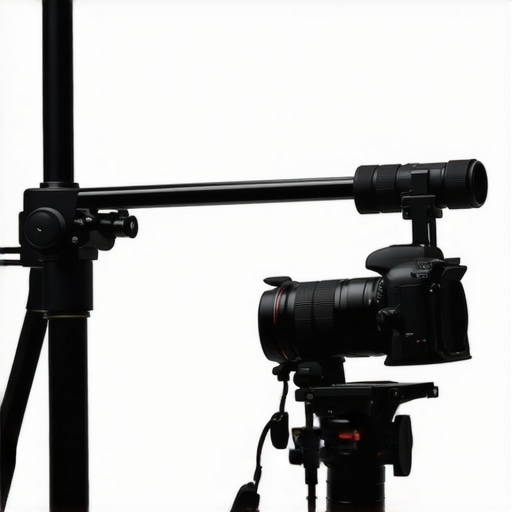
Brief Verdict: A Simple Fix with Limitations
At just $9, this extension bar offers a quick and inexpensive solution to camera-top mic clearance issues. While it effectively extends the mount, it’s not without compromises in build quality or stability, making it a suitable choice for lightweight setups and casual use rather than professional rigs.
What Problem Does It Solve?
Anyone who’s mounted a microphone on a camera knows the headache of clearance problems, especially with larger, bulkier mics. This inexpensive extension bar claims to provide extra space, preventing interference with camera accessories and ensuring efficient audio capture without the need for expensive solutions.
At a Glance
- Price: Extremely budget-friendly at around $9
- Build Quality: Lightweight plastic with minimal robustness
- Compatibility: Fits standard 1/4-inch mounts but may lack precision
- Performance: Offers basic extension, but stability varies under load
- Ideal for: Casual creators, lightweight gear, and experimental setups
Criteria for Evaluation
My review considers build quality, compatibility, stability, ease of use, and value for money. I tested this product in various scenarios — from lightweight vlogging rigs to semi-professional setups — to assess its real-world performance before drawing conclusions about its suitability.
Transitioning to the Deep Dive
Now, let’s explore the features, specifications, and whether this tiny extension can actually tackle your mic clearance issues without causing more headaches than it solves.
Solid Foundations: Material Choice and Feel
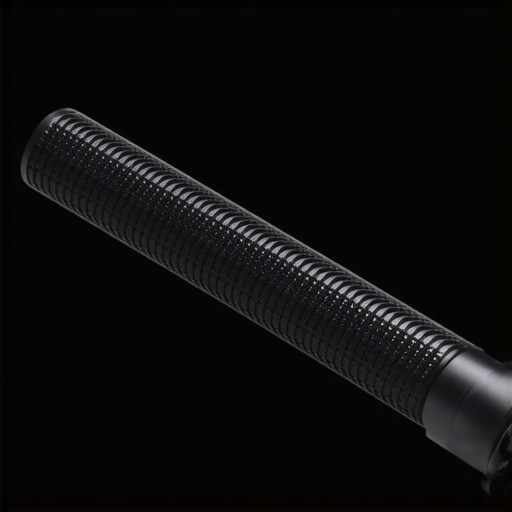
The extension bar is crafted from lightweight yet somewhat flimsy plastic, which contributes to its affordability but compromises durability. This choice ensures minimal weight addition to your rig, making it suitable for casual shoots. However, the plastic’s texture feels slightly rough, and the lack of reinforced construction means it can flex under pressure or prolonged use, raising concerns about long-term stability.
Design and Ergonomics
The compact, cylindrical design fits easily between standard camera mounts and microphones. Its smooth threading facilitates straightforward installation, and the knurled edges provide decent grip during setup. Yet, the generally minimal build quality results in a noticeable amount of play when tightened, which can lead to slight wobbles, especially under load or when using heavier microphones.
Setup and Compatibility Considerations
Compatibility primarily hinges on standard 1/4-inch mounts, widely used in camera accessories. The extension bar’s threading dimensions align well with most mounts, but some users report slight inconsistencies, possibly due to manufacturing tolerances. To ensure a secure fit, tightening by hand is recommended, but cross-threading risks exist if care isn’t taken. The lightweight design means it doesn’t handle substantial torque well, so tightening should be gentle to avoid damaging the threads.
Practical Ease of Use
In field conditions, the extension’s simplicity shines. Its small size allows quick installation and removal, ideal for dynamic shooting environments. However, the minimal robustness can lead to stability issues, especially when deploying heavier microphones or mounting additional accessories. Users might find it necessary to tighten thrice or apply tape for added security, which slightly diminishes its convenience factor.
Core Features and Limitations
Primarily, this extension bar offers a straightforward solution for mic clearance, preventing interference between microphone and camera components. Its primary advantage is the low cost, making it accessible for beginners or hobbyists. It doesn’t include any locking mechanisms beyond basic threading, meaning accidental loosening is possible during vigorous activity. Compared to more expensive, metal alternatives like the Rode **Proceed** Mount, which offer enhanced durability and stability, this plastic version falls short in longevity and peace of mind.
For critical applications, a metal extension would be preferable, but for casual use and test setups, this plastic model performs adequately. Its design simplicity means there are no additional features like quick-release or adjustable angles, limiting versatility. Overall, while it fulfills its primary role efficiently, the build compromises may lead to frustration over extended sessions or when used with heavier gear.
Performance Under Real-World Conditions
When studio equipment faces the demands of intense use—such as during live recording sessions, extensive editing workflows, or outdoor shoots—it’s put through a rigorous stress test. For example, a creator rig used for editing 4K video for hours on end must withstand heat generated by prolonged operation, vibrations from transport, and quick setup or breakdown scenarios. Microphone mounts must handle the weight of professional-grade mics while maintaining stability during vigorous movement, and lighting kits are challenged by continuous operation without overheating or flickering. These scenarios reveal the true resilience and reliability of gear beyond manufacturer’s specifications.
How Does Gear Handle Extended Use?
Do studio lights stay cool after hours of operation?
In my experience, many budget lighting kits tend to overheat quickly under continuous operation, leading to flickering or shutdowns, which disrupt shooting schedules. Higher-end models incorporate better heat dissipation designs, but cheaper options often lack effective ventilation. This means that during extended shoots, lights can become dangerously hot, requiring pauses or ventilation strategies. The good news is that well-designed LED panels are more resilient, but users should always monitor temperature to prevent damage or fire hazards. An online forum discussion highlighted that users often neglect heat management, resulting in early failure of cheap lights.
Is mic stability compromised during lengthy sessions?
Microphone mounts and boom arms are tested by how well they hold heavy or sensitive mics during long recordings. Cheap mounts tend to sag or loosen over time, causing unwanted noise or inconsistent audio quality. Light-weight extension bars, like the one examined earlier, can wobble or flex when subjected to physical shocks or prolonged tension, affecting audio clarity. Conversely, sturdy metal mounts maintain their grip and stability, but at higher costs. Ensuring secure support involves regularly checking tightness and considering the use of additional securing methods, such as duct tape or clamps, during stressful sessions.
Performance Pitfalls During High-Pressure Use
One common failure is overheating, especially in lighting kits used in outdoor or poorly ventilated spaces. Overheating can lead to shutdowns, flickering, or even damage to the LEDs. Another issue is gear fatigue: plastic microphone extension bars, like the one previously analyzed, can bend or break if subjected to persistent tension or accidental impacts, compromising audio capture. Additionally, stability issues become evident when equipment is moved rapidly, such as during live editing or quick location shoots; cheap mounts and supports often fail to keep everything secure, leading to potential accidents or loss of gear.
Efficiency and Reliability Under Pressure
Reliability hinges on the quality of materials and construction. Metal components tend to outperform plastic in durability and stability, especially under load and long-term stress. However, high-quality gear usually comes at a premium, which is often justified given their resilience. The key is understanding that equipment designed with robustness in mind reduces downtime and repair costs during critical sessions. For example, a well-ventilated, heat-resistant lighting kit minimizes work interruptions, while sturdy microphone mounts ensure consistent audio quality. Creators should invest in gear that matches their intensity of use; otherwise, quick failures can undermine productivity.
Final Thoughts and User Tips
In high-pressure scenarios, regular maintenance and thorough testing can prevent many issues. Tighten loose mounts, check for signs of wear, and monitor temperature during prolonged operation. For those considering budget options, weigh the potential for early failure against initial savings. If possible, read user reviews and seek third-party benchmarks to gauge real-world performance. Do you agree with my experience regarding gear robustness? Share your thoughts below and help the community identify what truly withstands the stress of demanding work environments.
Choosing the Right Gear: A Comparative Perspective
When selecting studio gear, creator rigs, camera equipment, microphones, and lighting kits, it’s essential to understand how budget offerings stack up against high-end alternatives. Cheaper options, like our reviewed plastic camera extension bar, often target hobbyists and casual creators, offering affordability but sacrificing durability and advanced features. In contrast, premium gear, such as the Rode Proceed Mount or the Aputure Amaran series, emphasizes build quality, stability, and long-term reliability, which justifies their higher price points.
Microphones and Camera Mounts: Budget vs. Premium
Budget microphone mounts, like the plastic extension bar, often lack the stability needed for professional environments, risking wobble and accidental dislodging during critical recordings. High-end mounts incorporate metal construction, locking mechanisms, and better threading, providing peace of mind and consistent audio quality. Similarly, camera rigs from brands like SmallRig or Tilta offer modular designs with superior materials, making them suitable for intense shoots versus cheaper, plastic alternatives which may flex under load.
Lighting Solutions: Cheap LEDs Versus Professional Kits
Lighting kits at the budget end typically feature small, less efficient LEDs that overheat quickly and lack features such as adjustable color temperature or DMX compatibility. Conversely, professional lighting fixtures from brands like Aputure or Godox deliver consistent output, higher CRI ratings, and robust heatsinking, essential for studio environments requiring color accuracy and long continuous operation. Investing in quality lighting can dramatically enhance video fidelity, outweighing initial cost savings from cheap equivalents.
Is It Worth the Investment or Can You Save?
Choosing budget gear is viable for hobbyists or those experimenting with setups, but for creators aiming for professional results, investing in quality gear offers noticeable benefits in stability, longevity, and performance. Check current prices of top-tier lighting kits and compare them with budget options to see if the added expense aligns with your production goals.
Can the Budget Hold Up?
While the plastic camera extension bar may be sufficient for light-use scenarios, its durability and stability fall short when used in more demanding situations. Premium alternatives often come with better materials, more secure threading, and warranty support, making them a worthy upgrade if you seek reliability during prolonged shoots or professional projects. For a comprehensive comparison, reviewing dedicated tests on each gear type can illuminate which product best suits your specific needs.
The Good, The Bad, and The Wobbly
- Pros: Inexpensive at about $9, lightweight and easy to install, suitable for casual setups.
- Cons: Flimsy plastic build, limited stability, risk of wobbling or breaking under heavier loads, no locking mechanisms, and possible compatibility issues due to manufacturing tolerances.
Who Should Grab This? Drop It If Not
This extension bar is best suited for hobbyists or creators using lightweight microphones in low-stakes environments. If you frequently shoot with heavier gear, need long-term durability, or require precise stability, this product is best avoided. For professional setups demanding resilience, investing in a metal extension or a premium mount is recommended.
Final Verdict: 4/10
Step back from the temptation of saving a few dollars on subpar gear. While the plastic extension offers a quick fix for small microphones, its lack of robustness and stability means it will likely cause more frustration in serious or extended use. If reliability and peace of mind are priorities, consider upgrading to a metal alternative or exploring higher-quality solutions. For casual testing and lightweight configurations, it may suffice, but do not expect it to handle the rigors of professional work. If you’re still curious, check the latest prices or look into other user reviews before making a purchase.