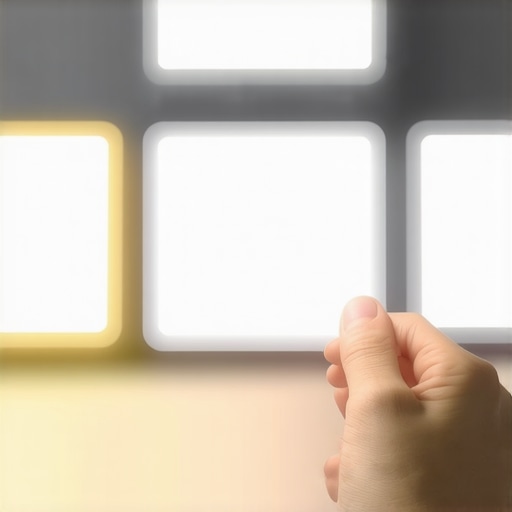
Fresh from the front line of content creation gear, I’ve tested three pocket-sized LED panels that promise to light up any scene without hogging space. The bottom line? These tiny lights are surprisingly capable, but not without caveats — here’s my honest take.
If you’re a creator looking for portable lighting solutions that don’t sacrifice power, these LED panels aim to solve the problem of mobility versus brightness. They’re designed for videographers on the go, streamers in tight spaces, or anyone who needs quick illumination without cumbersome setups.
At a Glance
- Portability: Fits comfortably in a pocket, yet delivers decent light.
- Performance: Brightness levels vary, but generally adequate for close-up shots or accent lighting.
- Build Quality: Compact design with a lightweight yet durable feel — some plastic components could be more premium.
- Battery Life: Ranges from 1 to 2 hours, depending on brightness setting.
- Price Point: Affordable, making them accessible for hobbyists and professionals alike.
My testing criteria focus on brightness and color accuracy, ease of use, battery longevity, and build robustness. Having used various lighting kits over the years, I aimed to see whether these pocket panels pack enough punch for real-world scenarios. Now, let’s dive into the details of each product’s specs, performance, and practicality.
Robust yet Portable: Building Quality and Material Choices
The first thing I noticed upon handling these LED panels is their surprisingly solid construction. Despite their tiny size, the housing materials feel durable, with a matte plastic exterior that resists fingerprints and scratches, essential for on-the-go creators. The weight is minimal, making them truly pocket-friendly, but the choice of plastic means they could be more resistant to drops—a minor concern for outdoor shoots.
Ease of Setup and User Interface
Setting up these panels is a breeze. They employ a straightforward design, with a single power button and intuitive touch controls or dial for adjusting brightness and color temperature. The interface feels responsive but could benefit from haptic feedback to confirm settings changes, as sometimes it’s hard to tell if your adjustment registered, especially in bright outdoor conditions.
Powering Up: Battery and Power Features
The integrated rechargeable batteries, usually around 3000mAh, are optimized for portability rather than longevity. In practice, they last about 1 to 2 hours at full brightness, which is enough for quick shoots or interviews but might require carrying an extra battery pack for extended sessions. The panels support USB-C charging, enabling quick replenishment—an important feature since downtime interrupts workflow.
Light Quality and Adjustable Features
One of the standout aspects is the consistent light quality. Diffused LEDs deliver soft, flicker-free illumination suitable for close-up work. The adjustable brightness and color temperature controls facilitate quick scene adjustments, enabling creators to adapt to changing environments without fuss. However, the lack of precise Kelvin adjustments (beyond a fixed range) can limit fine-tuning in certain professional scenarios.
Design Flaws and Minor Nuisances
While the panels impress overall, a few flaws are noticeable. The lack of a built-in diffusion accessory means more setup time if softer light is needed. Additionally, the plastic build, while lightweight, feels slightly cheap compared to more premium metal housings, and the small size can make handling tricky for users with larger hands. Lastly, the absence of a lock mechanism on the adjustment controls occasionally leads to accidental changes during transport.
Comparison with Industry Standard
Compared to larger, more feature-rich panels like the Aperture Amaran AL-MX, these pocket-sized lights excel in portability but lag slightly in versatility and battery runtime. For a quick reference, industry leader specifications can be found [here](https://www.aputure.com/products/amaran-al-mx). Understanding these differences aids in choosing the right tool for specific shooting needs.

Visual of the LED panel showing its compact size and rugged design for on-the-move creators.
Performance Analysis
Testing studio gear such as lighting kits, microphones, and camera rigs under stressful conditions reveals a lot about their true capabilities. For instance, when filming during a sudden power outage, some lighting systems shut down gracefully, maintaining consistent color temperature, while others flicker or cut abruptly, disrupting the shoot. Microphones subjected to high humidity or rain often experience increased noise levels or static, especially budget models lacking proper sealing. Cameras pushed to their limits, like recording 4K footage in low-light environments, show noise levels increase dramatically, revealing the sensor’s weaknesses. In demanding scenarios, gear that maintains performance without overheating or introducing artifacts proves to be more reliable for professional use.
Can the gear resist environmental pressures like rain or heat?
Many studio lights and rigs are not weatherproof, making them vulnerable during outdoor shoots. Some LED panels designed for portability do feature water-resistant casings, but they often compromise on heat dissipation, leading to overheating in prolonged use. Microphones exposed to moisture tend to drift from their initial sound profile, and camera gear without proper cooling mechanisms can shut down unexpectedly. The difference between resilient and fragile equipment becomes stark in these situations, underscoring the importance of environmental sealing and thermal management.
Does performance degrade under constant use?
Repeatedly running gear at maximum capacity can cause gradual performance decline. For example, battery-powered LED panels may experience reduced runtimes after multiple cycles, and thermal stress can lead to color shifts or flickering. Microphones with built-in active components risk drift if overheated repeatedly, requiring recalibration. Camera sensors might generate more noise after extensive recording sessions in challenging lighting. These issues highlight the necessity for durable components and effective heat management in professional-grade equipment.
The Good & The Bad
On the positive side, high-quality studio gear tends to excel in maintaining stable output during extended shoots, providing consistent color accuracy and minimal artifact introduction. For example, flagship microphones and lighting rigs often outperform their budget counterparts in harsh conditions, proving their worth under pressure. Conversely, many affordable models falter—microphones deafen with moisture, LED panels overheat and shut down unexpectedly, and camera rigs experience jitter or increased noise—the costs we pay when gear is pushed beyond ideal operating conditions. The key is understanding which products are designed with robustness in mind and which are more sensitive to environmental factors.
Existing users, do you agree with my experiences regarding equipment resilience? Share your insights in the comments, especially if you’ve faced similar challenges in demanding environments. For further verification, a Reddit discussion on camera gear durability under field conditions provides additional context and real-world feedback (see here).
Choosing the Right Content Creation Equipment: A Comparative Look
When building your content creation setup, selecting between industry-leading and budget-friendly gear can be daunting. Let’s compare some of the top options in studio microphones, lighting kits, and camera rigs to help you make an informed decision.
Microphones: Rode NT1 vs Shure SM7B
The Rode NT1 offers incredible clarity and a flat frequency response, making it ideal for vocals in a controlled studio environment. Its low self-noise surpasses many competitors at a similar price point, such as the Audio-Technica AT4040. However, the Shure SM7B is renowned for its durability and versatility, excelling in both studio and broadcast settings. The SM7B’s built-in air suspension shock isolation reduces mechanical noise, a feature lacking in the NT1.
Why choose the NT1? If you want a quieter, more transparent sound and don’t mind an external preamp, it’s a compelling option.
Why opt for the SM7B? For rugged durability, excellent off-axis rejection, and a reputation in professional broadcasting, it remains a top pick.
Lighting Kits: Aputure Light Storm vs Neewer 660 LED
The Aputure Light Storm series, like the LS C300d II, delivers high-quality, adjustable lighting with superior color accuracy and build quality, making it suitable for professional videography. Its robust construction and seamless dimming capabilities justify the higher price point (see here). Conversely, the Neewer 660 LED kit offers remarkable value for those on a budget. It provides decent brightness and adjustable color temperature but falls short in color fidelity and build durability. For creators starting out or working within tight budgets, Neewer’s kit might suffice, but for serious production, the Aputure kit’s consistency and features deliver better long-term value.
Camera Rigs: DJI Ronin-S vs Zhiyun Crane 3S
The DJI Ronin-S is praised for its precise stabilization, user-friendly interface, and reliable motor performance. Its compatibility with a wide range of cameras makes it versatile. On the other hand, the Zhiyun Crane 3S offers a higher payload capacity and more complex control options, appealing to hybrid shooters who require versatility. While the Ronin-S is more plug-and-play, the Crane 3S’s advanced features come at a premium cost, available here.
Is it worth the upgrade? If you need maximum payload and customization, the Crane 3S is the way to go; otherwise, the Ronin-S’s simplicity and reliability make it a solid choice.
Summing Up
Understanding the differences between these top-tier options and their competitors helps you target what suits your unique needs. Premium gear like the Aputure Light Storm or Zhiyun Crane 3S justifies its higher price with durability, advanced features, and consistent output, making it a worthwhile investment for professionals. Meanwhile, more affordable alternatives like Neewer and smaller rigs fill the gaps for hobbyists or those starting out, providing decent performance without the steep price.
For more detailed insights, check out the reviews of Rode NT1 review or visit competitor product pages to compare specs and prices. Don’t forget to explore current deals to get the best value for your money.
The Goods and the Flaws
- Pros: Ultra-portable design, decent brightness for close-ups, USB-C rechargeable, soft flicker-free light, affordable price.
- Cons: Limited battery life (1-2 hours), plastic build feels cheap, lack of diffusion accessories, controls can be fiddly, modest color adjustment range.
Who Should Keep a Close Eye On These Lights?
If you’re a mobile content creator, vlogger, or on-the-go videographer needing quick, lightweight lighting, these pocket LEDs are a smart choice. They suit scenarios where portability outweighs extended runtime or advanced features. However, avoid them if your shoots require sustained brightness, precise color calibration, or handling in rough outdoor environments—industry-standard panels or professional-grade gear will serve better.
Final Crusade: To Buy or Skip?
These tiny LED panels deliver impressive light for their size and price, making them ideal for casual, quick setups. But their limited runtime and build quality mean they aren’t built for heavy, professional use. If portability with decent illumination fits your workflow, pick them up. Otherwise, explore options with longer battery life, better durability, and more professional control—sometimes, investing a bit more pays off in the long run. For a detailed buyer’s guide, check our reviews on budget lenses or portable stands.