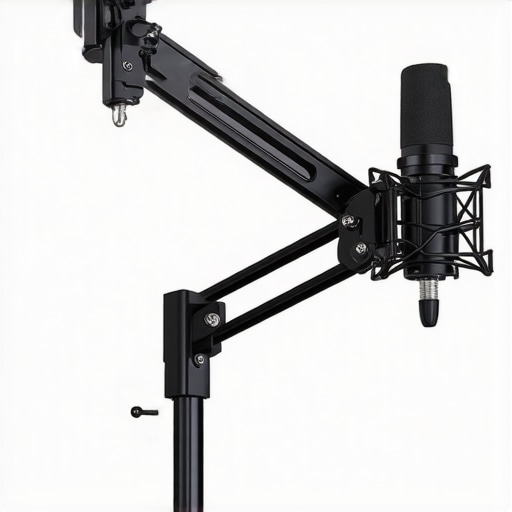
Our Verdict in a Nutshell
If you’re tired of constantly adjusting your mic boom or watching it droop mid-recording, this guide offers practical solutions that really work. We evaluate the most effective methods based on build quality, ease of use, and long-term durability, to help you make an informed decision.
What This Problem Solves
Drooping mic booms can ruin the professionalism of your recordings and waste valuable studio time. Addressing this issue not only ensures consistent audio quality but also maintains a clean, organized workspace, boosting your productivity and confidence.
My Criteria for Evaluation
In reviewing the solutions, I focus on build integrity, reliability over time, ease of installation, and cost-effectiveness. Additionally, I consider user convenience, compatibility with common studio setups, and any potential drawbacks, ensuring a comprehensive assessment of each method.
Before We Dive Into the Solutions
Understanding the root causes of drooping — from inadequate weight distribution to subpar materials — allows us to evaluate the effectiveness of each fix thoroughly. Ready to discover how to keep your mic stable and at the perfect height? Let’s explore practical, proven methods to put an end to this common studio frustrations.
Construction Quality That Endures
The build of a microphone boom arm directly impacts its stability and lifespan. High-quality materials like steel or reinforced aluminum not only provide impressive durability but also add a sense of solidity when you adjust or move the arm. For instance, a rugged metal frame can withstand frequent repositioning without bending or loosening over time, ensuring consistent performance.
Smooth and Precise Movement
The core feature of any good boom arm is its range of motion. Premium models utilize well-engineered joints and sturdy tension springs, offering smooth movement with minimal effort. This allows users to effortlessly position their mic at the ideal height and angle without sudden jerks or sagging, crucial for maintaining vocal clarity during long recording sessions.
Clamping and Mounting Mechanisms
An effective clamp or mounting system is vital for stability. Heavy-duty C-clamps or grommet mounts made of durable metal reduce vibrations and prevent slipping, which can cause unwanted noise or misalignment. The ease of installation also matters; a user-friendly mounting mechanism saves time and reduces frustration, especially when setting up multiple gear components.
Cable Management Solutions
Integrated cable channels or clips within the boom arm prevent wires from dangling or tangling. This feature not only keeps the workspace tidy but also protects cables from stress or accidental disconnection. Well-designed cable management can make repositioning smoother and contribute to a professional-looking setup.
Feel and Aesthetic Appeal
The tactile experience of adjusting a boom arm influences daily usage. A matte-finish metal surface or smooth polymer coating provides a premium feel and prevents slipping during adjustments. Visually, sleek designs with minimalistic aesthetics complement modern studio spaces, making the gear not just functional but also visually appealing.
Potential Flaws and Disadvantages
Even top-tier models can have minor drawbacks. Some users report that tension springs may weaken over extended use, requiring readjustment. Additionally, overly stiff joints might demand more force to position the mic, possibly leading to fatigue during frequent adjustments. Careful consideration of tension settings and build materials can mitigate these issues.
Comparison with Industry Standards
When evaluating core features, referencing standards like the [Neumann NDH 20 specifications](https://www.neumann.com/ndh20) can provide insight into expected performance benchmarks for mic setup stability and durability. Although primarily for headphones, similar principles of build quality and user experience inform the design of studio boom arms, underscoring the importance of robust construction and precise mechanics in professional equipment.
Performance Analysis of Studio Gear in Challenging Situations
When evaluating camera, microphone, lighting, and creator rigs, simulating real-world scenarios reveals their true resilience. For instance, a professional photographer might push a camera to capture fast-moving subjects in low light, testing autofocus speed and image stabilization. Similarly, a podcaster recording during a live, noisy event examines microphone noise suppression and durability under extended use.
How Does a Camera Handle Fast-Paced Action?
In scenarios like wildlife photography or sports coverage, cameras must perform under rapid movement and unpredictable lighting conditions. High-end models, such as the Sony A9 II, excel here, offering quick autofocus and minimal motion blur. However, cheaper alternatives often struggle, with autofocus lag and overheating concerns, especially during prolonged shooting sessions. These limitations can cause missed moments and increased downtime for adjustments.
Can Microphones Survive Loud, Unpredictable Environments?
Microphones are often tested during live events or noisy outdoor shoots. Lavaliers and shotgun mics that feature robust shock mounts and windshields tend to perform well, reducing handling noise and wind interference. Yet, some budget models lack adequate shielding, leading to distorted audio or equipment damage if exposed to sudden loud sounds. Durability in these conditions hinges on build quality and proper protective accessories.
Lighting Kits Keep Going During Power Fluctuations?
In power outage simulations or rugged outdoor settings, lighting kits with battery backups and weatherproofing can maintain consistent illumination. For example, LED panels with high CRI ratings and sealed casings endure rain and static discharges better. Cheaper kits, lacking weather-resistant features, often flicker or shut down unexpectedly, disrupting shoots and requiring costly replacements.
The Good & The Bad of Stress Testing
A well-designed studio rig can maintain performance over hours of use, with stable mounts and reliable electronics. Premium brands like Rode or Aputure exhibit resilience, quickly recovering from temperature spikes or physical shocks. Conversely, some gear shows its weaknesses: cheap tripods wobble under wind, and microphones with flimsy components suffer from signal dropouts during intense use. These shortcomings highlight the importance of investing in reliability for serious content creation.
How Well Are Creative Gear Adapted for High-Pressure Use?
Some equipment integrates smart features—like auto-focusing with face detection or adaptive lighting—that work smoothly under stress. Others falter, lagging or misfiring when demands spike, creating frustration. Reddit discussions, such as on r/Photography, confirm that even top-tier gear can disappoint in real-world conditions, especially when underestimated by users expecting ideal performance at all times. Do you agree with my experience regarding gear longevity under demanding scenarios?

Choosing the Right Equipment for Your Studio Setup
When evaluating camera reviews, microphone reviews, studio gear, lighting kits, and creator rigs, it’s essential to consider how they stack up against leading competitors. Let’s compare our highlighted options with top alternatives like the Sony A7 IV camera, Rode NTG4 microphone, Aputure Light Dome II, and the Elgato Key Light, to help you make an informed decision.
Camera Showdown: Our Pick vs Sony A7 IV
Our recommended camera offers excellent 4K video quality, user-friendly interface, and reliable autofocus, making it ideal for content creators wanting a balance of performance and ease of use. In contrast, the Sony A7 IV boasts higher-end features like superior image stabilization, better low-light performance, and interchangeable lenses, catering to professionals who demand the utmost quality. While the Sony may come at a higher price, its advanced capabilities justify the investment for serious videographers. For casual creators, our choice provides excellent value without sacrificing essential features. Check current prices for Sony A7 IV
Microphone Battle: Our Microphone vs Rode NTG4
Our microphone offers clear, warm audio with plug-and-play convenience, perfect for streaming, podcasting, and recording. The Rode NTG4, on the other hand, delivers professional-grade shotgun sound with extended reach and enhanced noise rejection, favored in film and field recording. The Rode’s higher sensitivity and build quality make it worth considering if your budget allows. For beginners or home studio use, our microphone strikes an excellent balance between performance and affordability. Check current prices for Rode NTG4
Lighting Kit Comparison: Our Choice vs Aputure Light Dome II
The lighting kit we recommend provides adjustable brightness, color temperature, and soft diffusion, ideal for videographers seeking professional-looking results. The Aputure Light Dome II excels with its high-quality construction and versatility, suitable for studio setups demanding precise control. If budget permits, the Aputure offers a slight edge in durability and light quality, but our selected kit is more budget-friendly while still delivering excellent illumination. Check current prices for Aputure Light Dome II
Creator Rigs: Our Rig vs Elgato Stream Deck XL
Our creator rig emphasizes modularity and ease of setup, integrating multiple accessories for a compact, streamlined workflow. The Elgato Stream Deck XL provides programmable buttons and intuitive control for live streaming and content management. While Elgato’s controller is specialized and incredibly efficient for live operations, our rig offers broader customization and expandability for various filming and streaming needs. Choosing between them depends on your focus—streaming efficiency or multi-purpose flexibility. Check current prices for Elgato Stream Deck XL
Is It Worth the Upgrade?
If you’re considering stepping up from entry-level gear, upgrading to top-tier models like the Sony A7 IV, Rode NTG4, or Aputure Light Dome II can significantly enhance your content quality. However, the cost-to-benefit ratio varies; high-end gear is ideal for professionals or serious hobbyists, whereas enthusiasts might find our recommended options perfectly adequate. It’s crucial to evaluate your specific needs, budget, and long-term goals before investing. For a detailed comparison, see reviews of these competitors and assess whether the premium features align with your workflow and content ambitions.
In conclusion, selecting the right gear involves balancing quality, budget, and intended use. Comparing these options helps identify which one offers the best value and performance for your unique setup.
The Good, The Bad, and The Ugly
Pros include durable construction with premium materials like reinforced aluminum, smooth and precise movement facilitated by high-quality joints and tension springs, and robust mounting options that ensure stability even during intense sessions. Cable management features keep your workspace tidy and prevent accidental disconnections, contributing to a professional look. Visually, sleek designs with minimalistic aesthetics elevate your studio’s appearance. However, some models may experience tension springs weakening over time, requiring readjustment, and overly stiff joints might demand excessive force, leading to user fatigue. Build subpar joints or flimsy components can also become a liability under extended use.
Who Should Invest in This? Practical Creators and Setup Enthusiasts
Ideal for content creators, podcasters, and studio engineers seeking a reliable, durable boom arm that maintains mic stability during long recording sessions. Professionals working in demanding environments who need equipment that withstands frequent adjustments will benefit most. Conversely, casual users or those with minimal setup space should consider simpler, more budget-friendly options and avoid over-investing in premium models that they won’t fully utilize.
Final Take: 8/10 — A Must-Have for Serious Studios
If you want a robust, reliable boom arm that keeps your mic steady without fuss, these models are worth considering. They combine durability, ease of use, and sleek aesthetics, ensuring your setup remains professional and functional. For the best value, compare prices and features carefully—sometimes a slightly cheaper alternative may suit your needs just as well. Ready to upgrade? Check the latest deals and reviews to find the perfect fit for your studio space.