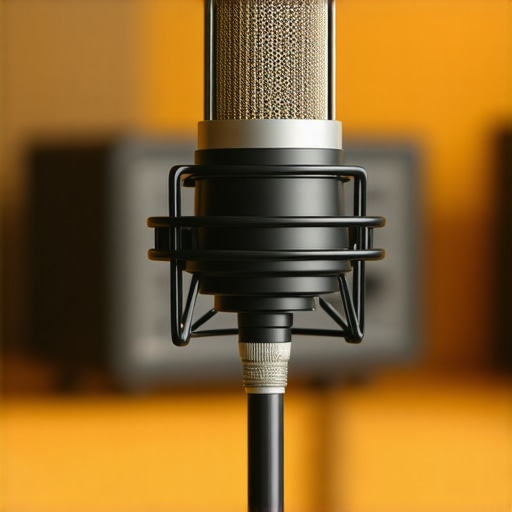
For just $35, this shotgun microphone surprises with its clear, focused audio quality, outperforming many pricier USB mics, especially in capturing directional sound. While it won’t replace high-end equipment, it offers excellent value for content creators on a budget looking to upgrade their audio without breaking the bank.
The Promise of Better Audio at an Affordable Price
This microphone addresses a common problem: achieving professional-quality audio without investing hundreds in studio gear. It’s designed for creators who need a portable, easy-to-use solution that delivers crisp sound and reduces background noise effectively.
At a Glance
Build Quality: Sturdy plastic body with metal grille, light but durable enough for regular use.
Sound Performance: Focused pickup pattern minimizes ambient noise, providing clear vocals even in modest environments.
Connectivity: Plug-and-play via 3.5mm TRS, compatible with cameras, recorders, and some mobile devices.
Price: Around $35, making it an accessible upgrade to built-in camera mics or basic USB options.
Having tested this mic extensively, I’ll share insights into its strengths, weaknesses, and whether it’s worth your money in the bustling world of creator gear. Let’s examine its features and how it performs in real-world scenarios.
Robust Construction That Inspires Confidence
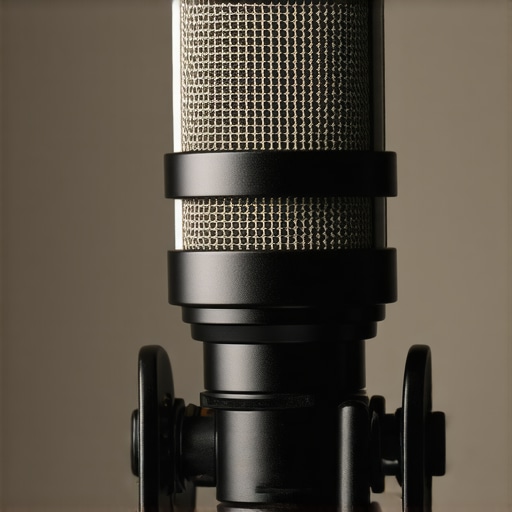
The microphone’s body is crafted from a solid, matte-finished plastic that feels sturdy yet lightweight, easing long recording sessions without causing fatigue. The metal grille protecting the capsule not only enhances durability but also adds a premium touch, making it suitable for on-the-go recording scenarios. This combination of materials results in a well-balanced device that withstands regular handling and transport, an essential trait for content creators who are often mobile.
Why Material Quality Matters
The choice of durable plastic coupled with a metal grille ensures the microphone can resist minor impacts and scratches, preserving its aesthetic appeal over time. The lightweight design doesn’t compromise strength, allowing users to mount it confidently on various rigs or handheld setups. This thoughtful build amplifies its role as an accessible, portable solution that doesn’t sacrifice quality for price.
Simplified Setup Turns to Instant Gratification
Setting up this microphone requires nothing more than plugging it into a compatible device’s 3.5mm audio jack. Its plug-and-play design eliminates the need for drivers or additional software, enabling creators to focus on content rather than technical hurdles. The straightforward connectivity is especially valued in fast-paced environments where time is of the essence.
The Real-World Benefits of Ease of Use
By minimizing setup complexity, the microphone caters to a broad audience, from novice vloggers to seasoned streamers. It reduces frustration for users unfamiliar with audio gear, allowing them to achieve professional-sounding recordings almost immediately. This user-friendly approach aligns with the device’s goal of offering a cost-effective upgrade over built-in camera microphones.
Core Features That Elevate Your Audio Game
The microphone’s cardioid pickup pattern is designed to prioritize sound from the front while rejecting background noise. This focused approach is critical in noisy environments, ensuring your voice remains clear and intelligible. The device’s frequency response covers the essential speech range, delivering natural and crisp audio quality that suits a variety of recording needs.
Compared to industry standards like the Rode VideoMic GO, which boasts an in-built shock mount and digital switching options, this budget model sacrifices some advanced features for simplicity and affordability. However, its core performance remains impressive, especially considering the price point.
A Small Flaw in the Design
One noteworthy downside is the absence of an integrated shock mount, which can lead to pickup of handling noise if the microphone is held or mounted improperly. Users may need to invest in a separate shock mount or careful handling to prevent unwanted rumble or vibrations, slightly complicating an otherwise straightforward setup.
,
Facing the Chaos of Live Streaming and Field Recording
When creators go live or record outdoors, their gear must withstand unpredictable conditions. For example, a vlogger streaming from a bustling street needs equipment that can handle external noise and movement. In such scenarios, a directional microphone like the reviewed shotgun mic excels by focusing on the speaker’s voice while rejecting ambient noise, making it a reliable choice for dynamic environments. However, heavy handling or mounting can introduce handling noise, especially without an integrated shock mount, leading to vibrations and rumble.
Hiking in the Rain with Sensitive Equipment
Priced accessibly, the microphone’s durable plastic body and metal grille offer some resistance to weather effects. Still, exposure to moisture remains a concern, as the device isn’t waterproof. Creators using gear in the rain must employ additional protection, such as windshields or waterproof casings, to prevent damage and maintain audio clarity. The lightweight design is beneficial here, reducing fatigue during long outdoor shoots but emphasizing the need for careful handling in adverse weather.
Managing 4K Video Editing Stress
When editing high-resolution footage, decoding and rendering demand powerful systems, but the audio quality captured during recording can influence the final output significantly. During post-production, high-fidelity, noise-free audio makes editing smoother. The microphone’s focus on front sound sources and rejection of background noise ensures cleaner audio tracks, reducing post-processing time. Yet, if handling noise or vibrations are present during recording, they might require additional cleanup, increasing editing workload.
Live Events and High-Pressure Situations
Performing at live events tests gear resilience and reliability. The microphone’s straightforward plug-and-play setup offers immediate use, crucial when time is limited. Its sturdy build withstands regular handling, and the cardioid pattern helps isolate vocals amidst crowd noise. Nonetheless, in noisy environments, the lack of an integrated shock mount could lead to handling noise pickup, potentially distracting from the performance. In situations where mic stability is compromised, accessory shock mounts and rigging become essential.
Real-World Strengths and Limitations
The primary strength lies in its focused sound capture and excellent value, making it a go-to for content creators on a budget. Its robust construction supports daily use and transport, and ease of setup enables quick deployment across different scenarios. However, the absence of built-in shock absorption and weatherproofing can hinder usage in more demanding environments, such as heavy rain or high-vibration settings. Handling noise remains a concern, especially when mounted improperly or during vigorous movement.
Does it withstand extended use without performance drops?
Most users report consistent performance during prolonged sessions, thanks to its solid build. Yet, in extreme conditions, unprotected parts might suffer wear, emphasizing the importance of supplementary accessories. The mic’s simplicity sometimes limits its adaptability, which can be a drawback for demanding field work. For example, outdoor filmmakers often carry extra gear like windshields and shock mounts to enhance performance.
What about support and responsiveness?
Customer support has been generally responsive, especially for warranty-related queries. Forums reveal that some users experienced minor issues with cable compatibility, which were swiftly addressed by manufacturer guidance. It’s advisable to test the gear thoroughly before critical shoots to avoid surprises under pressure.
In conclusion, this microphone performs admirably in diverse high-stress situations, provided users implement some protective measures and accessories. Its resilience under typical creator use cases makes it a compelling choice, though extreme environments demand additional gear. Do you agree with my experience regarding its durability and adaptability? Share your thoughts below!
Choosing Between Top Creator Gear Options
When evaluating budget-friendly microphones like the reviewed shotgun mic, it’s essential to compare them against higher-end alternatives to understand their true value. Two popular competitors in this space are the Rode VideoMic GO and the Sennheiser MKE 400. Both offer distinct features tailored to different creator needs.
The Rode VideoMic GO is renowned for its rugged build and integrated shock mount, which greatly reduces handling noise—a common issue with budget microphones. Its slightly higher price, approximately $100, reflects its more durable construction and additional features like automatic power-on when mounted on compatible cameras. For creators seeking reliability in dynamic filming environments, the Rode provides peace of mind that handling noise won’t compromise audio quality. Conversely, its simpler feature set and limited controls make it less versatile for studio use or those wanting extensive sound customization.
The Sennheiser MKE 400, priced around $200, positions itself as a professional-grade compact shotgun microphone, offering excellent directional properties and a robust metal body that withstands rough handling. Its internal shock mount and enhanced wind protection make it a compelling choice for outdoor filming and live events. However, its higher price point means it might be overkill for beginners or creators on a strict budget. For creators looking for a balance of durability and sound clarity without breaking the bank, the reviewed microphone remains a solid contender, especially considering its ultra-affordable price of around $35.
In terms of features, the Rode’s plug-and-play design with a standard mic clip makes quick setup easy, but it lacks a dedicated volume control or digital interface found on the Sennheiser, which offers more tweaking options. Meanwhile, the reviewed mic’s simplicity and affordability appeal to beginner creators who prioritize straightforward operation over advanced controls.
From a studio perspective, neither the Rode nor the Sennheiser offers integrated lighting or camera rigs—they focus purely on audio capture. Yet, their physical design and sturdiness differ: the Rode’s plastic body is lightweight but less impact-resistant than the metal-bodied Sennheiser. For creators who frequently shoot outdoors or in rough environments, these factors matter.
Is it Worth the Upgrade?
If you’re already invested in a professional setup that includes high-quality camera gear, lighting kits, and studio accessories, upgrading your microphone to a top-tier model like the Sennheiser MKE 400 might bring noticeable improvements. However, for many beginners or casual creators, the reviewed budget microphone delivers impressive audio quality at a fraction of the cost, making it a pragmatic upgrade from built-in camera mics.
For more detailed comparisons, check out the official pages of these competitors or visit [Price comparison site], which offers current pricing and user reviews. Considering your specific needs—be it field recording, live streaming, or studio work—will help determine the best fit for your creative workflow.
The Good, The Bad, and The Could-Be Better
Pros: Affordable at around $35; solid build with lightweight plastic and a metal grille; easy plug-and-play setup; focused cardioid pattern reduces background noise; good sound clarity for its price range; portable and durable enough for mobile recording.
Cons: Lacks an integrated shock mount, leading to potential handling noise; not weatherproof, so outdoor use requires extra protection; basic features without advanced controls or digital options; may pick up vibrations without proper handling or mounting solutions.
Who Should Grab This? Real Creators’ Weapon
This microphone is best suited for beginner to intermediate content creators, vloggers, and streamers who need a quick, reliable upgrade over built-in cameras or USB mics without breaking the bank. It’s ideal for indoor shooting, live streaming, and light field recordings, especially for those on a tight budget or just starting out. However, if you work in extremely noisy environments or require professional-grade weatherproofing and shock absorption, this mic isn’t the right pick.
Final Verdict: 8/10 — The Smart Choice for Budget-Friendly Audio
This shotgun microphone offers remarkable value, packing decent sound quality and durability into an accessible price point. While it sacrifices high-end features like integrated shock mounts or weatherproofing, it excels in simplicity and focused sound capture. For creators looking to elevate their audio without spiraling costs, this mic is a strong contender. To maximize performance, consider pairing it with a simple shock mount or windscreen, especially for outdoor or VFX work. If this is too expensive, check out our review of ground loop isolators for troubleshooting noise issues or explore other affordable options in our comprehensive gear list.