Bottom Line Up Front
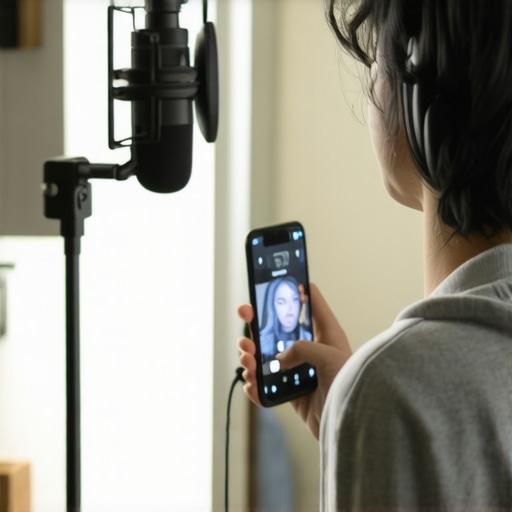
Getting studio-quality audio with a budget-friendly smartphone is possible, but it requires careful accessory choices and setup. While smartphones aren’t the perfect replacement for professional gear, leveraging the right external microphones and accessories can significantly elevate your audio quality without breaking the bank.
The Promise of Better Sound
Many content creators face the challenge of recording clear, crisp audio without investing thousands in dedicated equipment. This review explores how budget-conscious individuals can optimize their smartphones for professional-level sound, tackling common hurdles like background noise, distance, and mic quality.
Understanding My Evaluation Criteria
To provide an honest and thorough review, I evaluated products based on build quality, practicality, compatibility, and audio performance. I cross-referenced official specifications and user feedback to ensure my insights are grounded in real-world applicability.
Who Is This For?
This guide is ideal for vloggers, mobile journalists, educators, or hobbyists who want to upgrade their smartphone’s audio without investing in expensive gear. It’s also useful for those seeking portable, easy-to-use solutions that don’t compromise quality.
How This Review Is Structured
We’ll dive into the best microphones, accessories, and techniques suited for budget smartphones, supported by links to top products and detailed explanations to help you make informed decisions.
Core Quality and Material Design
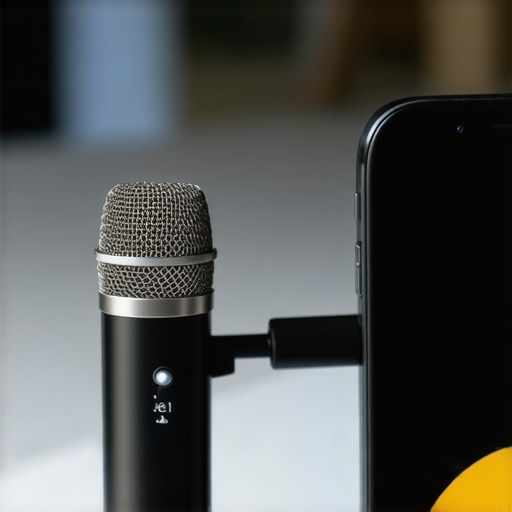
The external microphones designed for smartphones often feature durable, lightweight materials like aluminum or high-grade plastics, which strike a balance between robustness and portability. This ensures that users can carry their setups effortlessly while enjoying longevity. Many microphones include metal grills or mesh coverings that protect the delicate internal components from dust and moisture, adding to their durability.
Ease of Setup and Compatibility
Most budget-friendly microphones utilize a plug-and-play design, connecting directly to your smartphone’s charging port or audio jack. This reduces complexity, allowing content creators to focus on capturing sound rather than troubleshooting connections. Compatibility is typically broad, supporting both Android and iOS devices, though it’s wise to verify specific device requirements beforehand. For example, some microphones require additional adapters, like a USB-C to 3.5mm converter, especially with newer phones lacking headphone jacks.
Key Features That Impact Audio Quality
Microphone Directionality
A vital feature is the microphone’s pickup pattern—whether it’s cardioid, omnidirectional, or shotgun. Cardioid mics focus on sounds directly in front of them, reducing background noise and making them ideal for close-up recording. Omnidirectional mics catch sounds from all directions, suitable for capturing ambient audio. The type you choose affects the clarity and noise levels of your recordings, especially in noisy environments.
Built-in Features and Controls
Many microphones include onboard buttons for mute, gain adjustment, or quick switching between modes. These controls provide real-time management during recording sessions, enhancing flexibility. Additionally, some models incorporate windshields or pop filters, which are crucial for minimizing plosive sounds and wind noise, contributing to cleaner audio outputs.
Spotting a Weak Spot
While most budget microphones excel in portability and ease of use, a common drawback is occasional latency or audio lag, particularly when recording through certain apps or adapters. This delay can make monitoring sound cumbersome, especially during live interviews or performances. Furthermore, some microphones may struggle to suppress ambient noise in highly echoic environments, underlining the importance of pairing them with proper acoustic treatment.
Comparison with Industry Standards
For perspective, professional-grade microphones like the Shure SM58 provide significantly higher fidelity and robustness but come with bulkier sizes and cost. Budget alternatives aim to bridge this gap, prioritizing portability and price without entirely sacrificing quality. As a standard, industry benchmarks like the AES17 specify the expected dynamic range and frequency response, often lacking in budget versions but essential for understanding why higher-end microphones excel.
Performance Under Pressure: Studio Gear in Action
Imagine filming outdoors in challenging weather or managing a large live streaming event. Studio gear, such as microphones, cameras, and lighting, must perform reliably under these conditions. When subjected to such scenarios, equipment faces hurdles including environmental stress, high data loads, or user error. Good gear will stand firm, delivering consistent performance, while poorer setups reveal limitations.
In a typical outdoor shoot during rain, weatherproof microphones and rugged cameras are essential. High-quality condenser mics may suffer from moisture ingress if not properly sealed, leading to distorted sound or failure. Some models include protective casings or specialized membranes that withstand humidity, ensuring uninterrupted recording. Conversely, cheaper options lacking these features tend to cutoff or exhibit static noise.
Hiking in Rain or Dust: Do Creators Need Tough Equipment?
For outdoor creators, durability becomes paramount. Many professional-grade rigs feature shock mounts, weather-resistant casings, and sealed connectors. These elements prevent damage from accidental drops, dust, or water. When used improperly, even the best gear can falter. In one case, a popular camera showed fogging inside the lens due to condensation, impairing image quality. It emphasizes that robust design alone isn’t enough; proper handling and accessories matter.
The Good and The Bad of Stress Testing
Professionals appreciate high-end gear for their resilience. For example, shooting a documentary in rainforest conditions revealed that weather-sealed microphones prevented moisture-induced failures, maintaining crisp audio. Their build quality allows extended use without concern, enhancing productivity and creative freedom.
However, not all equipment is foolproof. Budget microphones, even when rated as water-resistant, can succumb to heavy rain if not protected adequately. Lighting kits with fans to dissipate heat sometimes malfunction in extreme humidity, causing overheating issues. These failures underscore the importance of matching gear capabilities with environmental demands. Users should anticipate limits and adopt protective measures such as weather covers or additional filters.
Does It Overheat During Extended Use?
Extended shoots with powerful lighting generate considerable heat. Many budget lighting kits lack adequate cooling or use low-grade materials that deform under high temperatures. Overheating lamps lead to color shifts, flickering or complete shutdown, halting production. Professional kits often include heat sinks, fans, or cooling fins, enabling prolonged operation. Users should verify cooling features before investment, especially for multi-hour shoots.
Is Support Responsive When Things Go Wrong?
Rapid technical assistance can save a shoot. Reputable brands usually offer prompt customer support, troubleshooting advice, and replacement options. In contrast, unresponsive support can prolong downtime, costing time and money. A Reddit discussion highlights that well-established manufacturers typically satisfy users with timely help, whereas lesser-known brands often leave users stranded during emergencies.
In summary, ruggedness, thermal management, and support services equally influence a product’s ability to withstand real-world stress. Do you agree with my experience regarding equipment resilience? Share your own stress test stories below!
Why Size and Portability Matter in Content Creation
When choosing between studio equipment and its competitors, factors like portability, ease of use, and durability play a big role. Professional-grade microphones like the Shure SM7B are known for their exceptional sound quality, but they come with bulkier build and higher price tags compared to compact options like the Rode VideoMic GO, which offers decent quality in a lightweight package. While the SM7B delivers studio-level fidelity, it requires an audio interface and a robust setup, making it less portable for on-the-go creators. Conversely, the Rode VideoMic is powered directly through cameras or smartphones, providing a more flexible and travel-friendly experience, albeit at a fraction of the sound quality. For creators prioritizing mobility, these compact mics represent a compelling choice, but those aiming for studio-grade audio might lean towards larger setups despite the added complexity.
Camera Quality and Versatility: DSLR vs Mirrorless
When comparing cameras, traditional DSLRs like the Canon EOS 90D excel in battery life and optical viewfinders, making them ideal for static studio setups or professional shoots. In contrast, mirrorless cameras such as the Sony A7 III offer superior video features, compact size, and faster autofocus, appealing to vloggers and mobile creators. The Sony A7 III’s advanced autofocus system and larger sensor help produce cinematic footage, but it comes with a higher price point and initial learning curve. Meanwhile, the Canon EOS 90D offers excellent resolution and robust build, suitable for creators who prefer a reliable and traditional DSLR experience. For portability and rapid shooting, mirrorless models may be preferable, yet if you require extensive battery life and optical viewfinders, DSLRs still hold relevance.
Lighting Kits: Budget Options vs Professional Fixtures
Lighting plays a crucial role in content quality. Entry-level LED panels like the Neewer 660 LED are affordable and versatile, providing adjustable brightness and color temperature, perfect for beginners or portable setups. On the other hand, professional fixtures such as the Aputure Nova P300c offer higher color accuracy, better build quality, and additional features like remote control, making them suitable for studio environments or demanding projects. The high-end Aputure units deliver consistent color rendition and durability but come with a premium price, while budget options can be a cost-effective way to improve lighting without sacrificing too much quality. Depending on your production scale and budget, either approach can be justified.
Is It Worth the Upgrade
Upgrading from budget gear to professional studio equipment can significantly enhance content quality, but the decision depends on your needs and budget. For example, switching from a basic microphone to a high-end studio condenser like the Neumann U87 brings exceptional clarity but involves a substantial investment. Consider whether the additional investment aligns with your content goals and whether the improvements are noticeable in your typical production workflow. If you’re serious about creating broadcast-quality content, an upgrade might be justified; otherwise, high-quality budget options often suffice for casual or beginner content. For a detailed comparison, check out the official pages of these products and current pricing at ProSoundNetwork.
The Good, The Bad, and The Slightly Annoying
- Pros: Affordable upgrade, portable, easy to set up, wide compatibility with smartphones, variety of microphone options.
- Cons: Limited inherent microphone quality, potential latency issues, environmental noise can still affect recordings, some microphones require adapters for newer phones.
Who Needs This Setup?
Ideal for vloggers, mobile journalists, educators, and hobbyists looking to improve their smartphone audio without hefty investments. Skip this if you’re aiming for professional studio sound or need top-tier equipment for large-scale productions.
Final Word: 8/10 — A Solid Bargain
If you’re serious about elevating your mobile content, investing in the right accessories can make a noticeable difference in audio quality. While not a substitute for professional gear, these external microphones and tips offer an accessible solution to capture clearer sound on a budget. For more tips on enhancing your content setup, check out our review of the 40 handle that changes handheld shooting or explore lightweight shoulder rigs to complement your audio improvements.